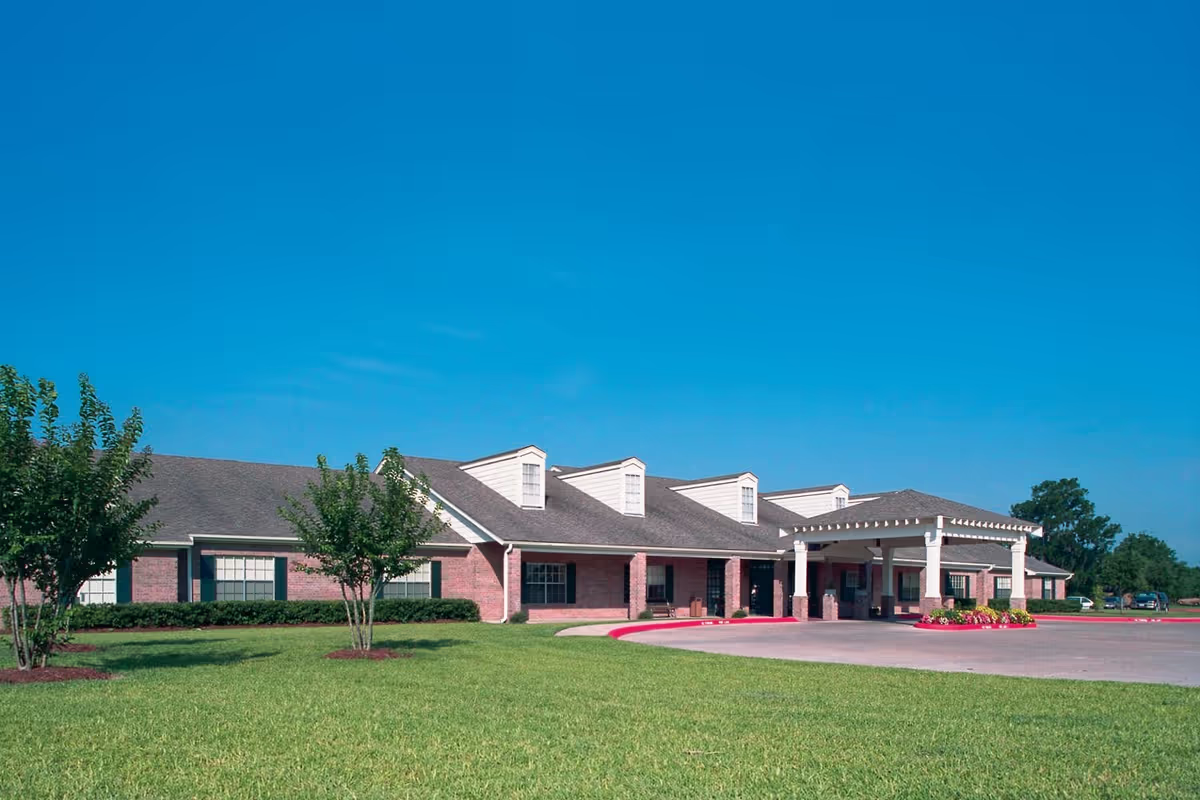
Reviews of Paradigm at the Prairies are markedly mixed, with clear patterns of both strong clinical/therapeutic strengths and significant operational weaknesses. Several families described positive care experiences characterized by attentive nurses, helpful CNAs and med aides, and a well-regarded physical therapy program. Multiple accounts emphasize pleasant, bright common areas, an organized admissions process, routine meal service, and available activities and outside entertainment—elements that many prospective residents and families value.
At the same time, a distinct set of operational concerns recurs across reviews. Staffing instability and leadership turnover are frequent themes, and reviewers point to inconsistent staffing coverage, particularly on nights and weekends, which they connect to delays in basic care and responsiveness. Several reviewers raised sanitation and odor concerns in entryways and resident areas and described gaps in incontinence-care practices and hygiene management. There are also reports of supply shortages and food-quality variability, ranging from limited menu items to preparation issues. Together these items suggest weaknesses in day-to-day operational oversight and supply-chain consistency.
Clinical-safety and communication issues are another consistent pattern. Some families reported problems with wound management and infection-control practices; others described difficulties with medication and care coordination. Phone-access and family-communication responsiveness were frequently noted as problematic—families described unanswered calls and unclear communication lines with clinical and administrative staff. Relatedly, some reviewers characterized staff conduct as cold or unresponsive in certain encounters, while others praised the same staff members; this variability points to uneven performance across shifts or teams rather than a uniformly consistent culture.
Management and administrative concerns frame much of the negative feedback. Reviewers cited high-level turnover, an apparent focus on financial metrics over resident-centered priorities, and inconsistent responsiveness from administrators and business office staff. There are also operational policies—such as restrictive staff-communication practices—that reviewers said can impede timely coordination of care. A small number of reviewers raised allegations of severe misconduct; such claims are serious and warrant careful follow-up through documentation review and, if appropriate, regulatory inquiry.
For families considering this facility: weigh the facility’s evident strengths in rehabilitation and in many individual caregivers against recurring operational weaknesses. When evaluating the community in person, request recent inspection reports, ask about nurse-to-resident ratios by shift, review infection-control and wound-care protocols, observe cleanliness in multiple locations (including entry points and resident rooms), sample dining options, and confirm how the facility communicates with families and handles staffing shortages. These targeted questions will help clarify whether the aspects praised by some families are consistently delivered and whether the operational concerns highlighted by others have been addressed.