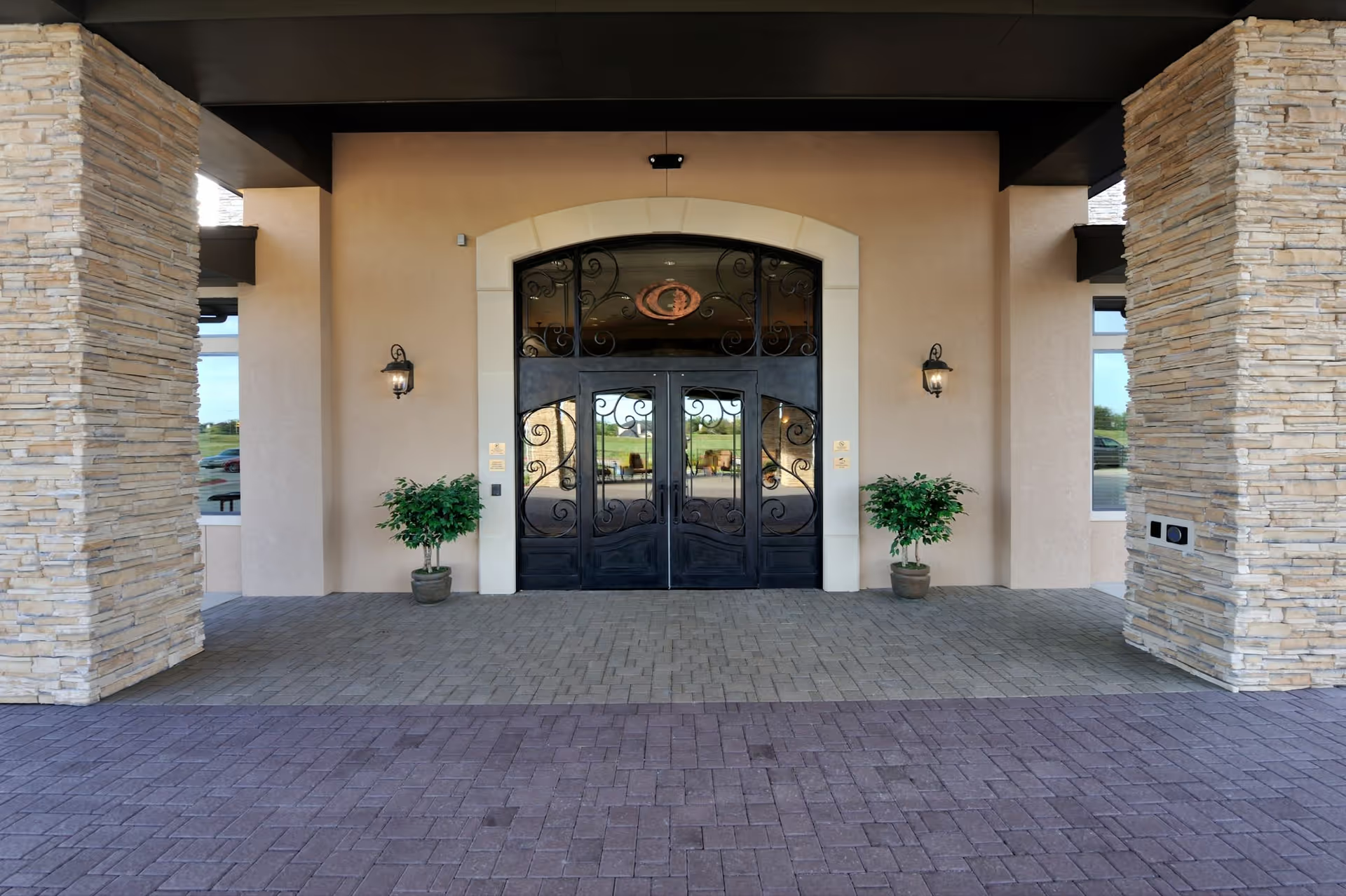
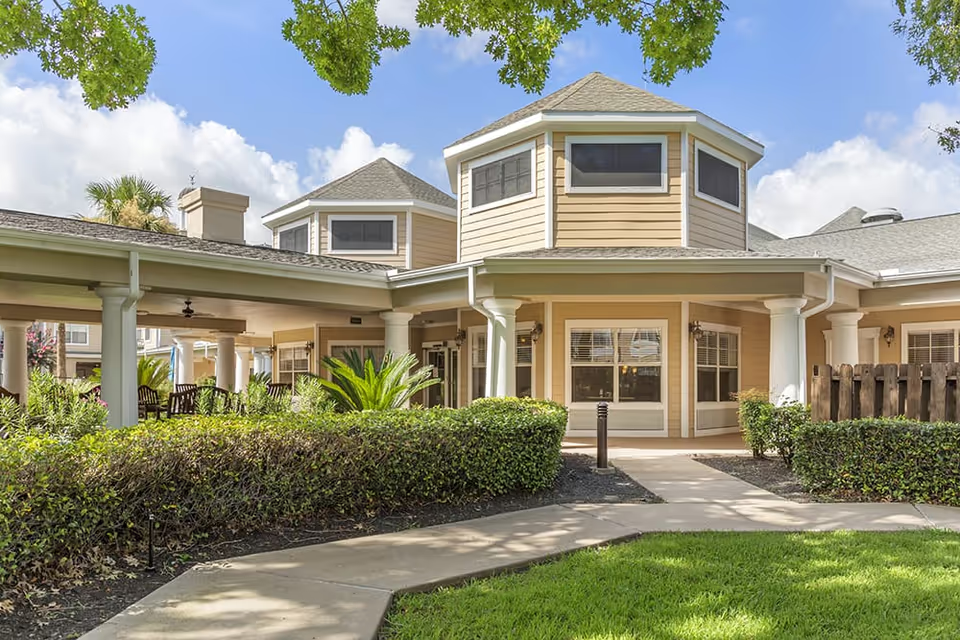
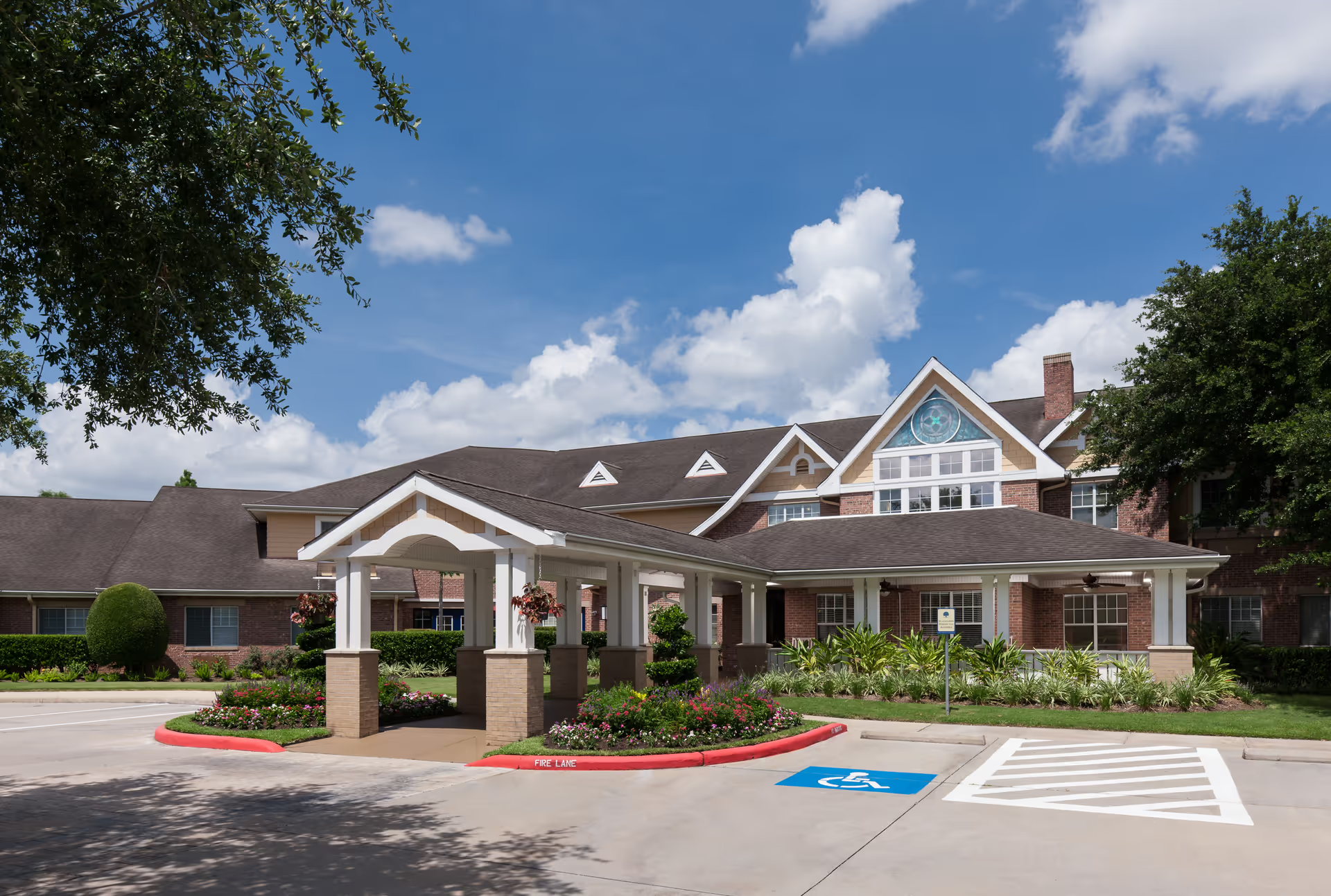
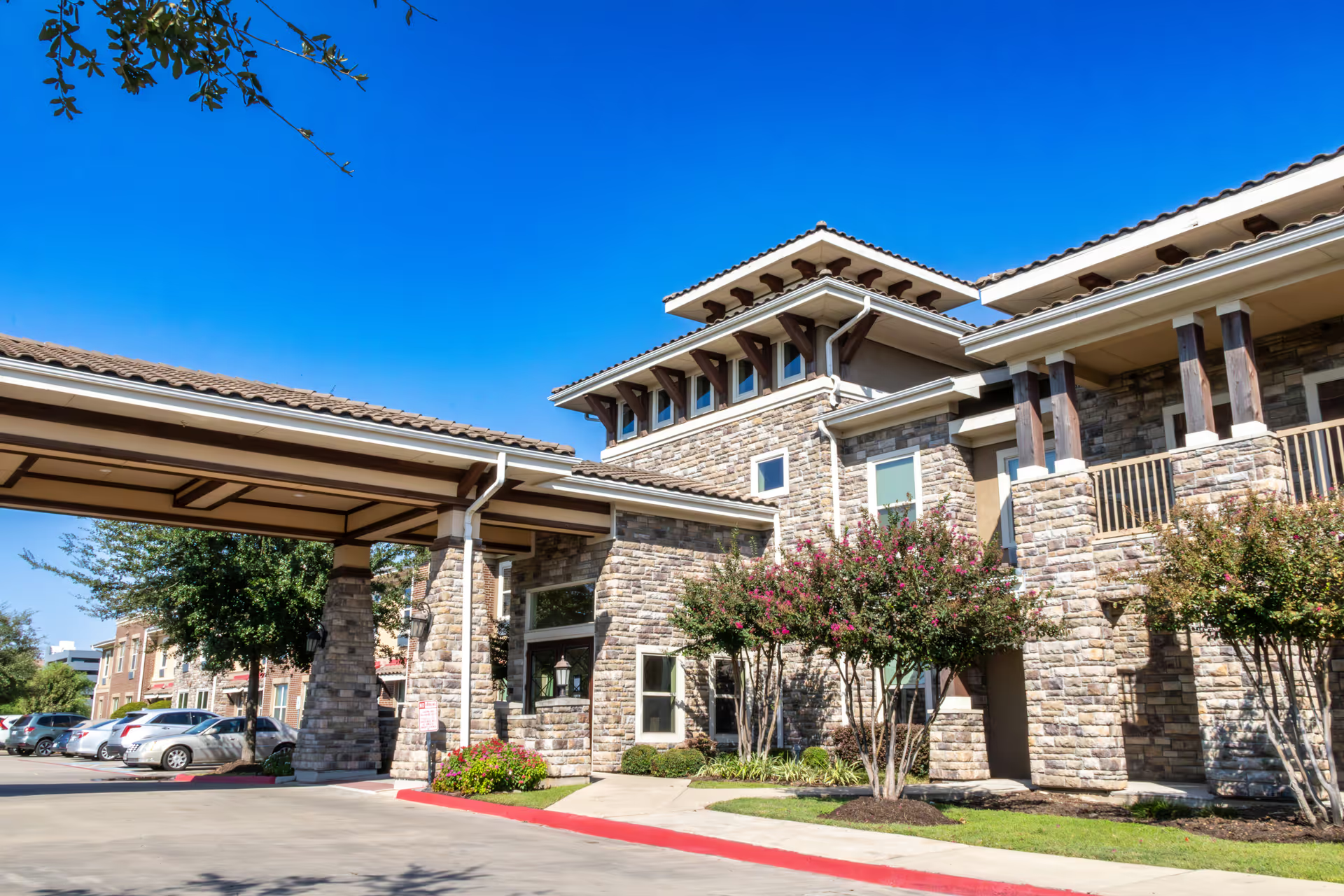
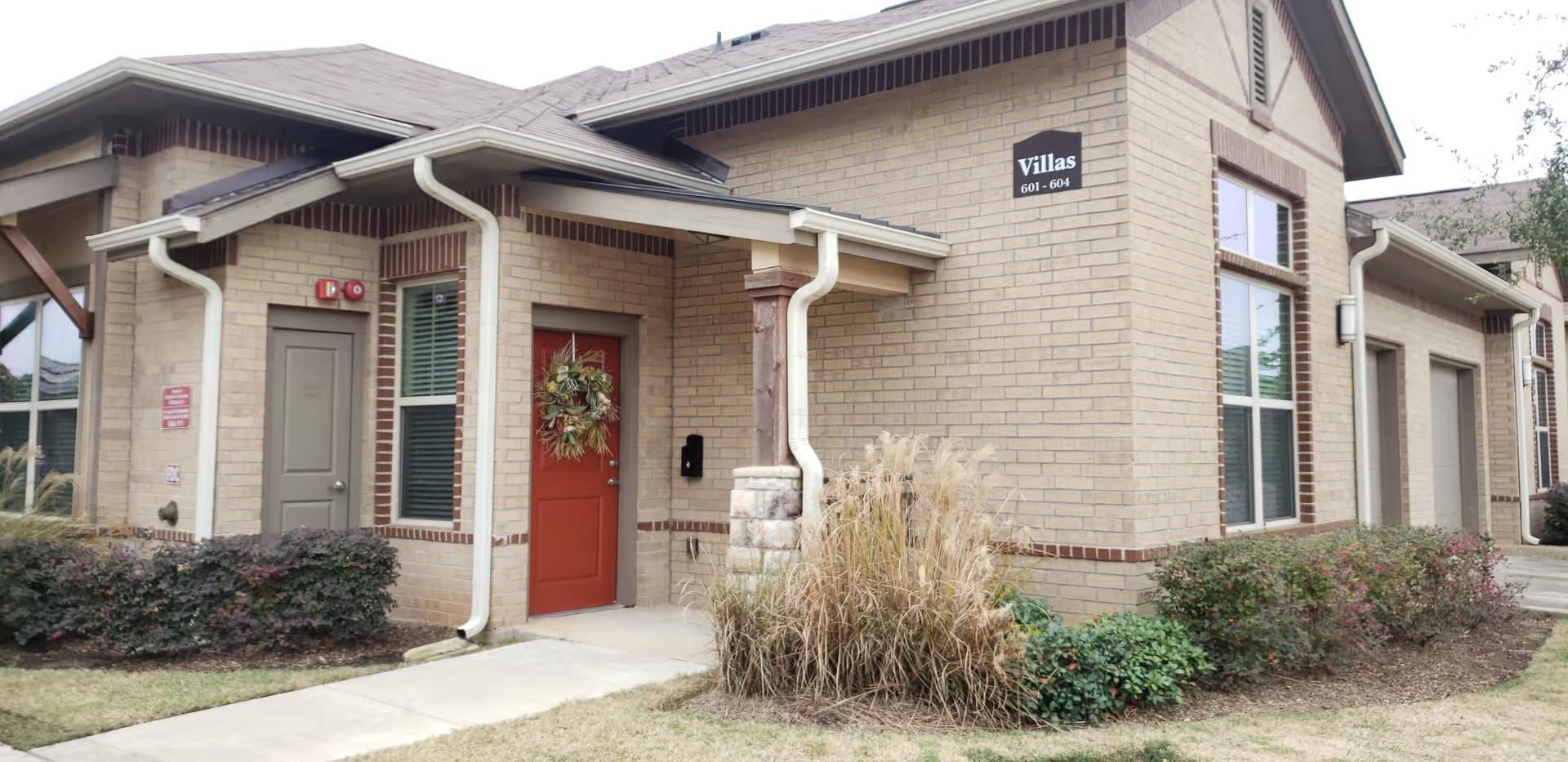
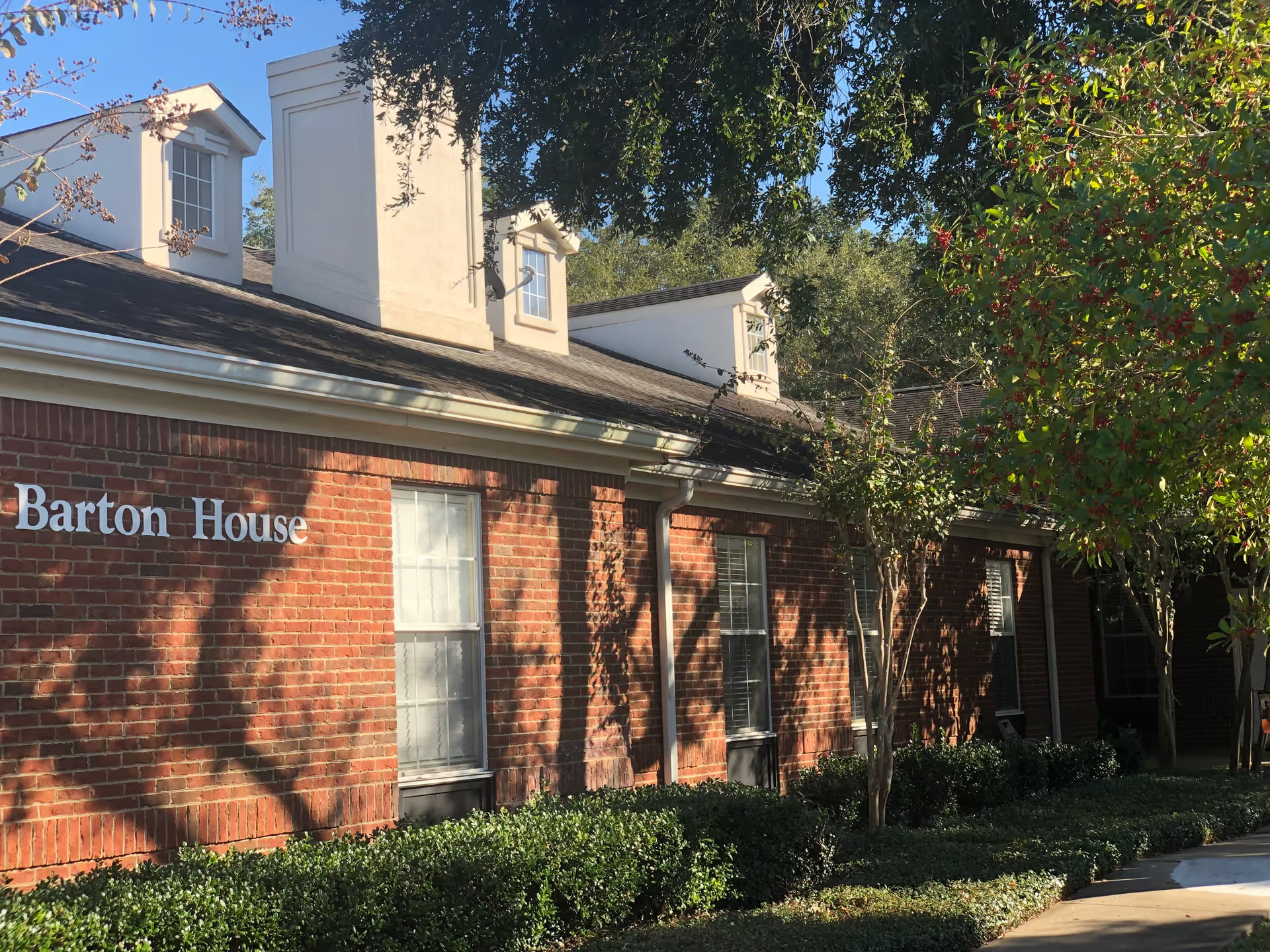
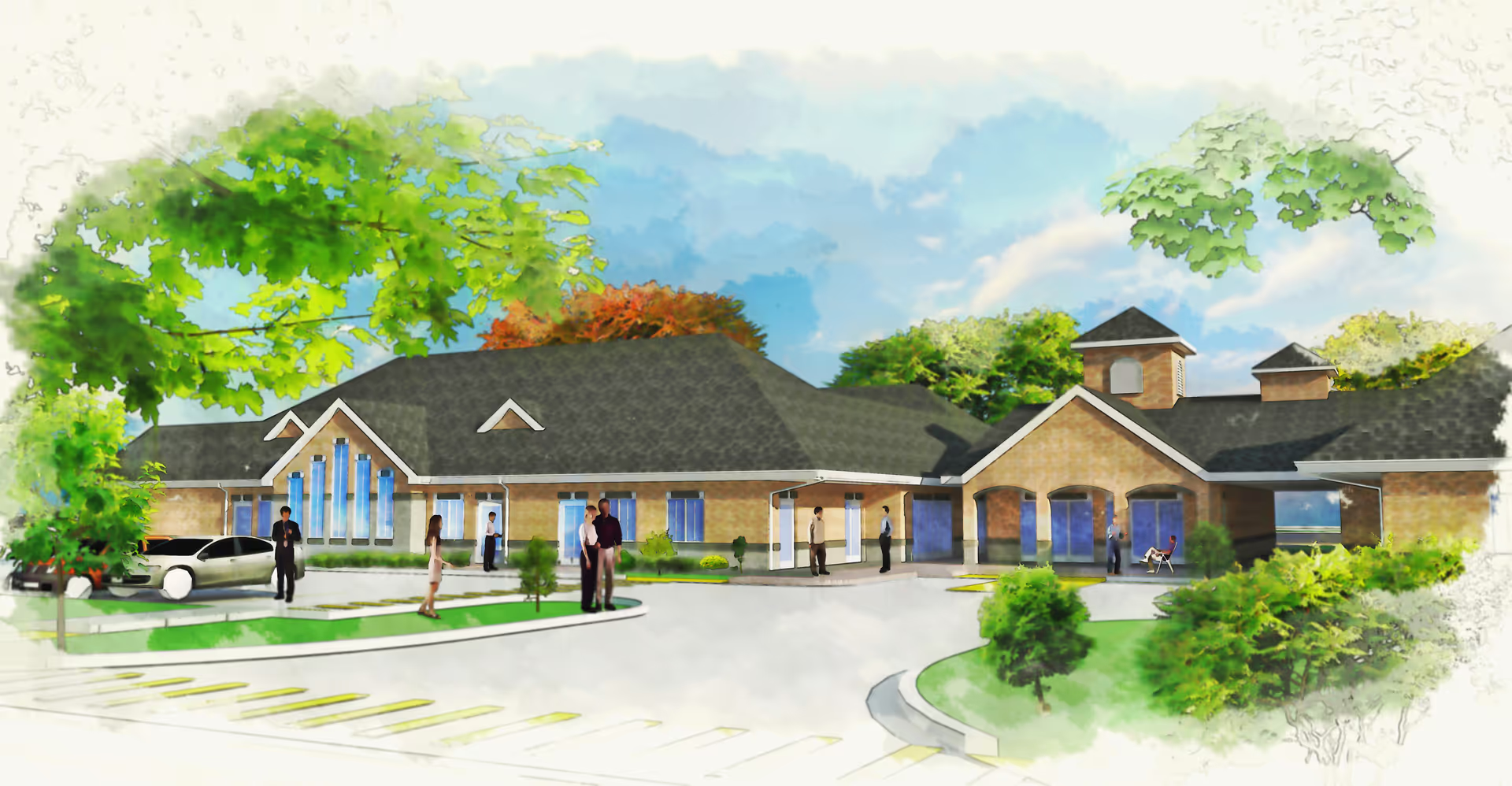
Overall impression: Reviews present a facility with strong physical assets and a highly positive daily experience for many residents. The building is new, well maintained and bright, with resort-style common areas (courtyards, bistro/snack bar, gym), spacious suites with kitchenettes, and on-site therapy. Cleanliness and upkeep are consistently highlighted, and many families describe a welcoming, family-like atmosphere that promotes resident engagement and comfort.
Care and staff: The dominant theme is compassionate, resident-centered staff who facilitate personalized interactions and rehabilitation gains; several accounts single out specific caregivers and therapy staff for positive impact. At the same time, reviewers regularly cite operational challenges: frequent staff turnover and staffing shortages create recurrent training needs and variability in day-to-day assignments. That variability is linked to longer-than-expected call-button response times and occasional gaps in clinical consistency. There are also specific reports raising concerns about medication-management and clinical follow-through; some reviews escalate to allegations of billing irregularities and missed medication administration. Prospective families should ask for current staffing ratios, call-response metrics, and clinical oversight procedures during a tour.
Dining and activities: Dining receives mixed-but-strong commentary. Many reviewers praise restaurant-style, made-to-order meals and fresh offerings; others note menu narrowing or poorer variety after culinary staffing changes. Activity programming is robust in assisted living with a wide range of social, spiritual, and recreational options (bingo, book club, live music, field trips, seasonal events). However, reviewers flag less consistent organization and stimulation in the memory-care unit and thinner coverage during weekends. If memory-care engagement is a priority, confirm the facility’s daily programming and staffing for that unit.
Facilities and safety: The facility’s physical environment and amenities are frequently praised: internal courtyards, bright common spaces, secure entry systems and cameras, and meticulous maintenance. At the same time, some reviewers report reliability issues with the front desk and telephone responsiveness, and isolated mentions of pest-control concerns near the dining area that merit clarification. Several reviews emphasize that the community is designed for assisted living and memory care rather than high-acuity skilled nursing; families should verify whether the facility can meet specific medical or skilled-nursing needs.
Management and patterns: Management presence and local ownership are cited positively by some families; others describe frequent leadership changes, inconsistent communication, and occasional disciplinary turnover. Cost and value impressions vary: some view pricing as reasonable for the amenity level, while others note price increases not clearly tied to service improvements. Recommended due diligence for prospective residents includes asking for explanations of the dining and chef continuity plan, a written summary of medication-safety protocols, examples of staffing continuity measures, and clarification of billing and credit dispute procedures.
Bottom line: The Village at Sugar Land offers a modern, clean, activity-rich environment with many families reporting high satisfaction with staff warmth and daily life. Operationally, the strongest recurrent risks are staffing turnover/shortages, inconsistent management communication, call-response delays, and some concerns around clinical consistency and billing transparency. Visitors should tour both assisted living and memory-care units, review current staffing and clinical oversight, and obtain written policies on response times, medication administration, billing, and pest control before deciding.