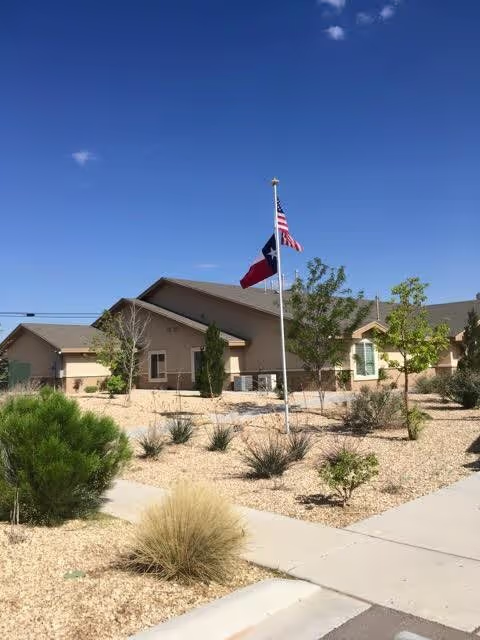
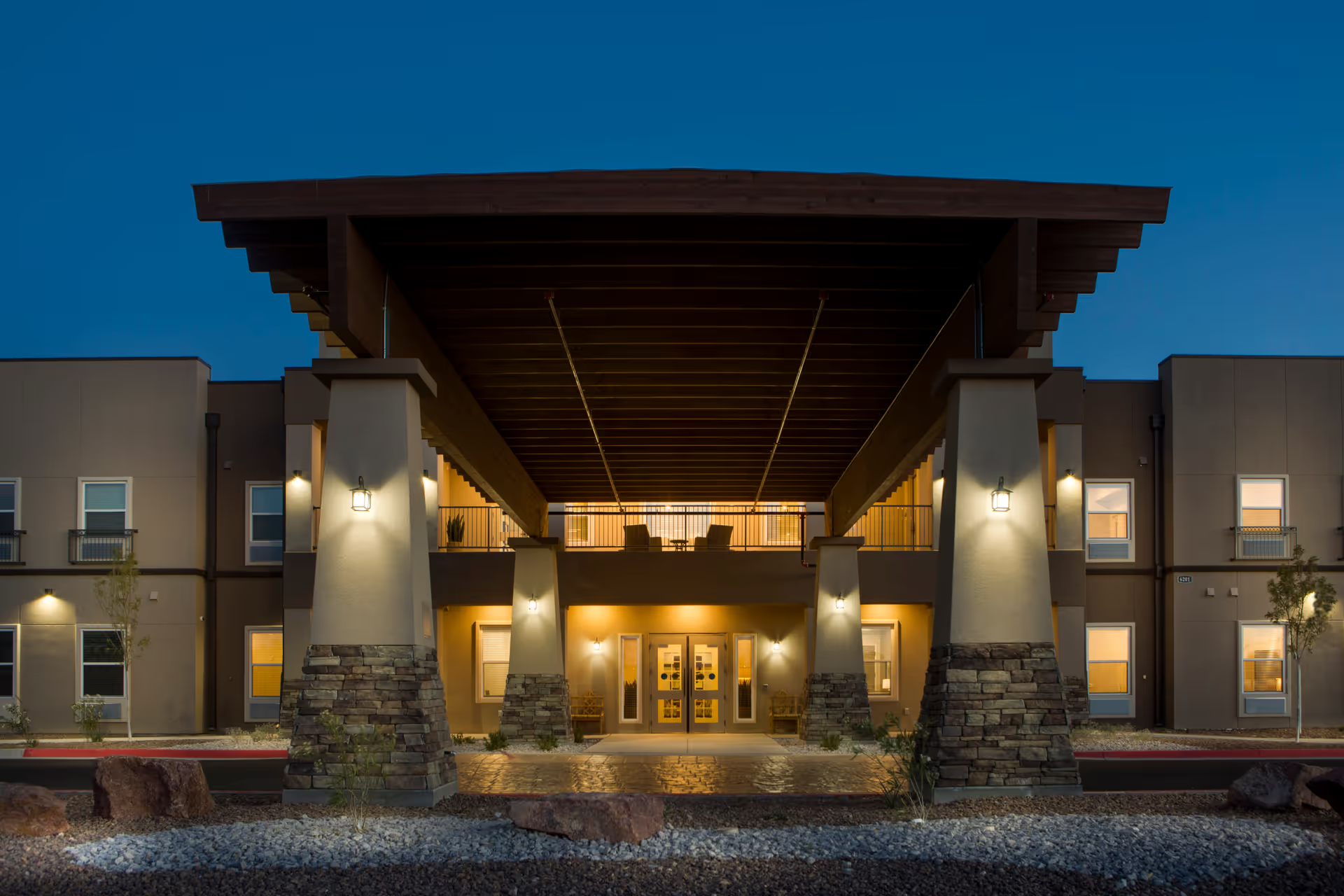
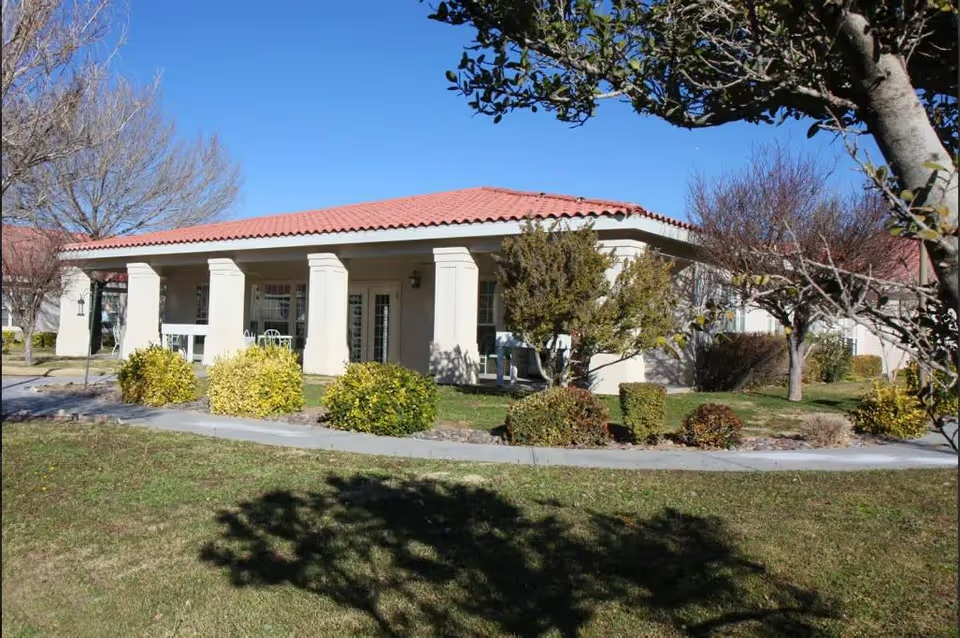
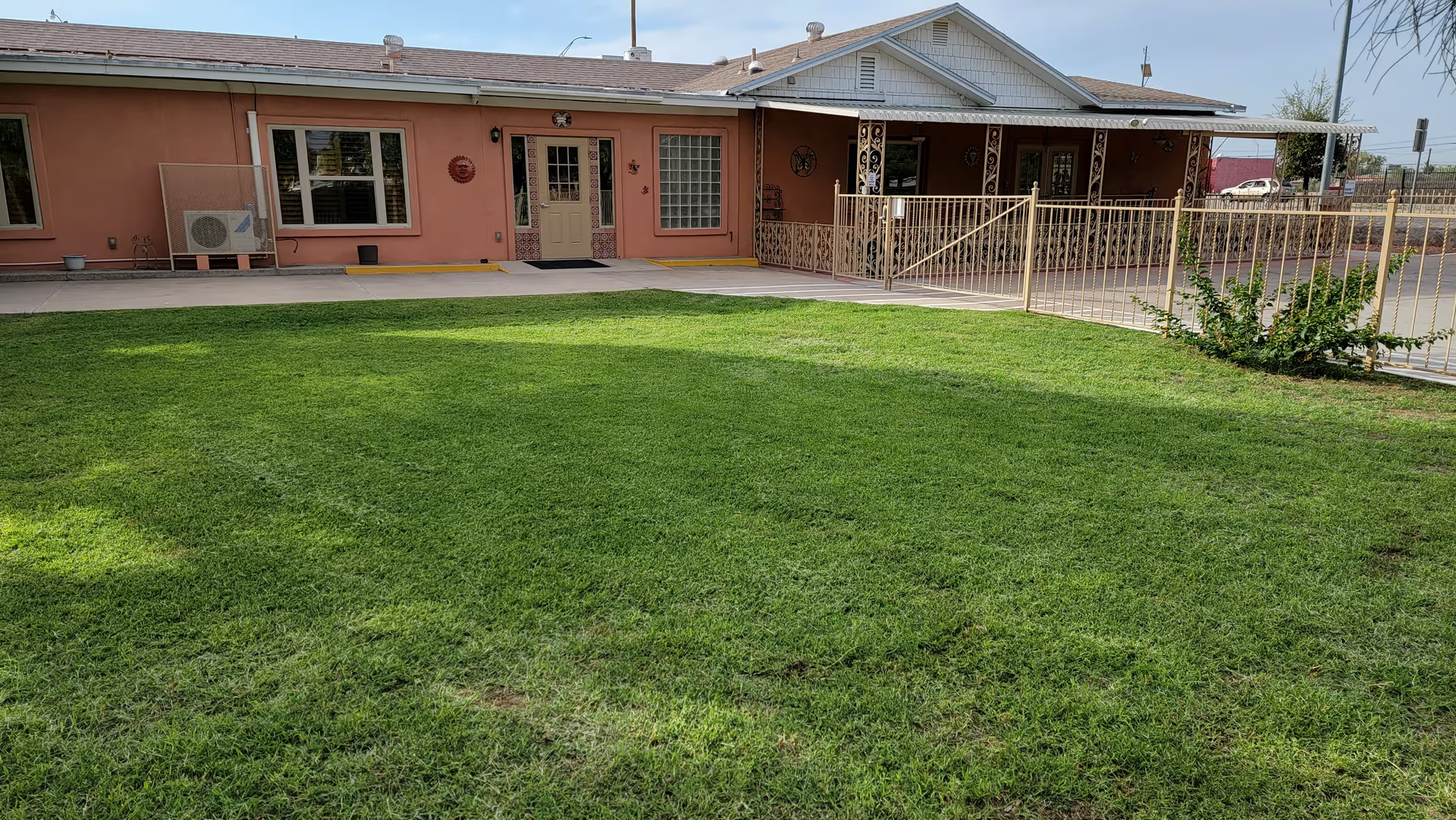
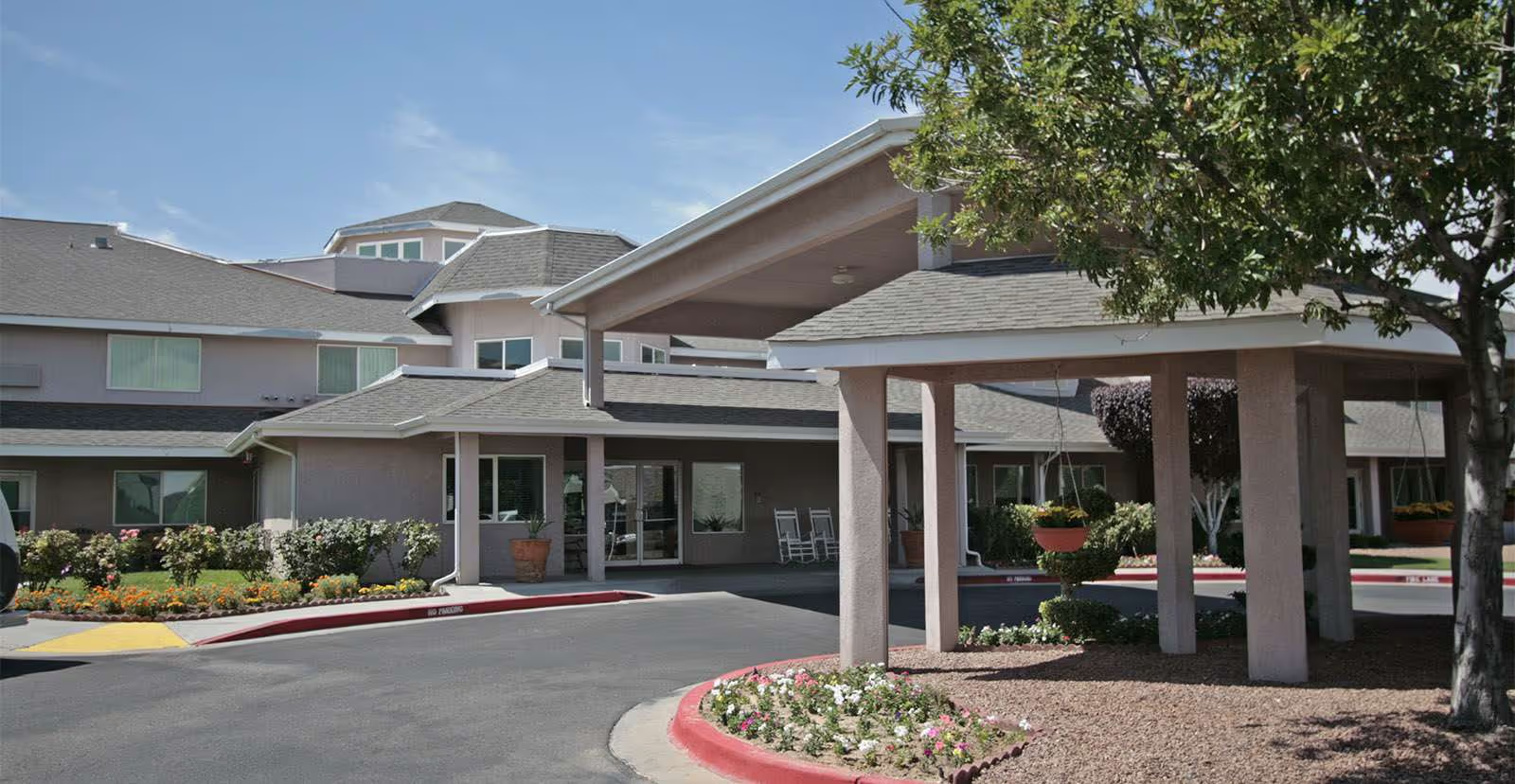
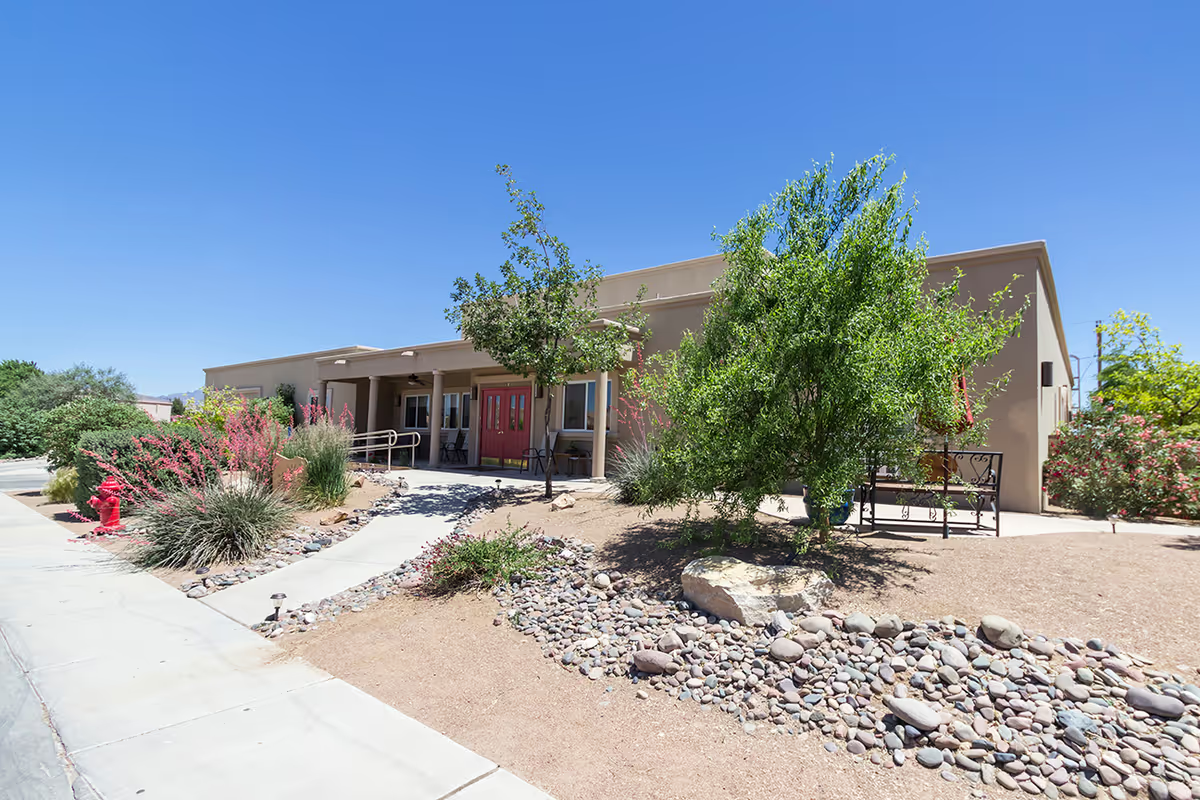
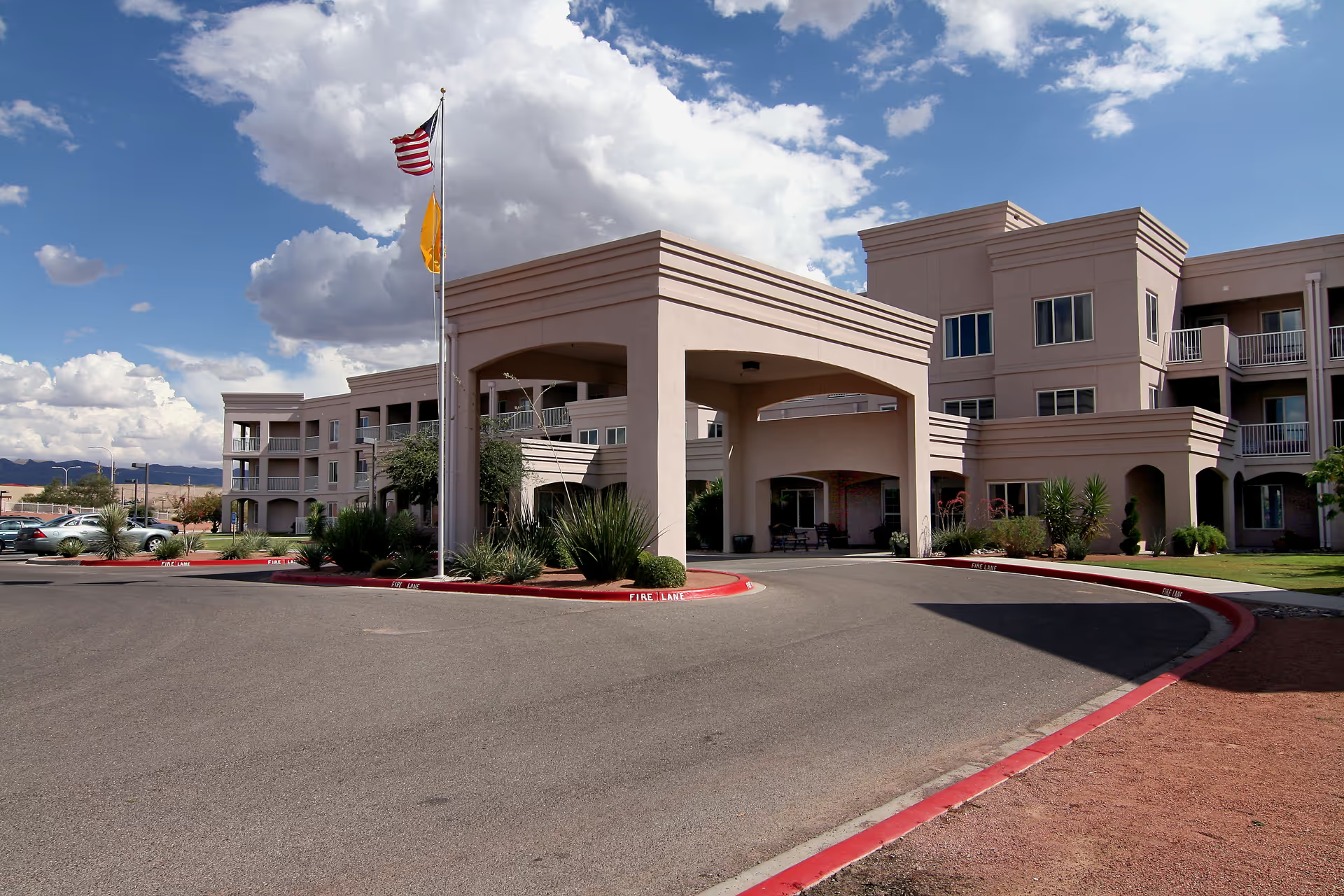
Ambrosio Guillen Texas State Veterans Home is described predominantly as a well-maintained, veteran-centered skilled nursing and rehabilitation campus with a strong emphasis on dignity and community. Reviewers consistently highlight a clean, modern physical plant, attractive grounds and an environment that feels homelike. Housekeeping, facility upkeep, and appearance are frequent strengths, and the campus design and secure check-in processes are viewed positively by families.
Clinical care and therapy services attract sustained praise. The memory-support unit and its staff are repeatedly cited as performing at a high level; nurses, CNAs, therapists and the medical team receive commendations for clinical competence, respectful interactions, medication management, and visible improvements in residents' physical and cognitive status. Regular physician rounds and coordinated rehabilitation programming (including physical and occupational therapy) underpin many families' reports of health and functional improvement. Personalized dietary and care plans and supportive social-work involvement are also noted as strengths.
Dining and activities are prominent positives. Many families and residents enjoy the meals, food variety and social dining opportunities; outings, bingo, movies, patio time and other daily activities are described as abundant and well run. The activities department, transportation services and volunteer engagement extend social opportunities and family-relief options. Community and commemorative events that honor veterans are a recurrent theme and contribute to the facility's sense of mission.
Staff culture is described as compassionate and professional overall. Multiple reviews name individual staff and leaders positively and single out directors and frontline employees for responsive, warm care. Staff training and a collegial workplace are mentioned, and several accounts describe the home as an excellent place to work. Volunteers and therapy-animal visits add to resident quality of life.
Noteworthy operational patterns and concerns appear alongside the largely favorable accounts. A minority of comments point to inconsistent staff responsiveness, occasional delays in assisting with mobility or mealtime needs, and episodes where staff appear busy or rushed. There are recurring observations about variable meal presentation and the need for clearer assistance during meals for some residents. Communication gaps have been noted in a few instances — for example, phone responsiveness and follow-up on family inquiries — and these appear as intermittent operational issues rather than uniform failures.
A significant pattern to probe during touring or admission is administrative policy around high-acuity dementia admissions. Some families encountered restrictive re-admission decisions or limits on accepting residents with complex medical needs; this suggests an admission-policy boundary that prospective families should clarify up front. Capacity constraints and room availability were also mentioned as a practical limitation in placing veterans who require care.
For prospective residents and family members: the facility generally provides high-quality, veteran-focused care with strong rehabilitation and memory-support services, a wide activities program, and a clean, well-run environment. When evaluating placement, ask specifically about admission criteria for high-acuity dementia care, staffing ratios by shift, procedures for mealtime assistance and hydration, and the primary channels for family communication (phone, nursing updates, social worker contacts). These targeted questions will help align expectations regarding responsiveness and bed availability while confirming the many strengths cited by current residents and families.