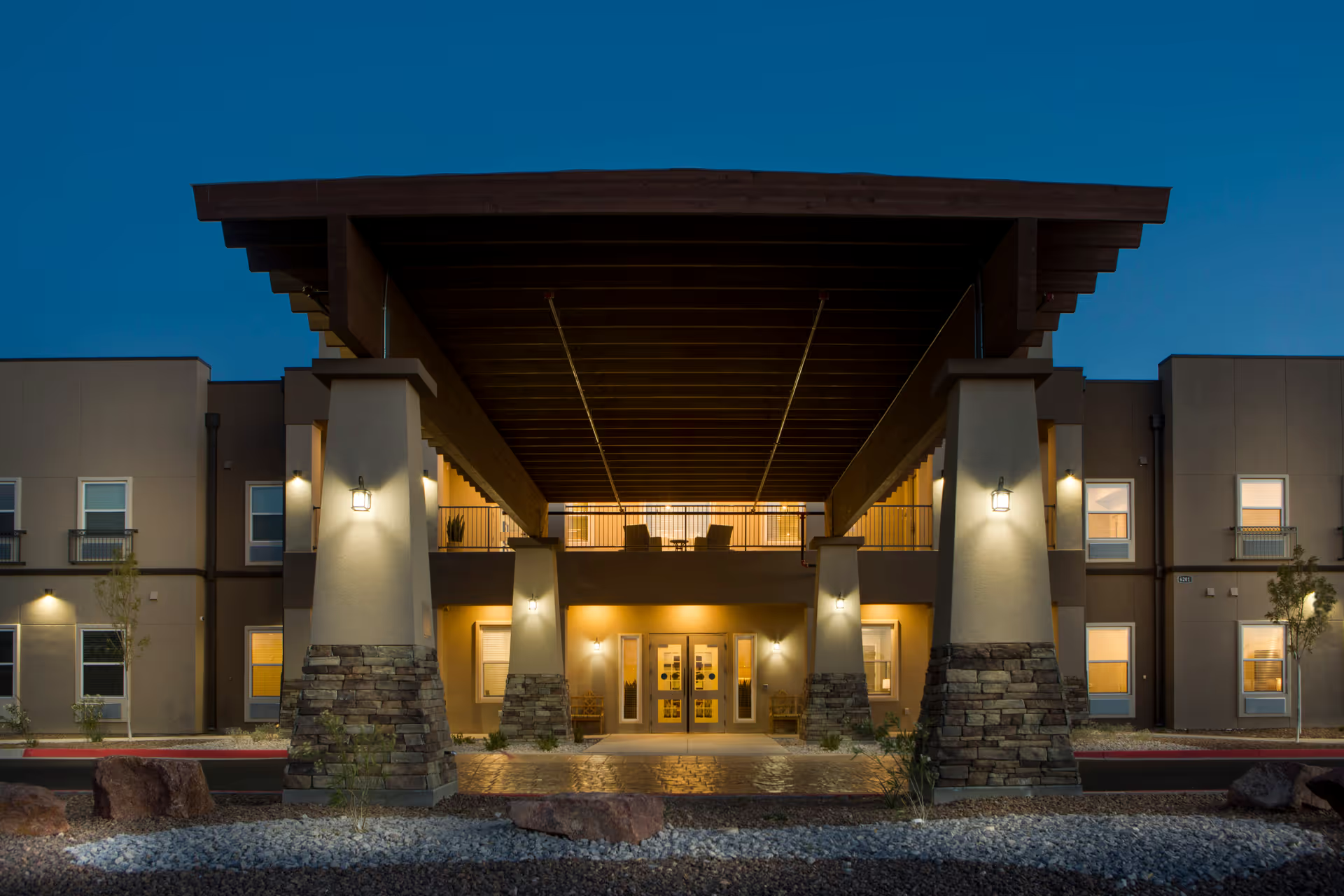
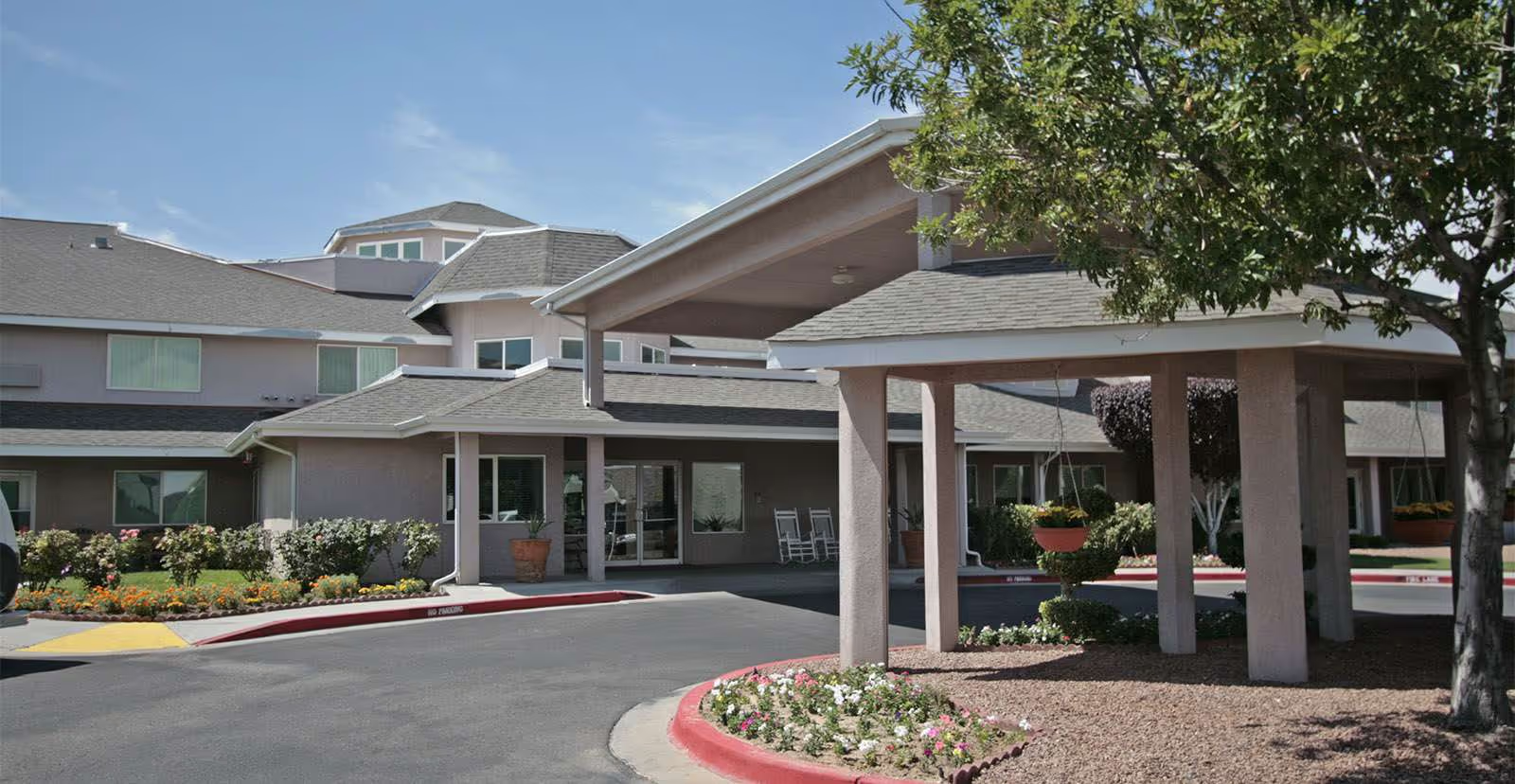
Reviewers present a mixed picture of Avir at El Paso. Many families praise the facility’s physical environment — an attractive, modern building with clean, well-maintained common areas and a well‑equipped rehab gym. The rehabilitation teams (physical, speech, occupational therapy) and several CNAs receive frequent positive mention for producing measurable progress and providing compassionate hands‑on care. Admissions, social‑work coordination, and some front‑desk staff are also described as helpful and communicative, which supports timely hospital-to‑facility transfers and smoother transitions for many residents.
Care-quality perceptions vary markedly. Positive comments describe attentive nursing assistants, effective wound care, and clear therapy goals; however, a contrasting set of reviews describes operational failures that affect clinical reliability. The most recurrent clinical concerns are inconsistent medication administration and documentation, gaps in physician availability, and delayed responses to assistance requests. Staffing patterns appear to be an underlying driver: reviewers cite chronic understaffing, high nurse caseloads, and limited night/weekend clinical coverage, which correlate with delayed assistance, missed medications, and inconsistent personal-care routines.
Dining, activities, and resident experience are similarly mixed. Several families compliment the activities program, chapel access, and the welcoming, family‑oriented atmosphere. Others note inconsistent meal quality and execution, with examples of poorly prepared or inadequate meals. While many residents are described as happy and engaged, room‑level concerns were raised about cleanliness and odors in specific units or rooms; these appear to be localized rather than universal but are significant to affected families.
Management and administrative patterns show strengths and weaknesses. On the positive side, some staff (social workers, marketing/placement personnel, and specific clinical leaders) are praised for clear communication and follow‑through. Conversely, reviewers reported inconsistent managerial responsiveness, documentation lapses (lost notes), uncoordinated room moves, and delays in financial reconciliations or refunds. There are also serious, individual-level allegations in the reviews — including claims of personal‑property loss and regulatory complaints — that families should consider when evaluating risk. Additionally, a few reviewers questioned the authenticity of online feedback, which suggests the need to corroborate current conditions through direct observation and up‑to‑date regulatory information.
Notable patterns for prospective residents and families: prioritize direct assessment of current staffing levels and nurse‑to‑resident ratios (including nights/weekends); request written medication‑administration protocols and recent error/incident logs; inspect resident rooms for cleanliness and odor during a visit; ask for a sample therapy schedule and documentation of session duration; and confirm procedures for safeguarding personal property and handling refunds. The facility shows clear strengths in rehabilitation services and compassionate aides, but persistent operational issues — particularly staffing, medication management, and management responsiveness — merit careful verification before placement.