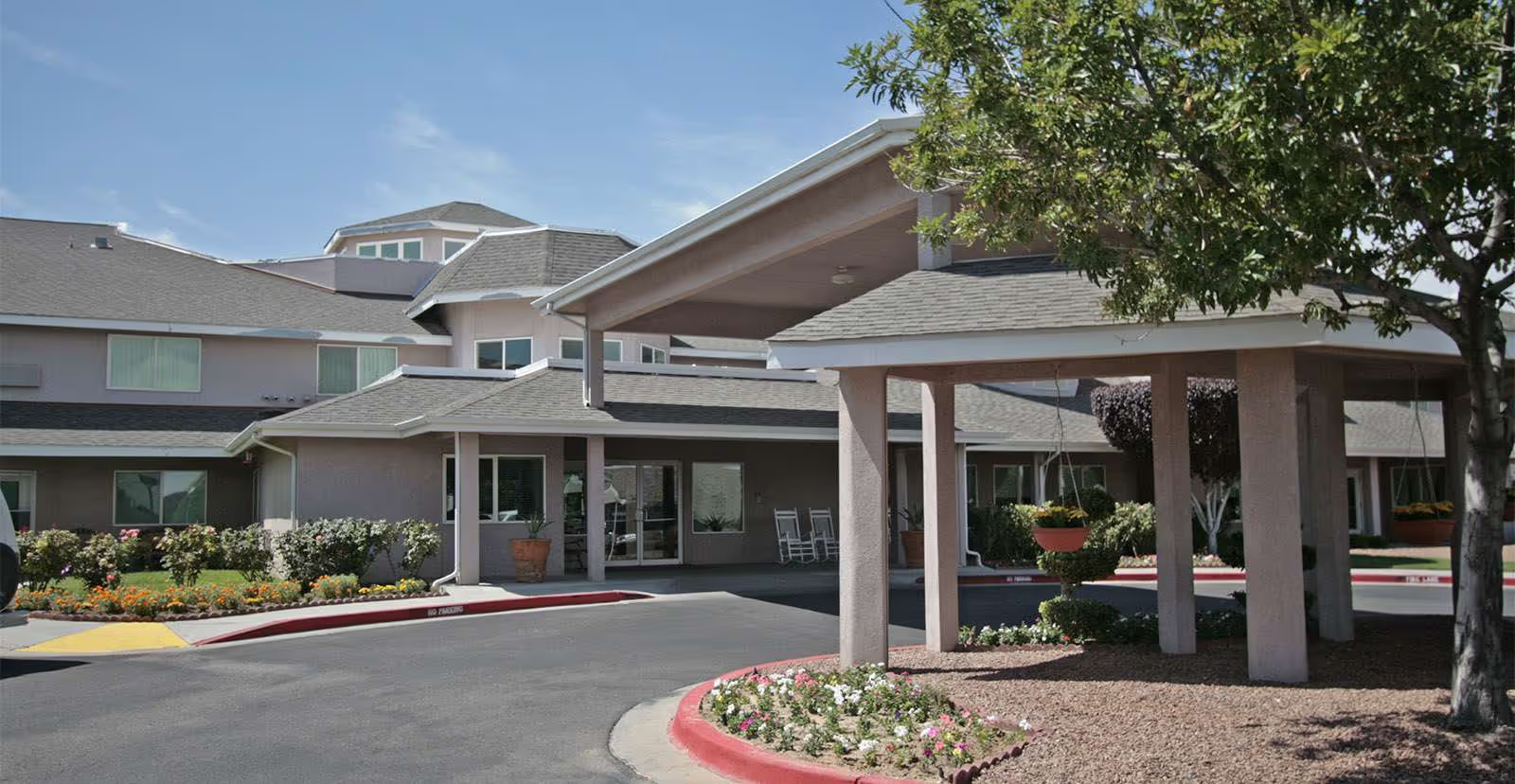
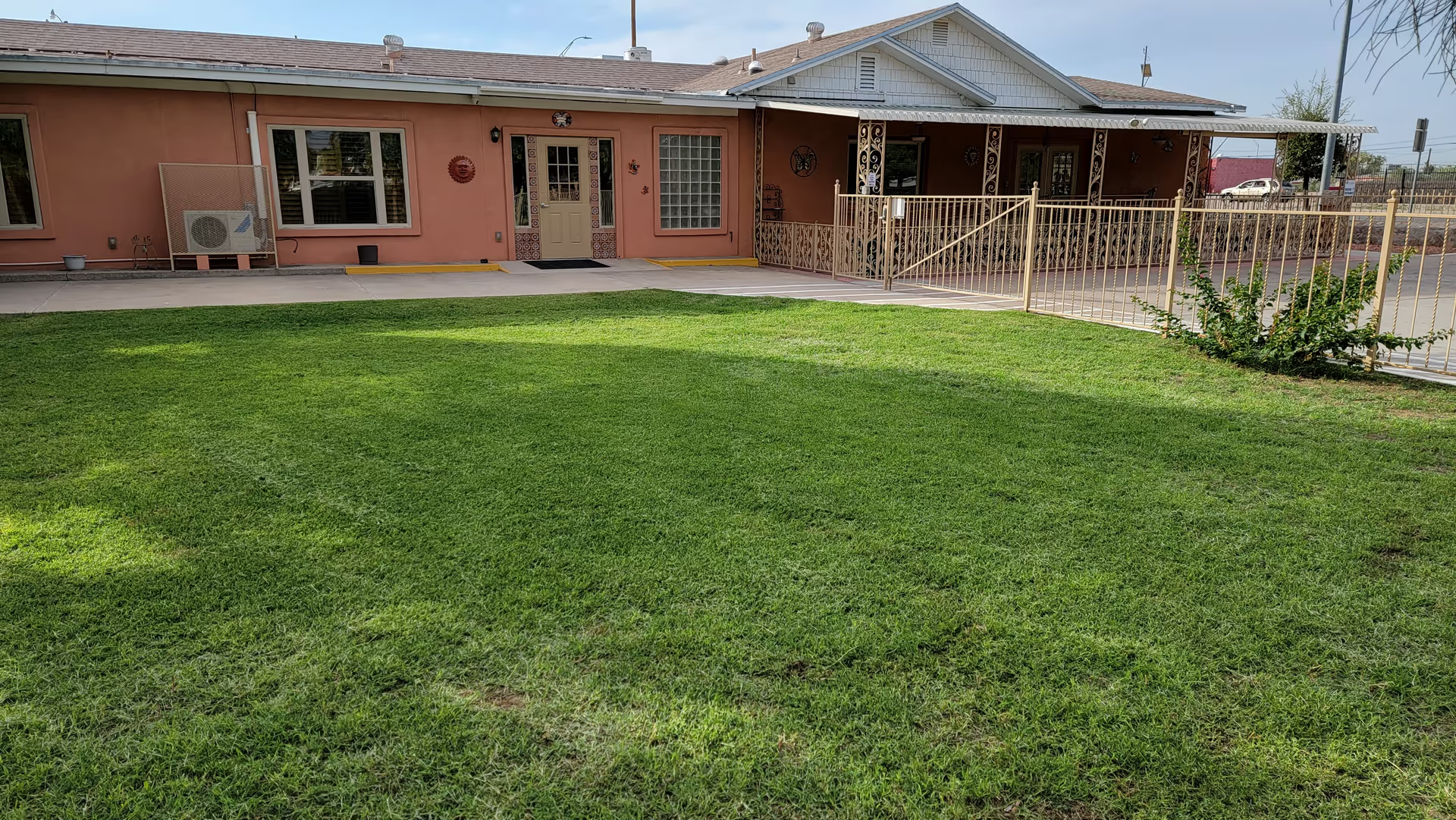
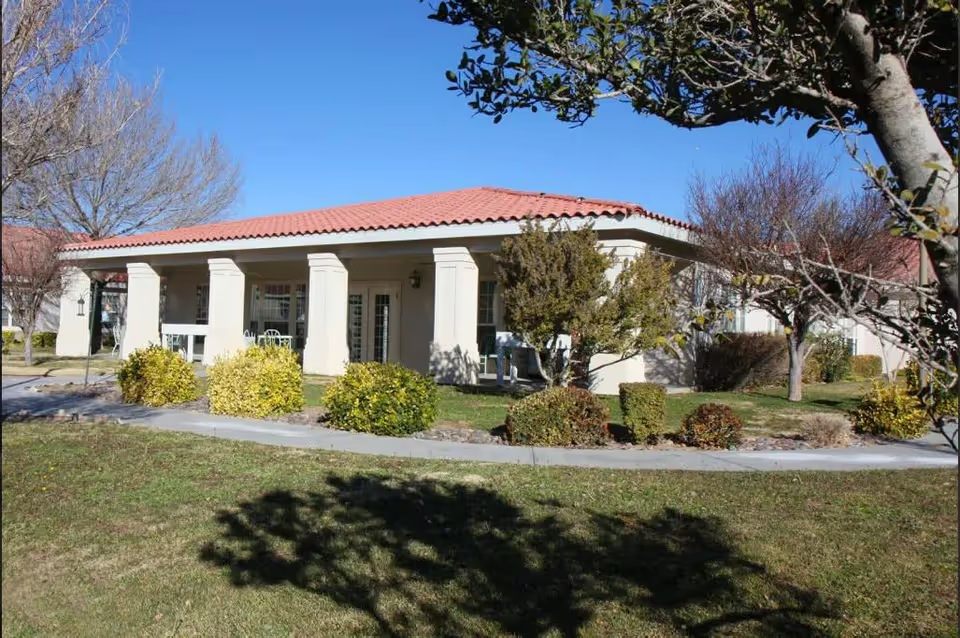
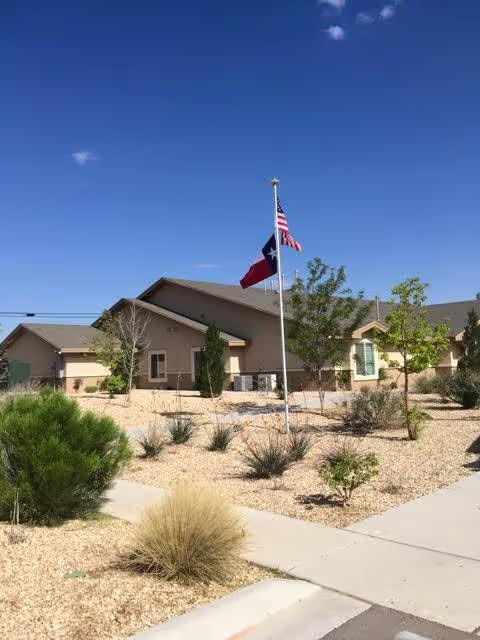
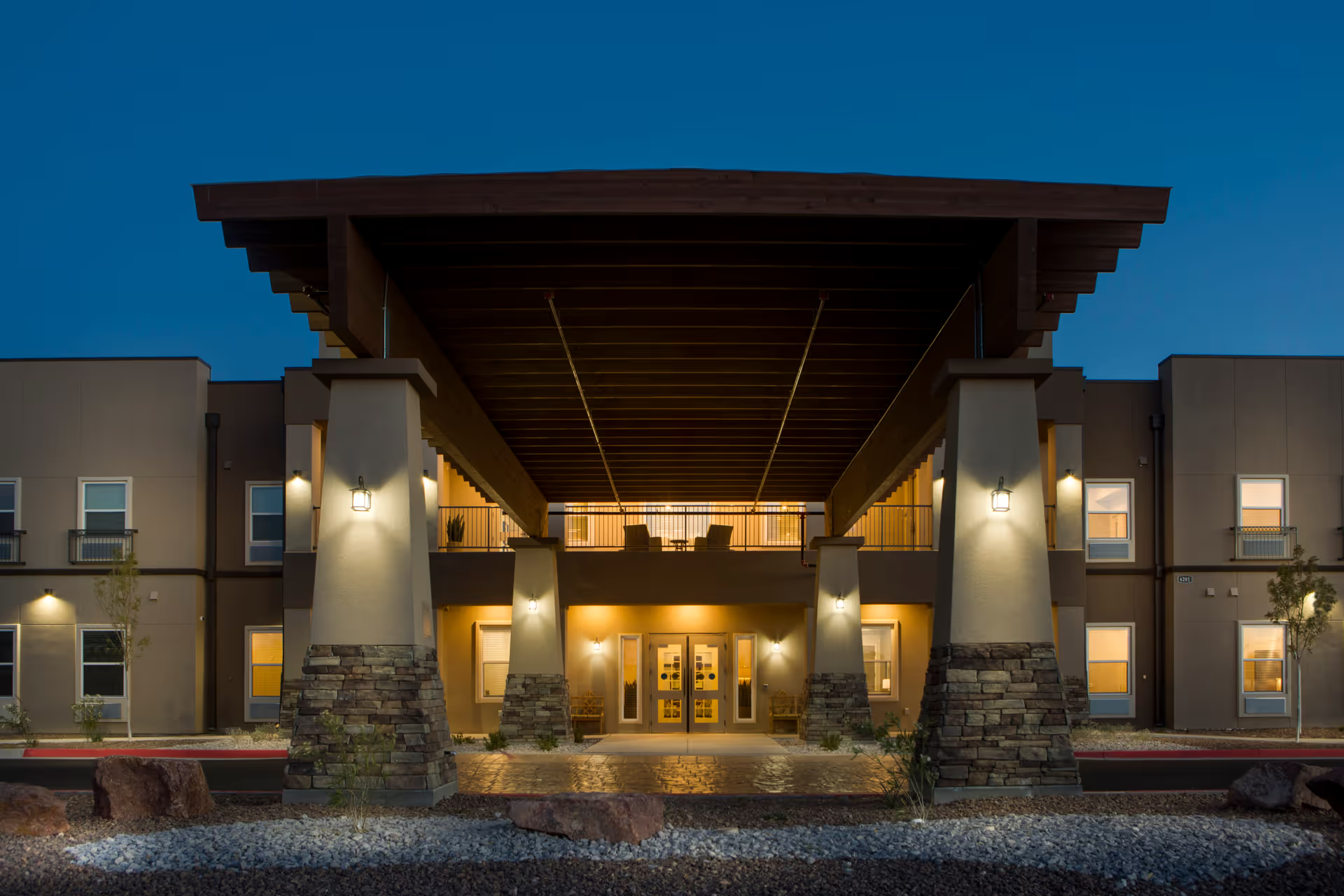
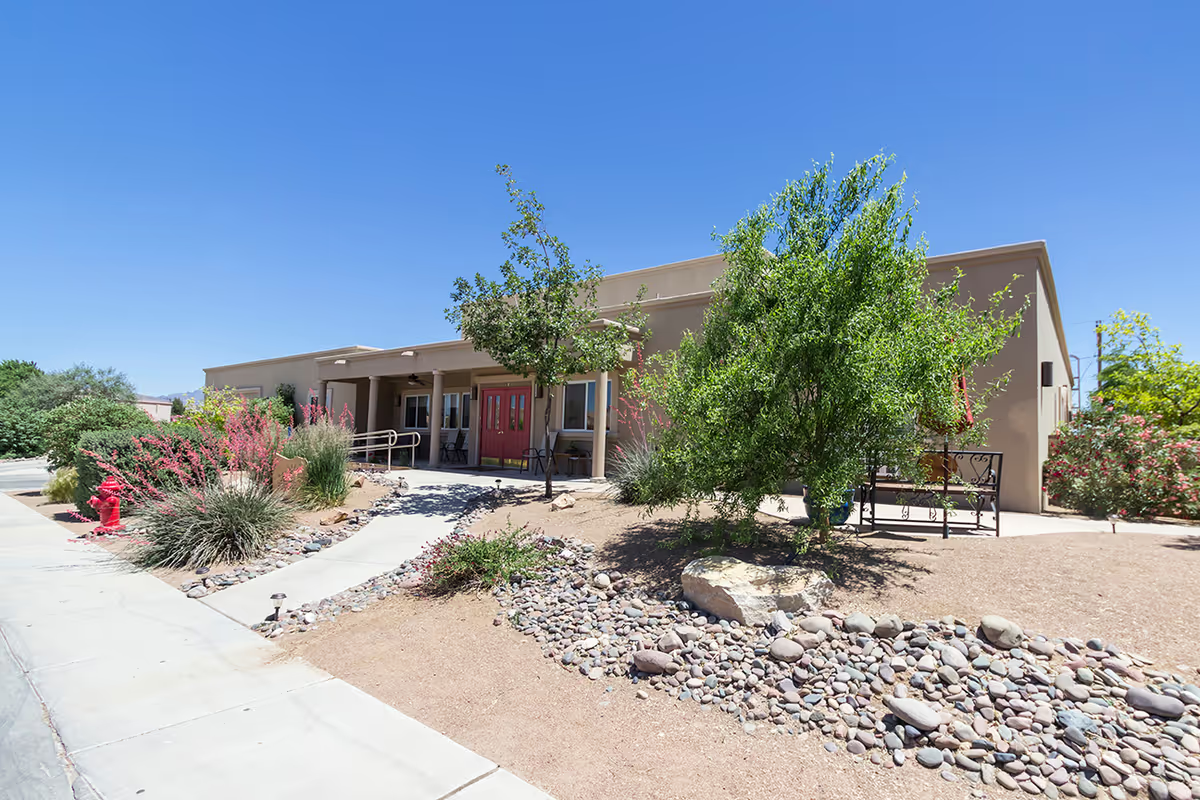
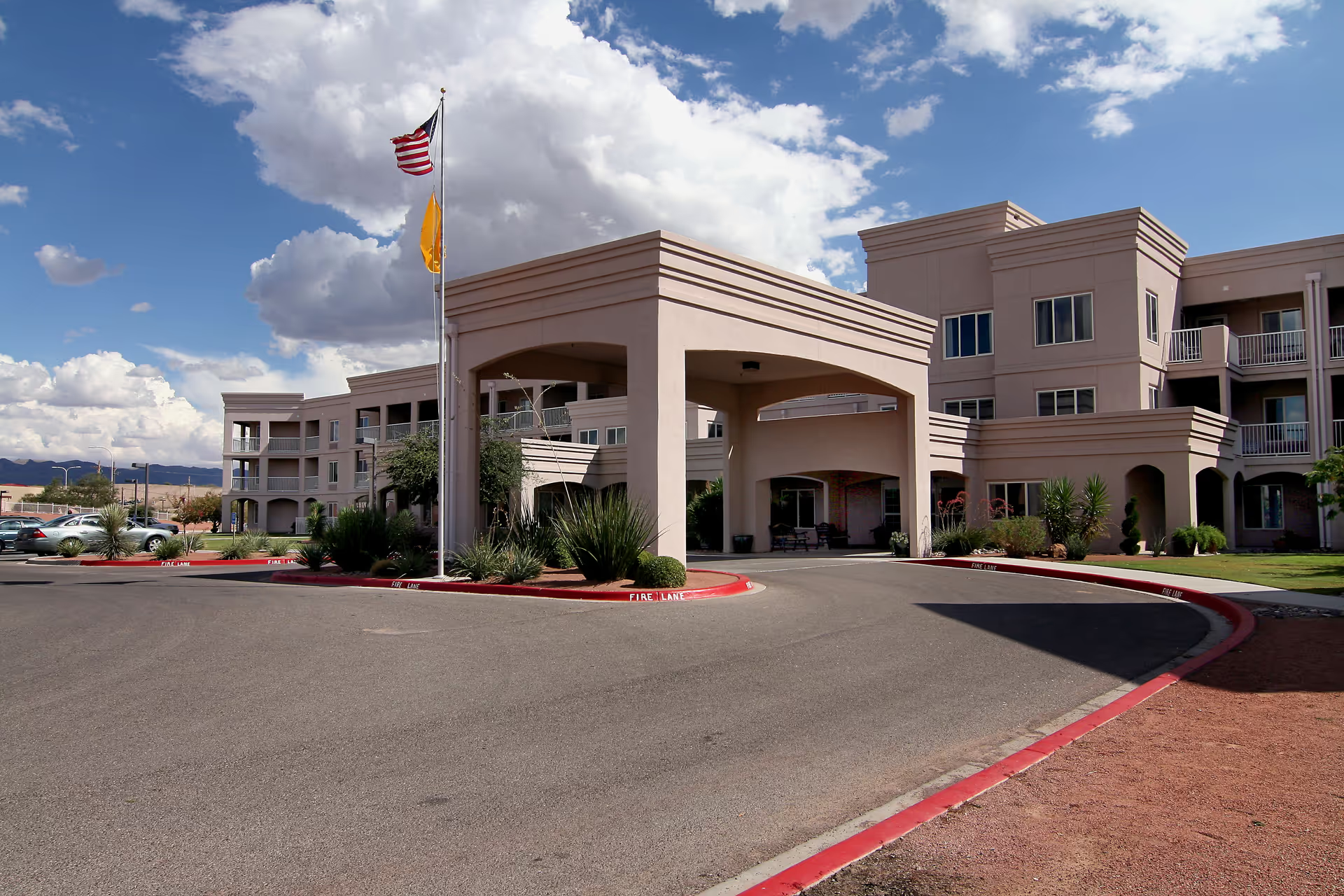
Avir at Tierra Este presents as a modern, well-appointed skilled nursing facility with many tangible strengths alongside notable operational weaknesses. The physical plant is consistently described as new, spotless, and attractive; reviewers highlight spacious rooms, multiple common areas (dining rooms, private gathering rooms, craft rooms, and a chapel), and amenities such as in-house laundry. Admissions and front-desk staff receive frequent praise for efficiency and warmth, and several families singled out specific staff members for proactive assistance during intake and transitions.
Clinical and daily-care experiences are mixed. Physical and occupational therapy are repeatedly praised for effective rehabilitation outcomes and attentive therapy staff. Dining is a clear strength for many families — reviewers describe restaurant-quality breakfasts, accommodating dietary modifications (including gluten-free options), and an engaged dietary manager. Activity programming and social engagement also receive positive comments, with an active activity director and a variety of recreational options noted.
However, an important pattern in the reviews concerns operational consistency. Multiple reviews describe short staffing or variable staffing levels that correlate with delays in responding to call lights, slower assistance with toileting and meals, and uneven availability of staff on certain shifts or weekends. Related clinical concerns include inconsistent wound and catheter care practices, incontinence-care concerns, and instances indicating gaps in medication and oxygen management protocols. Several families reported falls and expressed concern about fall-prevention practices and supervision during high-risk periods.
Communication and management responsiveness emerge as another recurrent theme. While some families experienced prompt administrative follow-up and empathetic leadership, others described delayed or unsatisfactory responses to clinical incidents, inconsistent enforcement of policies, and unexpected administrative actions (for example, insurance or admission-policy changes). Privacy limitations in semi-private rooms (curtain divisions rather than doors) and limited availability of private rooms with en-suite bathrooms were also noted as persistent constraints.
Overall, the facility appears to deliver strong rehabilitation services, appealing dining, clean and comfortable surroundings, and many compassionate caregivers. At the same time, systemic weaknesses—primarily staffing consistency, clinical-process reliability (wound/catheter/incontinence care, medication/oxygen handling), fall-prevention practices, and variable management follow-through—are documented across reviews and merit careful inquiry. Prospective residents and families would benefit from asking facility leadership about current staffing ratios, night-time supervision protocols, fall-prevention and catheter/wound-care procedures, policies for family communication after incidents, and the availability of private rooms prior to placement.