The review set for Franklin Heights Nursing and Rehab Center is highly polarized: many families and some clinical visitors praise the facility’s rehabilitation outcomes, therapy teams, and a core of compassionate caregivers, while other accounts raise consistent operational and clinical concerns. Strengths commonly cited include a capable rehab program that produces measurable mobility gains, an active activities calendar, and social work staff who assist with financial and admissions logistics. Front‑desk personnel and certain supervisors are frequently described as welcoming and helpful, and maintenance staff receive positive notes for prompt repairs.
Care quality shows a mixed picture. Positive reports highlight attentive nurses, skilled CNAs, and therapy staff who deliver meaningful improvement for post‑surgical and long‑term residents. Conversely, a sizeable number of accounts describe delayed responses to call lights, inconsistent medication administration, and lapses in clinical monitoring—issues that families link to transfers to higher‑level care. There are multiple references to inconsistent weekend and overnight coverage; this appears to concentrate clinical risk during off‑peak hours. Reviewers also raised serious clinical incident concerns, including delayed treatments and events that prompted hospital transfers or end‑of‑life questions.
Staff and workplace culture are similarly divided. Numerous reviews praise individual caregivers, activity directors, and social workers for going above and beyond; these staff members are often singled out by name. At the same time, recurring themes include high workloads, double shifts, variability in staff skill and conduct, and concerns about responsiveness and communication tone toward residents. These operational constraints are described as contributing to uneven care experiences between shifts and units.
Dining and activities are generally a strength for many residents: the activities program is described as engaging and family‑inclusive, and several families note good meals that meet diet needs. However, others describe inconsistent food quality and rushed meal service at times. The therapy/rehab unit receives repeated praise relative to other parts of the facility, suggesting differential resourcing or leadership that yields better outcomes in that area.
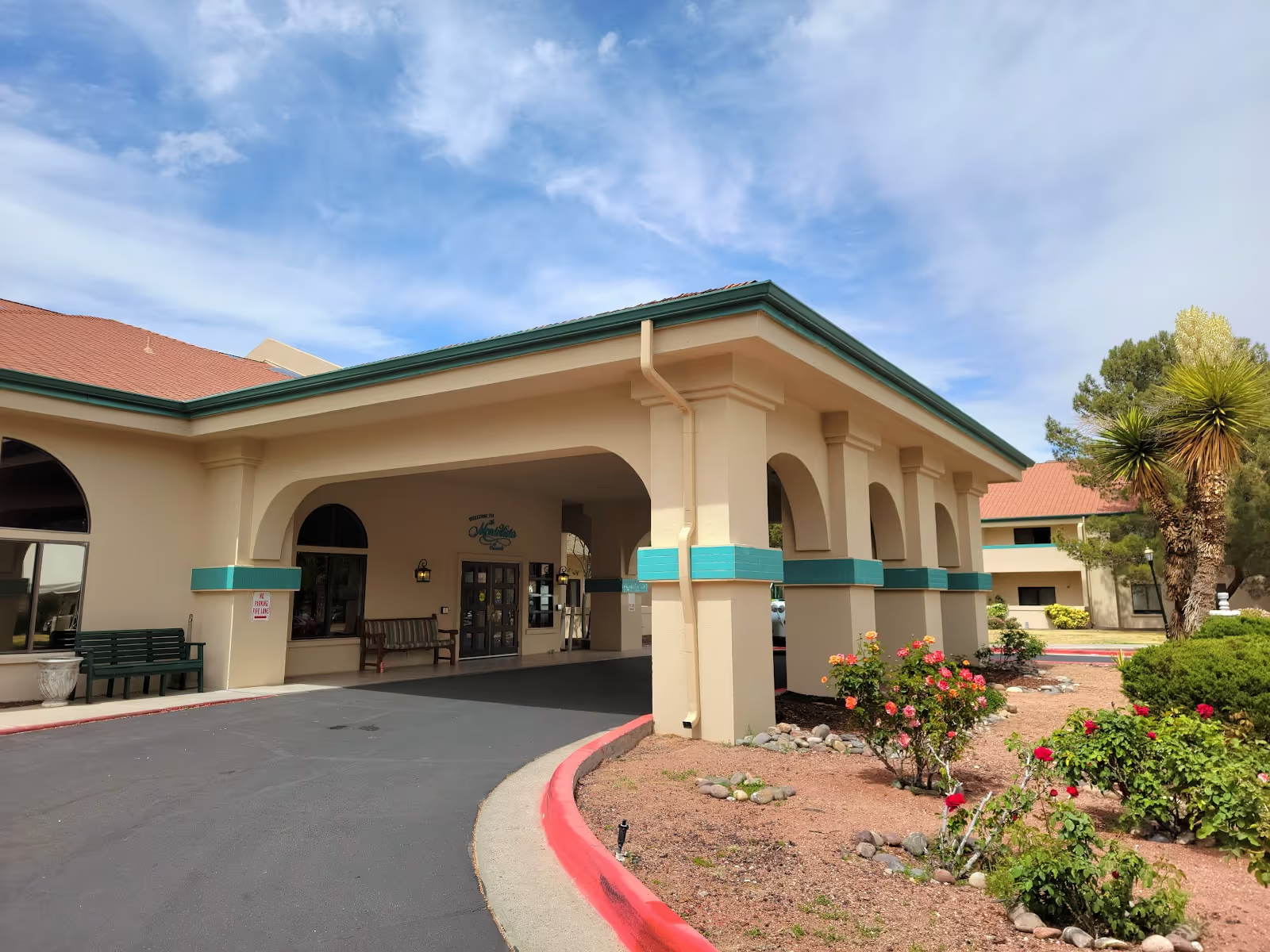
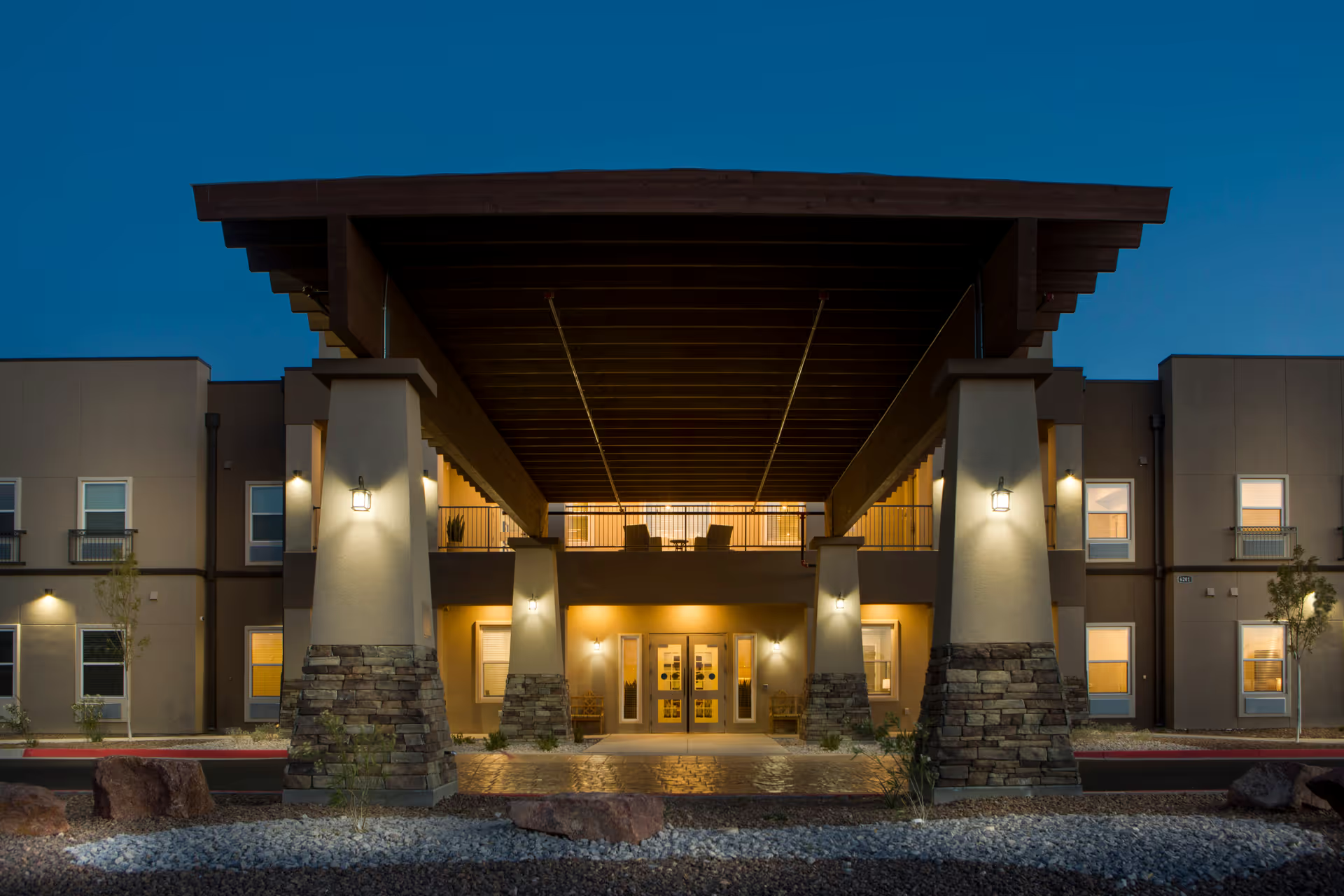
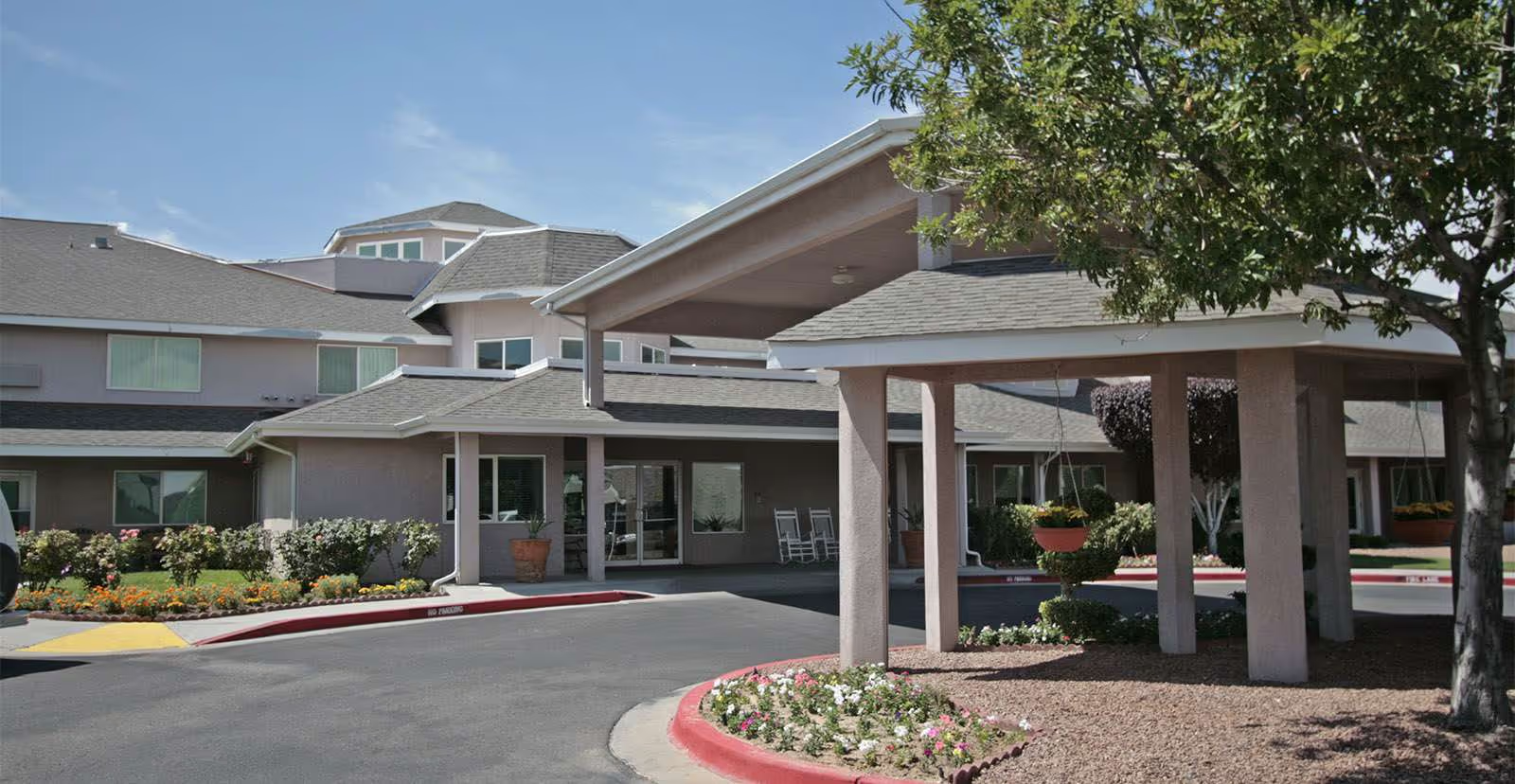
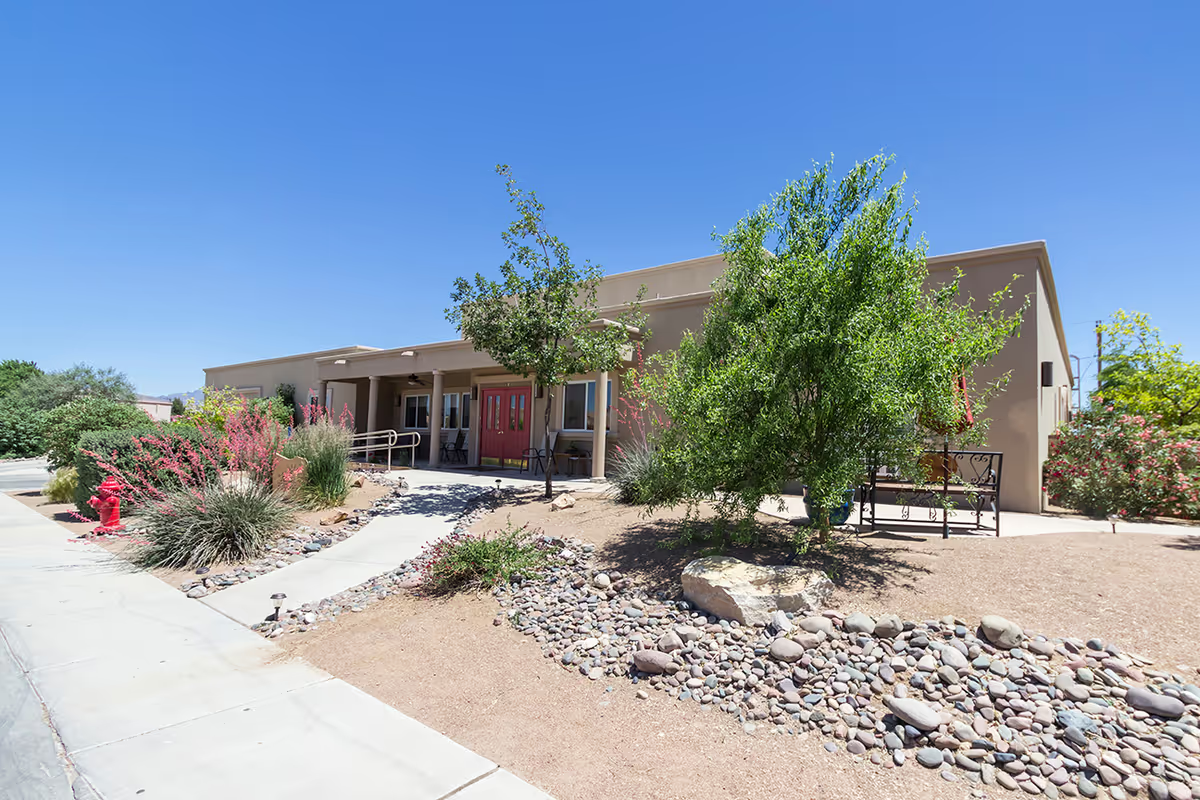
Facility condition and sanitation are frequent concerns. Reviewers describe an aging building with institutional decor, small or shared rooms, and areas with odor and cleanliness issues; these comments indicate the physical plant requires ongoing maintenance and aesthetic investment. There are also mentions of pest‑control concerns and incontinence‑care delays in some units, which contribute to family unease about the environment. Several comments describe safety and transfer‑practice gaps related to room setup and bed/rail configurations.
Management, communication, and asset controls draw repeated criticism. Families reported inconsistent follow‑up on complaints, difficulty accessing management or social work on weekends, and concerns about handling of personal items and resident funds; there are isolated allegations of theft and financial irregularities. While some administrators and business office staff are credited with proactive follow‑up, others are described as unresponsive, particularly around discharge planning and reimbursement issues.
Taken together, Franklin Heights appears to deliver notable strengths—particularly in rehabilitation, certain clinical staff, and activities—while also exhibiting systemic operational weaknesses that affect safety perception and consistency of care. Prospective residents and families should weigh the facility’s strong therapy and activity offerings against the variability in staffing, physical plant condition, and communication practices. When considering placement, ask for recent staffing ratios, weekend clinical coverage plans, infection‑control and pest‑control records, medication‑administration protocols, and examples of how management addresses family complaints and property‑security measures.