Mountain View Health and Rehabilitation elicits strongly mixed impressions: many families and residents praise the frontline staff, therapy programs, and social environment, while other accounts describe significant and sometimes serious clinical and operational lapses. The facility appears capable of excellent short-term rehabilitation outcomes and attentive bedside nursing in numerous cases, but there are recurring narratives that point to inconsistent performance across departments.
Care quality and staffing show a broad range. Positive feedback emphasizes attentive CNAs and nurses, compassionate bedside manner, effective physical therapy that aided recovery and mobility, and helpful RNs and case managers who assist with insurance and discharge planning. Conversely, other narratives describe delayed recognition of clinical deterioration, concerns about medication and wound care oversight, and incontinence-care delays. A number of reviews highlight variable staffing levels and turnover that appear to affect response times to call buttons and bedside needs. There are also isolated but serious accounts that have prompted regulatory attention; these are best explored further through official inspection records.
Dining and activities are consistently cited as strengths when operations go well: nutritious, well-received meals (including diabetic options), daily snacks, special event meals, and a variety of social programs such as group activities and weekly services. That said, there are intermittent complaints about cafeteria mistakes and inconsistent meal-service execution, suggesting that dietary accommodations are usually handled well but not uniformly so.
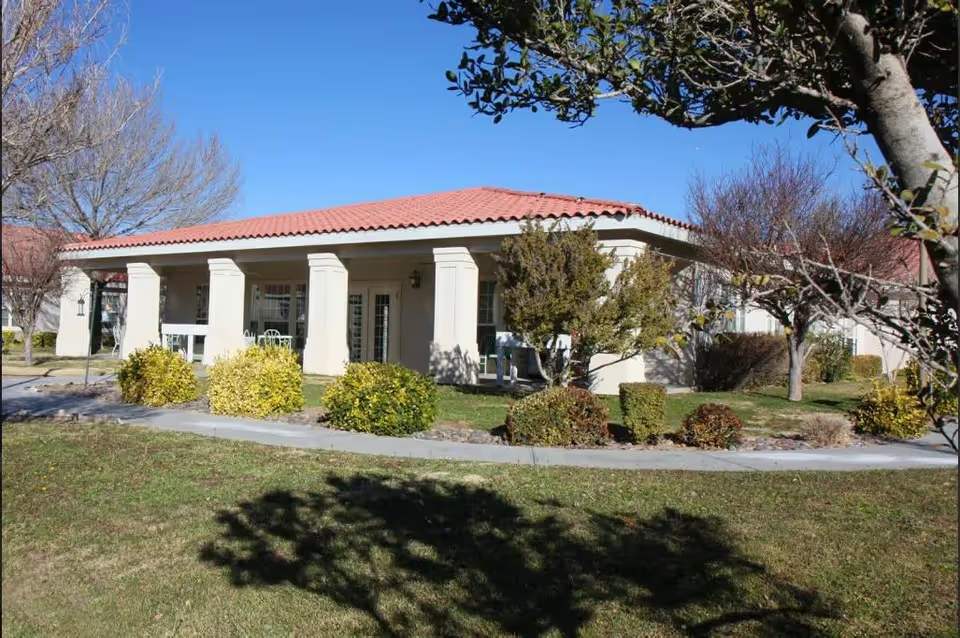
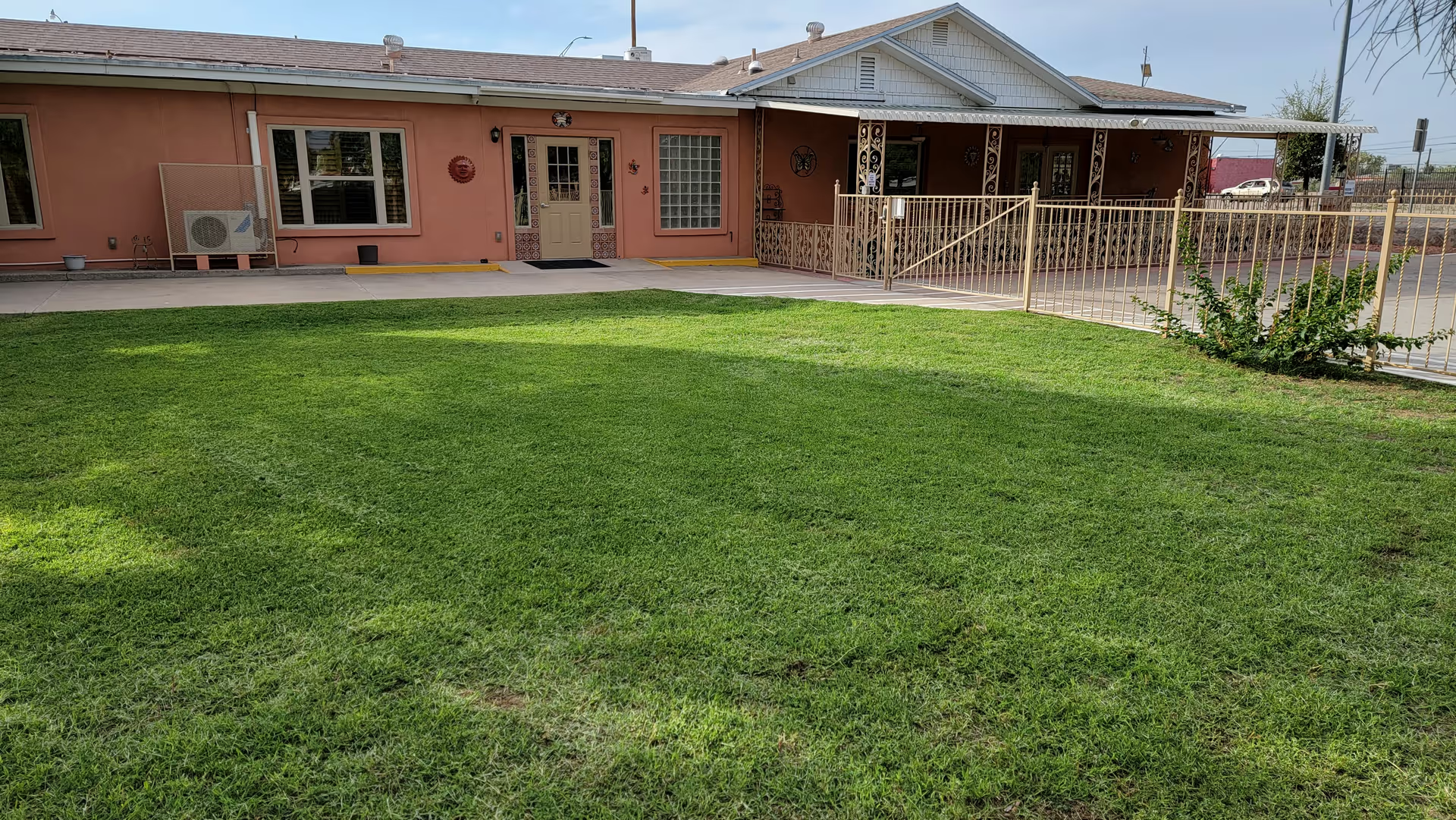
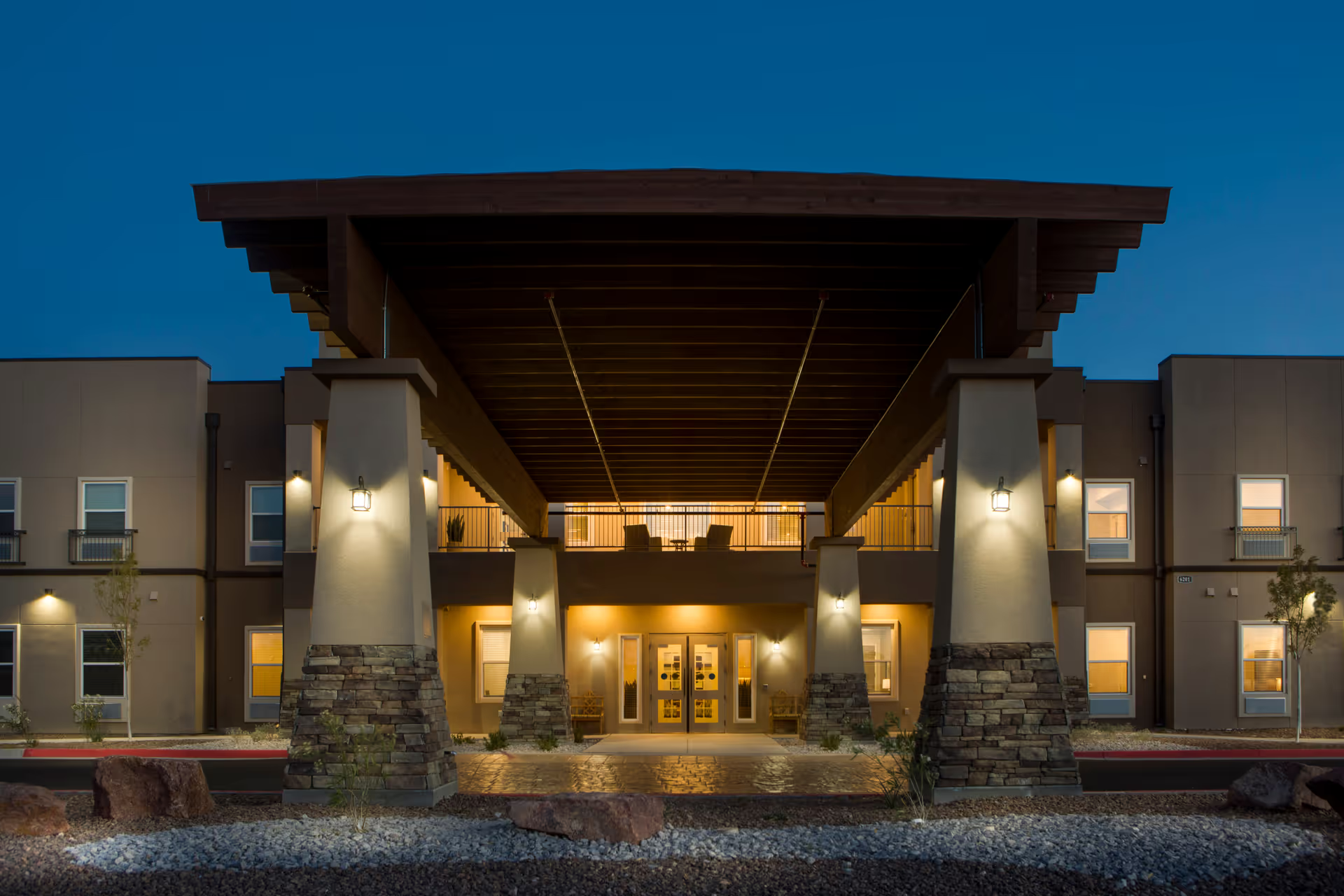
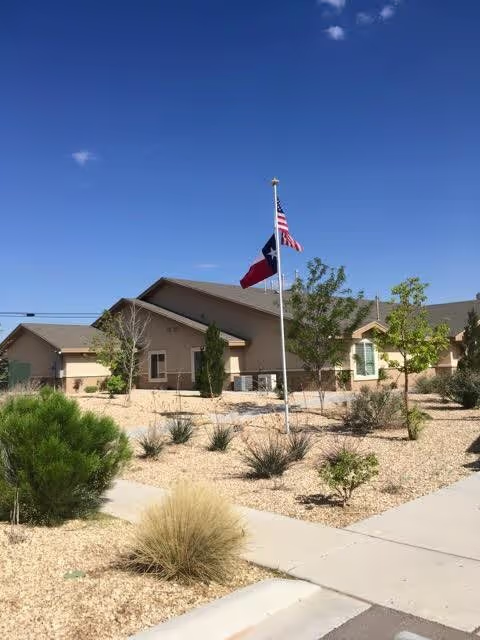
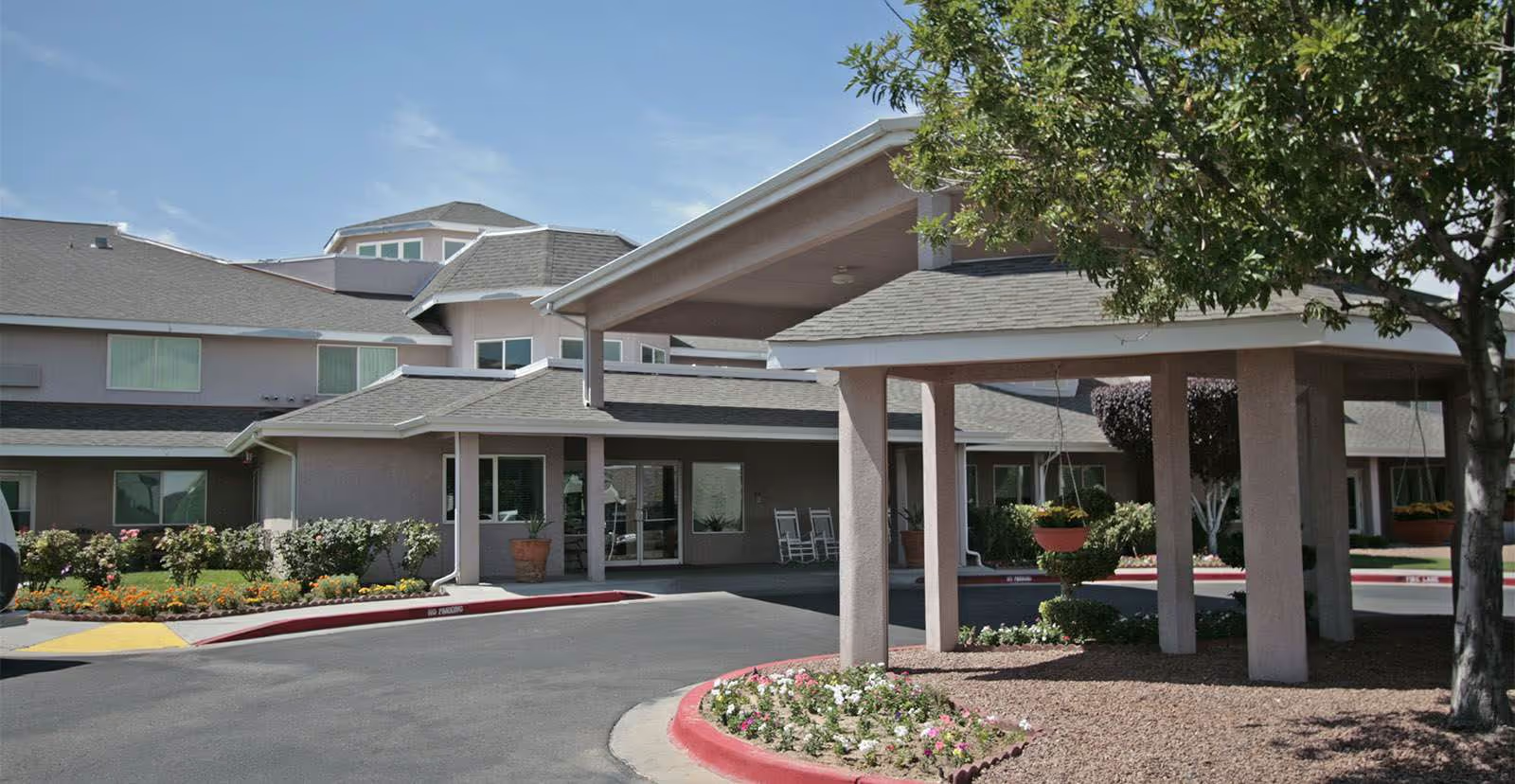
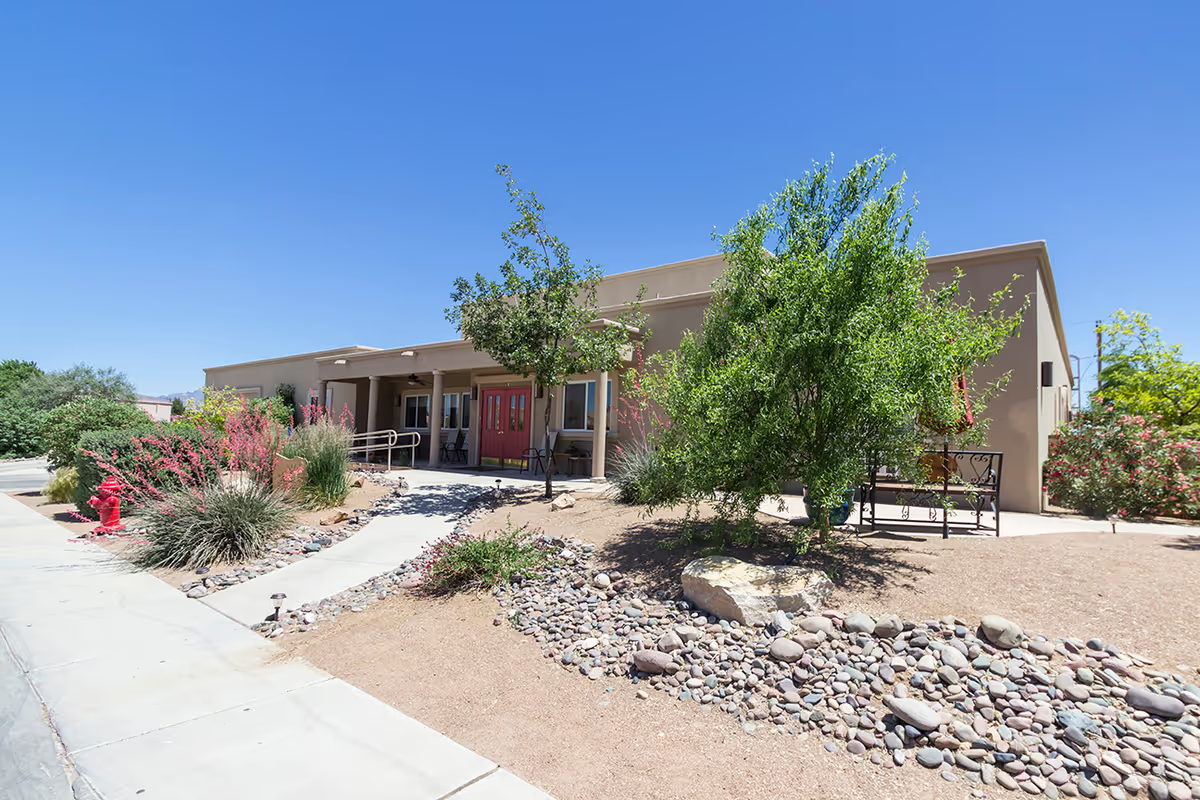
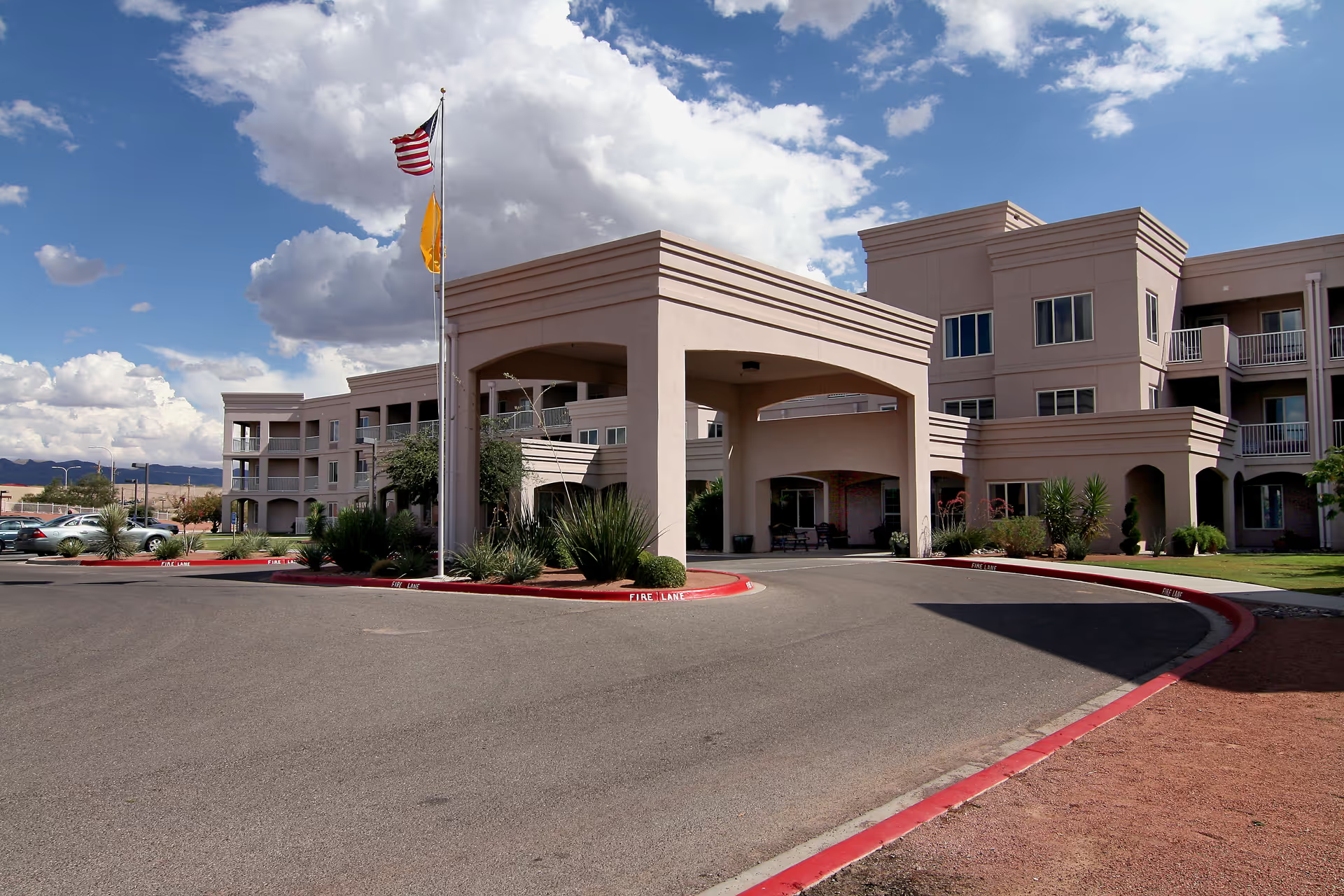
Facility condition and safety are likewise mixed. Reviewers note recent renovations, clean and pleasant common areas, accessible transportation, and prompt maintenance. At the same time, some residents describe room-level cleanliness variability, furnishings that do not always match marketing photos, and safety-process gaps (for example, bed-rail and call-button availability and proper equipment use). Privacy and dignity during personal care have been raised as concerns in certain accounts and merit specific discussion during tours.
Management and communication show divergent impressions. Several families commend particular administrators, directors of nursing, and business-office staff for professionalism, quick problem resolution, and help with Medicaid. Other accounts describe defensive front-desk interactions, inconsistent communication about clinical issues, perceived pressure around online ratings, and uneven follow-through on promises. These contrasts suggest that leadership strengths exist but are not uniformly translated into consistent facility-wide performance.
Conclusion: Mountain View demonstrates clear strengths in rehabilitation, compassionate individual caregivers, and a family-oriented social environment. However, the pattern of variability in clinical oversight, staffing consistency, cleanliness at the room level, safety practices, and communication is notable. Prospective residents and families should arrange an on-site tour, ask targeted questions about staffing ratios and clinical escalation protocols, review recent state inspection reports, and confirm how dietary and privacy needs are handled to determine whether the facility’s strengths align with their own clinical and safety priorities.