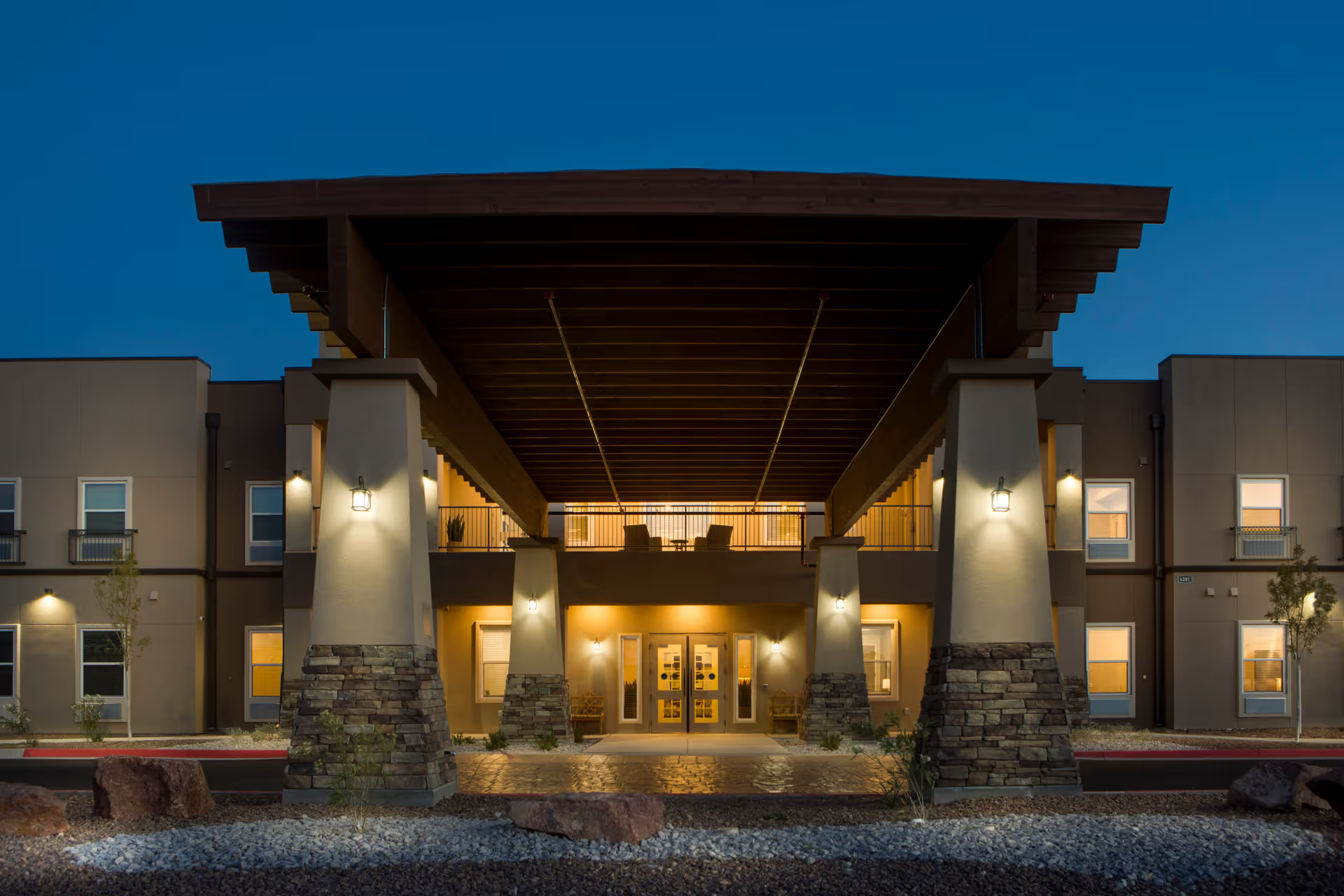
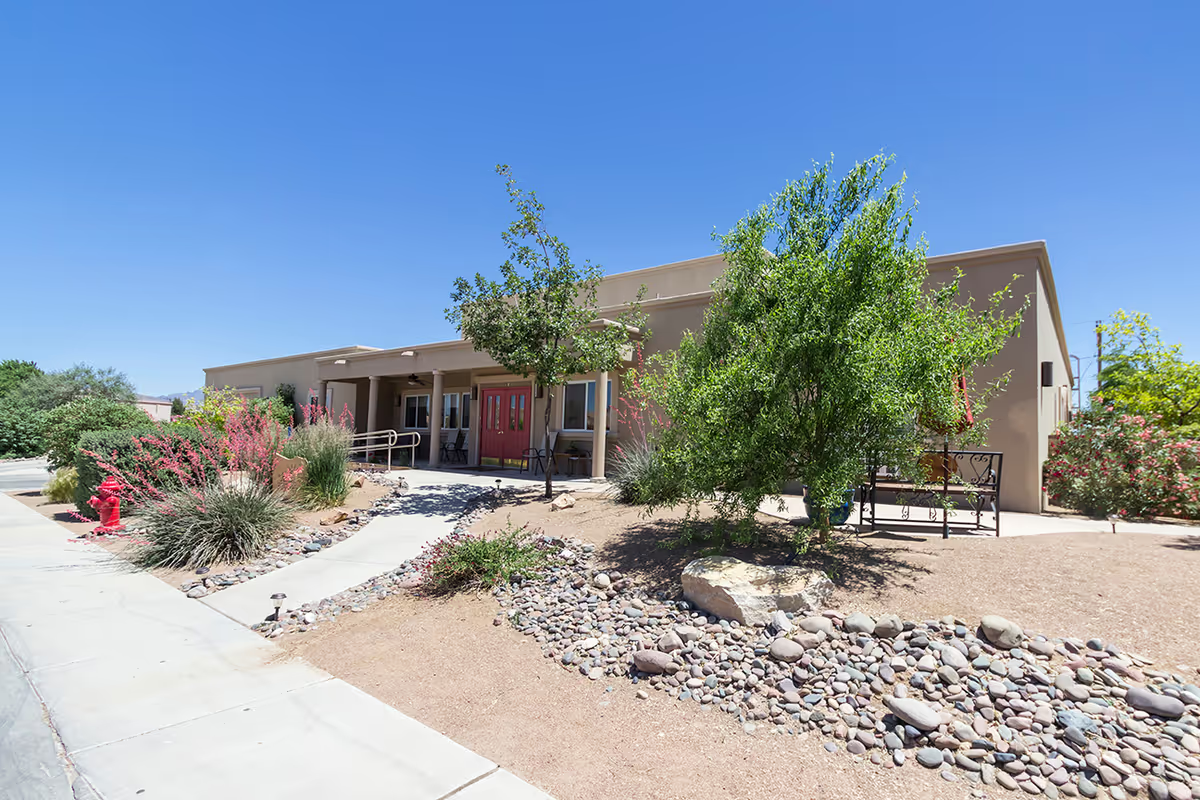
Overall impression: Reviews present a polarized but actionable portrait of care at Pebble Creek Nursing Center. Many families and residents describe consistently strong hands-on care from nurses, CNAs and therapists, with repeated praise for individual staff members and liaisons who support admissions and transitions. The facility is frequently characterized as clean, welcoming and well maintained, with active therapy programs, a variety of activities, and efforts to keep families informed via portals and regular updates.
Care and staff: Clinical care and interpersonal interactions are repeatedly cited as strengths when staffing is adequate. Reviewers emphasize compassionate, attentive nurses and caregivers, effective rehabilitation therapy, and staff who facilitate smooth hospital-to-facility transfers. That said, a recurring operational concern is staffing: reviewers describe shortages, inconsistent coverage, and low staff morale. Those staffing issues are linked to slower response times to resident requests, challenges with personal-care assistance, and variability in the consistency of daily care.
Dining and activities: Many families praise the meal options, kitchen responsiveness to preferences, and multiple food choices. Activity programming is another strong area — residents report engaging, culturally relevant activities and social events that contribute to a home-like atmosphere and sense of community. However, a subset of reviewers note variability in meal quality and dietary consistency, suggesting that dining experience may fluctuate depending on staffing and scheduling.
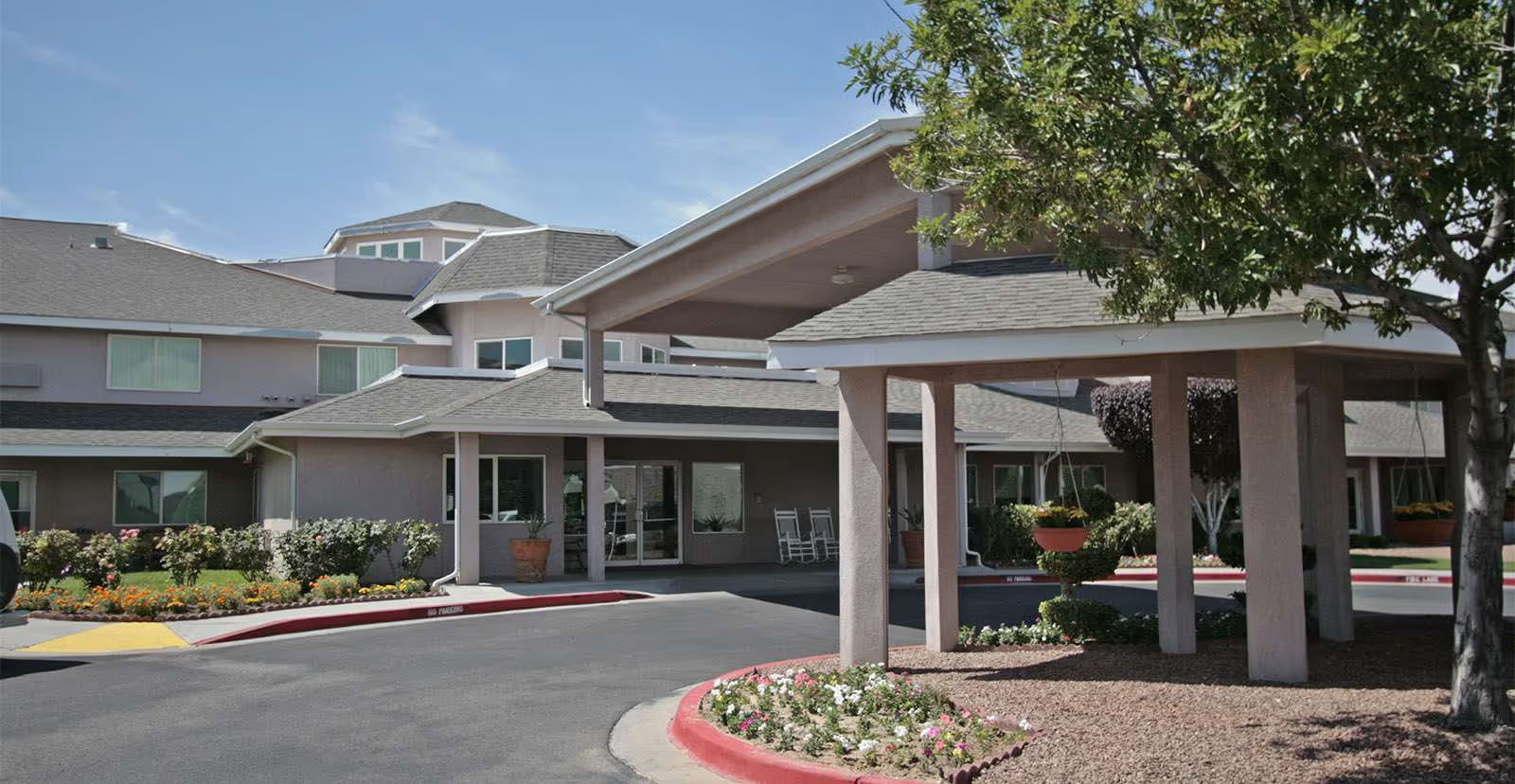
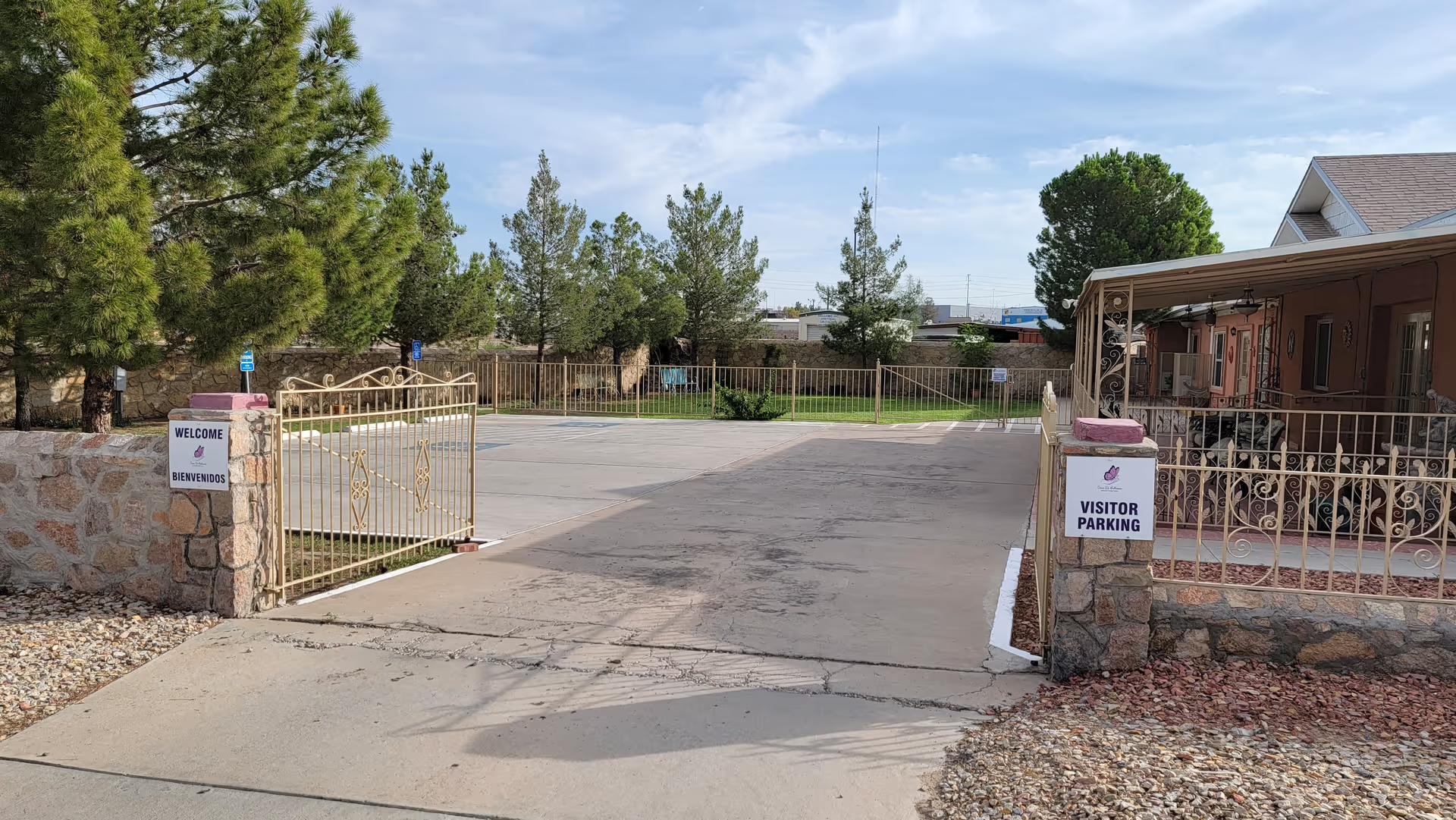
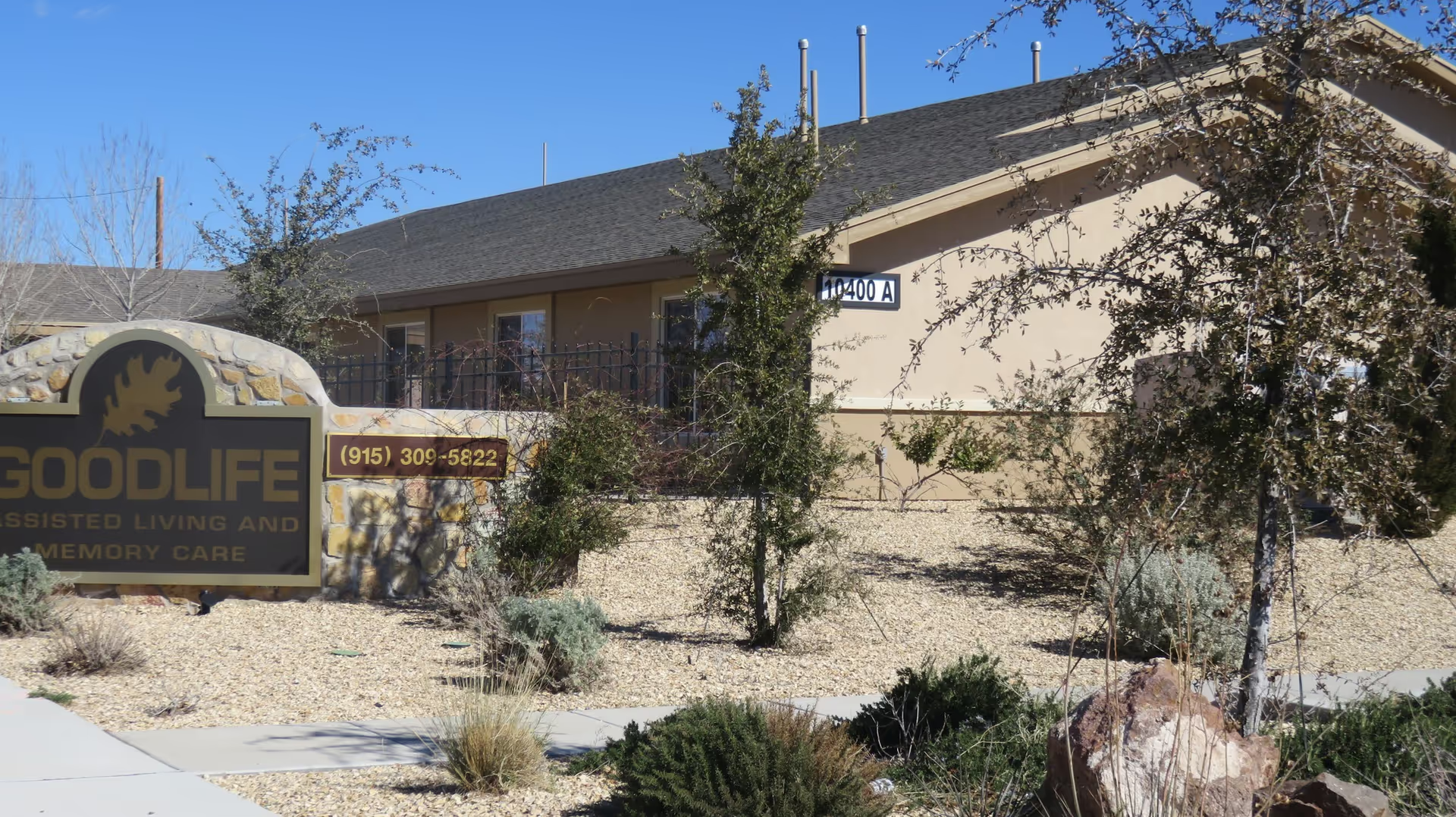
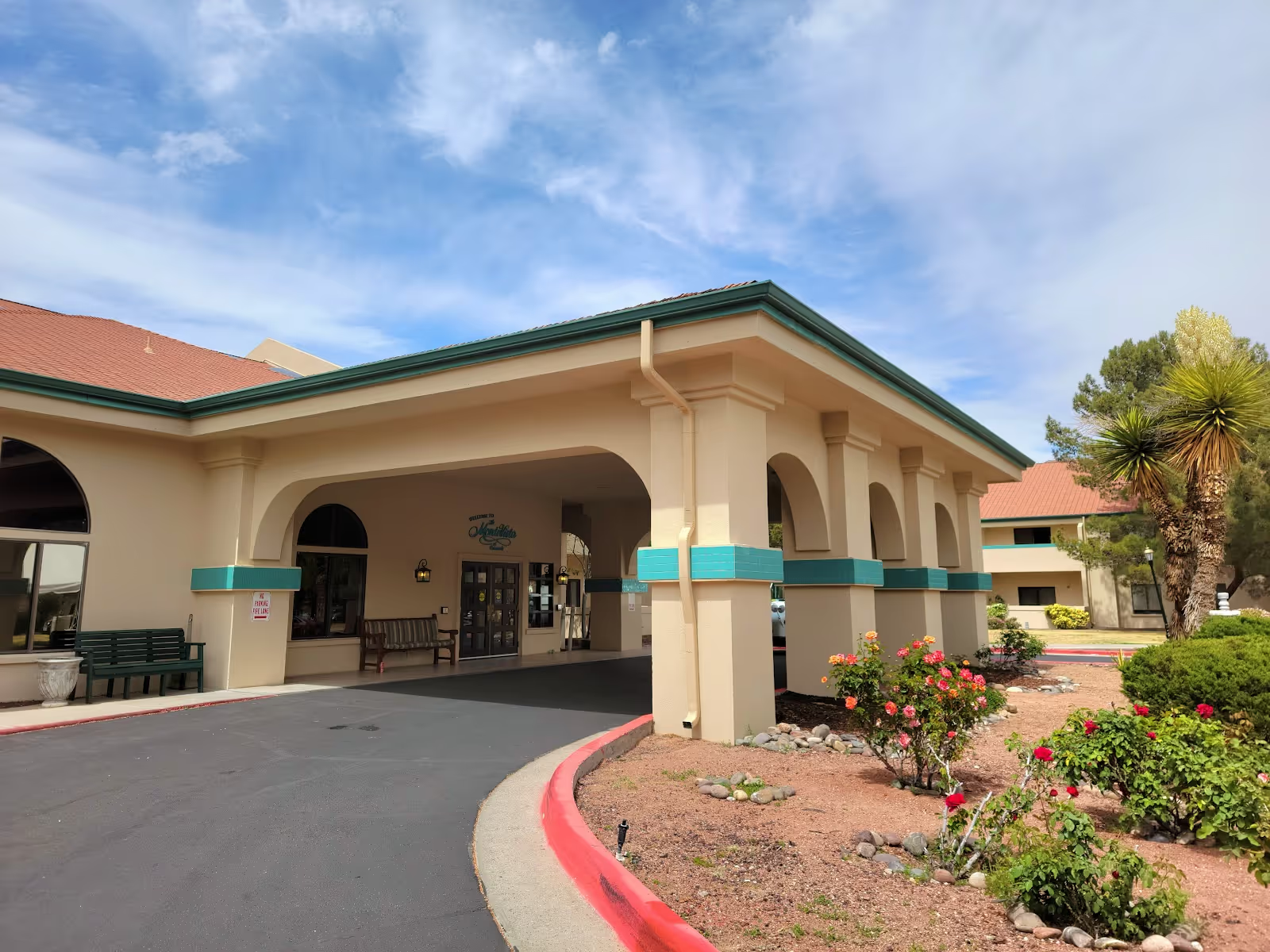
Facilities and ancillary services: The building, grounds and common areas are commonly described as clean, bright and inviting, and services such as laundry and reception are often singled out as supportive. Contrasting comments describe localized sanitation or odor control concerns (for example in some therapy or service areas), and a few reviews reference contractor-related disruptions or unprofessional conduct during maintenance or renovations.
Management, communication and policy: Positive notes include proactive admissions liaisons and staff who keep families informed. At the same time, there are repeated concerns about leadership responsiveness, gaps in incident communication, and weaknesses in weekend coverage and managerial oversight. Specific operational issues raised include failures to notify families after incidents, problems with health-information handling (including an allegation of a HIPAA- related error), and unclear ancillary-fee policies such as charges for bathing. These themes point to opportunities to strengthen clinical-incident protocols, family communication practices, privacy procedures, and clarity around billing.
Notable patterns and takeaways: The dominant pattern is one of contrasts: where staffing and supervision are strong, residents receive attentive, effective, and compassionate care with good therapy outcomes and a positive community feel. Where staffing and management gaps appear, families report delayed responses, inconsistent hygiene assistance, and breakdowns in communication. Prospective families should weigh individual staff strengths and therapy programs heavily, ask about current staffing ratios and weekend leadership, request written incident-communication protocols and fee schedules, and tour areas where therapy and dining occur to assess consistency firsthand.