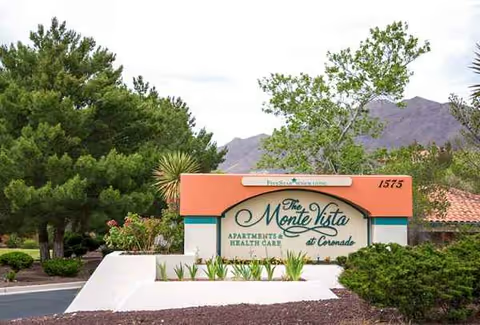
Overall impression: Reviews convey a generally positive assisted‑living experience characterized by warm, engaged caregivers and a clean, modern campus. Families and residents frequently highlight personalized attention and a family-like atmosphere that contributes to comfort and peace of mind. At the same time, a recurring pattern is an institutional or nursing-home‑like feel and a perceptible admissions/marketing orientation that may influence how some prospective residents experience the community.
Care and staff: Care quality is consistently described as attentive and compassionate. Staff are characterized as patient, sweet, and family-oriented; management is often described as approachable and caring. The facility appears to do well with individualized care plans for assisted‑living level needs and provides reassurance to families through consistent, cordial interactions. Positive comments about the physical therapist indicate the availability of on-site therapy support for rehabilitation or mobility needs.
Dining and activities: Dining receives favorable mention for being both nutritious and appealing; meals are described as tasty and satisfying. Activity programming is presented as engaging and community-building, and reviewers emphasize social opportunities that foster a sense of belonging. These elements contribute to overall resident well-being and family confidence in the daily lifestyle offered.
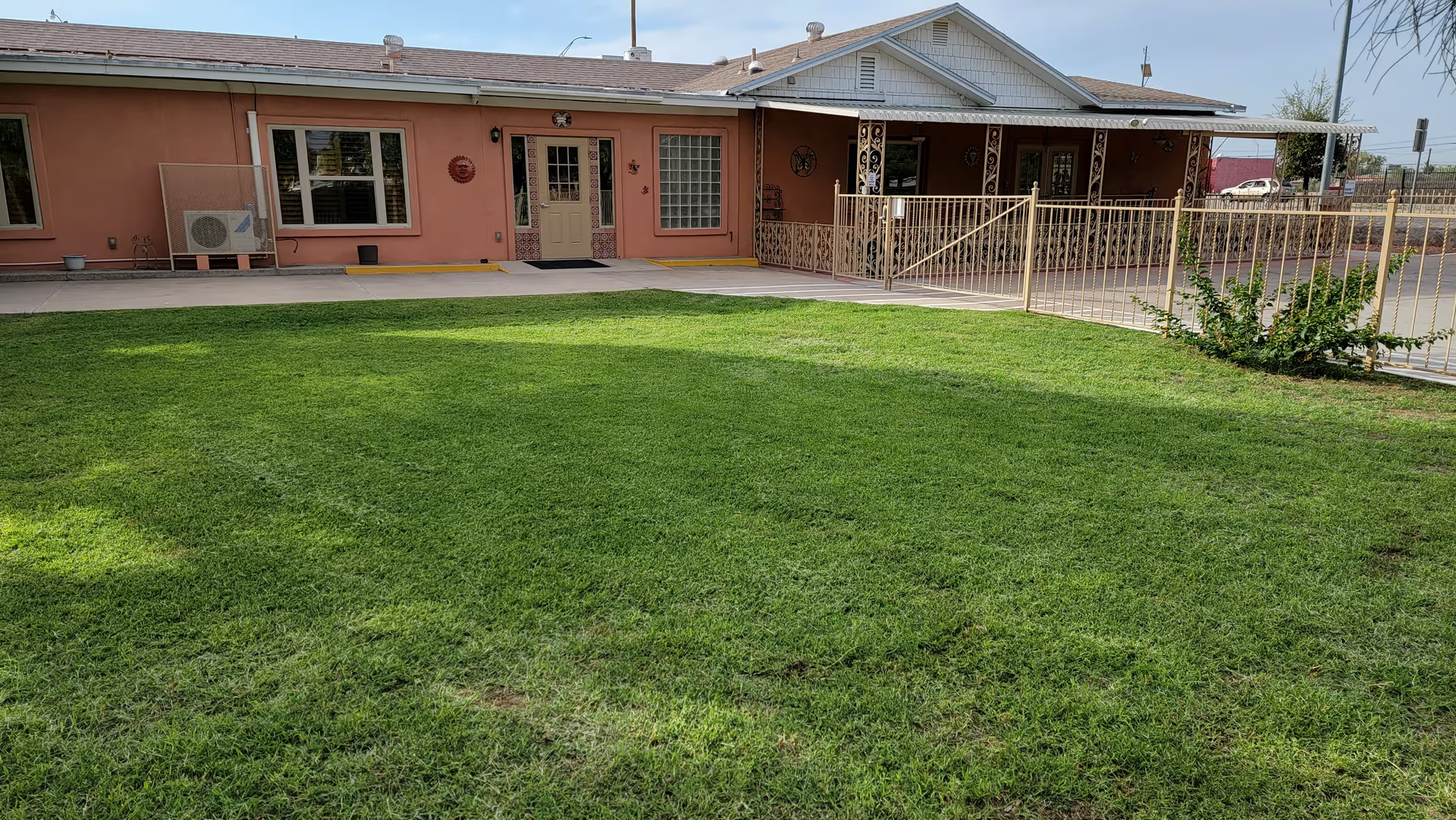
Facilities and cleanliness: The building and common areas are described as clean and modern, with reviewers specifically noting an odor‑free environment. The physical environment appears well maintained and supportive of a comfortable assisted‑living setting.
Management and admissions: Management is generally viewed as compassionate, yet several impressions point to a strong admissions and marketing presence. This manifests as a sales‑driven culture in some interactions, which prospective residents and families should be aware of when evaluating fit. The admissions emphasis does not necessarily reflect clinical quality, but it may affect initial communications and move‑in experiences.
Notable patterns and suitability: Serenity House appears well suited for individuals who require assisted‑living level support and value a warm, community‑oriented setting with good dining and activity offerings. It may be less appropriate for those who require 24/7 skilled nursing or who prioritize a distinctly homelike, non‑institutional aesthetic. Prospective residents and families should weigh the facility’s strengths in personalized care, housekeeping, dining, and engagement against the perceived admissions focus and the level-of-care limits when determining fit.