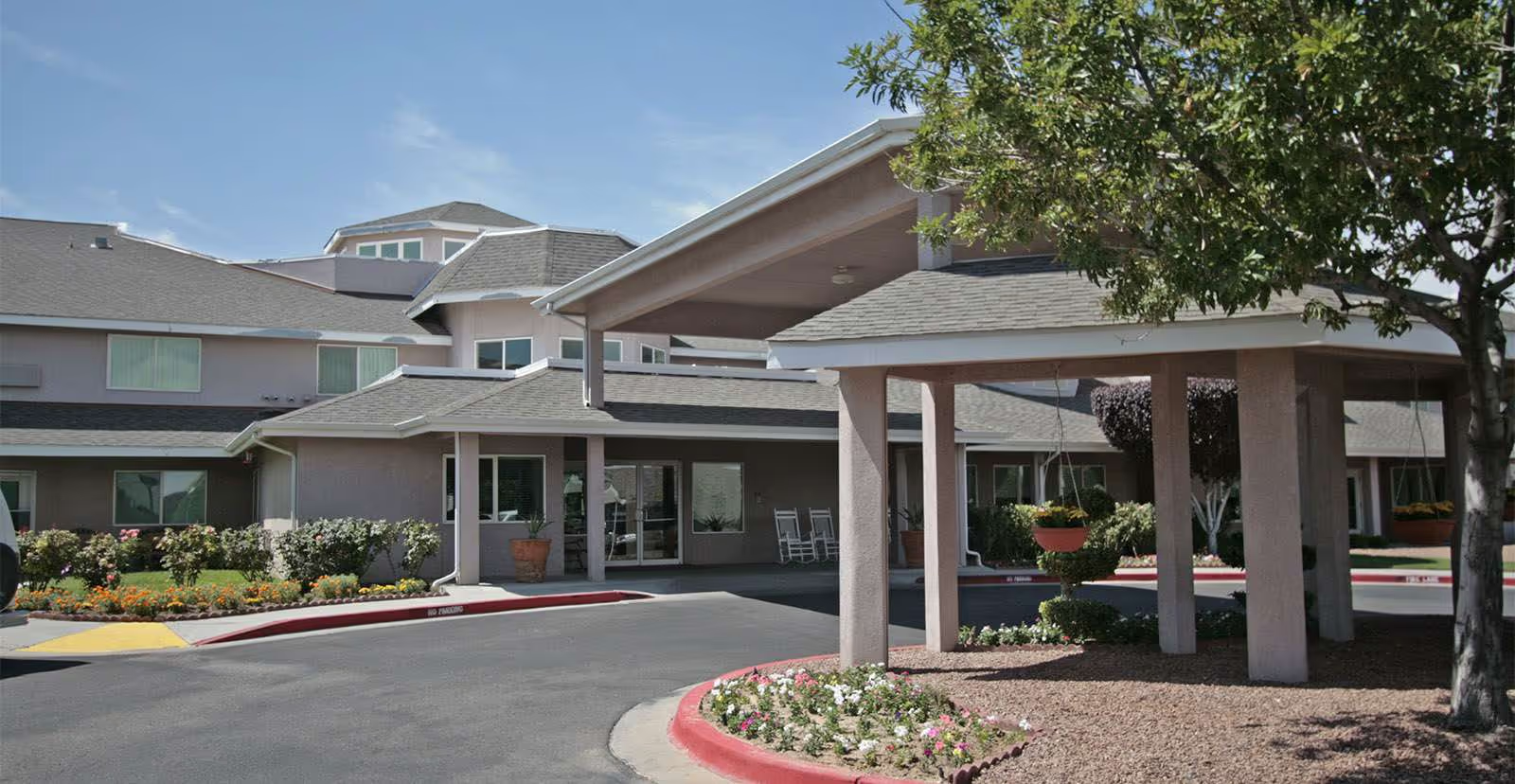
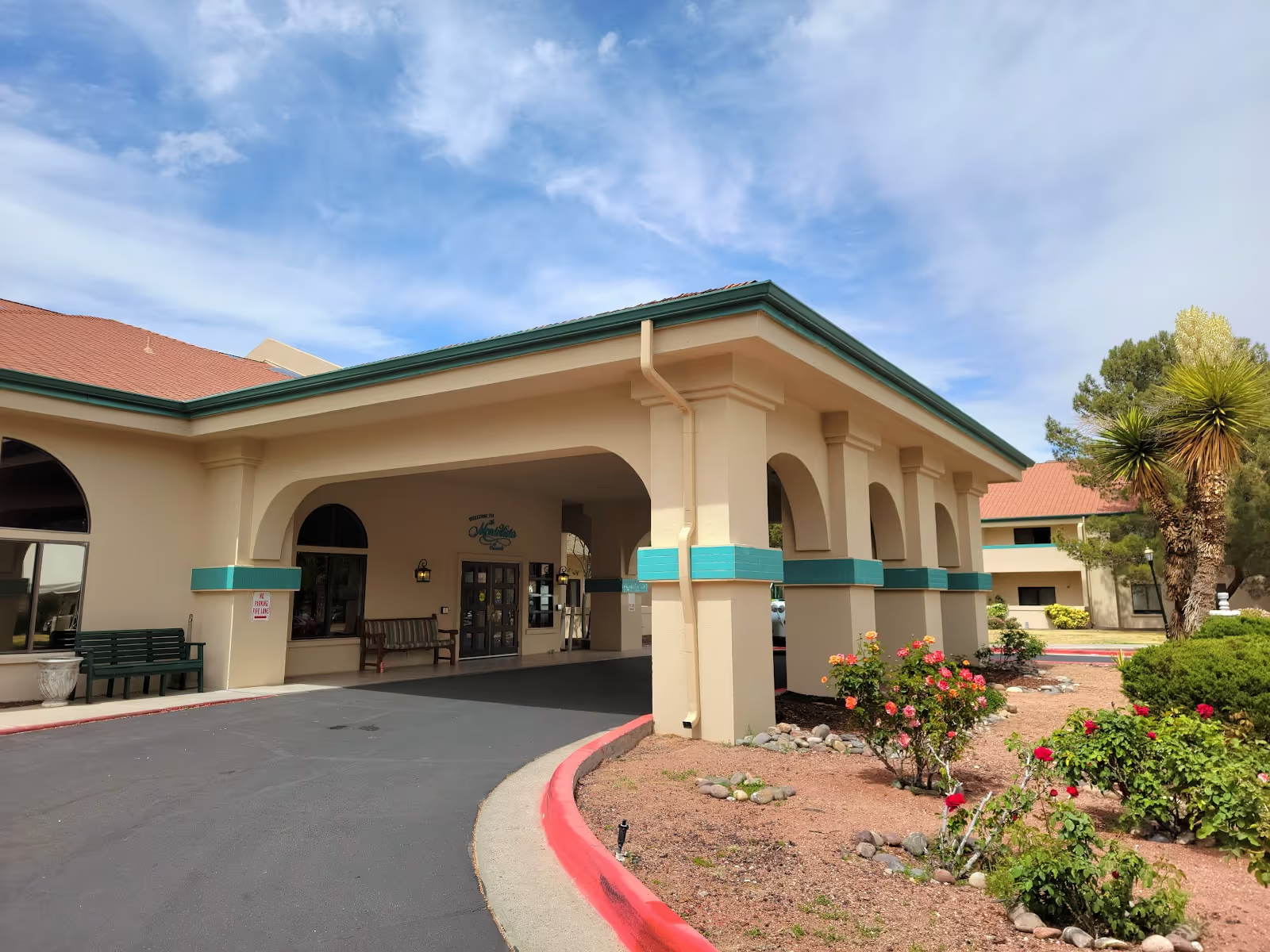
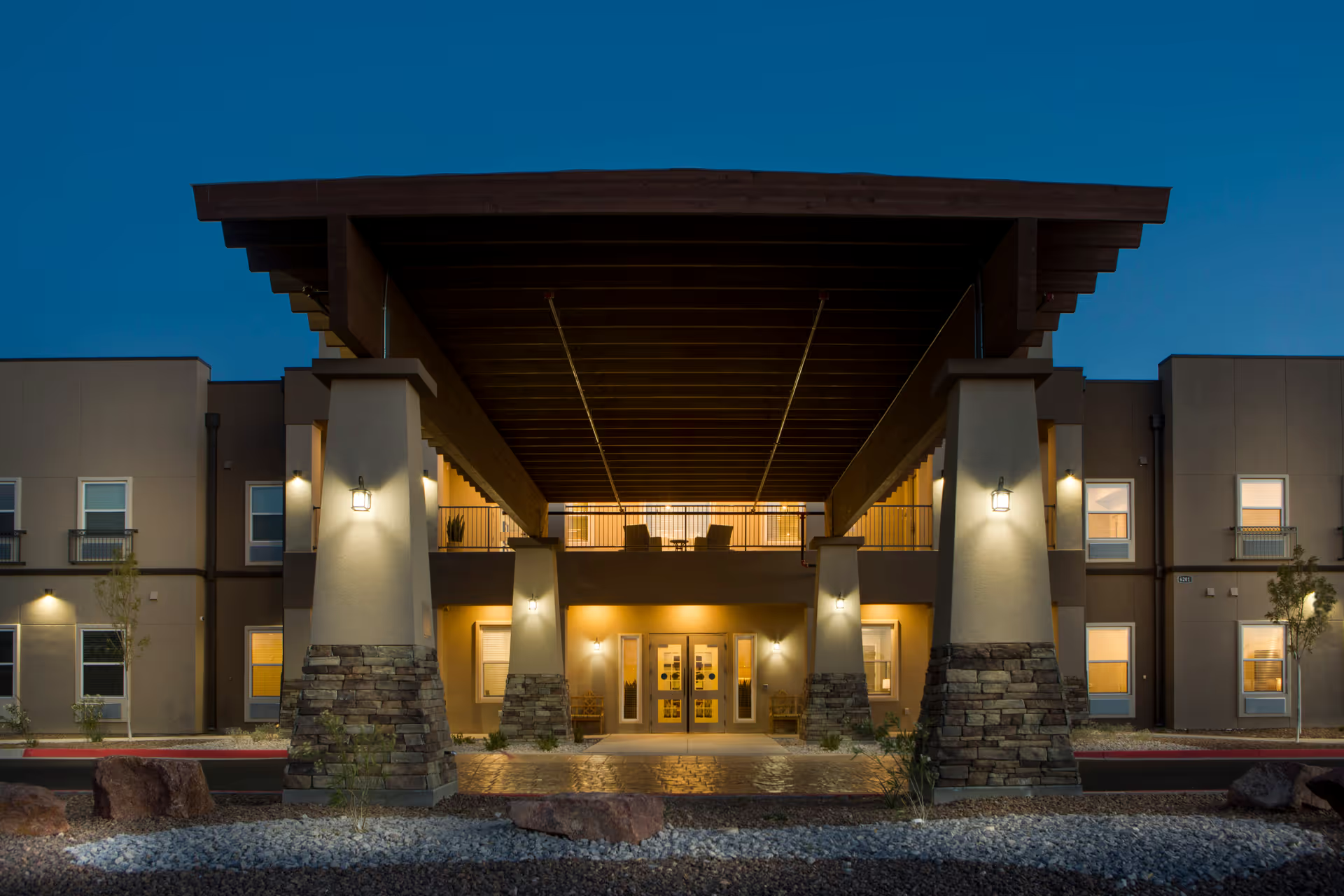
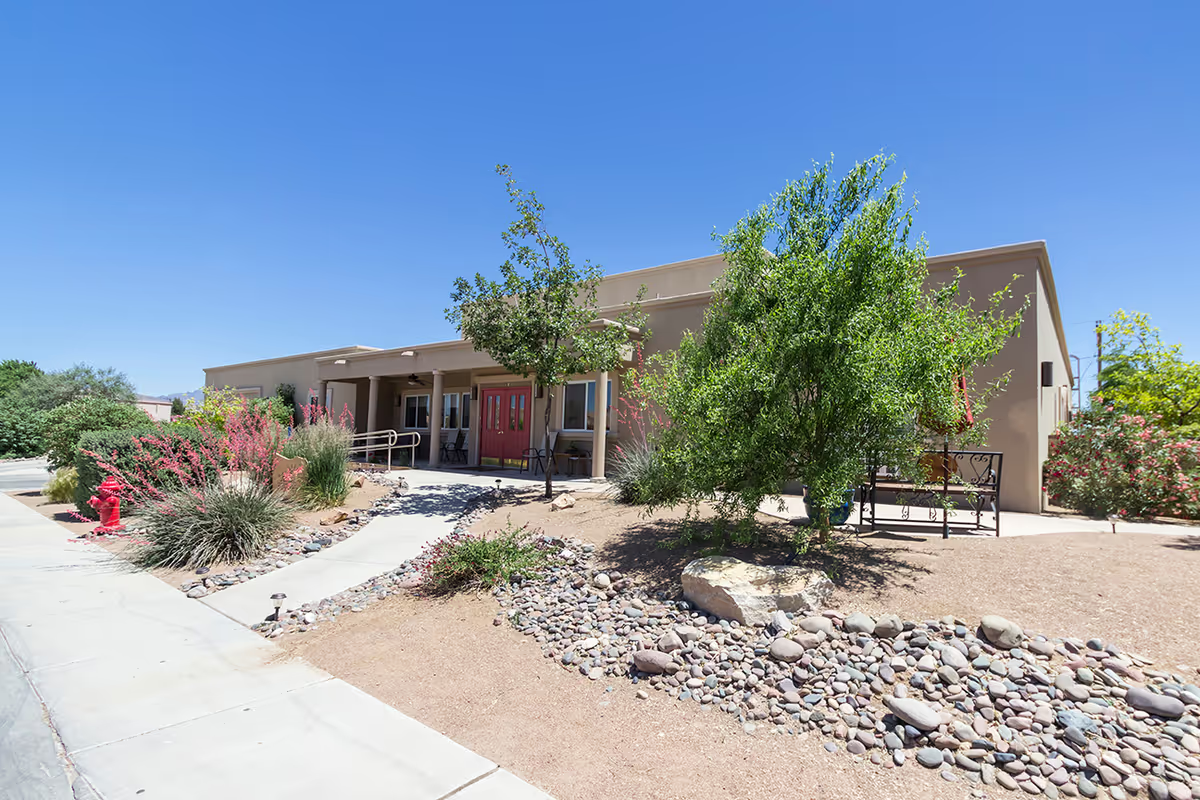
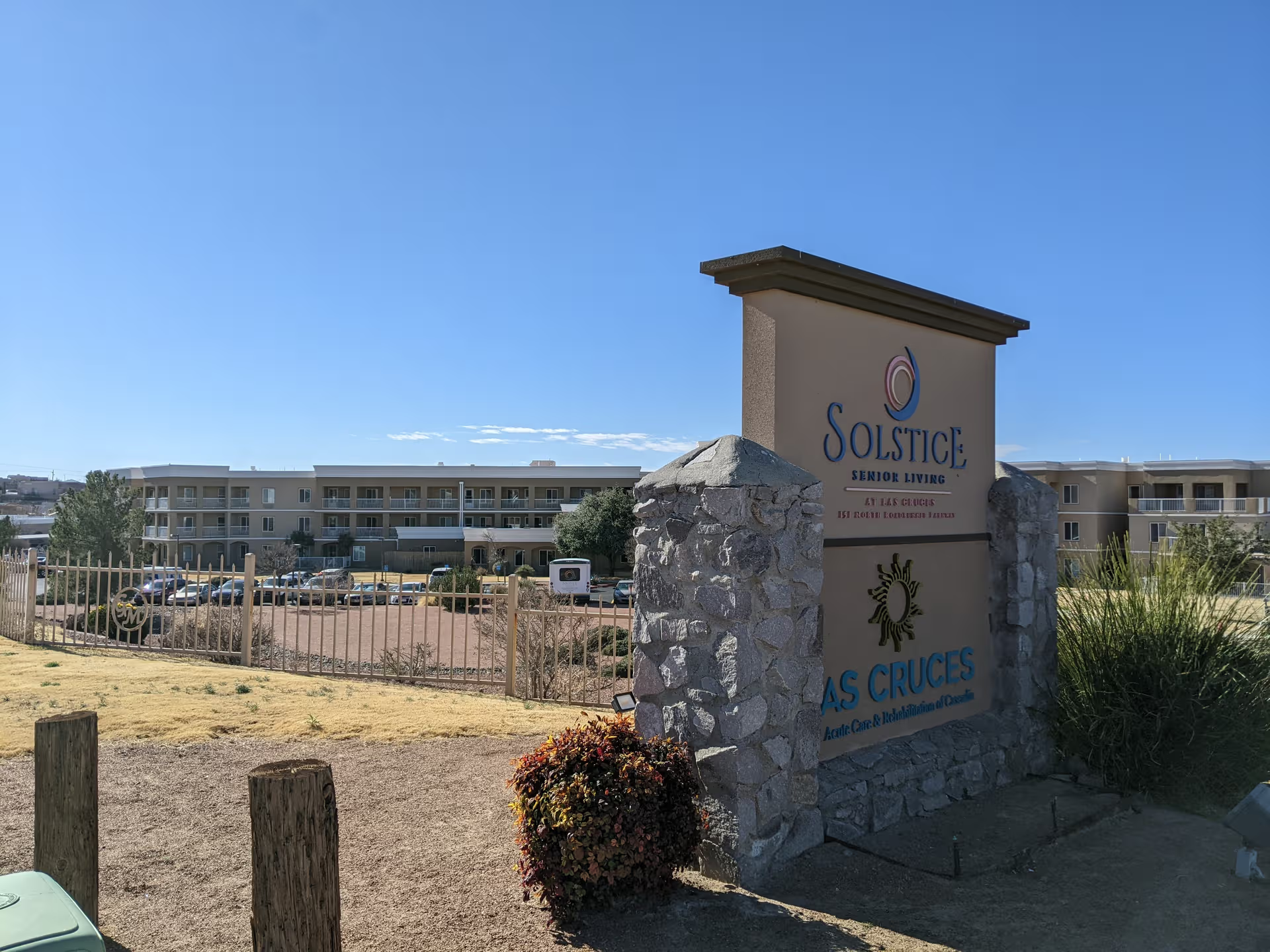
St. Giles presents a mixed but distinctive profile. Many families and advocates praised the facility’s physical environment — consistently described as clean, well-maintained, and odor-free — as well as a strong rehabilitation program and a number of highly regarded individual caregivers. Admissions and front-desk staff receive frequent positive mention for ease of placement and responsiveness, and housekeeping and groundskeeping are commonly cited as strengths that contribute to a comfortable, family-like atmosphere.
Care quality experiences are polarized. Positive accounts emphasize attentive, compassionate nursing and measurable progress through therapy services (PT/OT/speech). Conversely, several reports describe operational failures that affected clinical outcomes: missed or delayed medication administration, interruptions in scheduled treatments, and care delays that in at least some cases led to rehospitalization. Reviewers also raised incontinence-care and timeliness concerns tied to responsiveness to call lights and personal-care requests.
Staff behavior and management practices are an area of notable variability. Numerous comments name caring, patient staff who go above and beyond; at the same time others describe inconsistent professionalism, poor tone in family communications, and retaliatory or coercive behavior by certain administrators — allegations that families characterized as serious and that merit further inquiry. Communication gaps appear across lines of care coordination and discharge planning: families reported limited notification of changes, inconsistent involvement in care plans, and occasional difficulty reaching decision-makers.
Dining and activities skew positive overall. Many reviewers praised the food and the activity program, noting that activities staff are energetic and that programming can be engaging. However, there are also statements about limited outings, constrained outdoor time, and perceived bias in activity engagement for some residents, suggesting variability in how the program is delivered across the population.
Facility operations show both strengths and weaknesses. Housekeeping and general upkeep are frequently commended, yet isolated sanitation and mattress concerns were raised alongside several instances of resident belongings being lost or mishandled — indicating gaps in property-management processes. Additional operational themes include inconsistent documentation practices, occasional noncompliance concerns with regulatory expectations, language-barrier impacts on communication for some families, and questions about billing transparency.
Taken together, the pattern across reviews is one of unevenness rather than uniform performance: the facility is capable of delivering high-quality, rehabilitative, and compassionate care, particularly when supported by stable staffing and engaged caregivers, but persistent operational problems — staffing variability, medication-management lapses, communication and property controls, and administrative conduct issues — have produced serious negative experiences for some families. Prospective residents and their families would benefit from targeted questions during tours (for example about staffing ratios, medication administration protocols, property policies, activity schedules, and how the facility addresses family communication) and from close monitoring during the initial weeks of admission to confirm that the facility’s stronger practices are being consistently applied.