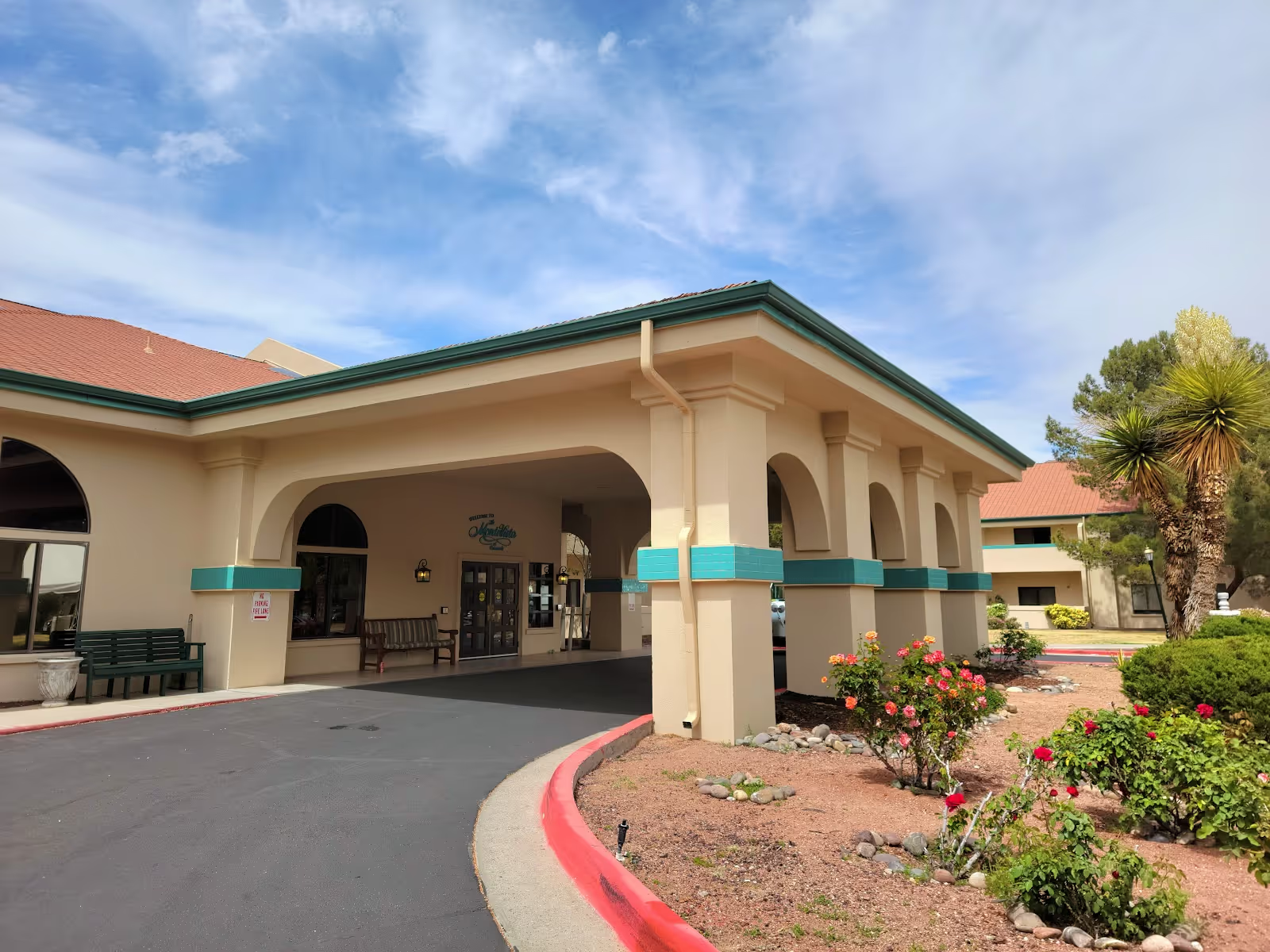
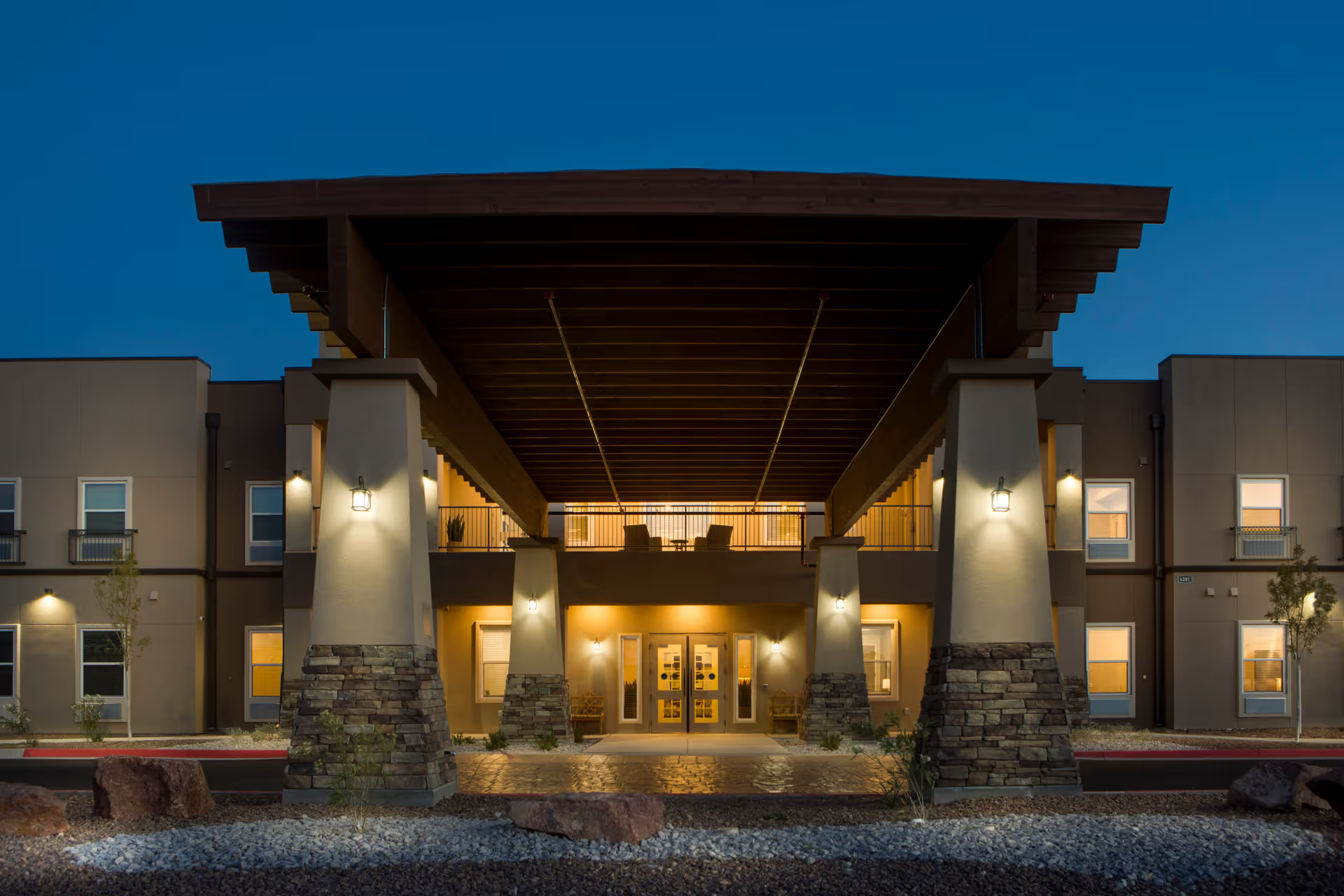
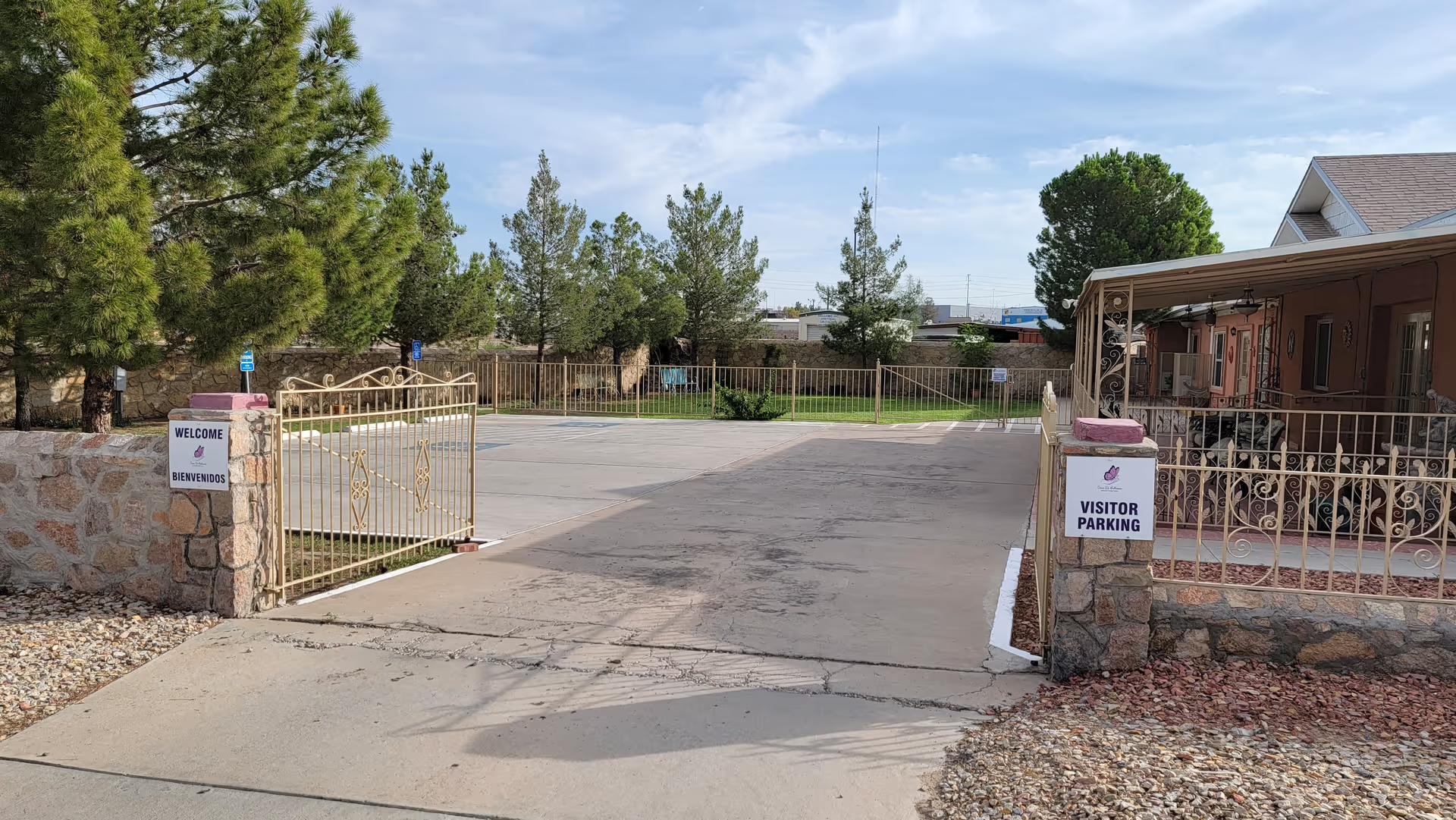
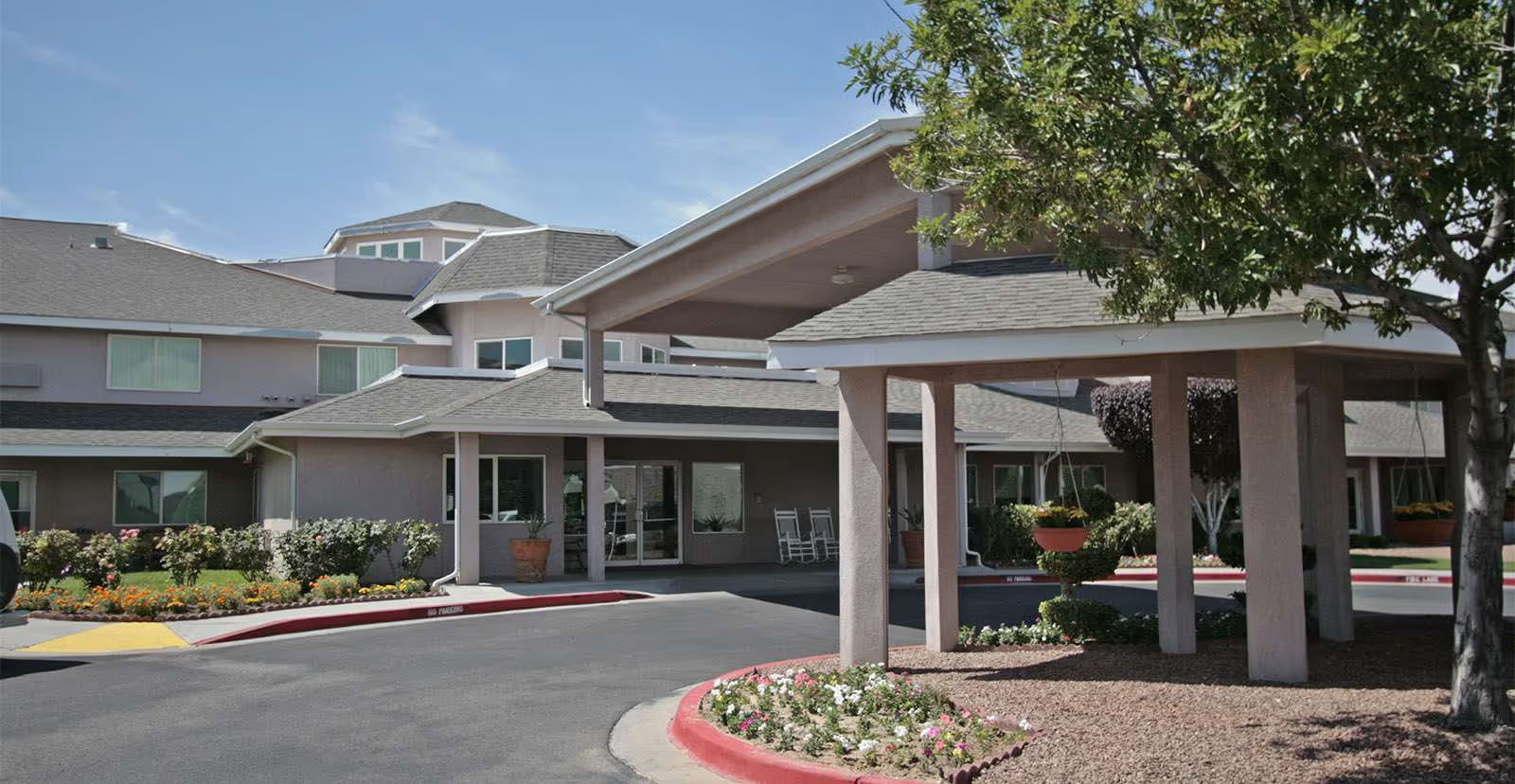
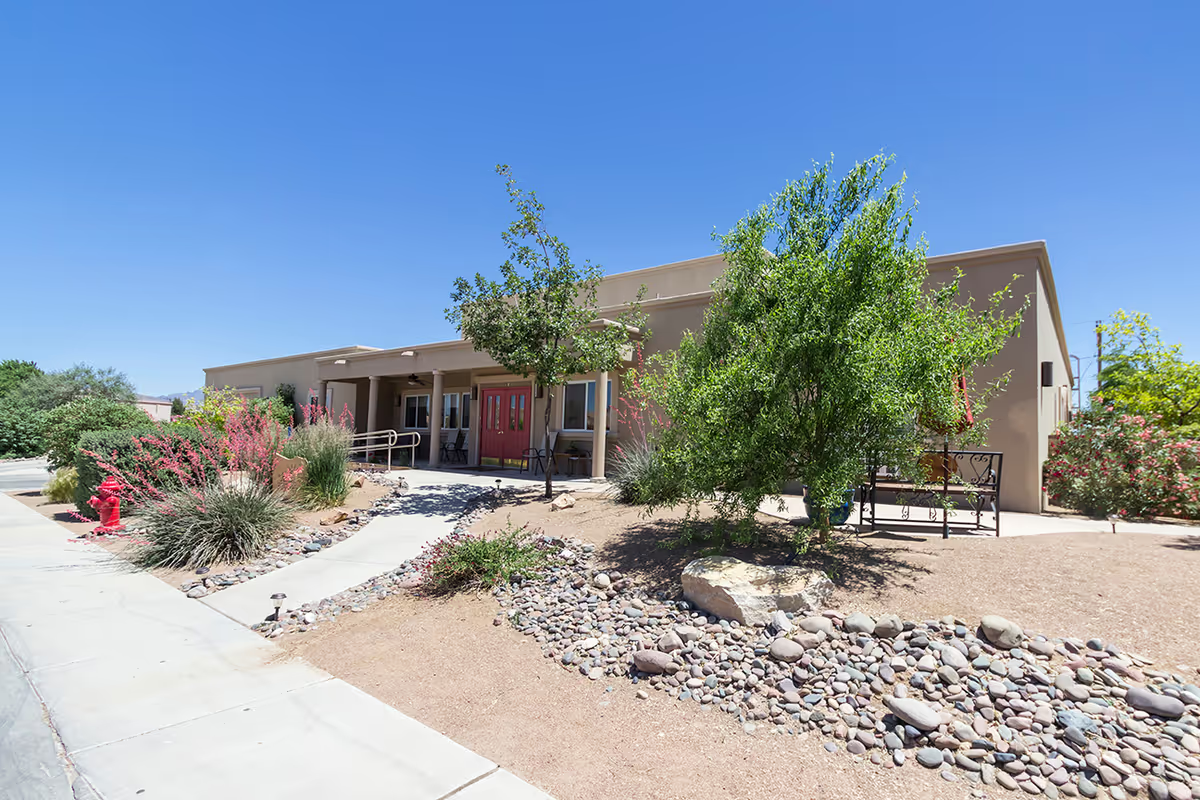
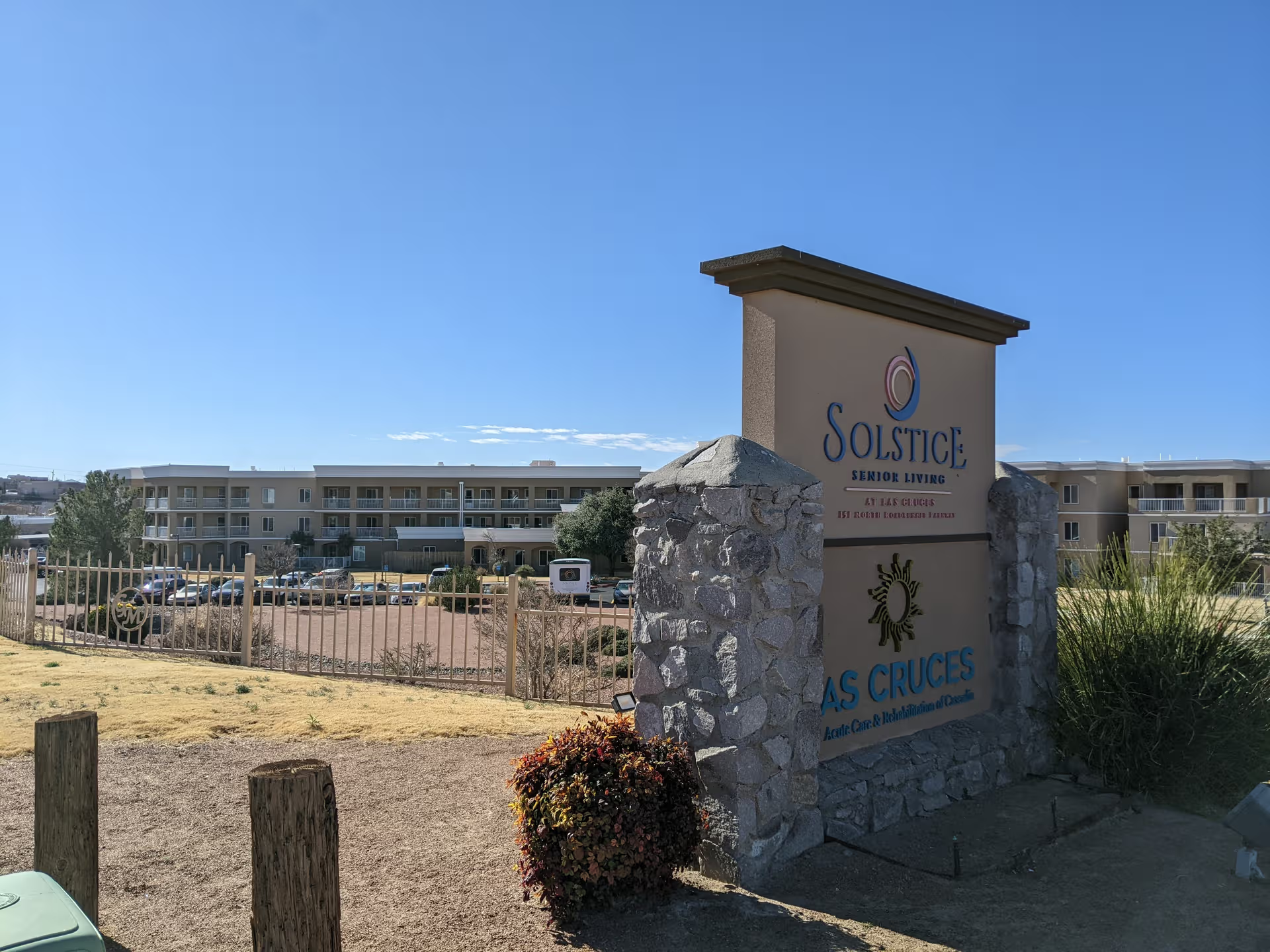
The reviews present a mixed but coherent picture. Many families and residents praise the clinical strengths of the facility — notably attentive nursing, engaged CNAs and technicians, strong physical and occupational therapy, effective wound care, and proactive social work and insurance assistance. The building and grounds are frequently described as clean, bright, and well maintained with spacious rooms, safety-equipped bathrooms, pleasant common areas and courtyard views. The activity program, organized communications (newsletters and event notices), shuttle service, and on-site salon are commonly cited as quality-of-life strengths that contribute to a family-friendly atmosphere.
Concurrently, there are recurring operational concerns that prospective families should evaluate. Staffing instability and turnover appear to have tangible operational consequences: delayed responses to resident needs, inconsistent personal-care assistance, and variability in therapy delivery and staffing coverage. Several reviews identify medication-administration and documentation lapses; these comments point to a pattern-level risk in medication management rather than isolated praise. Families also mention communication gaps — unanswered calls, slow follow-up, and inconsistent family updates — as an area that reduces confidence during incidents or transitions.
Other practical operational issues emerge across reviews: laundry-process breakdowns (lost or damaged belongings), occasional sanitation and linen-change inconsistencies, unreliable transportation availability, and billing discrepancies including charges for services not rendered. Safety and supervision concerns are also raised, ranging from missing-person incidents and problematic discharge processes to delays in delivering acute interventions (for example, oxygen or urgent assistance). Some reviewers describe limited assistive communication supports for residents with neurological impairments. There are also isolated, serious allegations involving staff integrity; these claims merit careful follow-up and verification through facility management and regulatory records.
Dining and activities are generally positive in tone: many reviewers praise made-to-order meals, dietary accommodations, snacks, and an active events calendar. A minority describe inconsistent meal appropriateness, particularly for therapeutic diets or weekend menus. The facility receives mixed marks for management responsiveness: several accounts describe proactive, communicative leadership that resolves issues quickly, while others note unreturned calls and perceived lack of empathy from individual supervisors.
Overall, Bartlett appears to offer substantive clinical and rehabilitative strengths alongside an appealing environment and robust activity programming. However, the pattern of operational weaknesses — staffing variability, medication and documentation concerns, supervision and security gaps, and inconsistent communication and housekeeping processes — introduces risk that families should assess directly. Recommended due diligence includes asking about current staffing levels and turnover, medication-safety protocols and audit results, therapy scheduling and documentation, emergency-response procedures, call-button coverage, laundry and personal-belonging policies, billing dispute resolution, visitor policies, and any recent regulatory actions or incident reports. Visiting at different times (weekday, weekend, and nights) and speaking with families of current residents can help evaluate how consistently the facility delivers on the strengths highlighted by many reviewers.