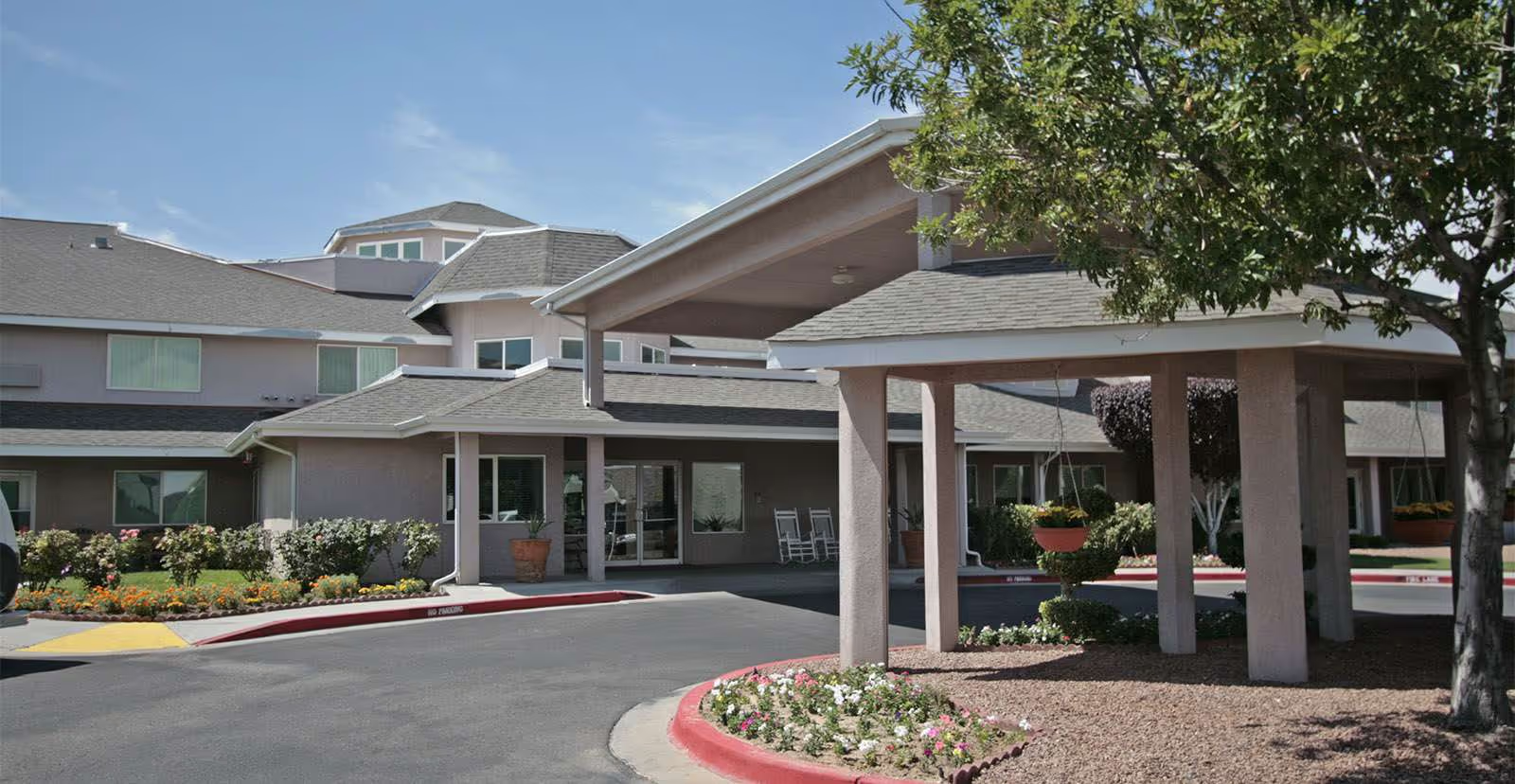
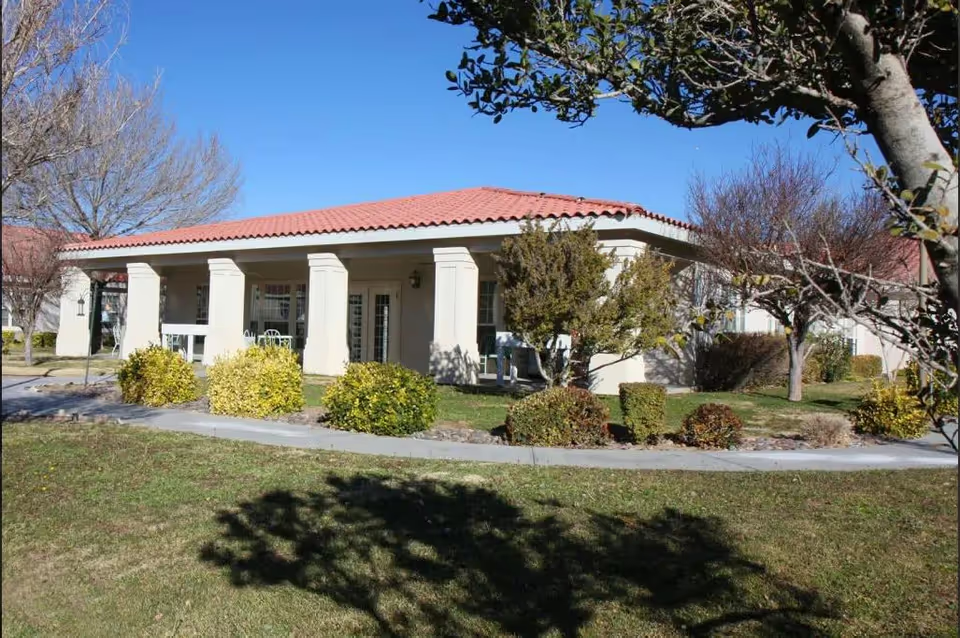
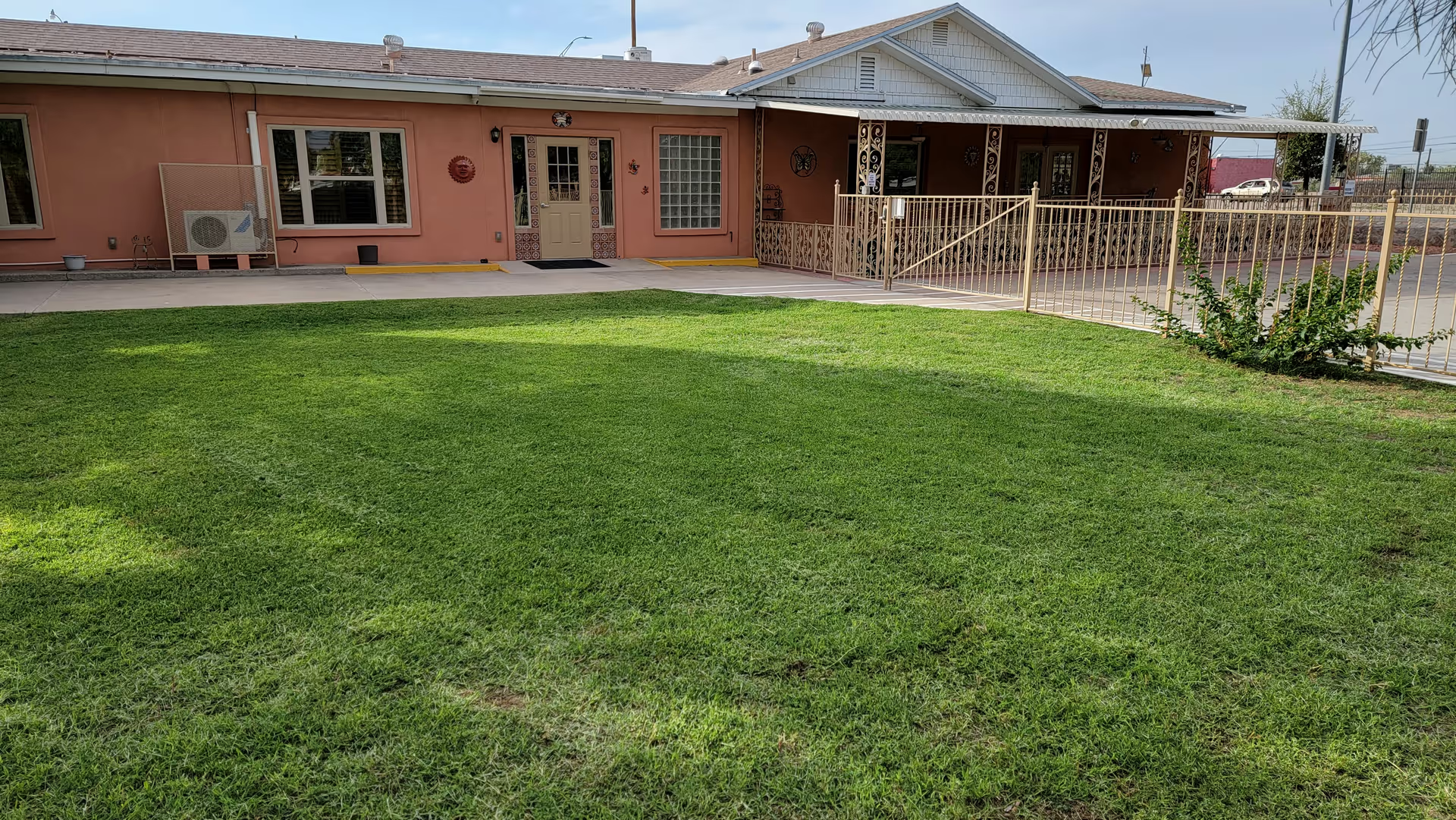
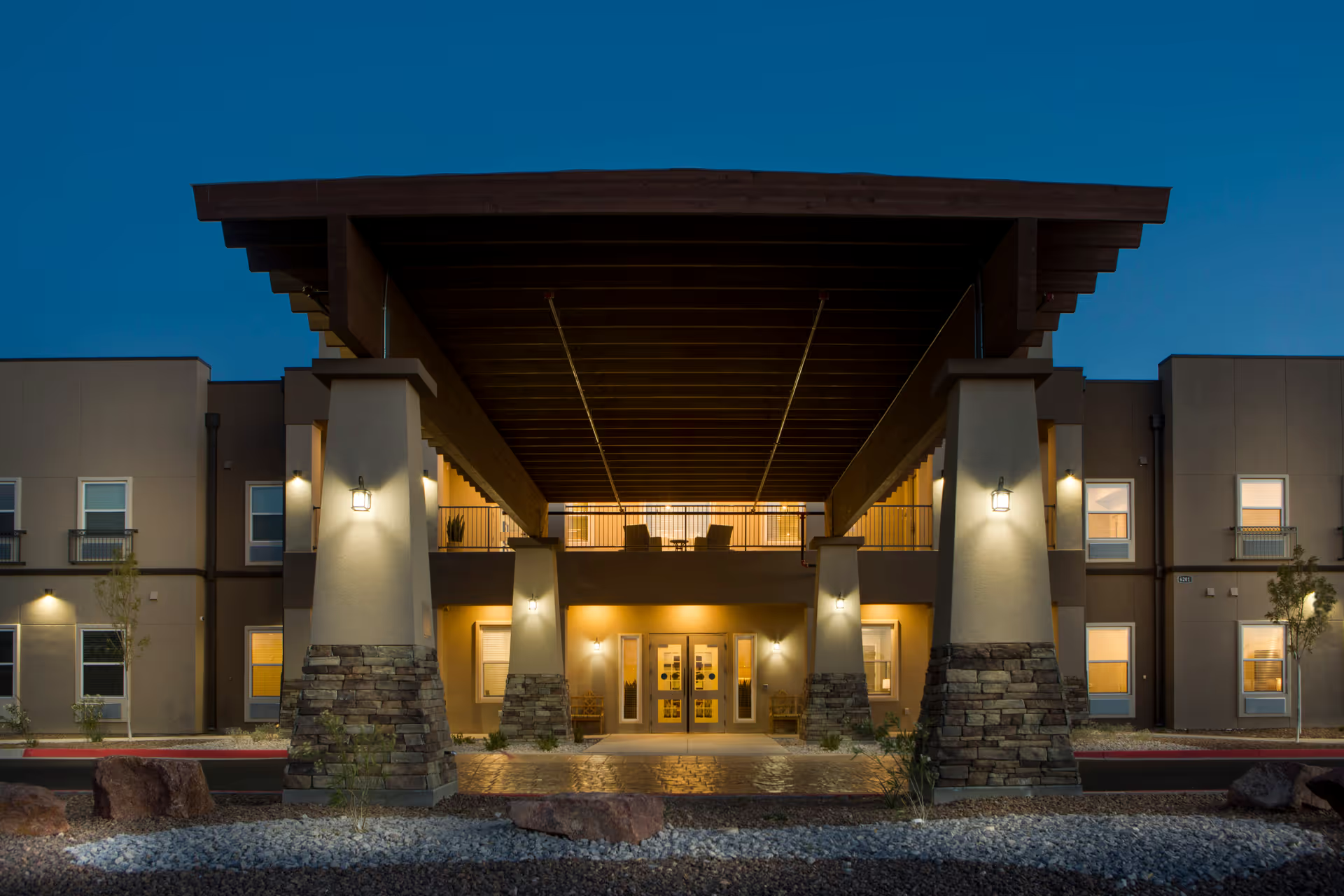
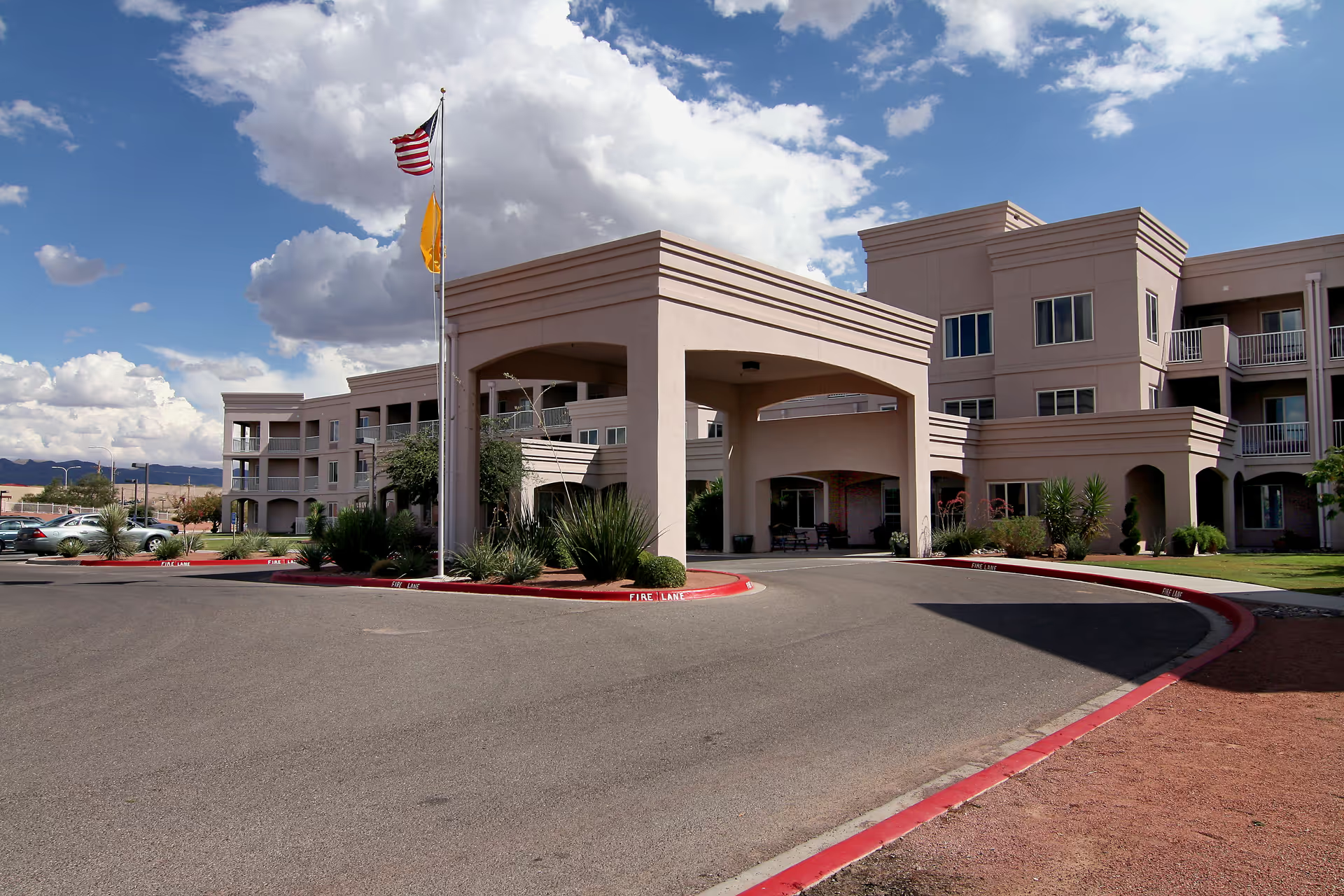
The reviews for VibraLife El Paso / Ignite Medical Resorts describe a facility with clear physical strengths alongside recurring operational concerns. Reviewers consistently praise the building itself: a modern, well-maintained new construction with bright, sunlit rooms, pleasant landscaping, outdoor seating, and family-friendly visiting areas. Many families highlighted comfortable, hotel-like accommodations (private and semi-private options), onsite amenities such as a salon and a 24-hour beverage station, and a generally clean environment maintained by attentive housekeeping.
Clinical and rehabilitative services receive mixed but notable recognition. On the positive side, the facility offers onsite physical and occupational therapy and several reviewers credited PT/OT and CNAs with contributing to meaningful recoveries. Numerous accounts describe compassionate direct-care staff, helpful nurses, and thoughtful therapy teams. At the same time, other families reported serious operational lapses: delays in responding to call systems, missed or delayed medications, and inconsistencies in therapy scheduling and progress updates. These patterns suggest variability in clinical reliability that appears linked to staffing levels and procedural gaps rather than the physical environment.
Dining and activities are similarly mixed. The facility provides chef-prepared meals and a varied menu that some families preferred to hospital food, and the activity program (cards, bingo and other events) and communal dining areas are viewed as strengths for social engagement. Conversely, reviewers raised concerns about inconsistent meal timing, delayed service, and insufficient meal assistance or diet adherence (for example, diabetic needs and meal presentation). Families seeking robust dining support for residents with feeding or dietary needs should inquire specifically about meal-assistance protocols.
Management, communication, and safety-related processes emerged as the most divisive themes. Several reviews praise responsive front-desk staff and administration, but there are also repeated accounts of after-hours communication gaps, unreturned calls, difficulty obtaining timely status updates, and delays in admissions or room changes. Importantly, some families described safety-related incidents and a perceived lack of timely emergency response or incident follow-up; these comments indicate a need for clearer emergency protocols, improved staffing ratios during peak times, and stronger family-notification practices. Capacity and protocols for residents with cognitive impairment were another area of concern—families noted limits on memory-care availability and inconsistent measures to prevent wandering or room-entry by other residents.
Overall, the facility appears to offer excellent physical amenities, effective rehabilitation services in many cases, and a number of dedicated front-line caregivers. However, there is a recurring pattern of inconsistent staffing, communication, and clinical-process reliability that has produced widely divergent family experiences. Prospective residents and their families would benefit from an in-person tour and a focused conversation with leadership about staffing ratios, call-response times, medication administration protocols, emergency-response procedures, and dementia-care policies before making a placement decision.