Overall impression: Reviews present a mixed but distinct pattern. Many families and visitors describe a facility with strong, visible strengths — a staff that can be caring and attentive, a hands-on management team, a customized dining program, and an active activities calendar. At the same time, several reviews raise operational concerns that relate to clinical processes, staffing stability, and resident-focused safeguards.
Care quality and clinical operations: Positive comments emphasize attentive nurses and aides who spend time with residents and maintain effective family communication. However, there are recurring concerns about medication-management controls (missed doses, medication errors, and questions about prescribing practices) and about inconsistent personal-care delivery, including bathing and wound/skin-care follow-up. There are also mentions of variation in clinical skill levels among nursing staff. Taken together, these points suggest that clinical oversight and standardized care processes may be uneven across shifts.
Staffing, supervision and culture: Many reviewers praise individual caregivers and highlight supportive, engaged management. Conversely, other reviewers describe frequent staff turnover, periods of inattentiveness (including staff distraction), and instances where communication tone with families was dismissive. These patterns indicate variability in staff training, supervision, and retention; prospective families should evaluate current staffing ratios, turnover data, and how the facility manages handoffs and supervision.
Dining and activities: The facility receives consistently positive remarks on dining — an attentive chef, customized meals, and helpful kitchen staff — and on an active, community-oriented activities program (bingo, birthday celebrations, arts and crafts, parade participation). These programmatic strengths are a notable asset for social engagement and resident quality of life.
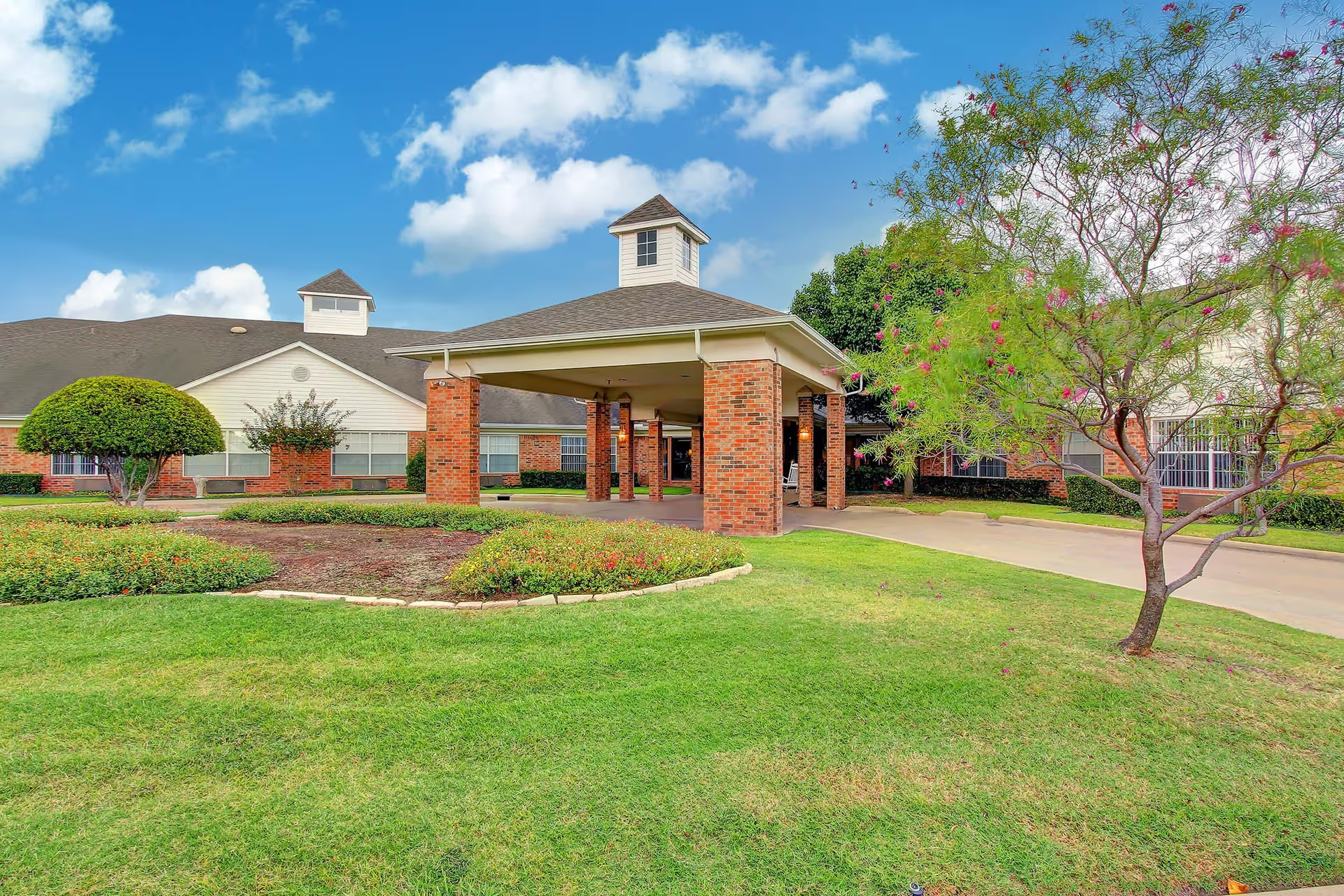
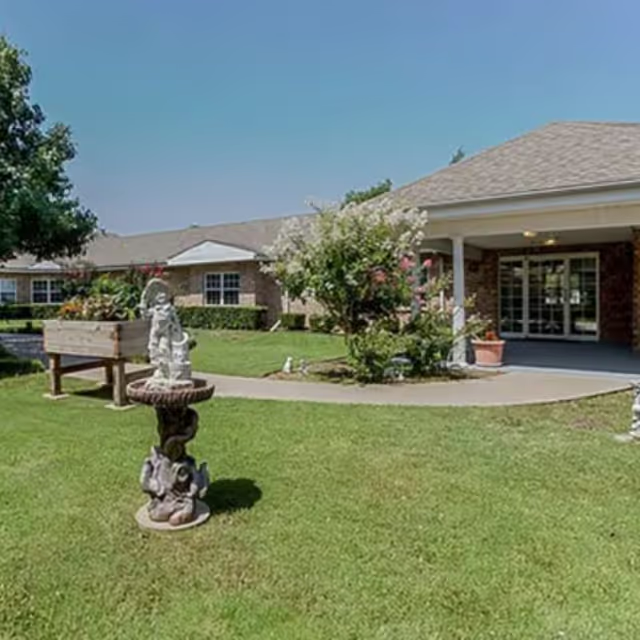
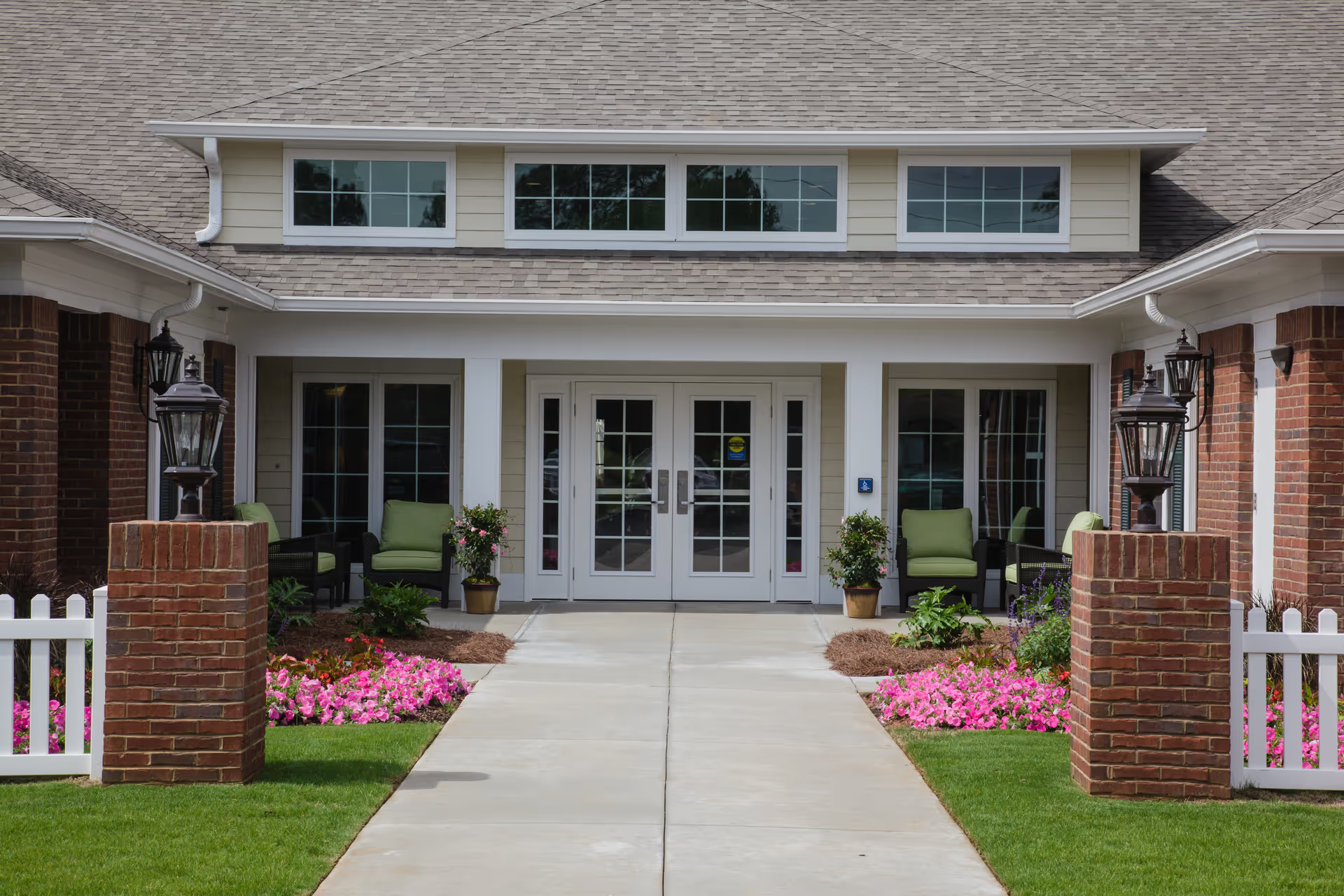
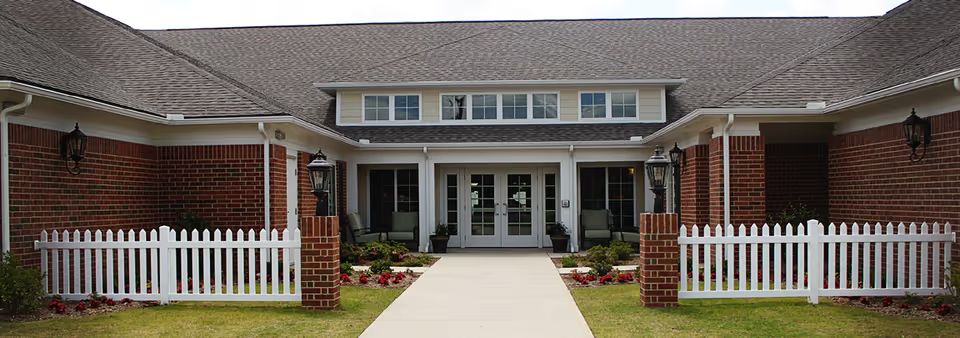
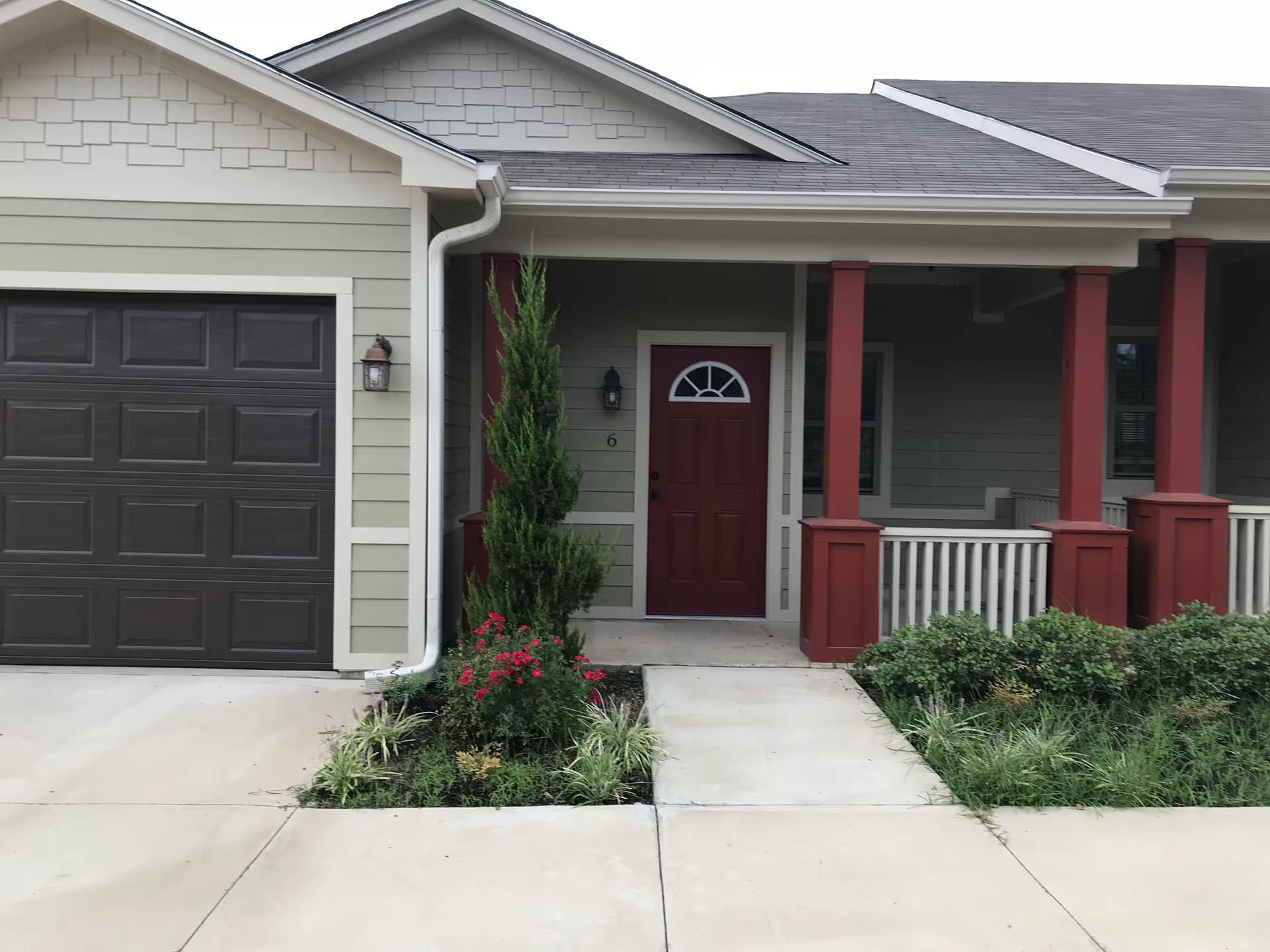
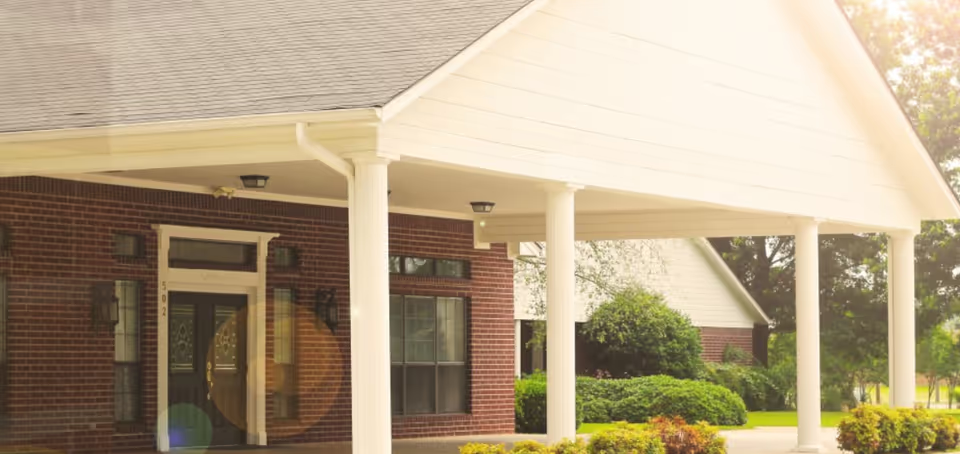
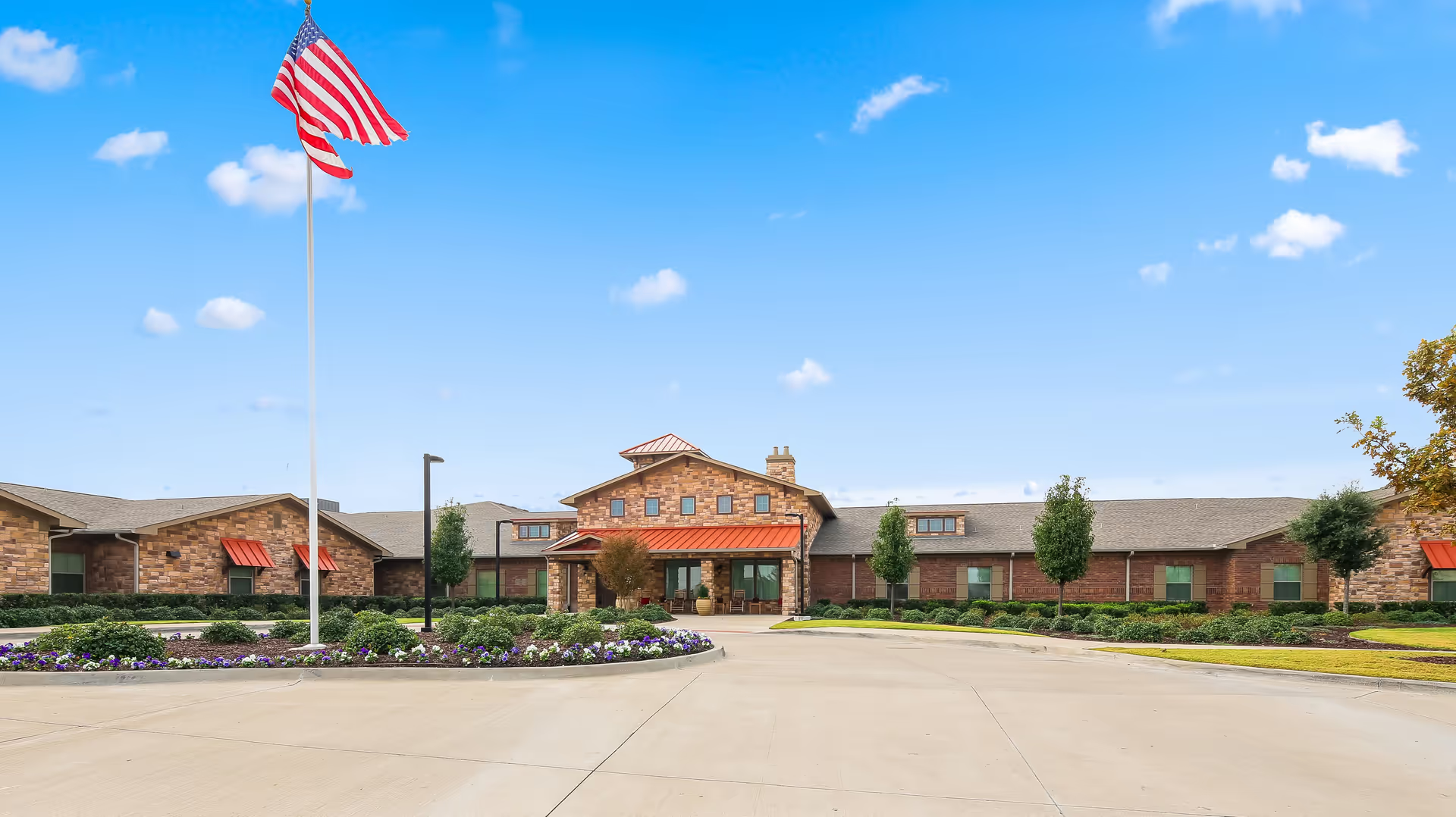
Facilities and maintenance: The facility is described as clean and well maintained by multiple reviewers, with rooming flexibility (private or shared options) and a small-town atmosphere that many families find comforting. At the same time, specific operational complaints about personal-property tracking (missing clothing) suggest areas where administrative processes could be tightened.
Management and patterns to watch: Management staff receive both praise and criticism — some families highlight strong, caring leadership, while others describe dismissive responses when issues arise. The combination of positive hands-on management reports and separate reports of operational failures suggests inconsistent resolution processes. Prospective residents and families should request details on medication administration protocols, wound-care procedures, staff turnover rates, staff training programs, incident-reporting practices, and how family concerns are escalated and documented.
Bottom line: The facility demonstrates clear strengths in dining, activities, and the efforts of many frontline caregivers and managers, which contribute to a supportive, small-community environment. However, the recurring operational concerns — especially around medication management, consistency of personal care, staff stability, and communication practices — are significant enough to warrant focused questions during a tour and review of policies. Families should seek written policies and recent quality metrics, ask to speak with current families, and review medication and care-plan processes before making a placement decision.