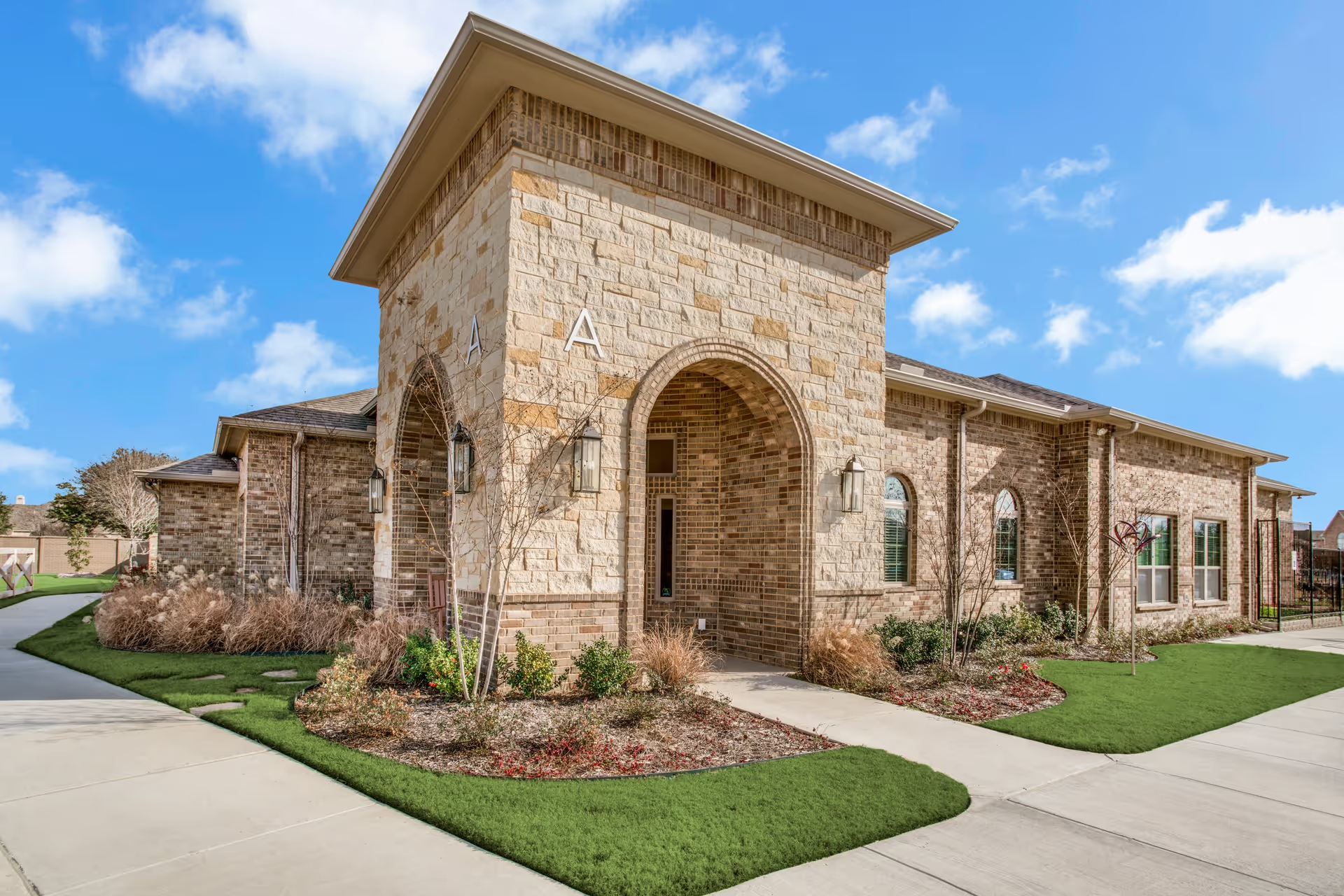
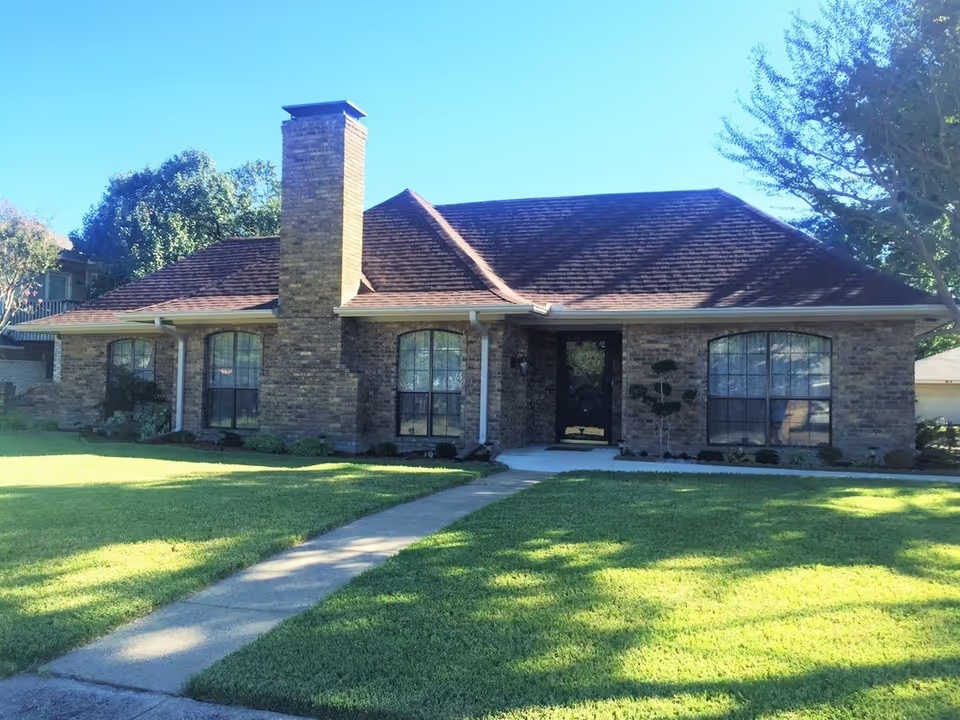
The body of reviews for Rock Ridge Assisted Living and Memory Care presents a polarized picture: many families and residents praise the facility’s physical environment, amenities, and a core of compassionate staff, while others describe operational weaknesses that raise safety and quality‑of‑care concerns. The facility’s strengths include an attractive, well‑maintained campus with hotel‑style dining areas, a range of on‑site amenities (garden, salon, theater, exercise room, bistro), and staff members frequently described as warm, attentive, and willing to go beyond baseline responsibilities. Admissions and move‑in coordinators are often singled out for strong onboarding support, and several reviewers note on‑site therapy and periodic physician visits that support clinical continuity for residents.
Care quality is uneven across reviews. Positive comments emphasize personalized attention, dignity in caregiving, and one‑on‑one support that helped some residents thrive after a move. Conversely, a substantive set of concerns relates to clinical operations: inconsistent medication administration and documentation, lapses in timely clinical response, and delays in attending to resident hygiene and toileting needs. There are also specific serious claims — including allegations of medication withholding, paperwork irregularities, and regulatory attention — that warrant careful verification with licensing agencies and facility leadership. Memory‑care families express heightened sensitivity to these operational risks because residents with cognitive impairment require consistent, well‑trained staff and robust protocols.
Staffing and training emerge as a central theme. Many reviews describe caregivers and individual employees as compassionate, skilled, and communicative; at the same time, reviewers report variability depending on shift and personnel, understaffing at times, frequent leadership turnover, and gaps in dementia‑specific training. Weekend coverage and on‑site managerial presence are noted as inconsistent, which families cite as contributing to delayed responses and uneven oversight. Turnover among directors and difficulty reaching management about concerns are recurring management‑level criticisms.
Dining and activities receive mixed evaluations. Several reviewers praise the dining room atmosphere, meal presentation, and occasional high quality menu items, while others note reliance on frozen or overcooked entrees, limited menu variety, and failures to accommodate special diets. Activity programming is robust in some accounts — with many indoor options, planned events, and social engagement — but other families report limited outdoor or off‑site activities and variability in how well scheduled programming is delivered.
Facility maintenance and safety descriptions are also mixed. Positive comments highlight cleanliness, fresh interiors, and attractive landscaping. Negative operational themes include laundry equipment maintenance gaps, sanitation concerns in shared laundry or common areas, occasional odor concerns, and reports of exterior doors or security features not functioning reliably. These issues intersect with safety-related complaints such as falls and uncontrolled wandering from memory‑care spaces; reviewers recommend clarifying door‑control systems and fall‑prevention protocols during a tour.
Administrative practices and billing create additional patterns to consider. Some families describe helpful, communicative administrative staff and smooth move‑ins; others raise concerns about deposit/refund delays, changes to codes or policies without notice, aggressive sales tactics, and higher-than-expected costs — particularly for memory care. Prospective residents and families should obtain written explanations of billing policies, move‑in/move‑out charges, and refund timelines.
Overall, Rock Ridge appears to offer a high‑quality physical environment and a number of dedicated caregivers and support staff, but the consistency of care and operational oversight varies across reports. For families considering this community, an in‑person tour that includes a review of clinical staffing ratios, medication‑administration practices, dementia‑care training, incident logs, dining menus (including accommodations for special diets), laundry and sanitation protocols, weekend managerial coverage, and a review of billing/refund policies is advisable. Checking the facility’s recent state inspection history and asking for references from current memory‑care families can help confirm whether the positive operational patterns are stable and whether the documented concerns have been addressed.