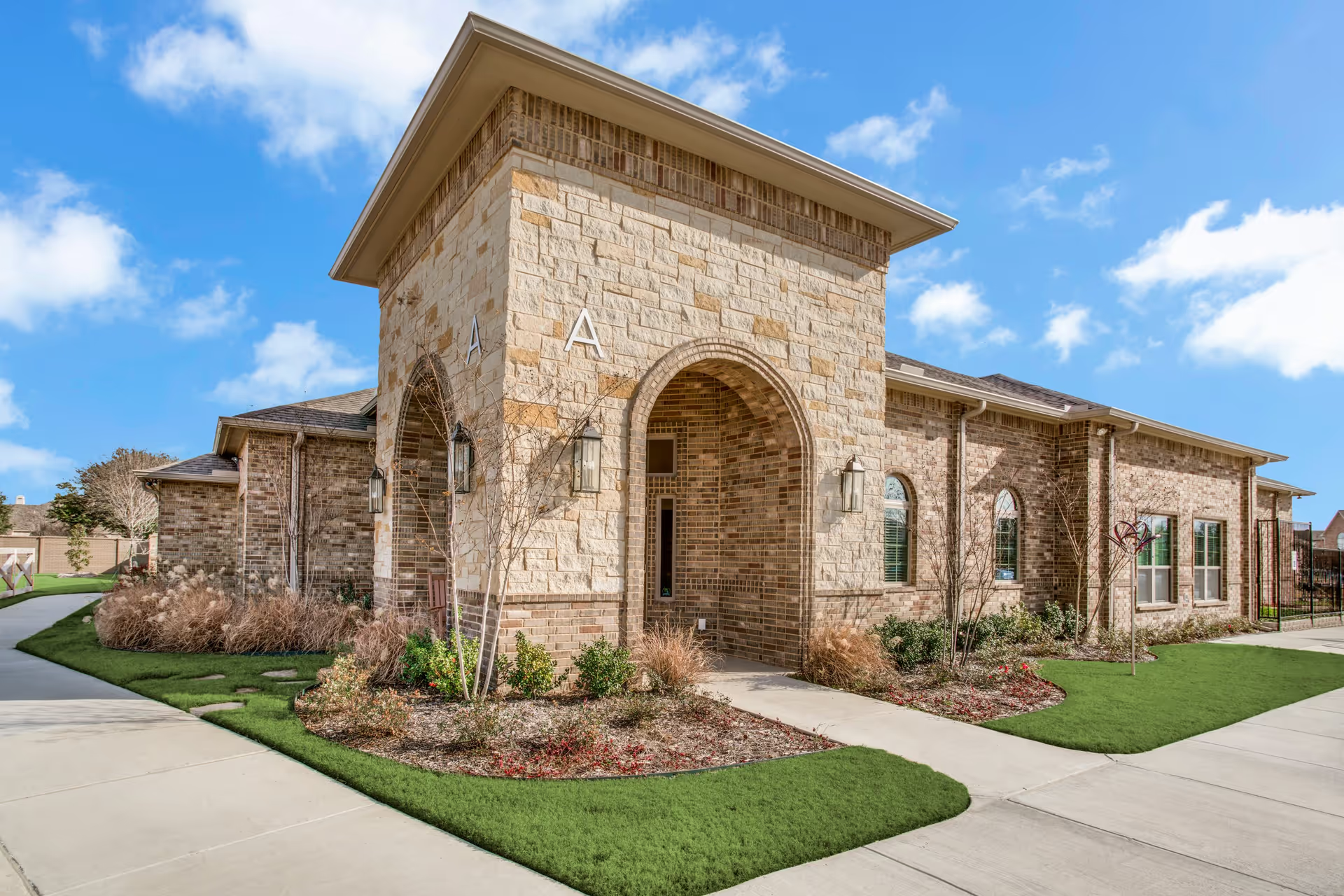
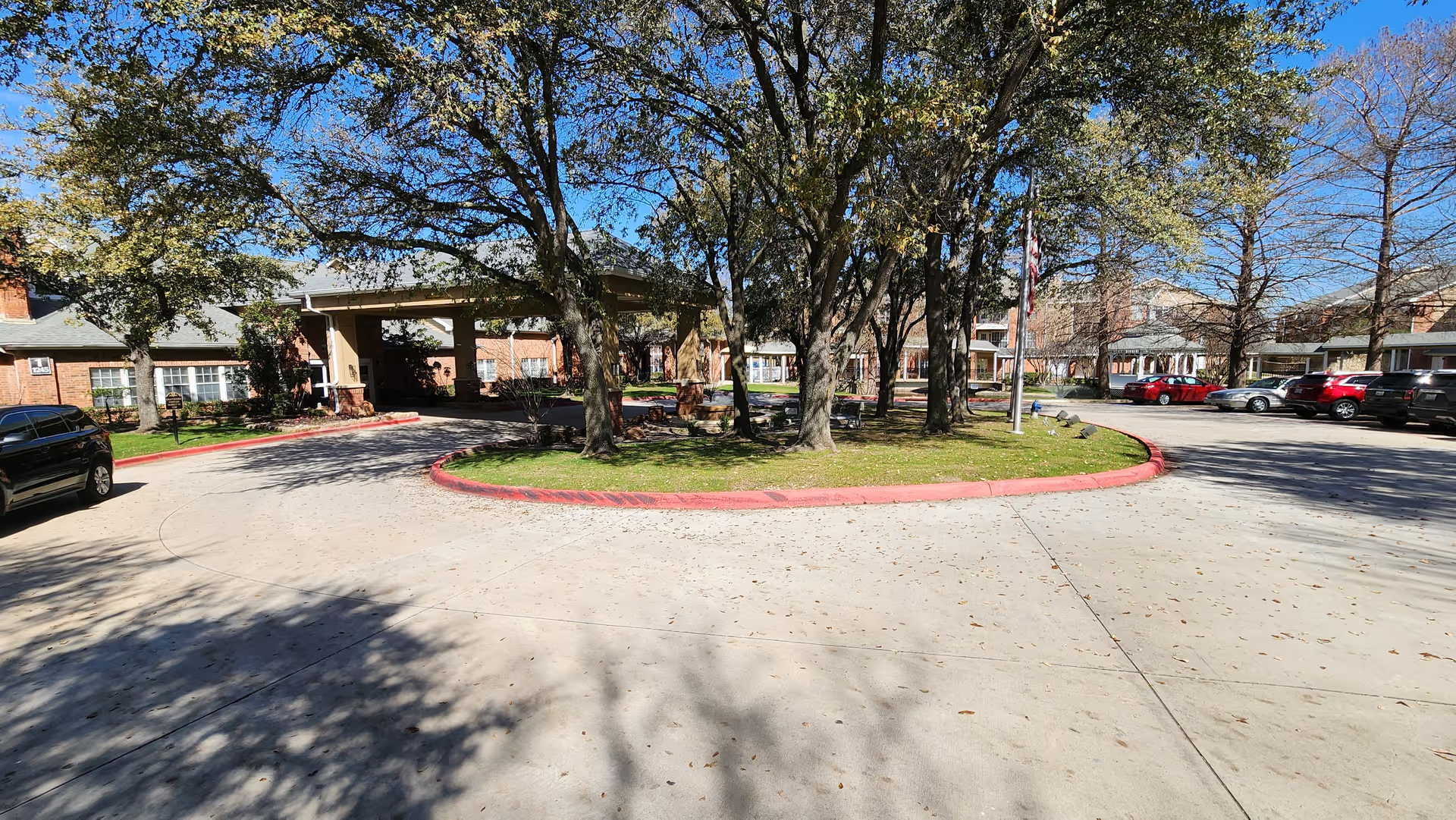
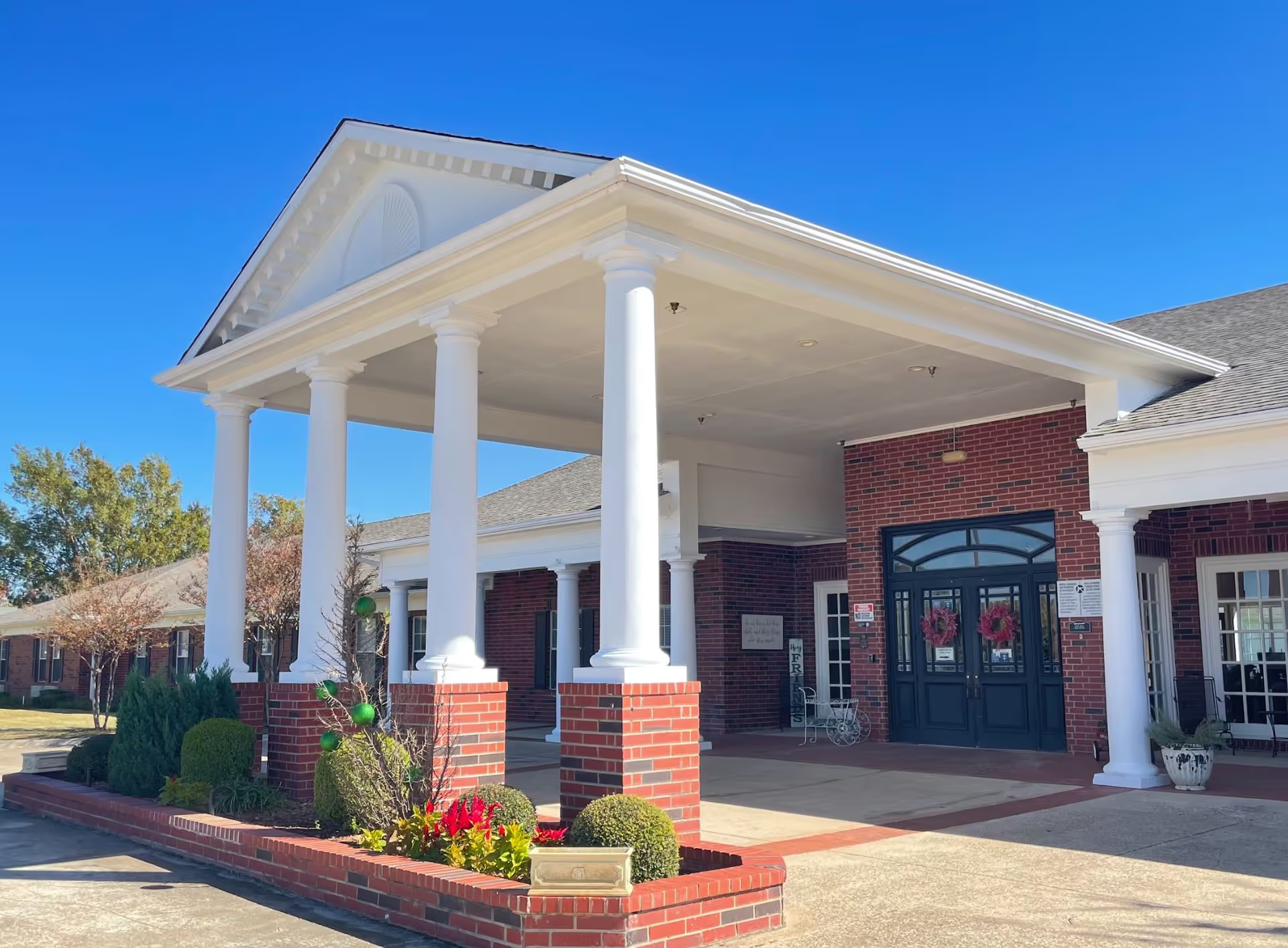
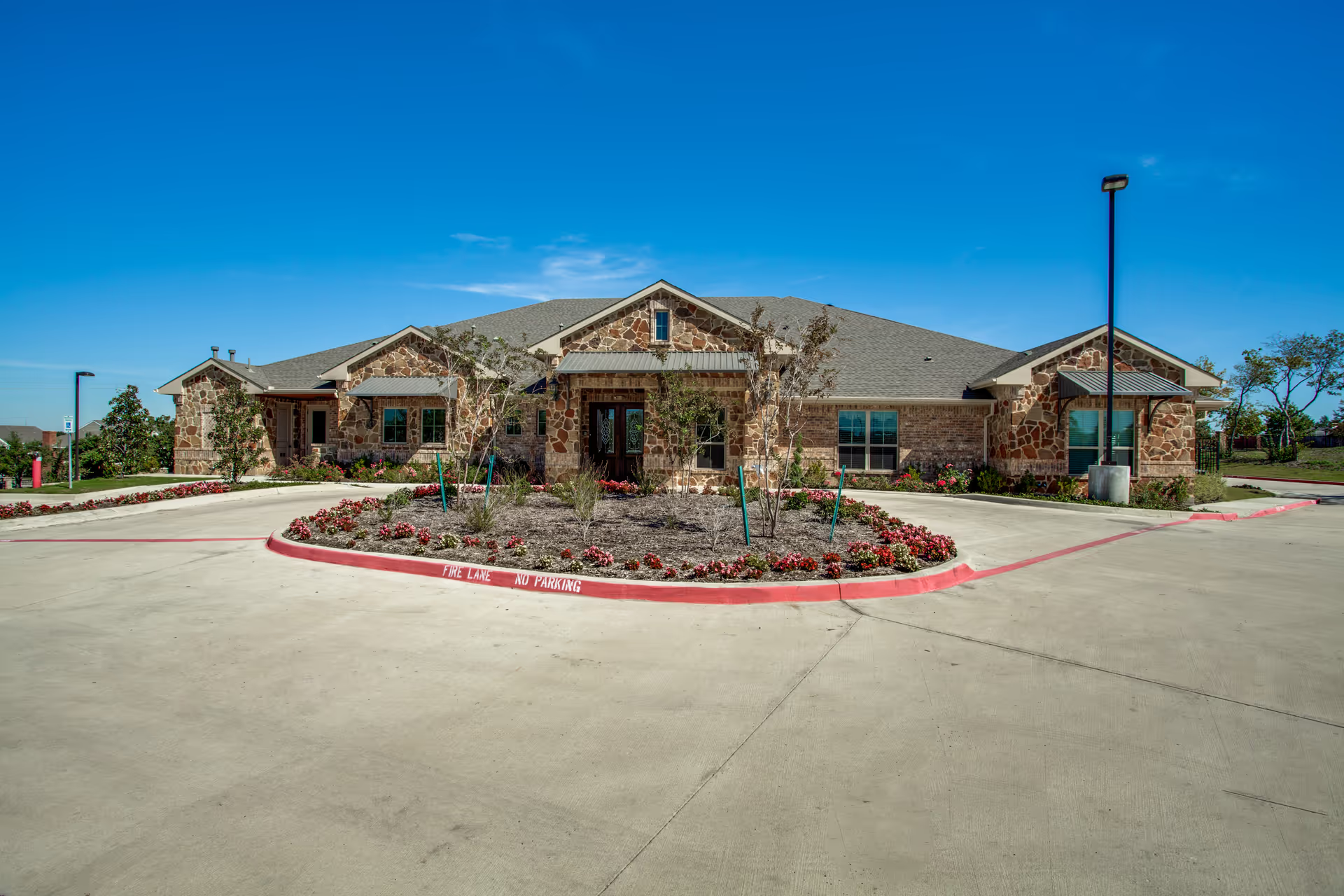
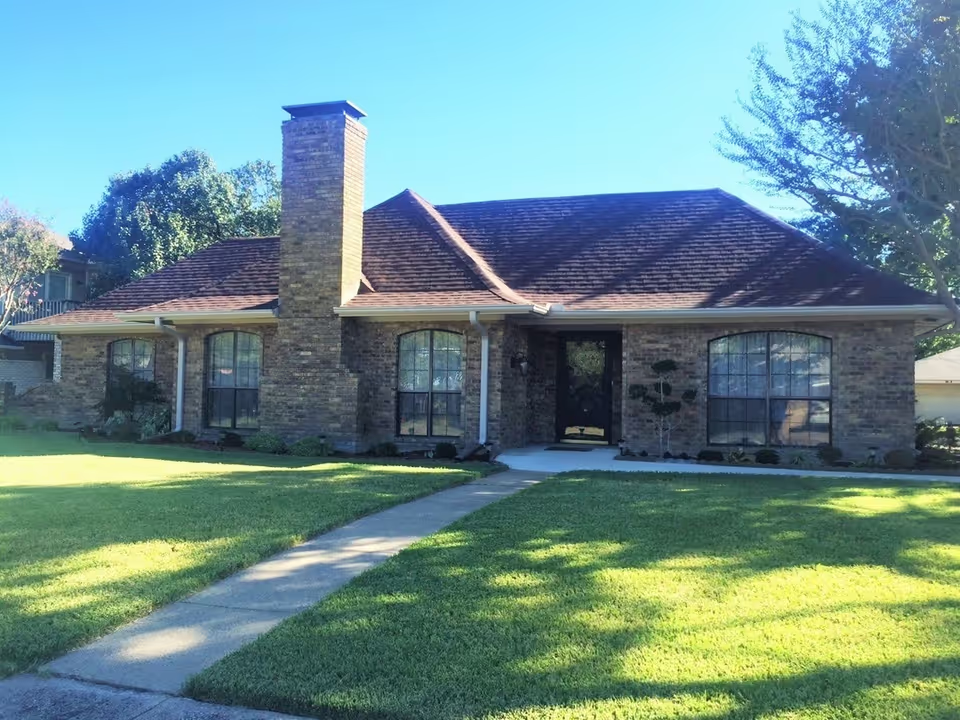
Overall impression: Mercer Terrace presents as a small, home‑style senior community with a clear emphasis on social connection and hands‑on staff support. Many families describe warm, friendly caregiving staff, strong staff–resident relationships, and a range of daily activities that promote socialization and engagement. Common-area cleanliness, a secure entry system, and convenient proximity to family are recurring positives that contribute to a sense of safety and comfort for residents.
Care quality and staff: Care is frequently described as attentive and compassionate; admissions and short‑term placement assistance are often characterized as supportive and proactive. At the same time, reviews indicate variability in clinical processes and staffing stability. There are operational concerns around medication-management communication and emergency/hospital-communication procedures that warrant direct verification during a tour. Staffing turnover and inconsistent coverage at times appear to affect continuity of care and available hands‑on time with residents.
Dining and activities: The community offers an active programming schedule, including live performances and game nights, which many residents enjoy. Dining is a mixed area: some residents praise the kitchen and a cook who adapts to preferences, and there are reports of a new chef/kitchen improvements, while other families cite inconsistent food quality and less flavorful vegetable preparation. Prospective families should sample meals and ask about menu rotation, allergy accommodations, and how food-quality concerns are tracked and addressed.
Facilities and maintenance: Mercer Terrace is described as smaller and welcoming, with some rooms offering mini‑suite configurations. Common areas are often noted as clean and pleasant, but the building shows signs of being older in places and in need of periodic updating. Maintenance response is generally credited when working well, yet there are documented patterns of inconsistent housekeeping, laundry delays, and isolated sanitation or pest‑control concerns. Visitors should inspect specific unit conditions and ask about scheduled upgrades and pest‑control protocols.
Management and operations: Experiences with leadership are mixed. Several families praise on‑site directors and staff who are communicative and helpful; others report frustration with executive‑level responsiveness, billing inconsistencies (for example, extra-day charges), and difficulties obtaining promised items or devices (for example, personal call-button devices). Policy changes and staffing reorganizations have produced some discontinuities in activities and visitation practices. Verify administrative processes (billing, discharge/transfer communication, grievance procedures) and ask how the community handles follow‑up on family concerns.
Notable patterns and advice: The strongest consistent theme is the community’s social, family‑like environment and the dedication of many front‑line staff. The principal areas of operational risk are variability—across shifts and leadership periods—in meal quality, housekeeping, clinical communication, and administrative responsiveness. Prospective residents and families should tour at mealtimes, meet nursing or clinical staff, review policies on medication management and hospital communication, confirm laundry and housekeeping schedules, and request documentation on recent maintenance and pest‑control activity. For residents with higher memory‑care or clinical needs, confirm the facility’s clinical capabilities and emergency procedures before placement.