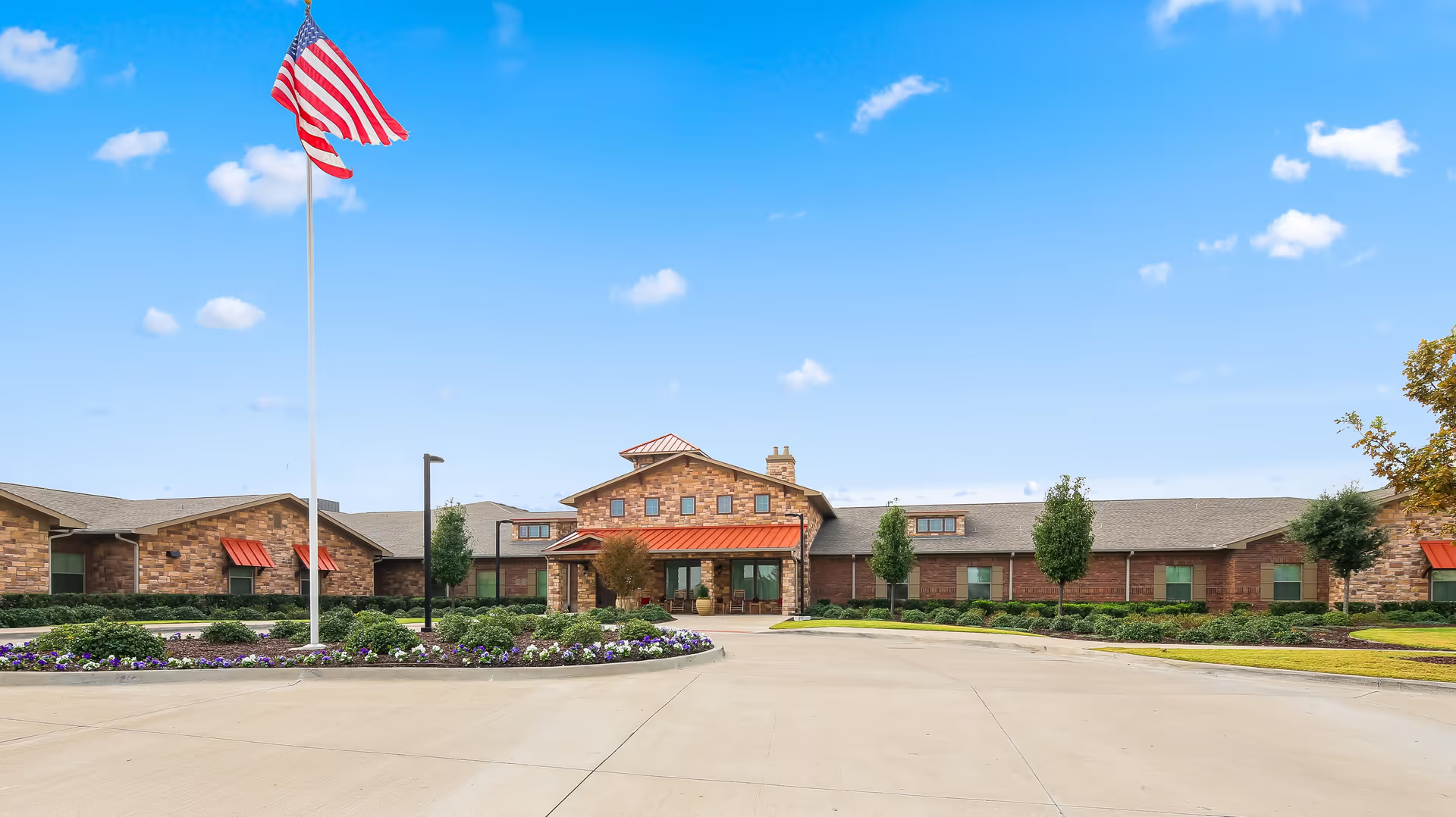
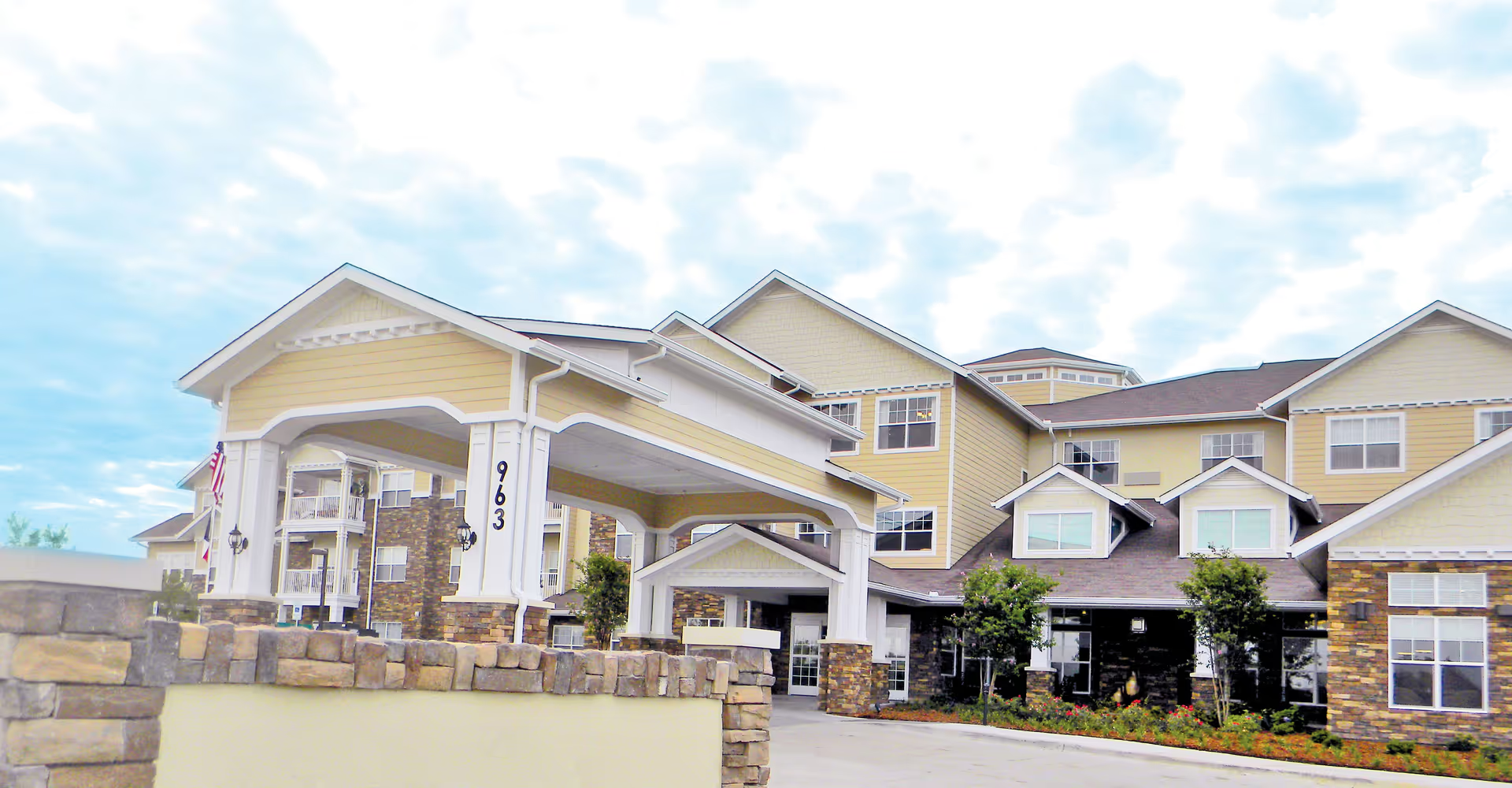
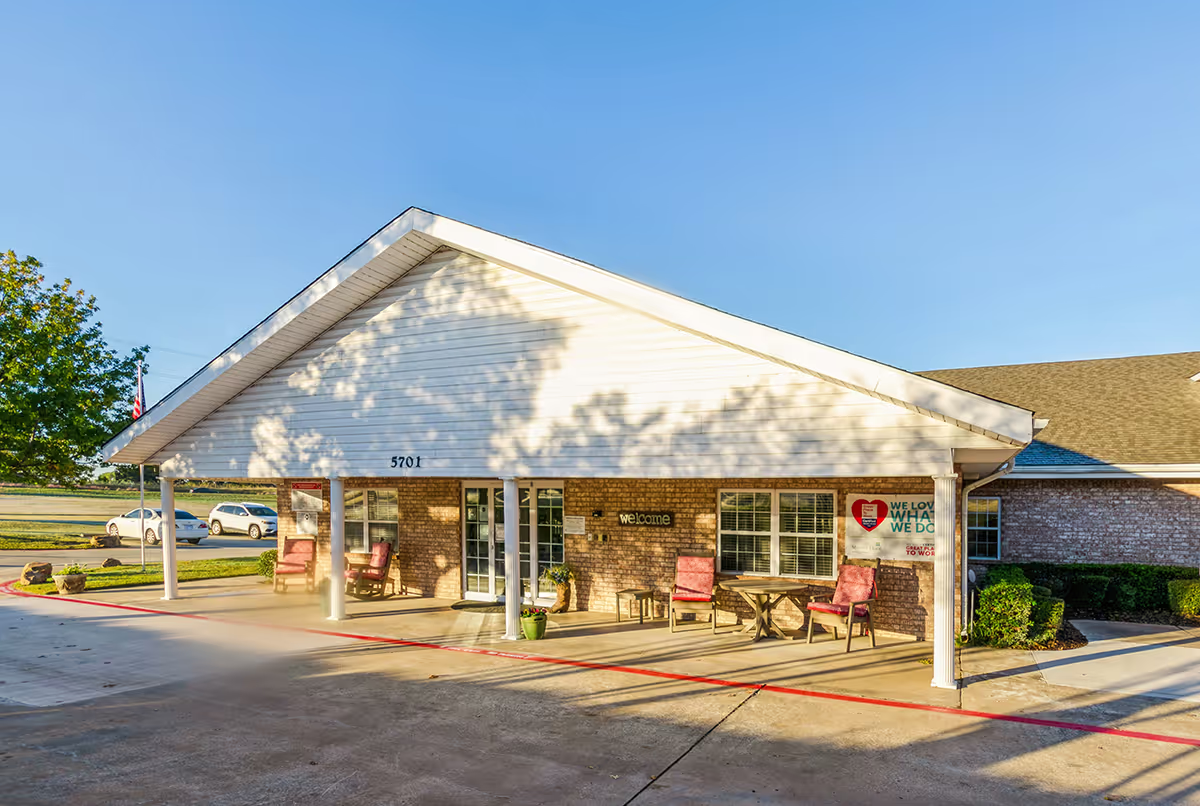
Colonial Oaks at Rockwall is described by many families as a small, memory-care–focused community with a strong emphasis on resident engagement and a family-like atmosphere. Positive patterns include a caregiving team frequently characterized as compassionate and attentive, a robust activities program with live musicians and regular social events, on-site personal-care services, and convenient clinical access such as geriatrician, podiatry, and dental visits. Dining is often praised for being restaurant-quality and nutritious, and many visitors note clean, well-appointed common areas and a homelike setting.
Care quality perceptions are mixed but tilt positive when staff are present and consistent. Numerous accounts highlight caring direct-care workers who are skilled at dementia-focused redirection, personalization of activities, and day-to-day resident support. At the facility level, reviewers emphasize effective short-term rehab coordination and proactive transition planning in several cases. However, recurring operational concerns include inconsistent staffing levels (notably nights and weekends), staff turnover that affects continuity, and occasions when nursing presence or responsiveness appeared limited. Several families raised concerns about medication-administration processes and about being notified of medication changes promptly; this suggests a need for clearer communication protocols between clinical staff and families.
Dining and activities are among the facility’s strengths: many reviewers describe appealing meals, frequent social programming, weekly musical involvement, and activity planners who tailor offerings to cognitive levels. That said, there are also recurrent comments about meal-service continuity problems (meal substitutions, incorrect trays, or running out of menu items) and occasional dissatisfaction with flavor or consistency. Prospective families should verify how dietary preferences and special diet cards are handled on a day-to-day basis.
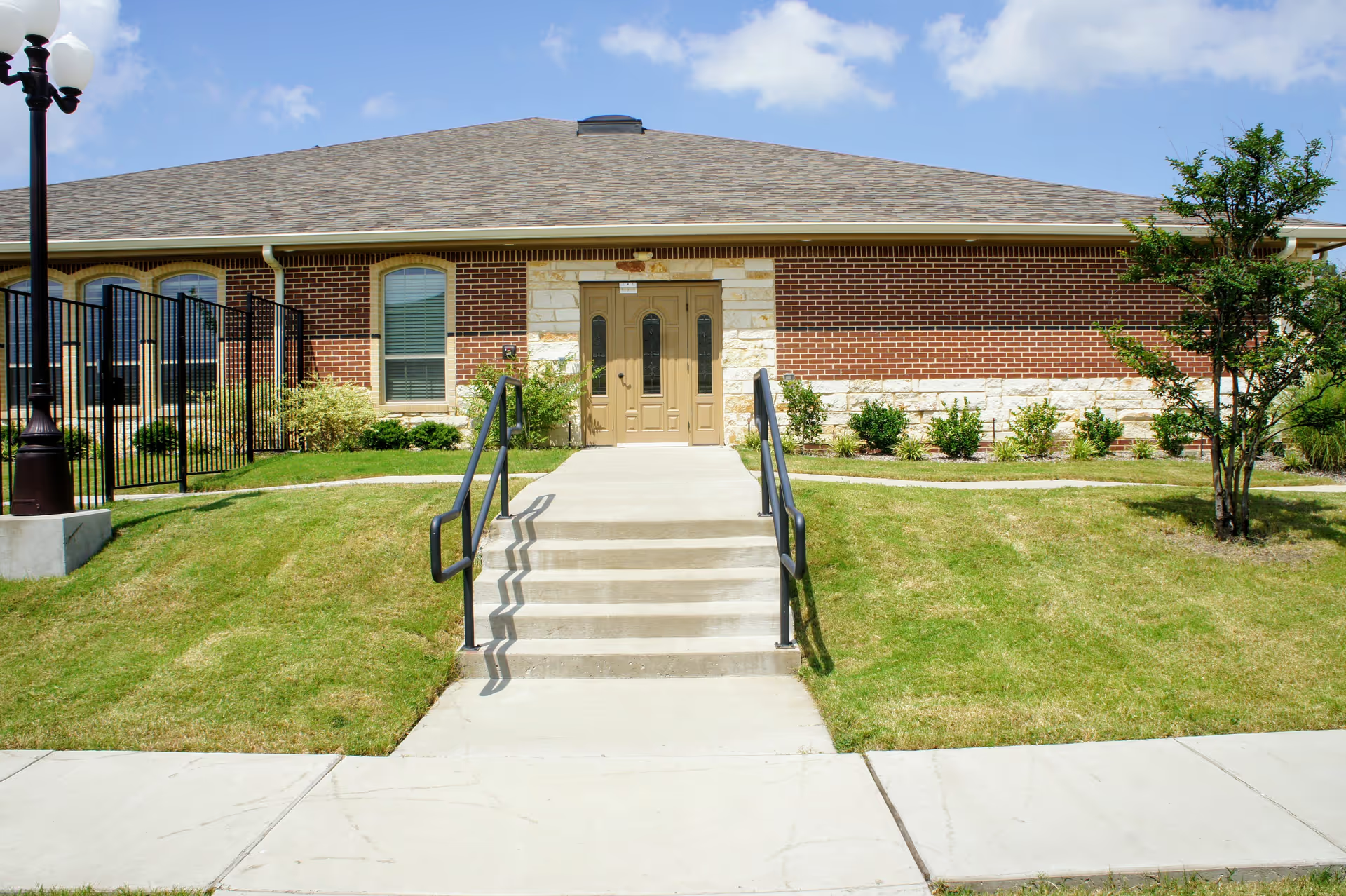
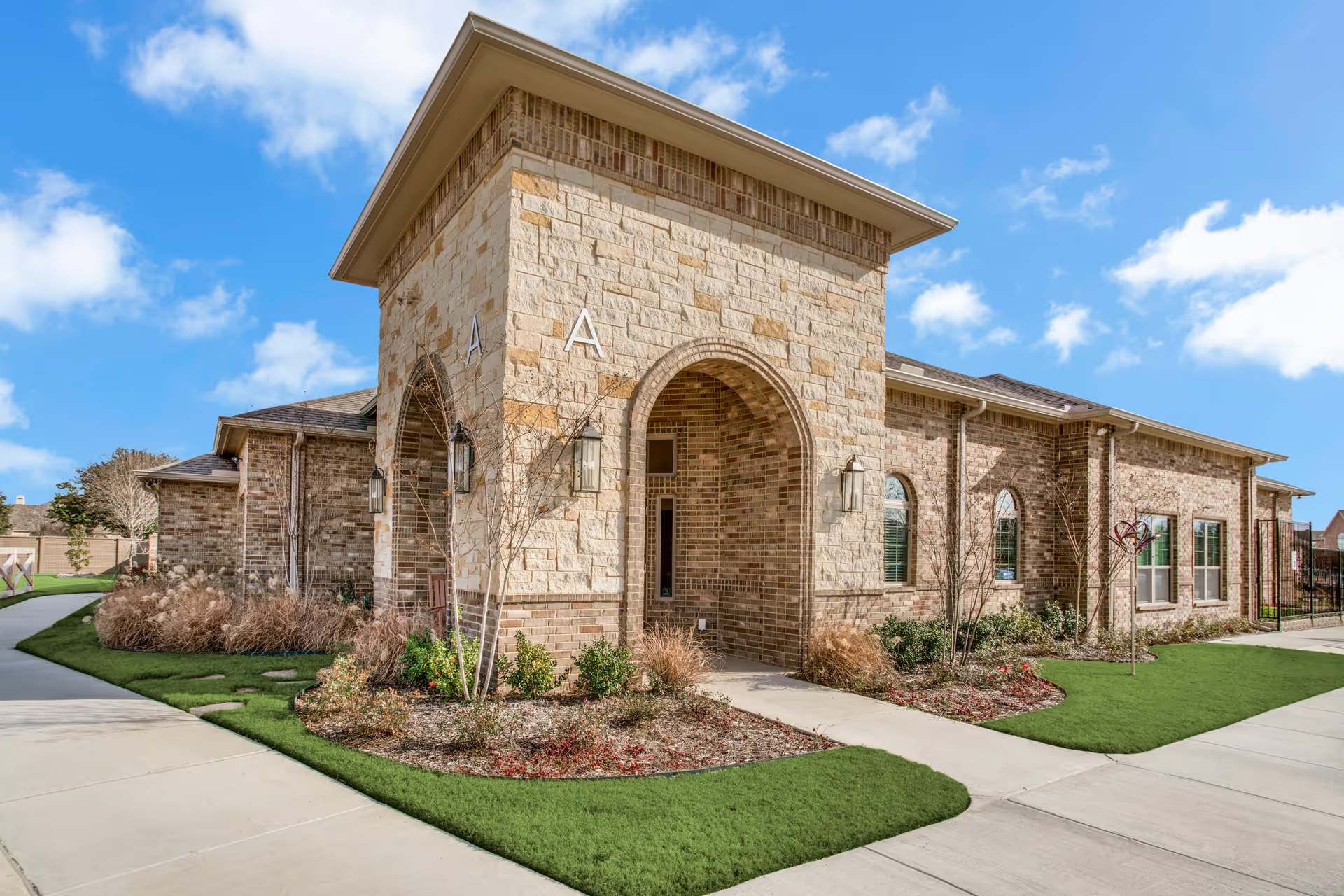
Facility and housekeeping impressions vary. Many reviewers find the building clean, welcoming, and well maintained with sunny rooms and pleasant outdoor spaces. Contrasting accounts note uneven housekeeping coverage, laundry and clothing-management problems, and localized pest-control issues that warrant inquiry. Maintenance needs such as furniture replacement and restricted access to outdoor areas were mentioned as operational limitations rather than universal conditions.
Management and organizational patterns are a prominent source of divergence in the reviews. Several families praise proactive office staff, prompt move-in assistance, and an executive team that engages with families. Conversely, others describe management practices that undermine staff morale (public reprimands, rehiring controversies), slow administrative follow-up, and occasional high-pressure admissions approaches. These management dynamics appear to correlate with variability in day-to-day consistency: where leadership and staffing are stable, families report excellent care; where they are not, operational lapses become more visible.
Taken together, Colonial Oaks at Rockwall offers substantive strengths in memory-care programming, compassionate hands-on caregiving, and an active social environment. However, variability in leadership, staffing consistency, medication communication, laundry/housekeeping processes, and certain maintenance or pest-control issues create uneven experiences across families. Prospective residents and families would benefit from focused questions during tours about current staffing ratios (day/night/weekend), medication-notification protocols, laundry and personal-item processes, pest-control measures, and examples of recent management improvements to gauge how the facility is addressing the operational concerns identified by reviewers.