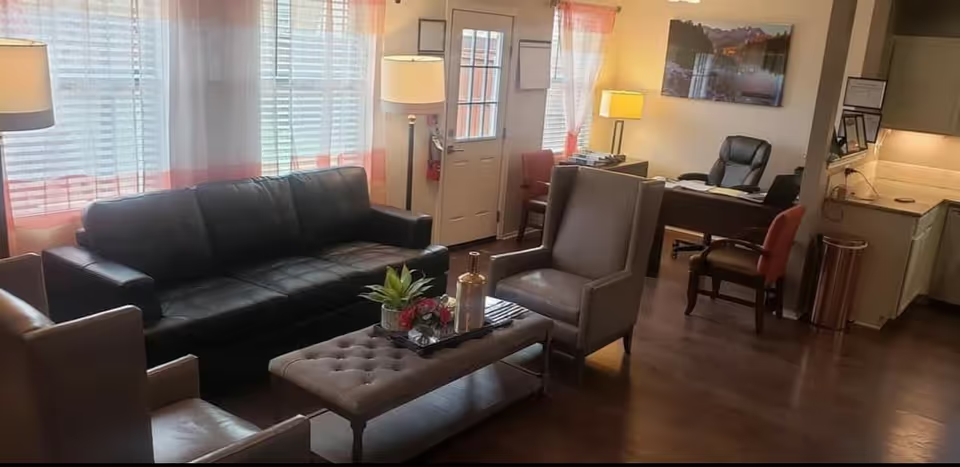
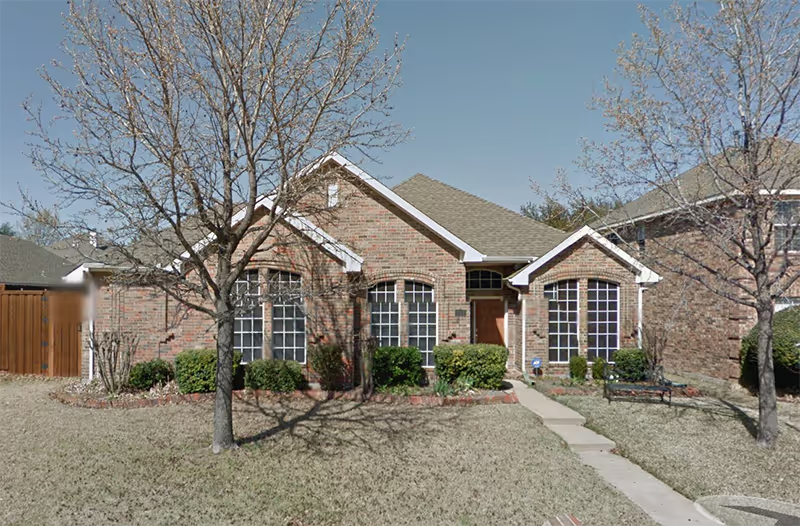
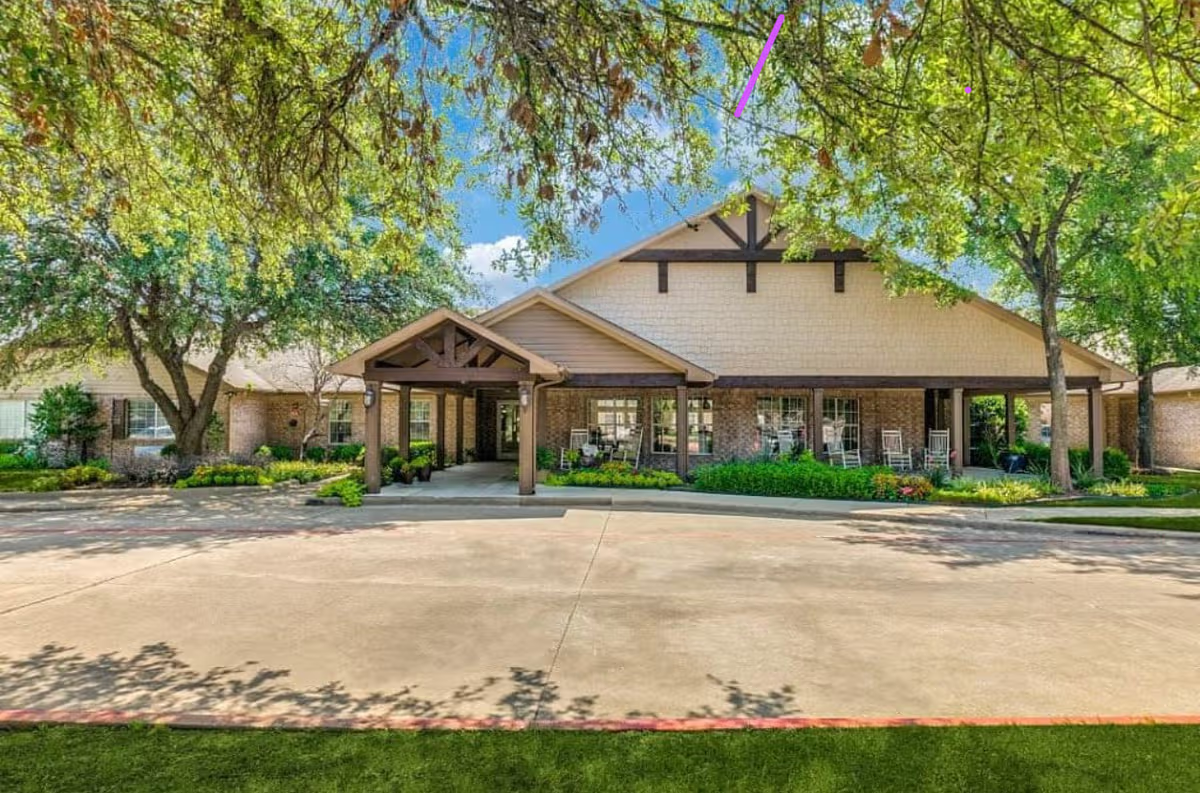
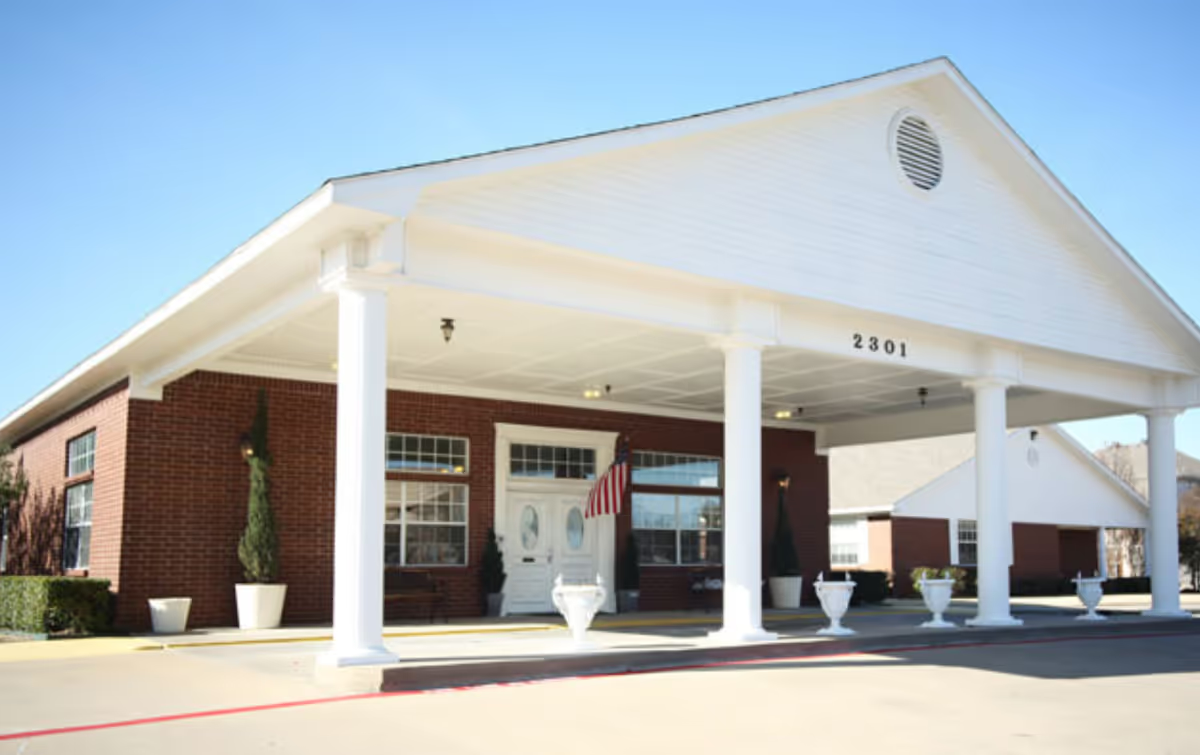
Overall impression: Lexington Medical Lodge presents as a modern, well-appointed post-acute and long-term care facility with many features families find attractive—bright rooms, en suite bathrooms, in-room refrigerators and TVs, renovated dining spaces, and pleasant outdoor areas. The facility also has a well-equipped therapy studio and a clear rehabilitation focus that several families credited with measurable functional improvement.
Care and clinical quality: Clinical performance appears mixed. Many reviewers praised the therapy teams and cited effective physical and speech therapy programs that supported successful discharges. At the same time, there are recurring concerns about medication timeliness and accuracy, missed or delayed administration, and gaps in wound and clinical-incident management. Families described delays in escalation for infections and wound care; these accounts point to inconsistencies in clinical follow-up and late initiation of treatments in some cases.
Staff and communication: Staff interactions are a polarizing theme. Numerous comments highlight compassionate, attentive nurses, CNAs, therapists, and admissions staff who communicate well and build rapport with residents. Conversely, reviewers also described variable staffing levels, high turnover, and uneven training—factors that contributed to slow responses to call lights, inconsistent personal-care routines, and what families characterized as lapses in bedside attention. Leadership responsiveness and family communication were cited as strengths by some families and as an area needing improvement by others.
Dining and activities: The facility’s dining program and activity offerings receive largely positive feedback. The renovated bistro and many menu items were appreciated; activities such as bingo, crafts, outings, salon services, and occasional pet visits contributed to an engaged atmosphere for residents. That said, there are intermittent complaints about meal timing, late or cold meal delivery, and variability in food quality.
Facilities and operations: Physical plant and amenities are generally praised—clean common areas, comfortable grounds, and well-equipped therapy spaces. Practical operational issues surfaced repeatedly: limited availability of private rooms (shared rooms are common), inconsistent room cleaning without prompts, furniture or mattress comfort concerns, and occasional delivery or equipment coordination problems. Infection-control practices and weekend staffing/scheduling were also cited as operational weaknesses during specific incidents.
Management and notable patterns: Review sentiment is polarized: many families describe seamless admissions, excellent discharge planning, and proactive management, while a subset describe poor administrative follow-through, billing disputes, and slow responses to critical complaints. Patterns that recur across reviews include understaffing (particularly on weekends), variability in medication and personal-care processes, and inconsistent leadership communication. There are also repeated mentions of property misplacement or loss and concerns about infection-control events.
Guidance for prospective families: Given the mixed themes, families should consider an in-person visit and structured questions about staffing ratios (including weekend coverage), medication administration protocols, wound-care escalation procedures, infection-control policies, private-room availability, and the facility’s approach to family communication and incident disclosure. Ask for recent quality metrics, therapy schedules and intensity, and examples of how leadership has addressed prior clinical or operational concerns. A tour during a meal and an opportunity to speak with therapy staff and nursing leadership can help assess whether the facility’s strengths align with a prospective resident’s clinical and social needs.