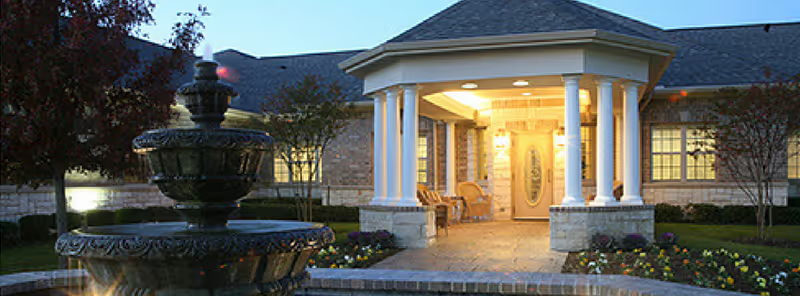
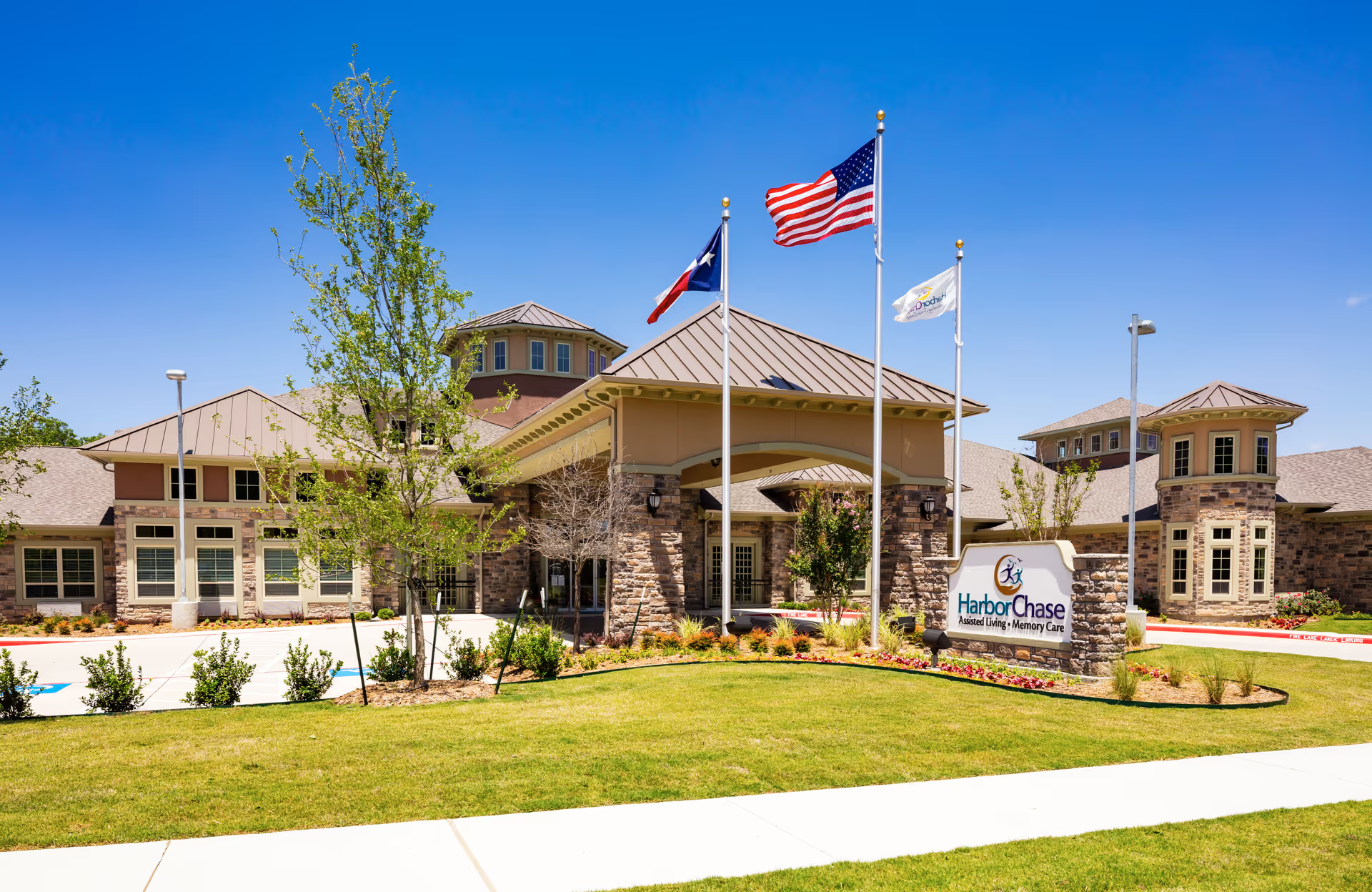
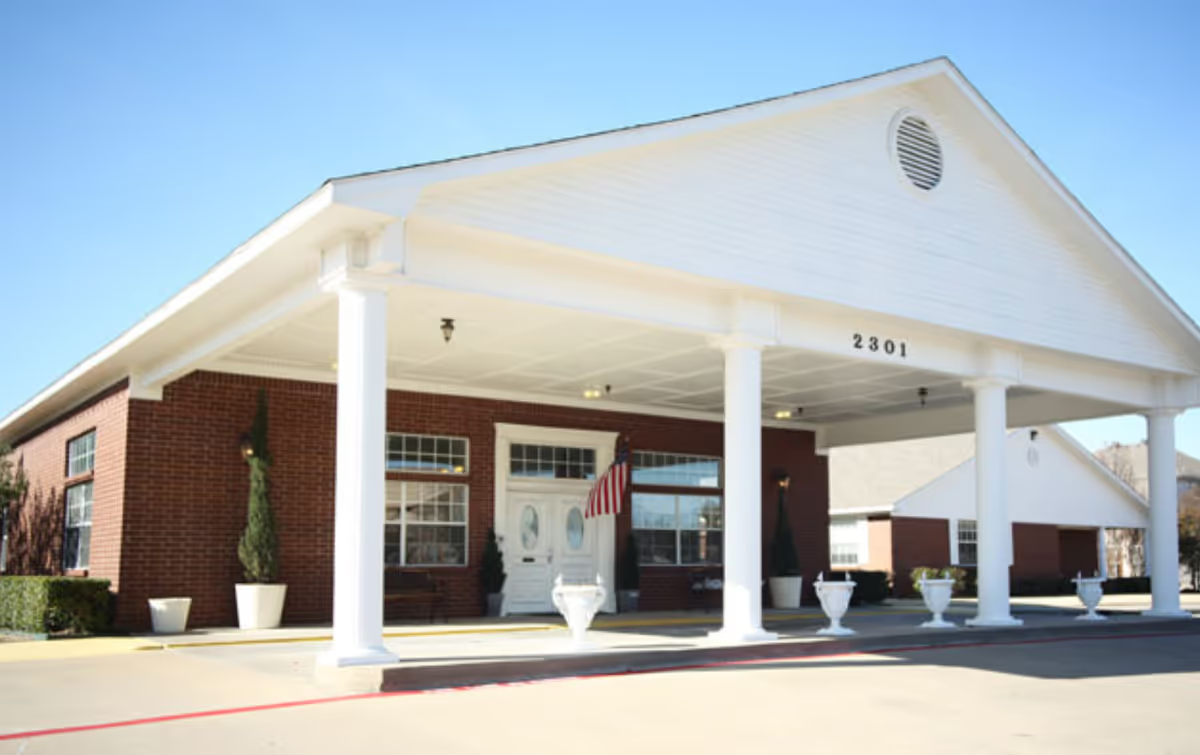
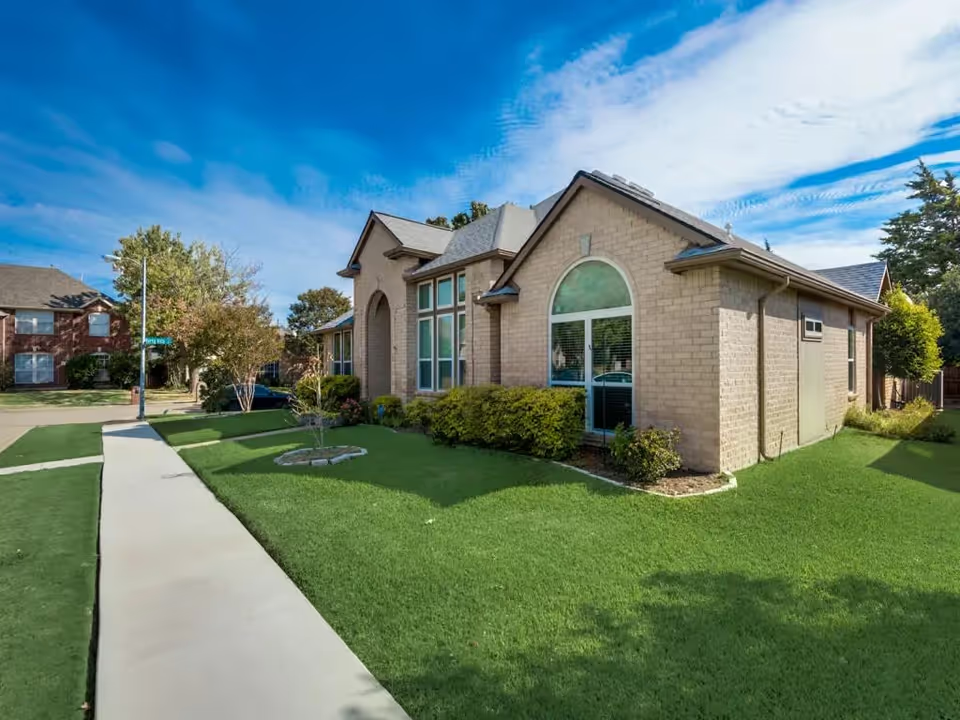
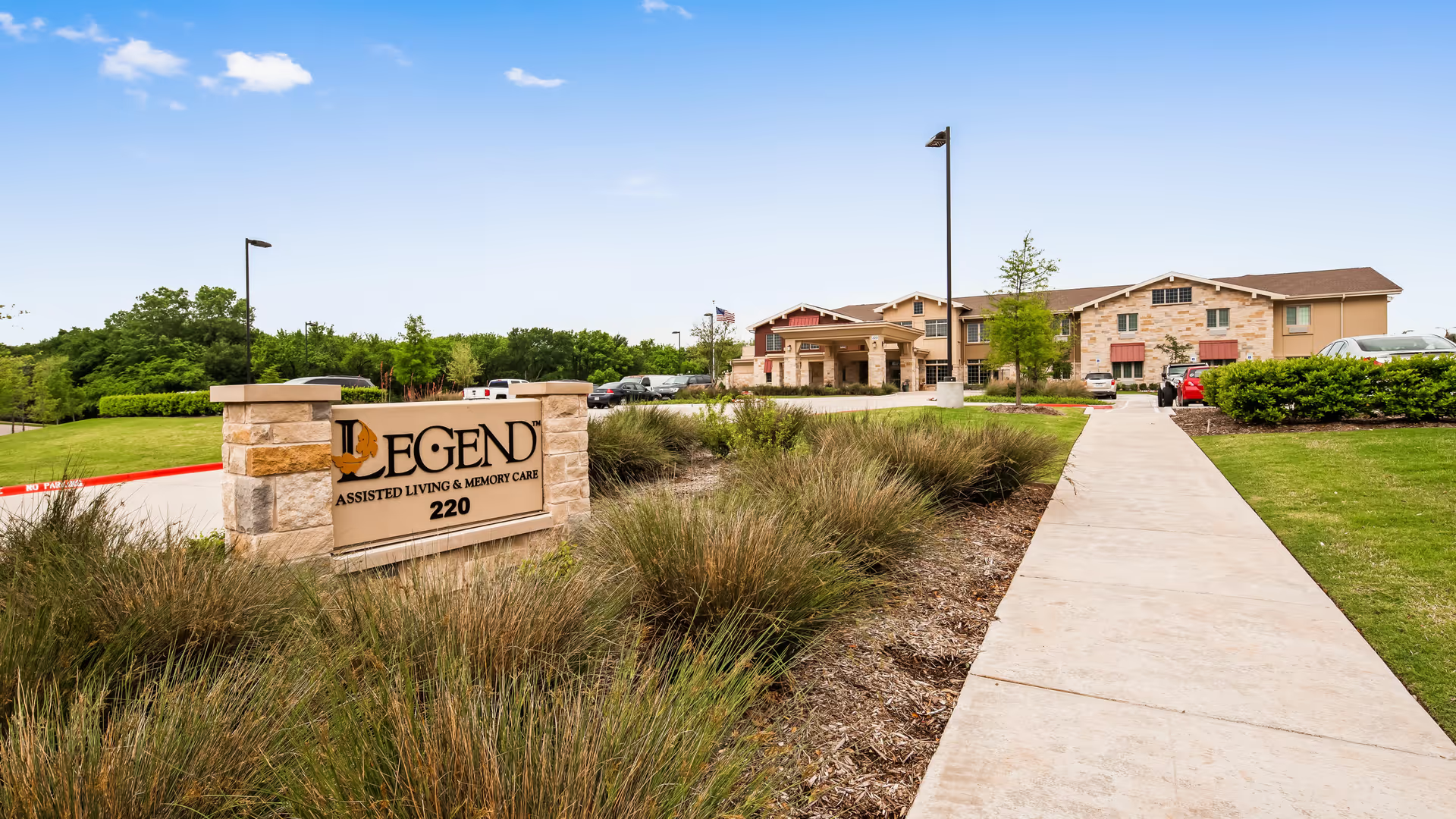
Reviews present a mixed but patternable picture. Many families praise the facility’s physical environment, therapeutic programming, and daily caregiving: the building is frequently described as recently remodeled, bright, and homelike, with private rooms and a layout suited to memory-care residents. Reviewers commonly note compassionate, attentive direct-care staff, a strong activities program (music, art, birthday and family events), and generally good meal planning that accommodates special diets. Several accounts highlight effective admissions/onboarding, regular physician access, and prompt attention to medical concerns, which contributed to strong satisfaction for many residents and families.
Care quality and staffing show divergent experiences. Positive reports emphasize respectful, engaged caregivers, consistent housekeeping, and hands-on staff who dine with residents and encourage participation. Conversely, a recurring negative pattern centers on staffing instability: high turnover, abrupt firings, and inexperienced replacement personnel that reviewers tie to declines in daily care. Several families described issues consistent with inadequate dementia-specific training, reduced responsiveness during evening and night shifts, and concerns about the tone and conduct of some staff during family interactions. There are also reports indicating gaps in clinical oversight and medication-management procedures that prospective families should probe during a tour.
Dining and activities are strengths in many accounts. The kitchen is frequently praised for nutritious, varied meals and ability to accommodate diets; communal dining and snack/shake options are noted positively. At the same time, a number of reviewers cited inconsistent food quality or kitchen continuity tied to staffing changes. Activity offerings are often described as creative and engaging, driven by an active activities director; however, small census or limited staffing can reduce social opportunities for some residents.
Facility operations and safety comments are mixed. Many reviewers value the facility’s maintenance, cleanliness, and small-scale, memory-care focus. Others raised operational concerns: inconsistent sanitation in some rooms or common areas, incontinence-care process issues, and unclear communication about emergency/fire plans. These concerns appear concentrated around particular shifts or periods of management transition rather than the physical plant itself.
Management and organizational patterns are a central theme. Positive experiences point to responsive administration, thorough onboarding, good communication, and perceived value. Negative experiences cluster around management turnover, leadership changes, and hiring practices that families view as problematic; these organizational shifts are often correlated with the operational issues described above and, in some cases, with families relocating residents. There are also isolated concerns related to hiring and equal-opportunity practices that prospective applicants and families may want to clarify.
Overall, the facility demonstrates clear strengths in environment, programming, and compassionate caregiving under stable conditions, but it also shows vulnerability to staffing instability and leadership changes that can affect day-to-day care, clinical oversight, and sanitation practices. Prospective residents and families should observe staffing levels (including evenings/nights), ask about dementia-specific training and staff turnover, review clinical oversight and medication protocols, inspect sanitation and incontinence-care processes, and attend a meal or activity to get a real-time sense of daily operations.