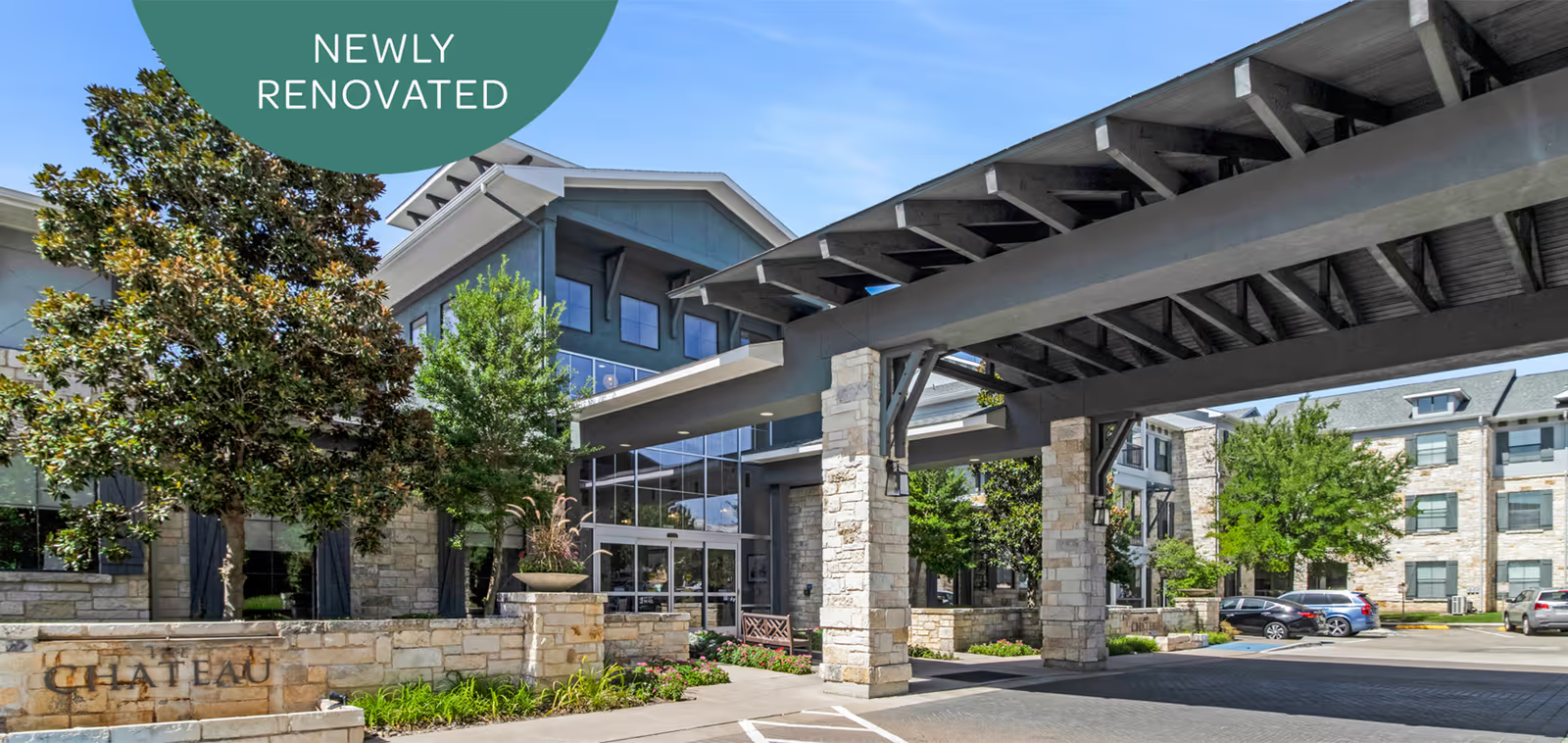
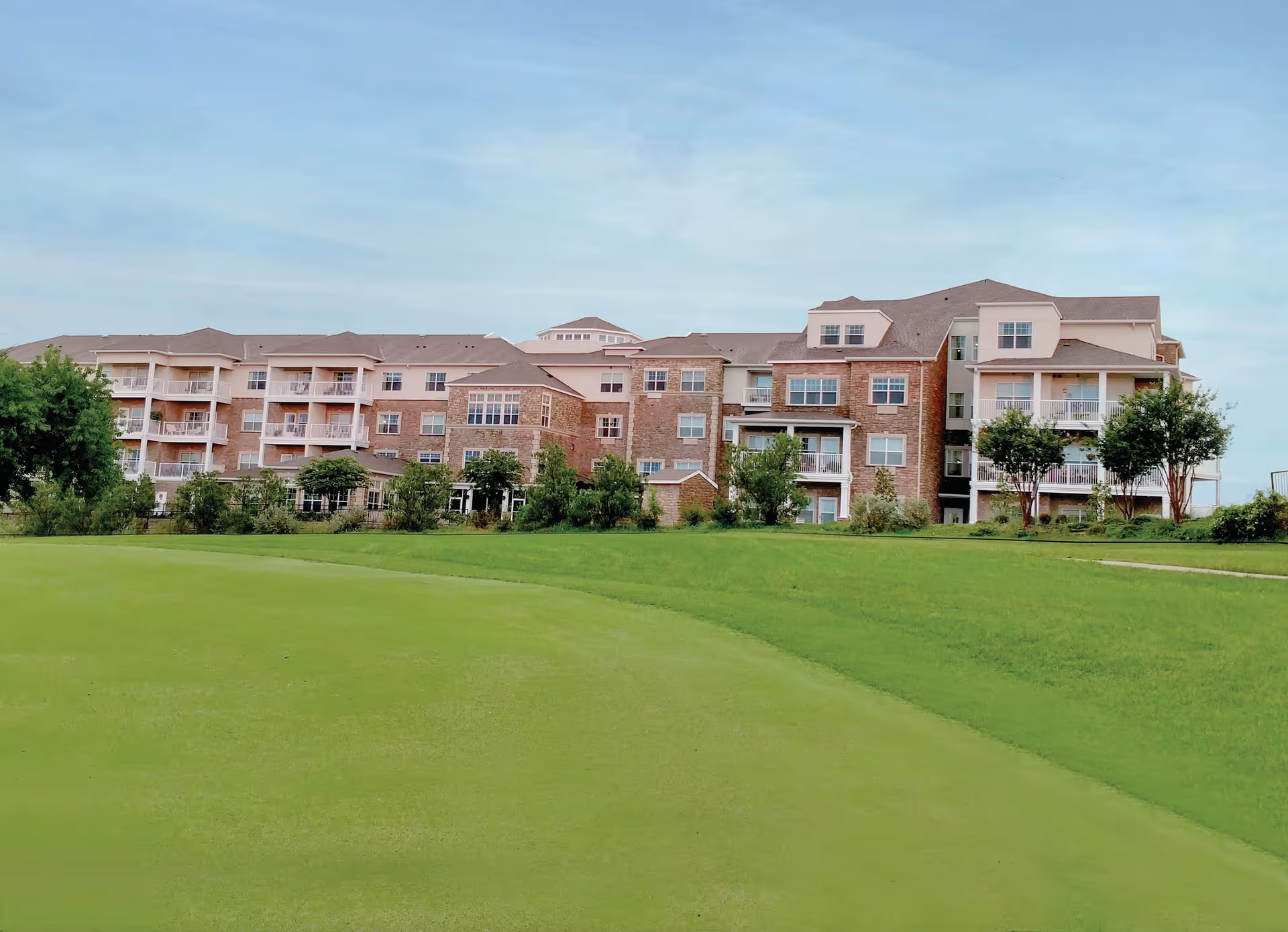
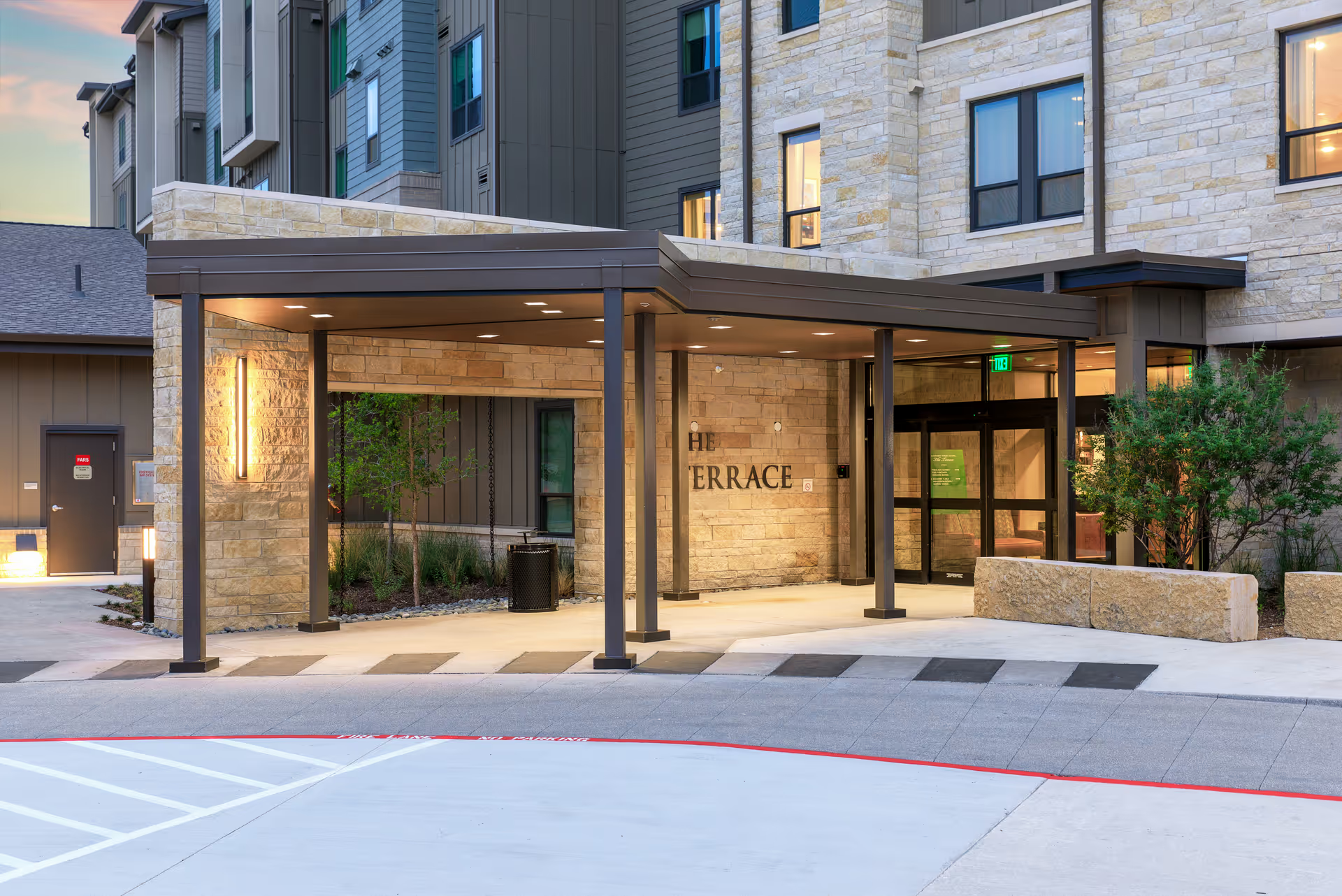
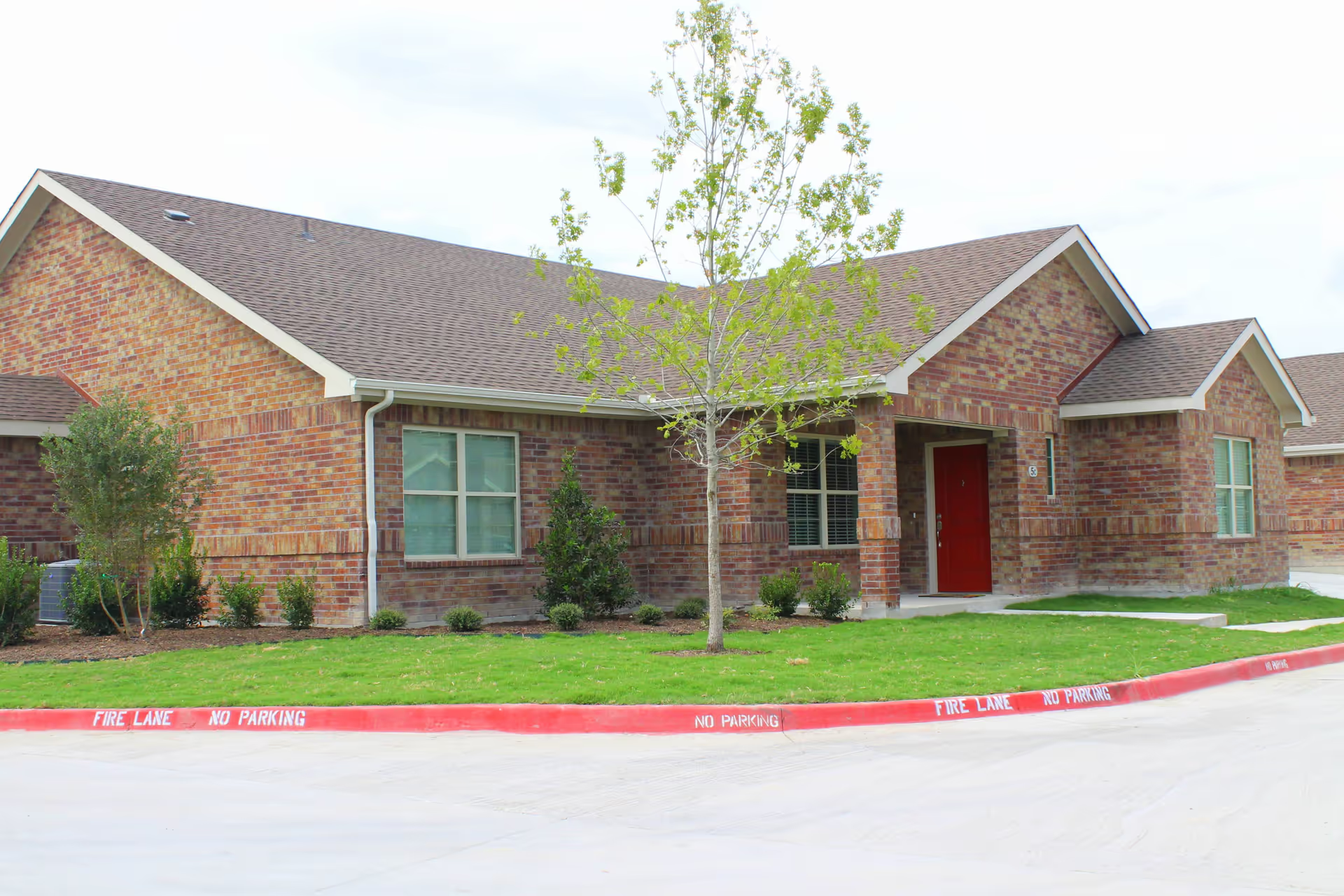
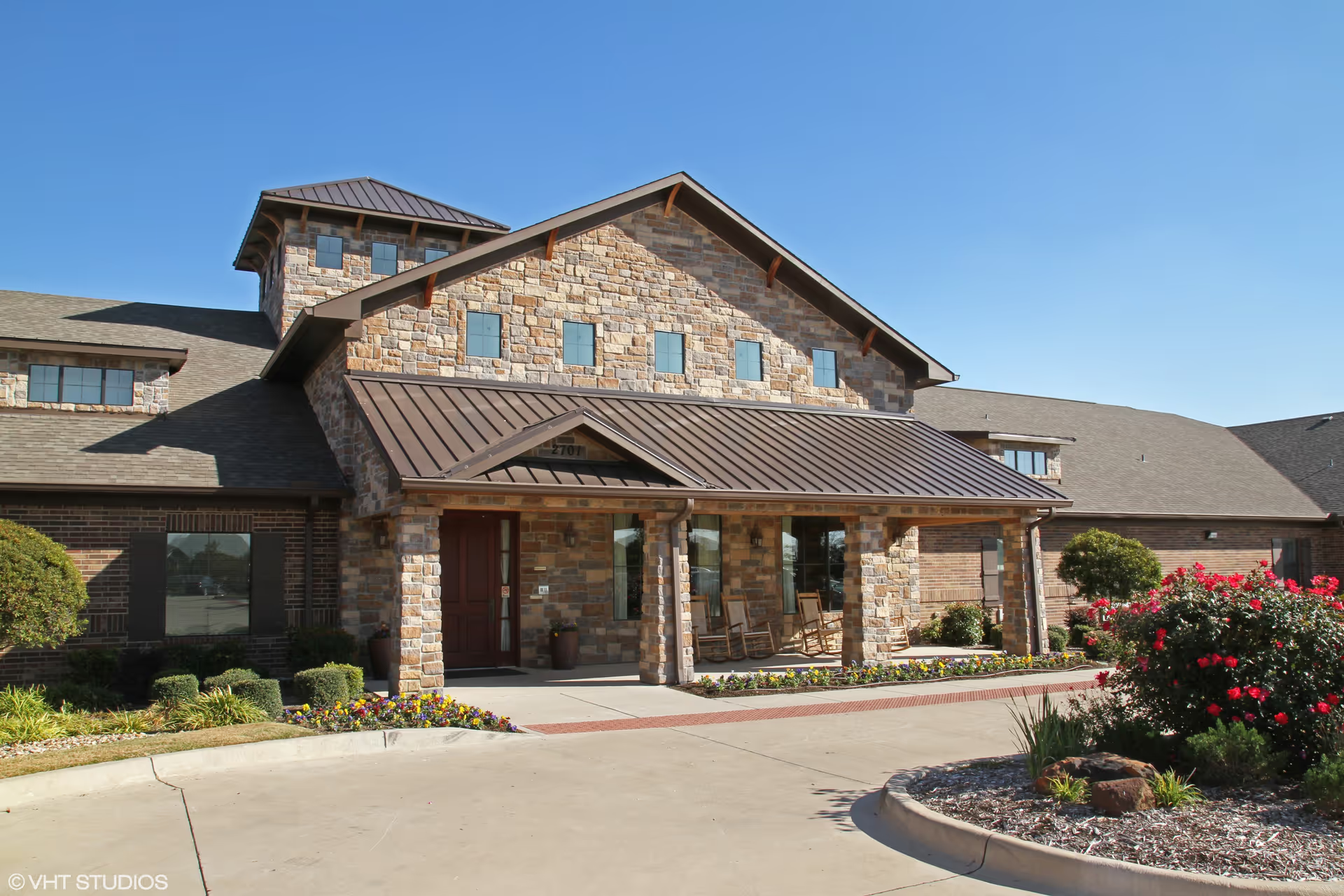
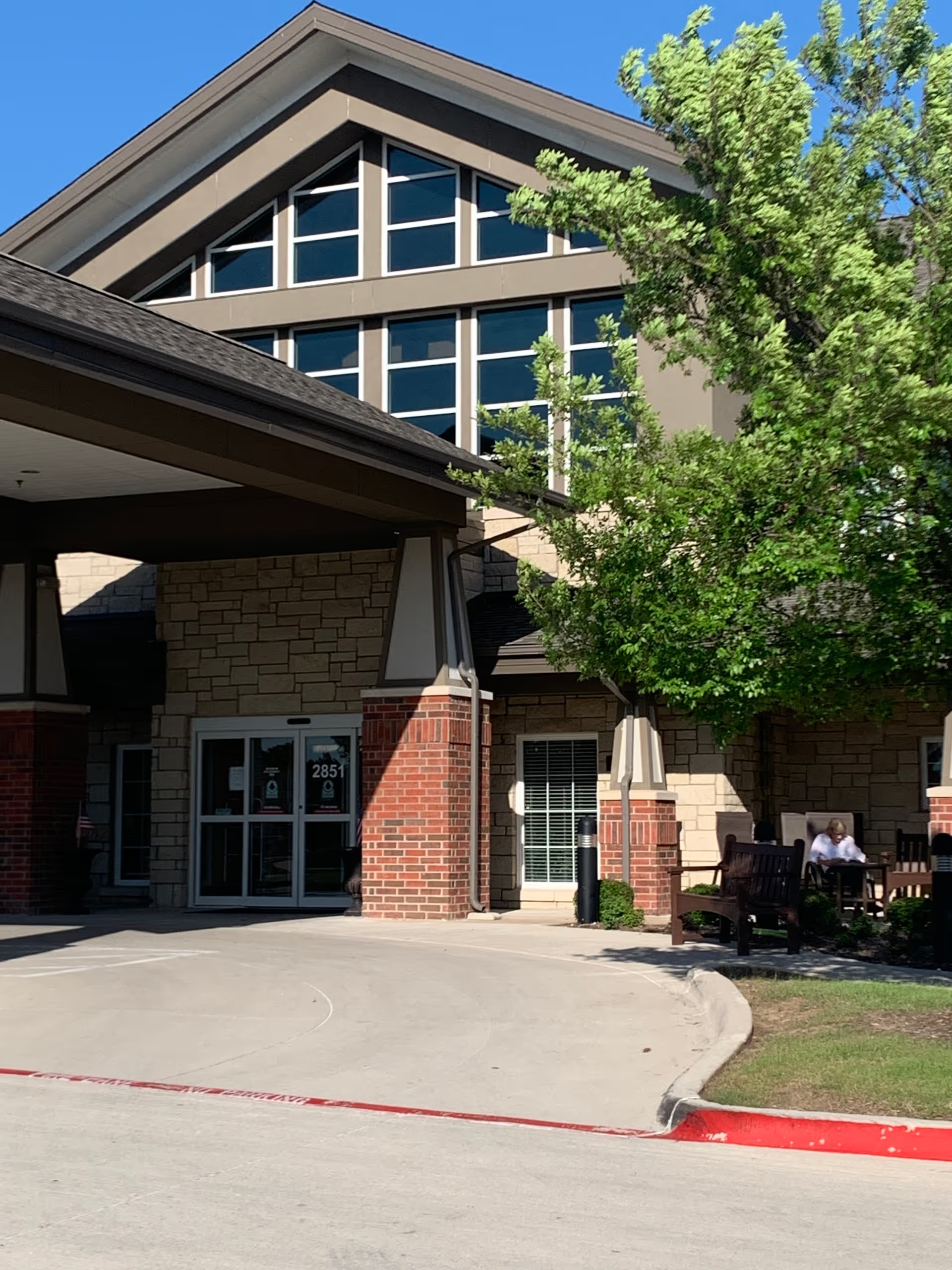
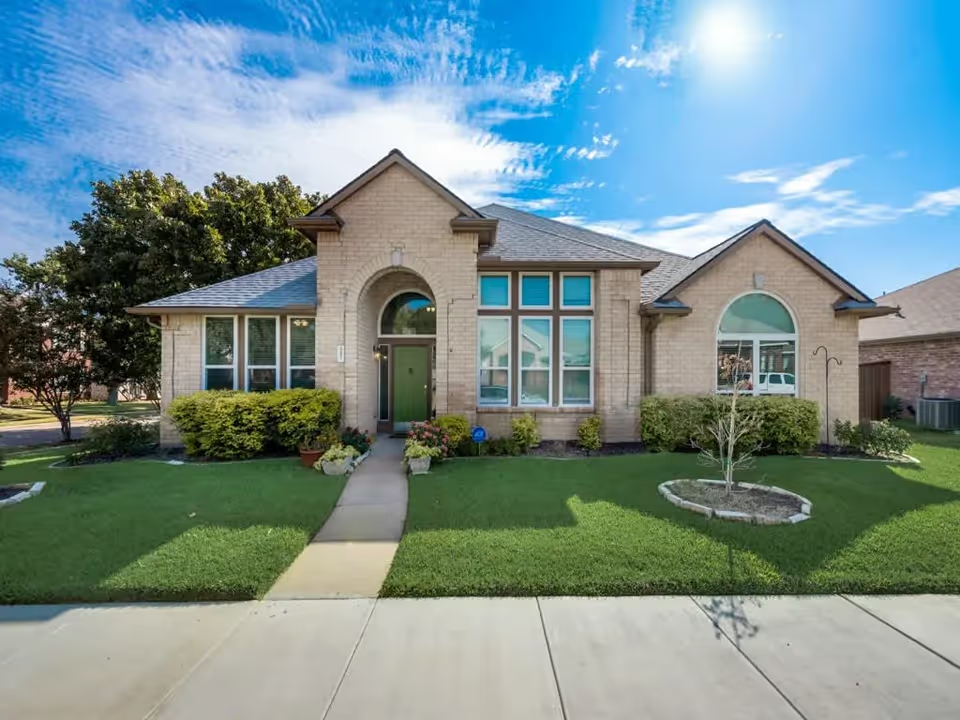
Legend of McKinney presents as a well-appointed, newer senior living community with consistently praised physical amenities and a home-like environment. Reviewers emphasize the facility’s cleanliness, fresh-smelling public spaces, wide hallways, roomy private apartments and accessible bathrooms. On-site features such as a formal dining room, theater, bistro, library, salon, fitness space and an outdoor, gated memory-care courtyard contribute to a resort-like campus that many families find attractive.
Front-line caregiving staff receive frequent praise for compassion, friendliness and attentiveness; many families describe strong day-to-day relationships, respectful interactions and staff who address residents by name. Programming and engagement are a clear strength: organized activities, exercise classes, games, music (including hymn/faith-based options in memory care), social hours and special events are reported as robust and varied. Dining is another commonly noted asset when experienced staff are present — several accounts single out a talented chef and restaurant-style service — although meal quality and menu variety are described as inconsistent by some families.
Operational patterns raise several areas for targeted inquiry. Multiple accounts indicate inconsistent staffing levels at night and on weekends, which reviewers link to delayed responses to call lights, slower assistance during emergencies and uneven supervision in memory care. Related themes include concerns about medication-administration controls and med-tech training, variable emergency-response timeliness, and intermittent reliance on temporary staff who may lack familiarity with residents’ routines.
Administrative and management issues appear mixed. Some families praise particular leaders and directors for responsiveness and empathy, while others describe lapses in upper-level communication, unresolved billing questions after transitions, and occasional lack of clarity about fees and contract terms. A small but significant set of accounts suggests limitations in the community’s ability to manage rapidly escalating care needs or complex clinical situations; prospective residents with higher acuity should verify clinical protocols and escalation pathways.
Security and logistics also merit attention: there are indications of perimeter-monitoring gaps and at least one instance raising concerns about elopement risk and property security. Prospective families should ask about exit-monitoring, overnight checks, visitor/after-hours contact procedures and the community’s approach to supervision in memory care. Room availability (particularly two-bedroom units) and periodic price increases were also mentioned as practical constraints.
Overall, Legend of McKinney is frequently commended for its physical environment, engaging programming, and warm front-line staff. However, reviewers point to operational inconsistencies that affect clinical reliability, overnight supervision, and administrative follow-through. Families considering this community should balance the facility’s strengths with direct questions about staffing patterns, medication administration protocols, emergency response times, billing practices, and availability of higher-acuity support to determine fit for a specific care need.