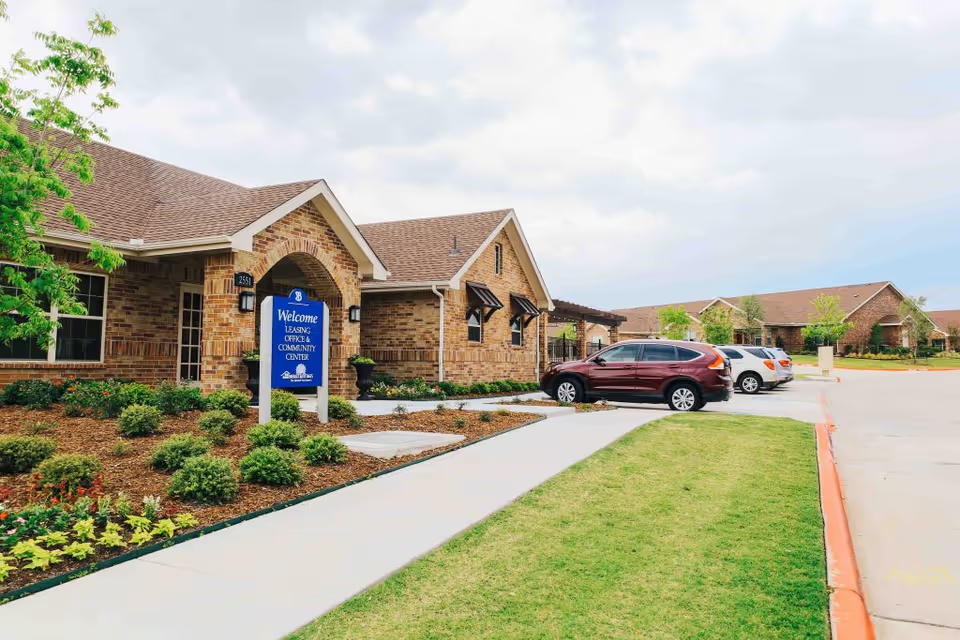
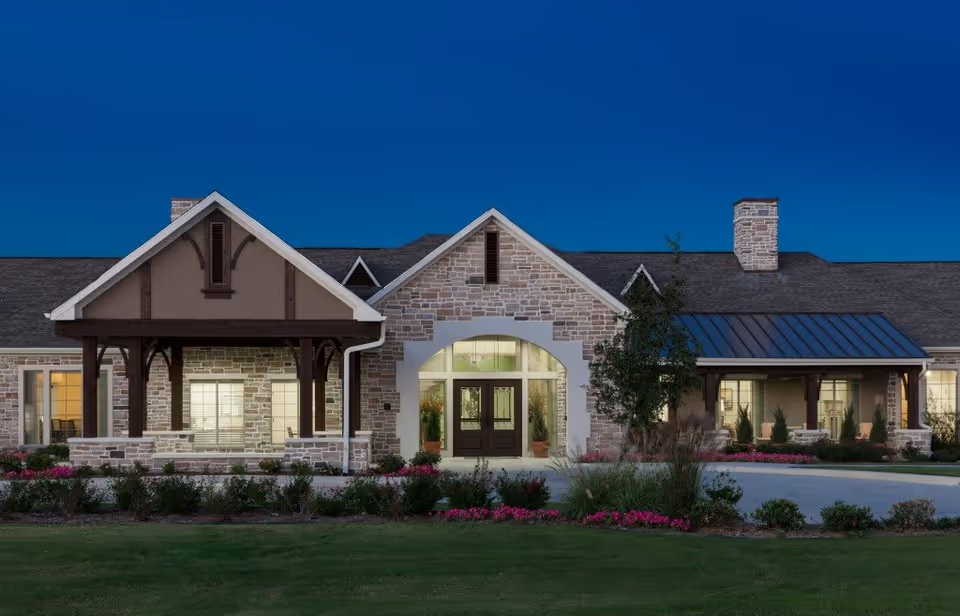
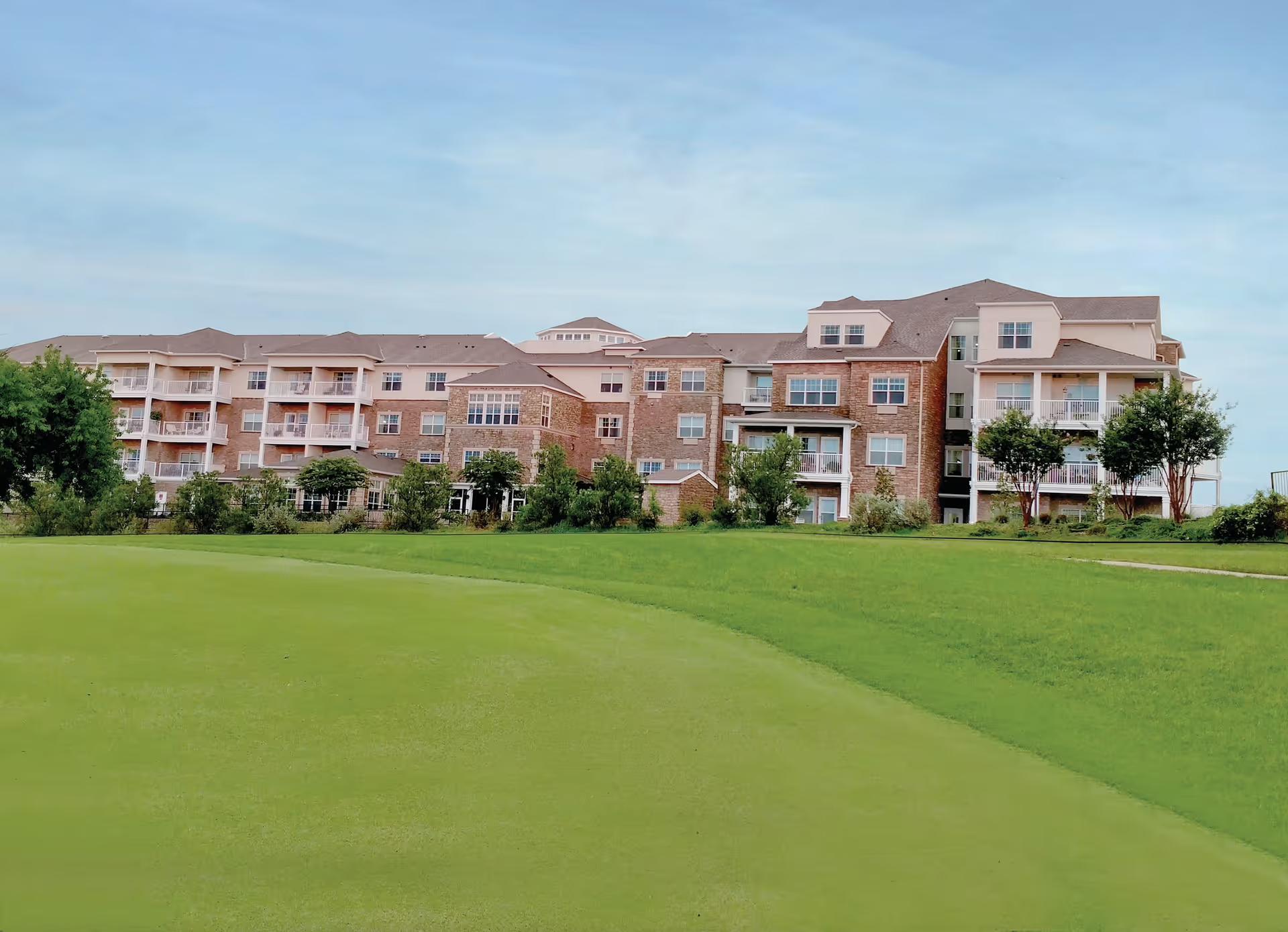
Stonefield Assisted Living and Memory Care presents a largely positive residential environment with several consistently praised strengths. Reviewers describe a warm, home-like facility with attractive common areas, an accessible layout (including extra-wide hallways), and pleasant outdoor spaces such as a courtyard that supports pet access. Many families praised the activities program — including exercise classes, arts and crafts, church services, excursions, and holiday events — and highlighted engaged activities leadership who create social programming and special events. Physical-therapy resources and a visible commitment to social dining and community events (prom nights, dances) are additional programmatic strengths.
Care and staffing receive mixed but specific feedback. Numerous comments cite compassionate, resident-centered caregivers and responsive nursing leadership; named staff and leaders have been singled out for positive impact. At the same time, a consistent operational theme is variability: reviewers describe inconsistent staffing levels and coverage, which correlates with lapses in assistance on busier days. That variability appears linked to perceived budget constraints and occasional hiring freezes; it also contributes to concerns about medication timing and other medication-management inconsistencies. There are also examples indicating gaps in clinical-incident response and in timely follow-up communication with families after an adverse event.
Dining and dietary services are another area with polarized feedback. Several residents and family members praise the on-site chef, resident menu input, generous portions, and improved meal leadership that increased taste and variety. Conversely, some reviewers report declines in food quality at times, cold room-delivered meals, and uneven vegetable/side preparation. Meal-service continuity has been described as unreliable in specific circumstances, producing hunger or dissatisfaction for certain residents.
Facilities and operations show both strengths and weaknesses. The physical environment is frequently described as clean, bright, and attractively furnished, providing a comfortable setting for socialization. Memory-care operations are noted as secure and cohesive in many accounts, with staff experienced in dementia care. However, some reviewers raised sanitation and cleanliness inconsistencies in particular rooms or areas and expressed concerns about administrative professionalism and tone in some interactions. Leadership turnover and management changes are repeatedly mentioned; for some families these changes brought visible improvements, while others perceive instability or uneven leadership performance.
Overall pattern and guidance: experiences at Stonefield range from strongly positive to concerning, producing a polarized picture. The facility demonstrates clear strengths in social programming, communal life, many caring staff members, and an attractive physical setting. The most salient operational weaknesses to probe during a visit are staffing consistency, medication management protocols, recent leadership stability, and current meal-service practices. Prospective residents and families would benefit from asking for current staffing ratios and schedules, examples of medication-administration checks, how activity continuity is maintained during infection-control events, and recent facility sanitation audits or corrective actions. These targeted questions can help weigh the facility’s communal and programmatic strengths against the operational variability noted by other families.