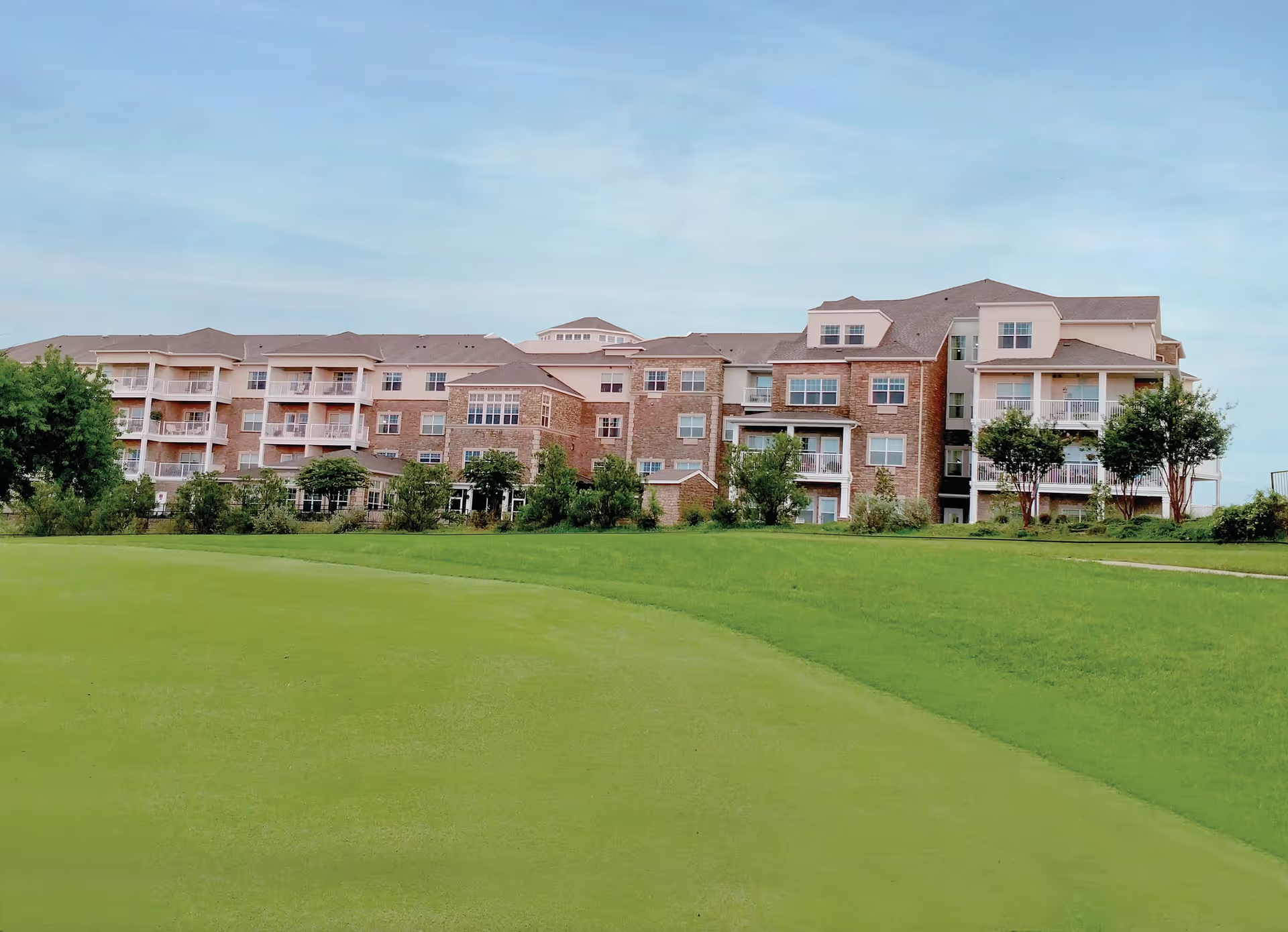
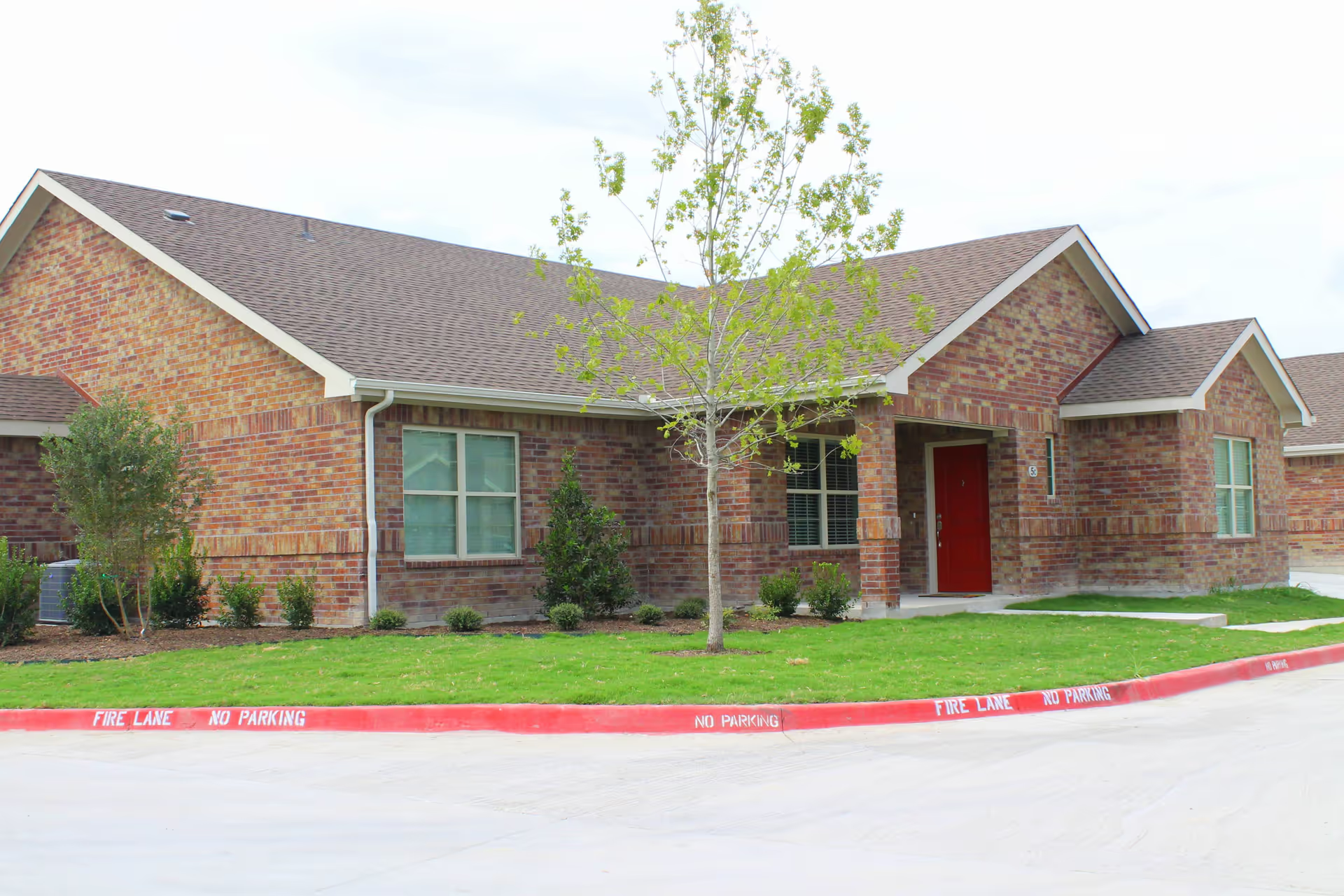
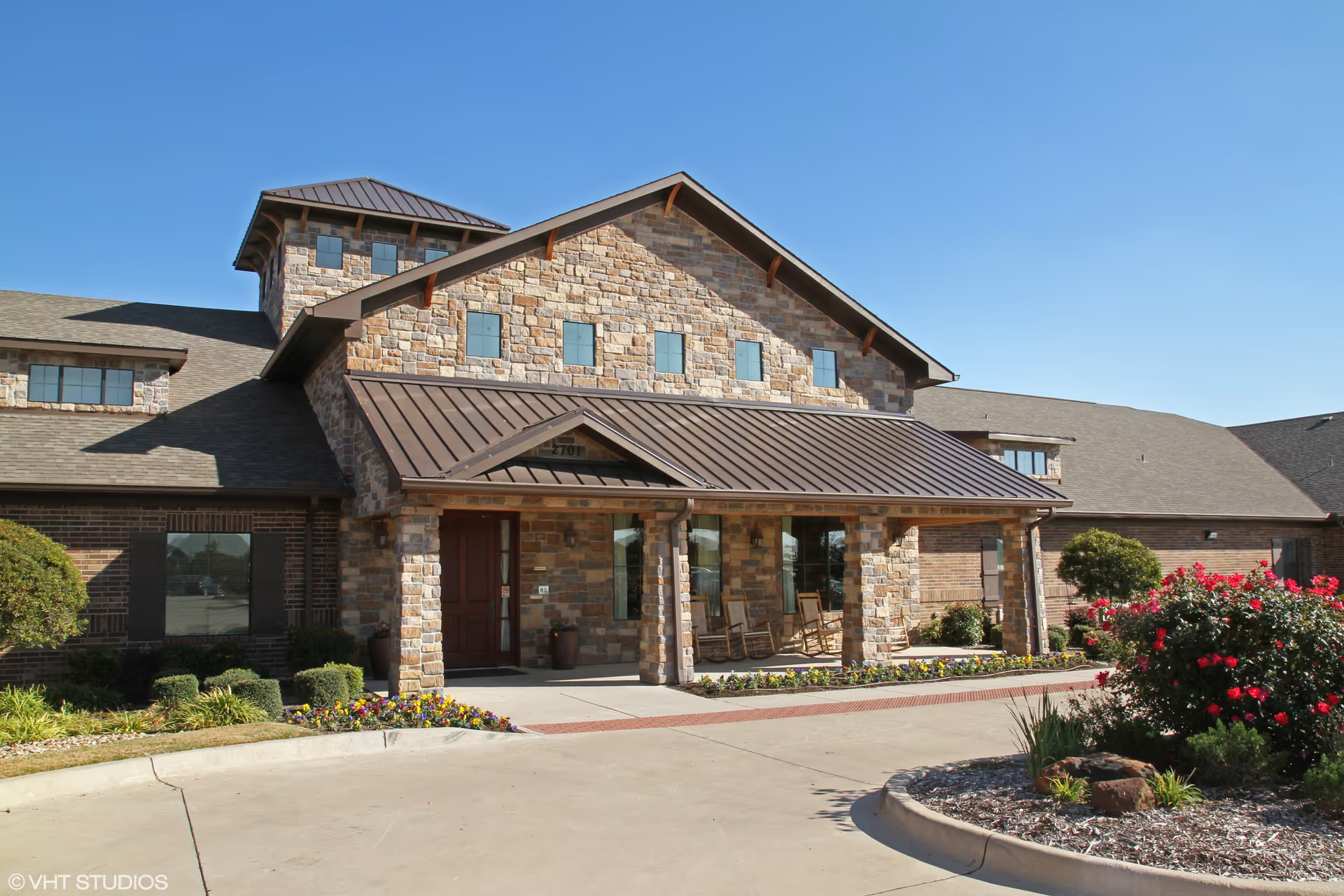
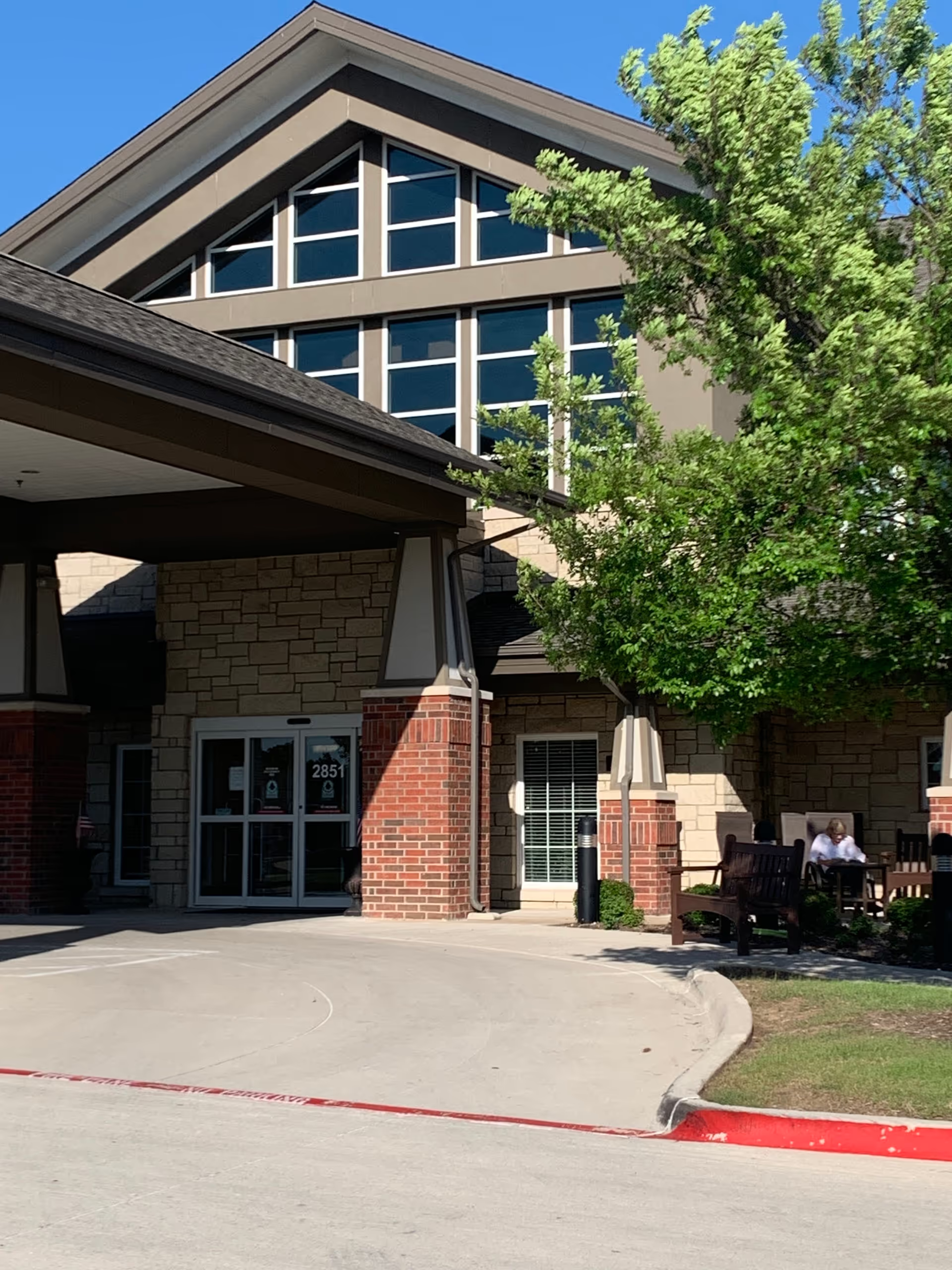
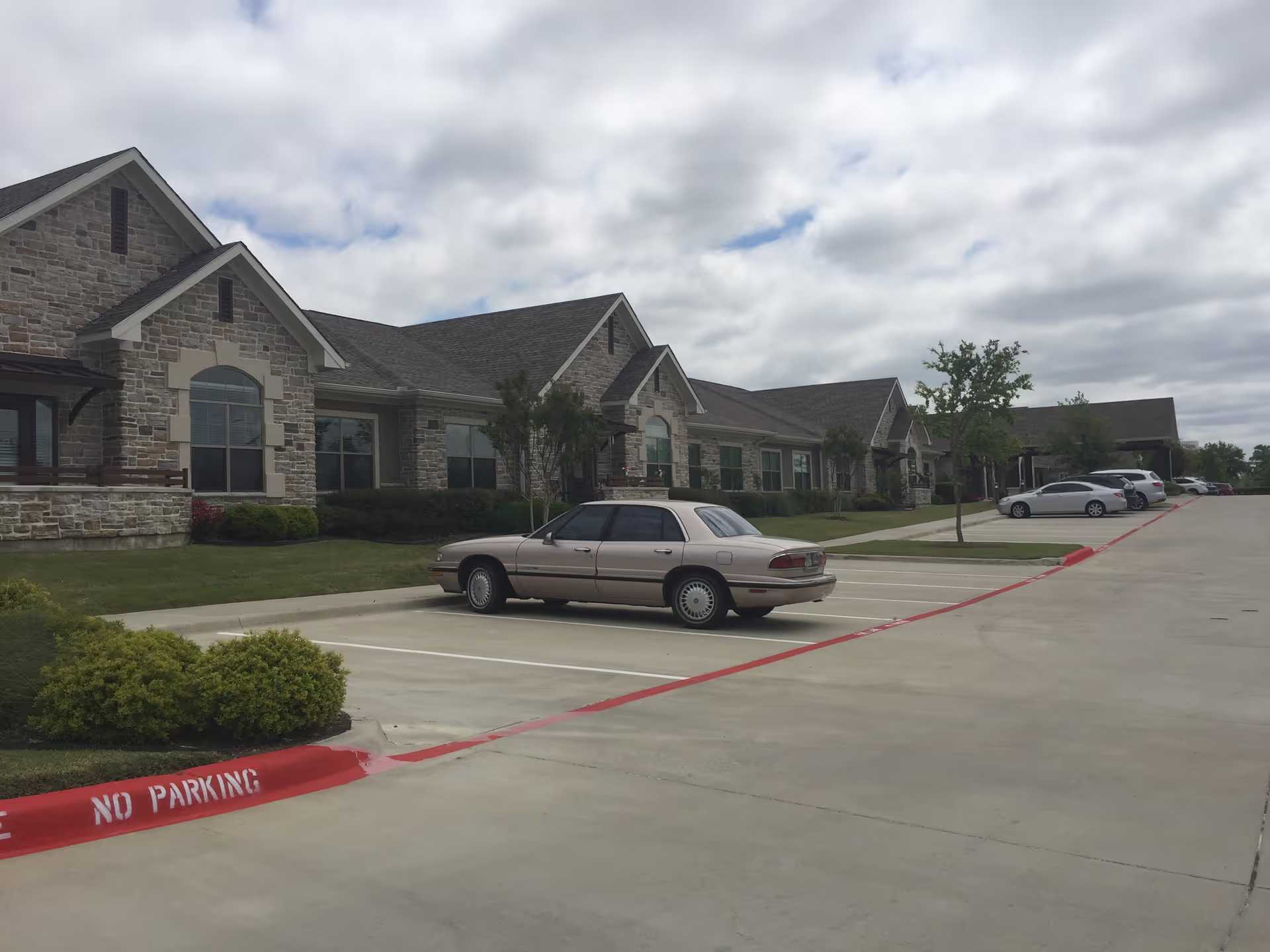
Chateau McKinney presents as a recently renovated, amenity-rich senior living community with a consistently positive social atmosphere. The facility's physical plant—bright interiors, large windows, landscaped courtyards, year-round pool and spa, movie theater, gym and multiple gathering areas—receives broad praise. Apartment features commonly highlighted include full kitchens, space for full-size washers/dryers, accessible showers and a range of garage and storage options. Security features such as locked entry and medical-alert pendants are in place, and on-site home health and therapy services are available for residents who require occasional clinical support.
Care and staff interactions are a major strength. Reviewers repeatedly describe staff as caring, personable and engaged; housekeeping and dining staff are singled out for consistent effort, and many families reported positive hands-on involvement by executive leadership. There are also structured clinical supports (in-house therapy and home health resources), LifeAlert-like pendant systems, and routine housekeeping that contribute to a sense of safety and daily support for mostly independent to semi-independent residents.
Dining and culinary services are a mixed picture. A classically trained chef and many positive anecdotes about specific meals (and special menus) underline that food can be a key asset. At the same time, reviewers note inconsistent meal quality, variable service (buffet versus table service), confusing ancillary fees for delivered meals or special requests, and occasional issues with meal delivery and staffing in the dining room. Prospective residents who place a high priority on consistently-managed dining should explore current menus, service models and any additional charges before committing.
Activities are robust and varied in normal operations, with regular exercise classes, outings, crafts, entertainment and faith-based programs contributing to high social engagement. The community supports volunteer roles and an ambassador program, and many residents report forming stable friendships. However, activity programming has displayed interruptions—both pandemic-related and staffing-related—and some reviewers expressed a desire for more variety (e.g., expanded clubs, puzzles, book groups or OT-style programming).
Operationally, the community shows several recurring weaknesses to evaluate. Staffing shortages and turnover have led to delayed maintenance, occasional slow responses from office personnel, and periods when dining and service levels dip. A number of reviewers described confusing or problematic contractual and billing experiences (lengthy contracts, arbitration language, unexpected fees, and billing errors), suggesting that prospective residents and families should review agreements closely and request clarification on all charges. While the campus can support limited clinical services, reviewers indicate the community is primarily configured for independent to semi-independent residents and may not be a reliable option for long-term, higher-dependency care needs.
Management and communication are described as strong at times and inconsistent at others. Several families praised engaged, hands-on managers and quick issue resolution, while other accounts noted poor follow-through, lapses in PPE adherence during infection-control events, and inconsistent communication from corporate or billing departments. These mixed reports point to variable performance tied to staffing changes and leadership turnover.
Overall pattern: many residents and families report high satisfaction with Chateau McKinney’s amenities, social environment, and most staff interactions; the property’s physical quality and activity infrastructure are definite strengths. Important trade-offs include periodic operational disruptions tied to staffing, variability in dining and housekeeping consistency, and contract/billing opacity. Prospective residents should verify current staffing levels, clarify the contract and fee structure, confirm the community’s capacity for any anticipated clinical needs, and schedule multiple visits (including meal and activity observations) to ensure the community’s current service level matches expectations.