Overall impression: Feedback about The Oxford Grand Assisted Living & Memory Care is broadly positive with a clear pattern of strengths in caregiving, social programming, and facility presentation, but a set of recurring operational concerns emerges that prospective families should weigh alongside the positives.
Care and clinical services: Many comments highlight compassionate, attentive caregivers and a strong memory-care program with clinical oversight. Several accounts praise responsive nursing and rapid medical attention when needed, and the presence of in-house physicians, pharmacy, and therapy services is viewed as a clinical asset. However, there are repeated concerns about inconsistent nursing responsiveness and medication-management gaps; these appear to be operational weaknesses rather than single, isolated incidents. Families should ask about current nurse-to-resident ratios, medication-administration protocols, and how after-hours clinical concerns are handled during a visit or tour.
Staff and management: Staff from front desk to direct-care roles receive frequent praise for warmth, personalization, and engagement; many describe a family-like culture and staff who know residents by name. At the same time, reviewers describe periods of staffing shortages, variability in staff familiarity/consistency, and mixed experiences with management responsiveness. There are also a small number of serious financial and billing disputes and an allegation of improper financial handling; prospective residents should request clear written policies on deposits, refunds, billing dispute resolution, and escalation contacts to clarify protections.
Dining and activities: The dining program is often described as a strength — chef-prepared meals, varied menus, and personalized service — and life-enrichment offerings are extensive, with regular themed events, outings, exercise, games, and memory-focused programming. A minority of comments indicate variability in meal satisfaction and preferences, so tastes may differ by resident. The activity schedule appears comprehensive and a core part of community life; families should confirm how activities are adapted for different mobility and cognitive levels and how accessible programming is across floors and rooms.
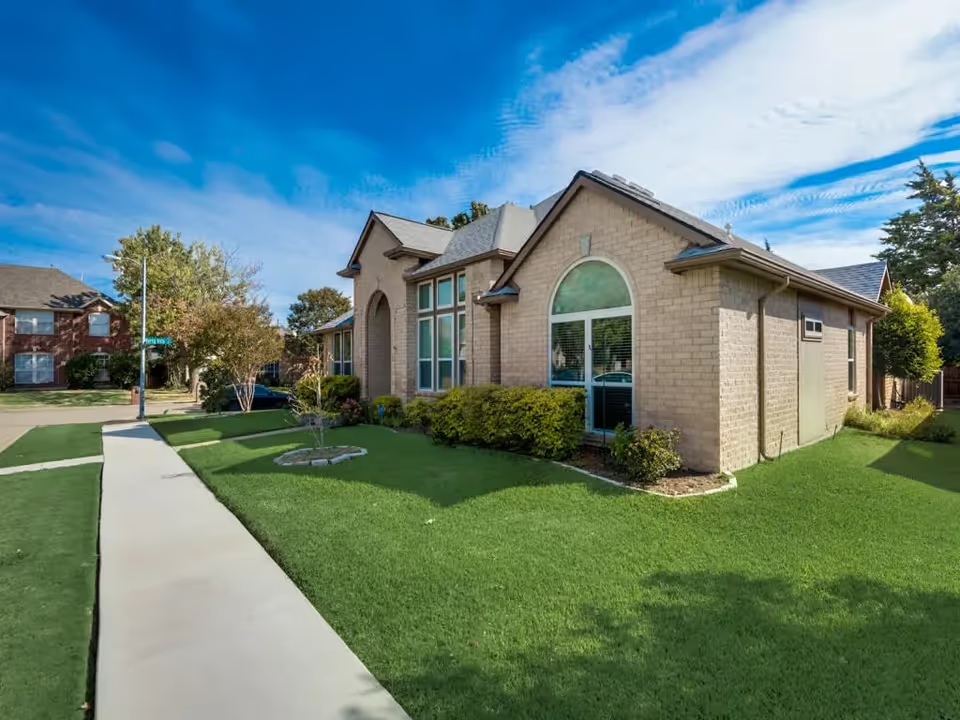
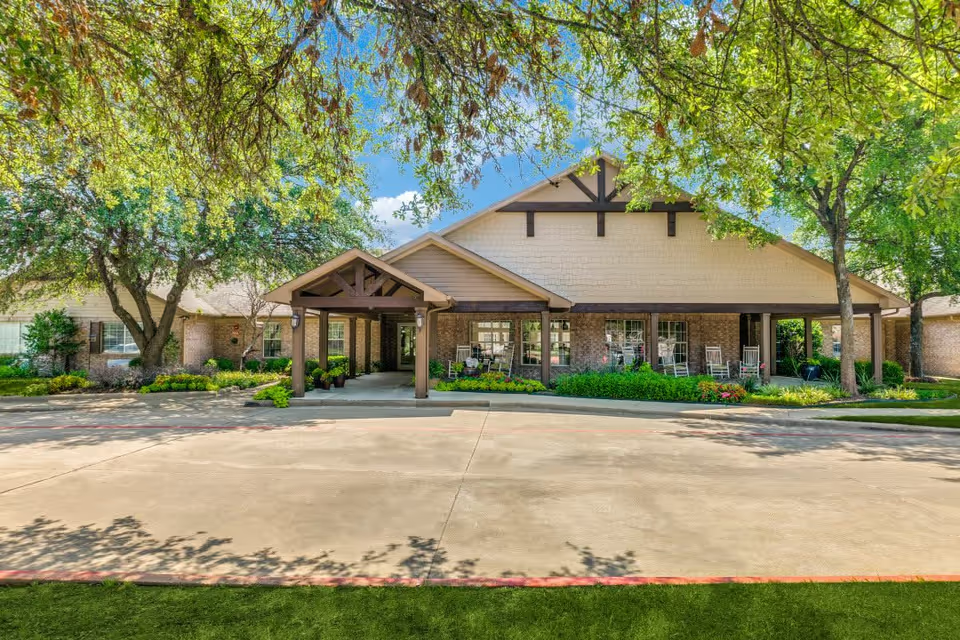
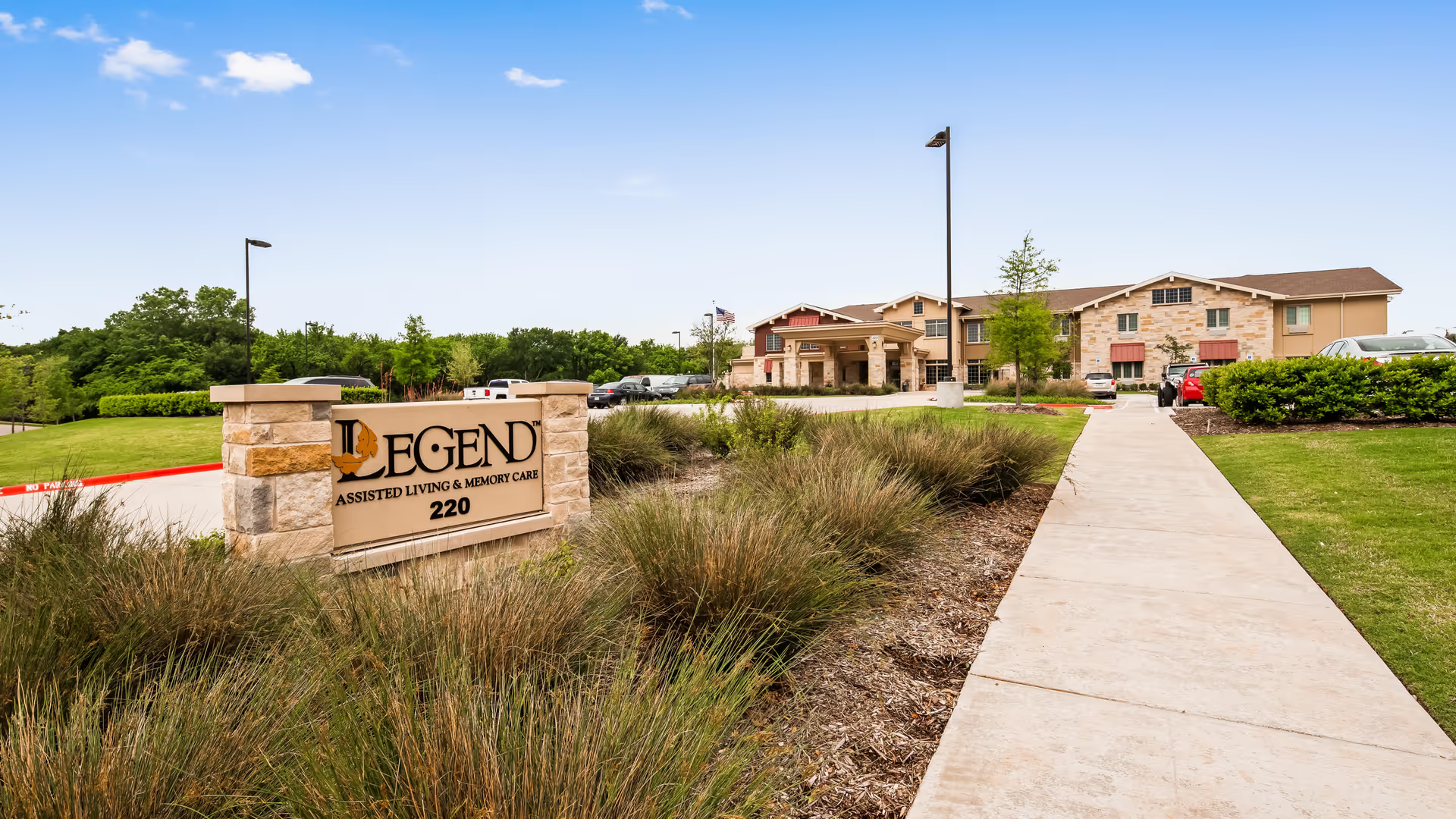
Facilities and logistics: The community is frequently described as clean, bright, and modern, with well-kept grounds and amenable public spaces. Some reviewers note small private-room footprints and concerns about activity placement and egress on upper floors; ask about specific unit sizes and evacuation/access plans if mobility or safety is a priority. A pest-control concern was noted for a resident room; prospective families should inquire about routine pest-management protocols and recent inspection history.
Notable patterns and practical recommendations: The dominant theme is strong person-centered care and an active social environment, balanced against operational variability in nursing responsiveness, staffing consistency, scheduling of personal-care tasks, and financial/billing transparency. Price and periodic fee increases are also mentioned as a potential downside relative to competitors. For decision-making, visit at multiple times of day, review written clinical and billing policies, meet nursing leadership, tour actual resident rooms, and request references from current families in similar care levels (assisted living and memory care). These steps will help confirm whether the community’s strengths align with your loved one’s clinical needs and family expectations.