Overall impression: Cariad at North Brook is consistently described as a small, home-like assisted living and memory-care community with a strong emphasis on personalized relationships. Families and visitors commonly praise compassionate caregivers who learn residents’ names, an atmosphere of social connection, clean and well-kept common spaces, and leadership that is actively involved in admissions and care transitions. Many accounts emphasize prompt attention during illness, continuity into memory care when needed, and staff who go beyond basic duties to assist families.
Care quality and staff: Staff performance is the facility’s principal strength in these summaries. Numerous comments highlight attentive, compassionate caregiving, individualized attention, and staff who form familiar relationships with residents. Leadership involvement during hospital transitions and hands-on support for move-ins are noted positively. However, there is variability in staff engagement and responsiveness: some families described staff who appeared busy, distracted by phones, or less communicative. Operationally, this translates into uneven family communication and occasional lapses in follow-through. Reviewers also describe specific clinical-process concerns (fall documentation, a medication dosing error, and incontinence-care handling). These items suggest the facility would benefit from consistent protocols and transparent documentation for medication administration, fall monitoring, and incontinence care.
Dining: Dining impressions are mixed but tilt positive. Many reviewers enjoyed home-style, tasty meals and praise the quality of food on typical days. At the same time, there are recurring concerns about limited menu variety, service continuity when kitchen equipment fails, repetitive menus during short-term outages, and occasional problems with meal temperature on service. Prospective families should ask about current sample menus, contingency plans for kitchen issues, and how the facility monitors meal temperature and variety.
Activities and social life: The community is noted for an active social atmosphere in many accounts — residents playing games, multiple common areas for interaction, and a range of on-site and off-site activities. That said, activity programming appears inconsistent for some residents: a number of families felt activities were insufficient or not well attended for certain individuals. This points to a need to review the current activity calendar, participation options tailored to cognitive levels, and how staff encourage individual engagement.
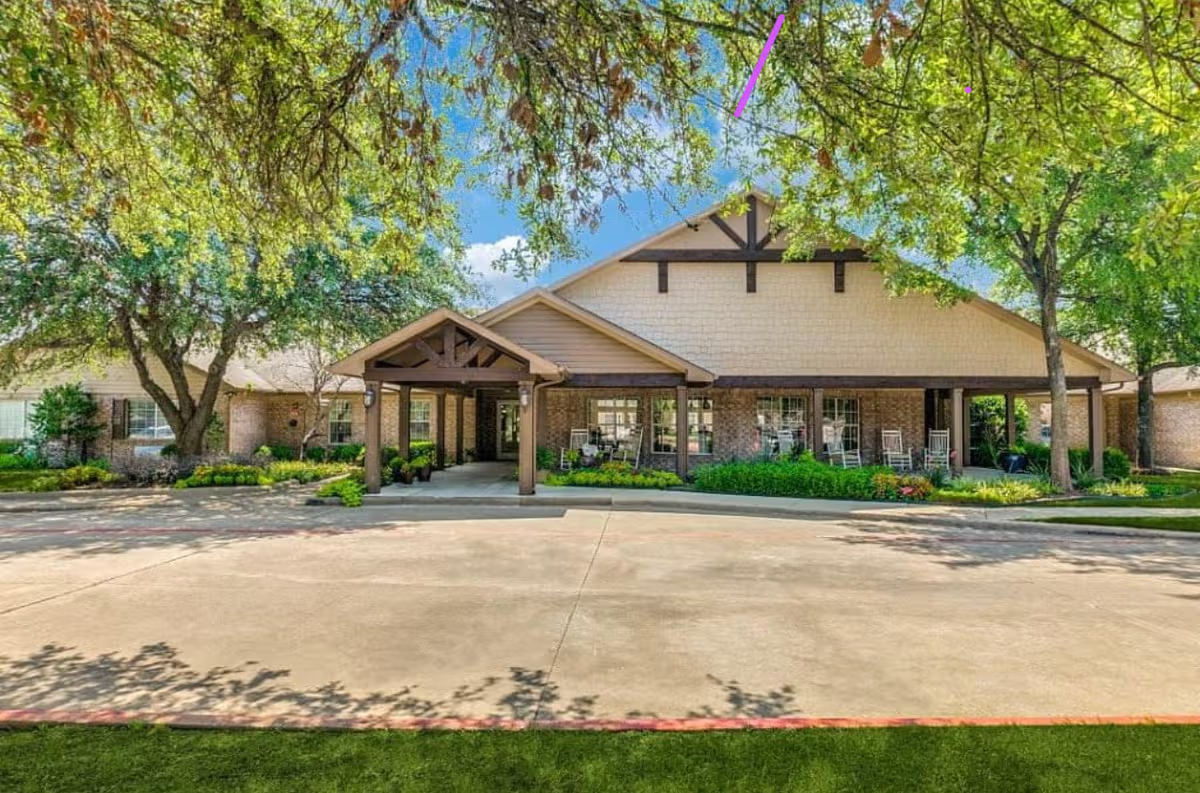
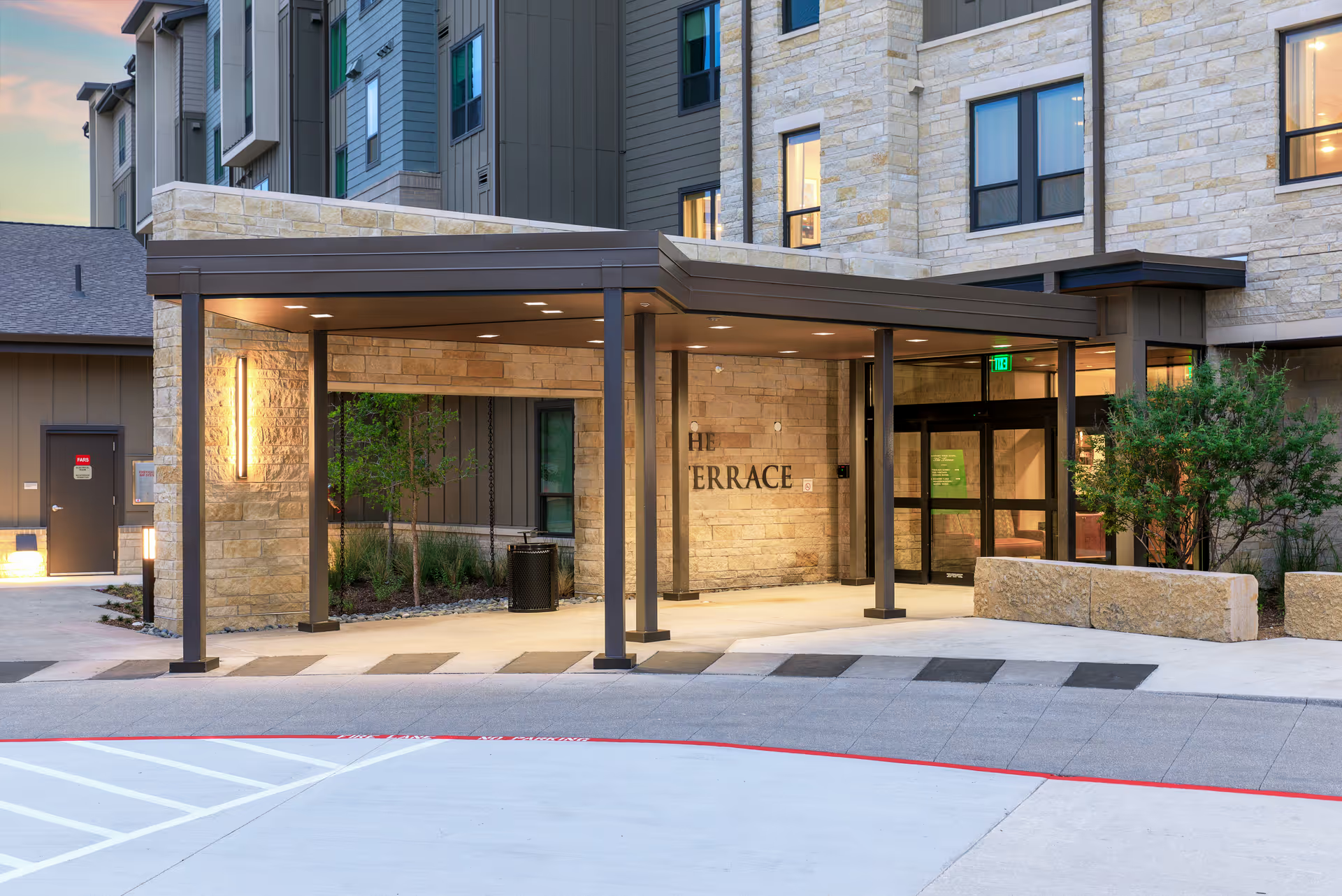
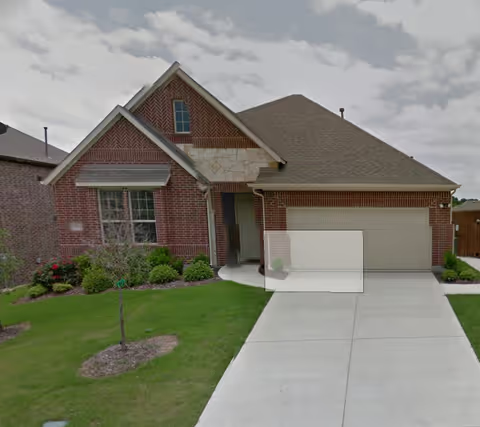
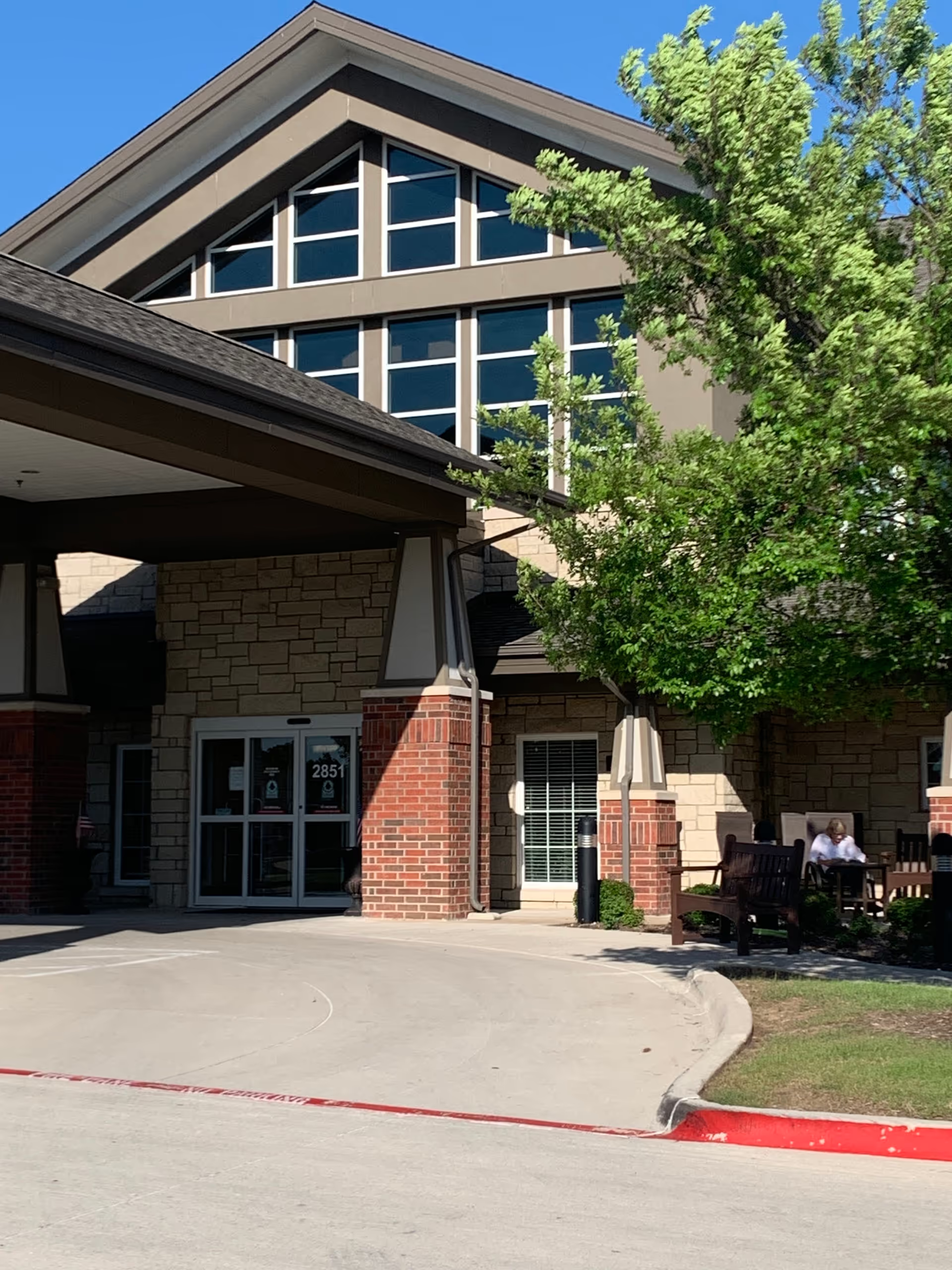
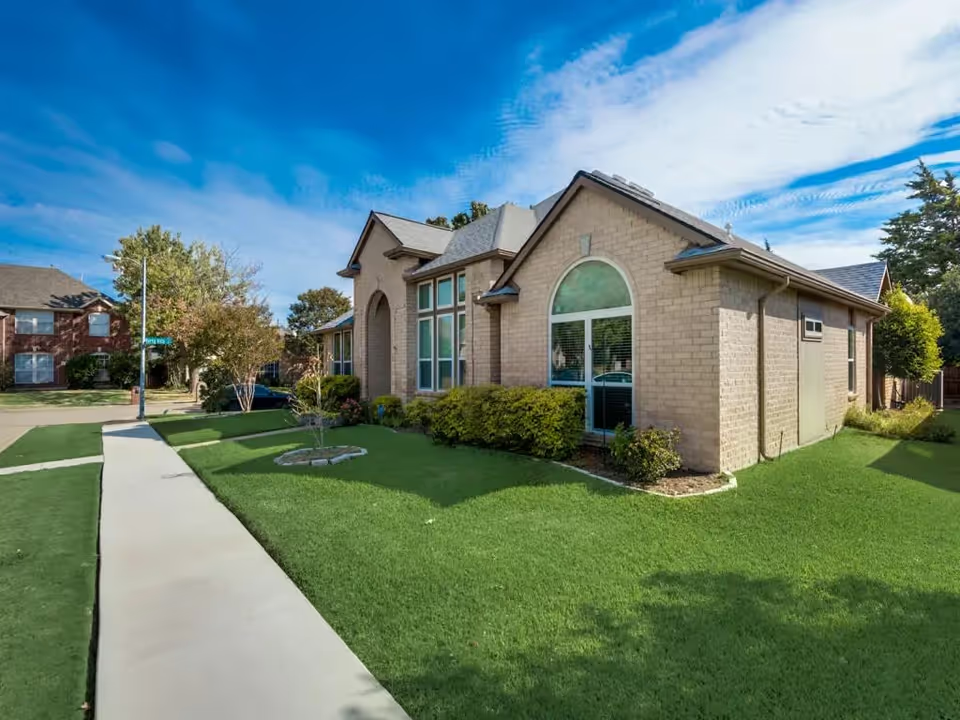
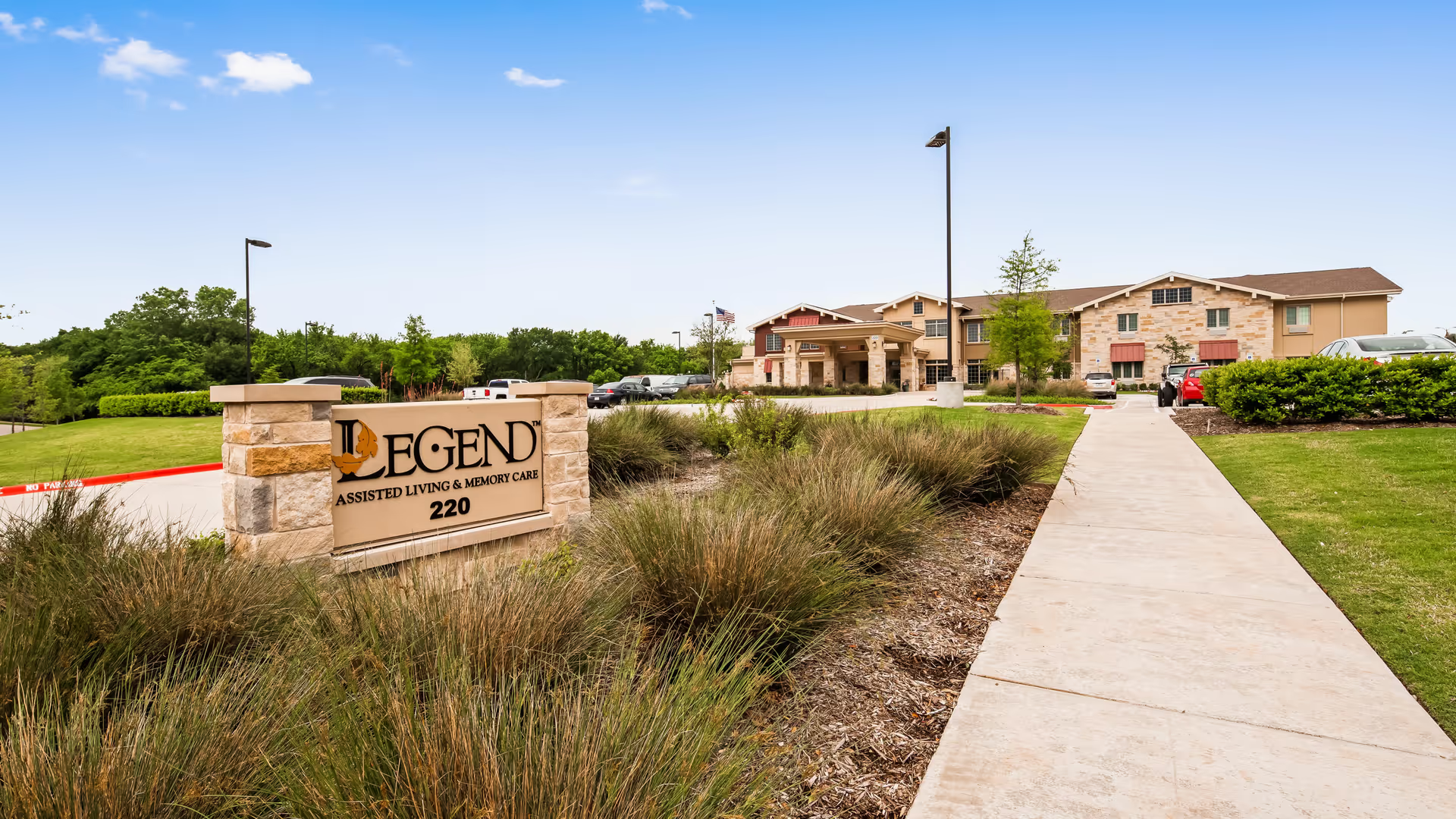
Facilities and living units: The property is generally characterized as clean, well maintained, and homey rather than institutional. Multiple sitting areas and pleasant common spaces are frequently praised. Some reviewers described an older building that has been remodeled; a few found unit layouts limiting (studio-focused inventory or open-concept bathrooms/bedrooms that reduce privacy). There are also occasional comments about pricing perceived as high for larger units. Visitors should verify unit types, layout, and privacy features during tours and compare costs for desired apartment sizes.
Management and operational patterns: Leadership and admissions staff receive positive mentions for responsiveness and hands-on support during move-in and care transitions. At the same time, there are operational weaknesses worth noting: inconsistent entry and nighttime access procedures that have caused family concern, variability in laundry and personal-item handling, and intermittent breakdowns in communication or commitment follow-through. These are traits of the facility’s operational consistency rather than single isolated events and are areas where families may wish to seek clear policies and assurances.
Bottom line: Cariad at North Brook presents as a caring, small-scale community with strong relational care, a home-like environment, and engaged leadership. Families attracted to personalized attention and community atmosphere will likely find strengths here. Prospective residents and their families should perform targeted due diligence around clinical-process consistency (medication documentation, fall monitoring, incontinence care), meal-service continuity and temperature control, activity offerings tailored to the resident’s needs, laundry and personal-item procedures, and nighttime access policies. Asking for recent sample menus, an activity calendar, care-protocol summaries, and specifics about staffing and incident documentation during a tour will help clarify whether the facility’s strengths align with an individual’s care and privacy needs.