The reviewed material describes a small, homelike assisted-living setting with several strong features and recurring operational concerns. Positively, many families and visitors describe a warm, compassionate caregiving team and an owner who is accessible and involved in day-to-day operations. Reviewers commonly note a clean, well-maintained interior, private and shared room options, and a residential feel that some families find calming for memory-care residents. Several accounts highlight timely nurse visits, dietary accommodations, support for vaccinations, and an environment that can offer good value for residents needing full personal-care assistance.
Care quality and staffing present a mixed picture. Multiple narratives praise individual caregivers for attentiveness, personal grooming assistance, and one-on-one attention. At the same time, there are recurring concerns about inconsistent staffing levels and caregiver workload that appear to affect service continuity. These operational pressures are linked in several accounts to gaps in medication-management and clinical follow-up, and to delays in wound care and other acute responses. Families considering placement should verify current staffing ratios, medication protocols, nursing oversight frequency, and on-call arrangements.
Dining and activities show variability. The facility advertises home-cooked meals and three daily meals with snacks and dietary flexibility; some residents and families report satisfactory meals and accommodated dietary restrictions. Other accounts describe inconsistent meal preparation and a shift toward convenience/prepared meals over time. Activity programming is frequently described as limited or unstructured—with a reliance on television and meal-time socialization—so prospective families should ask about the facility’s formal activity schedule and tailored engagement for residents with cognitive impairment.
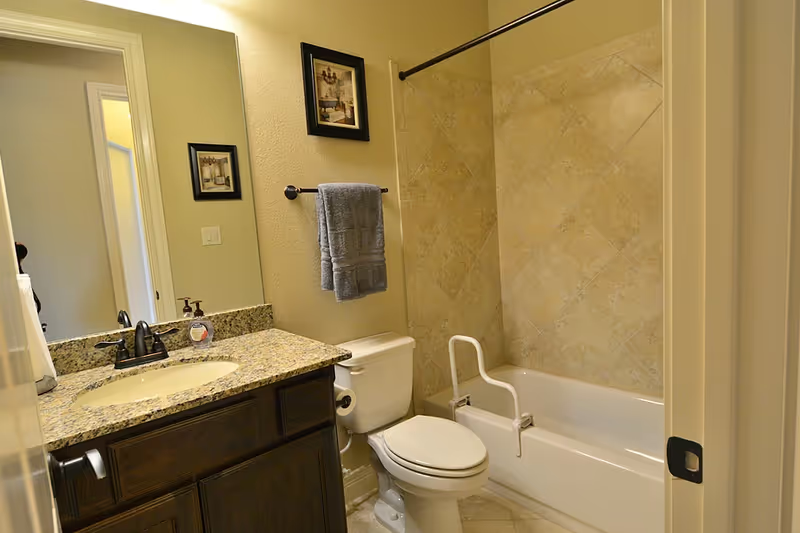
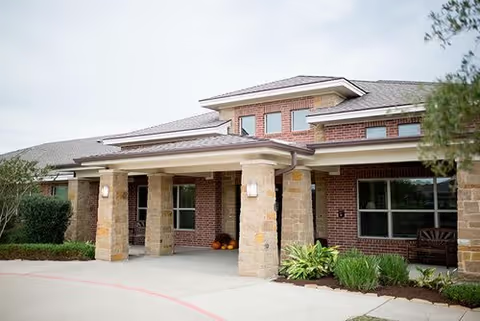
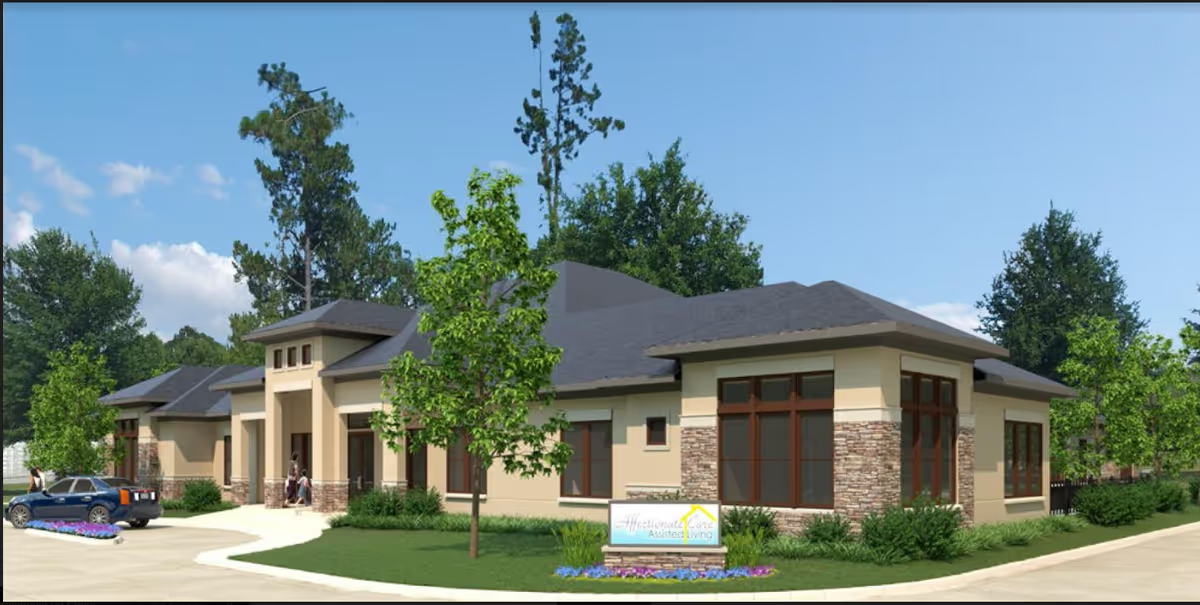
Facility features and environment are generally described as home-like and located in a pleasant neighborhood, with some rooms offering private baths and space for assistive equipment. However, reviewers also identify cleanliness and odor inconsistencies in portions of the home and maintenance issues such as dust in ducts or limited outdoor/ramps and bathroom modifications for mobility-impaired residents. There are also multiple mentions of belongings-management concerns, including inadequate inventory controls and challenges retrieving personal items upon discharge.
Management and communication are similarly mixed. Many families appreciate an accessible owner and staff who are willing to accommodate schedules and financial arrangements; others describe inconsistent communication, rigid visitation policies, and unclear processes around hospice access and transfers. There are also statements raising questions about staff qualifications and background-screening practices and at least one mention of regulatory attention; families should request documentation of licensing, staff credentials, background checks, and any relevant regulatory history during their evaluation.
Overall, OSA Heritage Homes appears to offer a compassionate, small-home model that can suit residents who benefit from a home-like setting and hands-on caregiver support, particularly for memory-care needs. Prospective residents and families should perform targeted due diligence: confirm current staffing ratios and nursing schedules, review medication- and wound-care protocols, inspect activity programming, verify licensing and background-screening records, clarify visitation and belongings policies, and do an in-person tour focused on cleanliness, accessibility modifications, and emergency/on-call coverage.