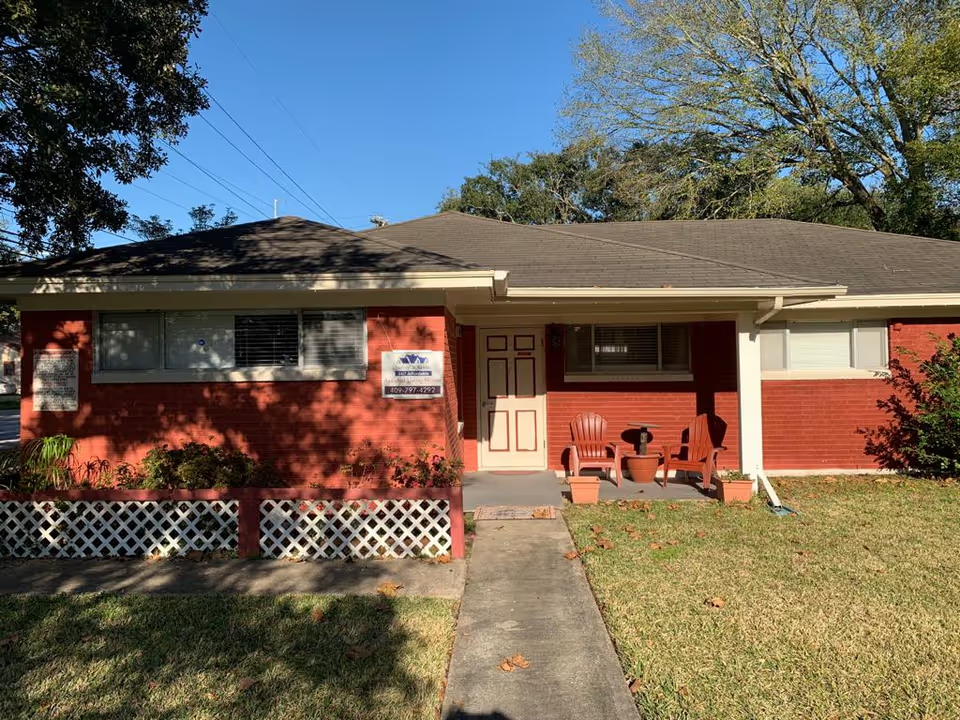
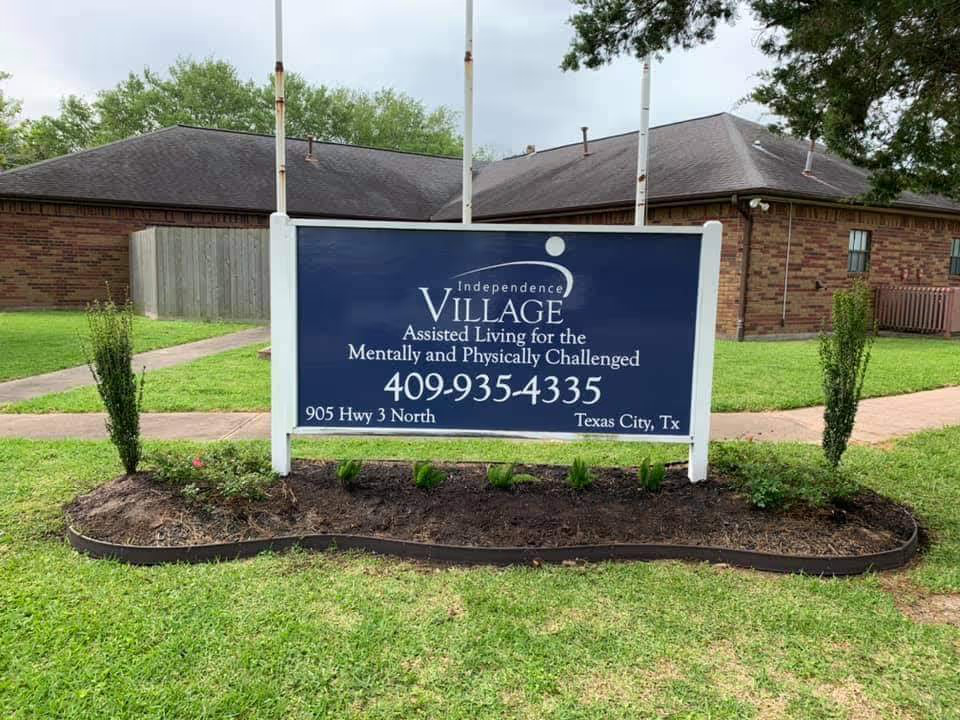
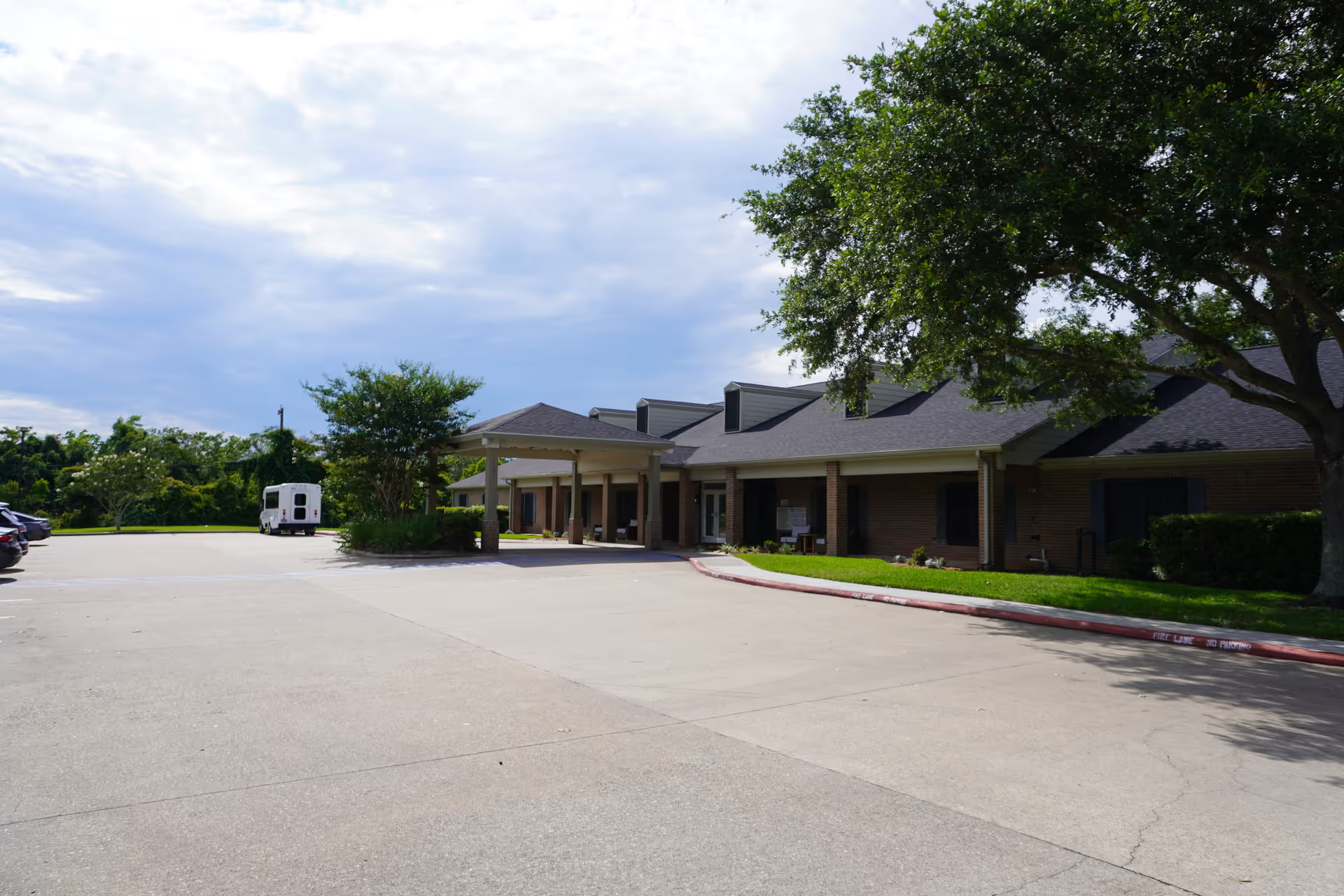
The reviews present a mixed picture: the facility is frequently praised for its rehabilitation services and therapy availability, while operational and day-to-day care concerns are also raised. Several reviewers describe meaningful functional gains and successful return-to-life outcomes under the institute's rehabilitation program; these comments indicate clinical strengths in therapy planning and execution. At the same time, other reviewers described issues with routine care and facility operations that temper the positive clinical reports.
Care and staff: Clinical rehabilitation and therapy teams are viewed as an asset, with multiple comments about effective therapy programs and positive patient outcomes. However, there are concurrent concerns about staff responsiveness and consistency in frontline care. Reviewers highlighted particular challenges in meeting the needs of residents who have limited verbal communication, suggesting gaps in communication support, monitoring, or staff training for non-verbal residents. These patterns point to an operational mismatch: strong therapeutic programming alongside uneven execution of basic care tasks.
Dining and activities: The facility’s therapy and activity offerings are cited positively, reinforcing the rehabilitation focus. Conversely, dining service practices were a recurring concern in the reviews provided. Specific comments about very limited beverage options during meals (notably only juice and tea, with no water access) suggest a need to clarify hydration policies and meal-service procedures. Prospective families should confirm current meal plans, hydration availability, and how dietary/hydration needs are managed for residents with special needs.
Facilities and management: Reviewers indicated maintenance and upkeep deficiencies that affect the overall impression of the institution. These observations, combined with the concerns about staff responsiveness and training, suggest management-level oversight opportunities—particularly around staffing, supervision, and facility maintenance. The result is a polarized pattern: demonstrable rehabilitation strengths coupled with operational weaknesses that may affect daily quality of life for some residents.
Notable patterns and guidance: The most prominent pattern is the contrast between effective clinical rehabilitation and inconsistent operational care. Prospective residents and families should weigh the demonstrated therapy outcomes against reported day-to-day care and facility upkeep issues. Recommended actions before placement include in-person tours, direct conversations with therapy staff and nursing leadership about care plans for non-verbal residents, review of hydration and meal-service policies, and inquiries about maintenance schedules and staffing/supervision practices.