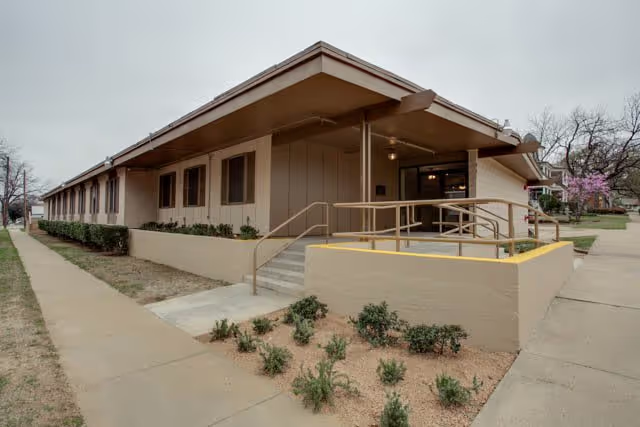
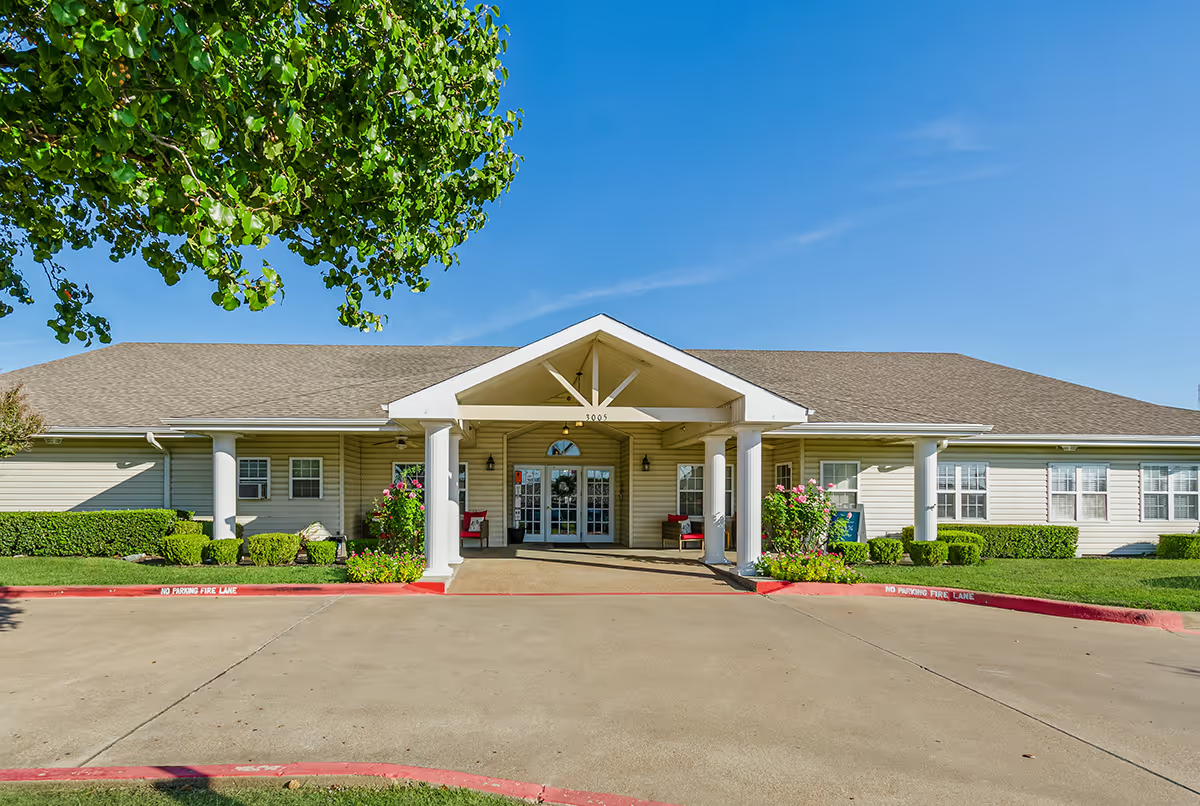
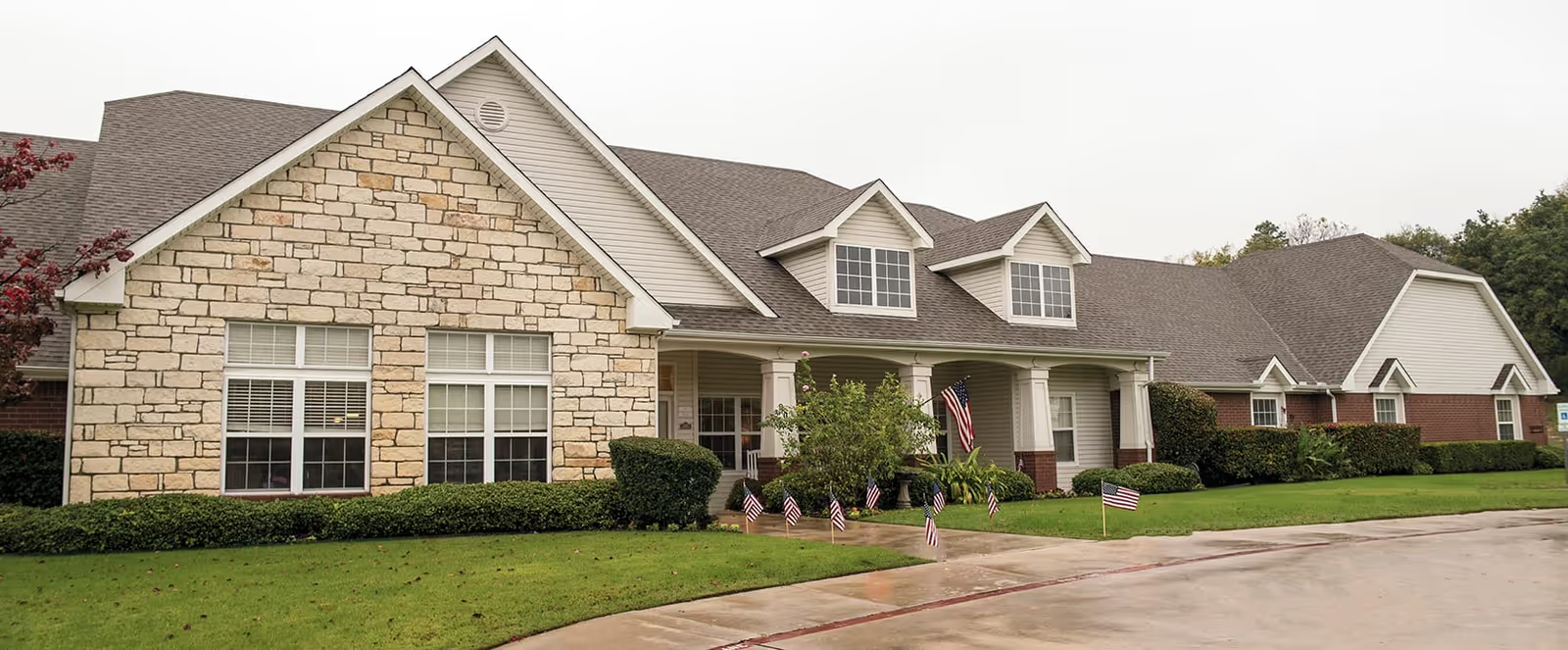
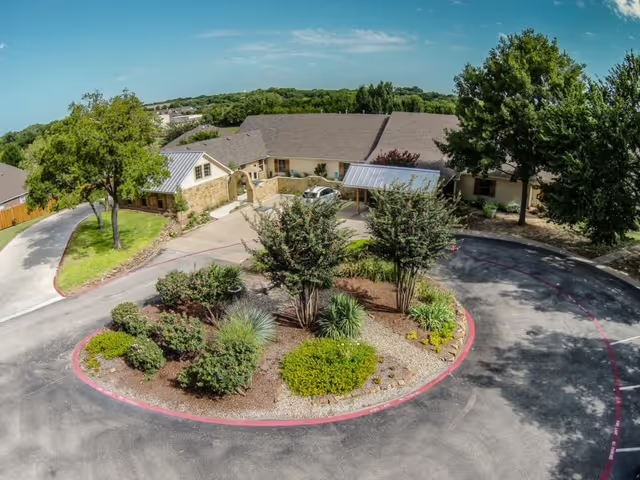
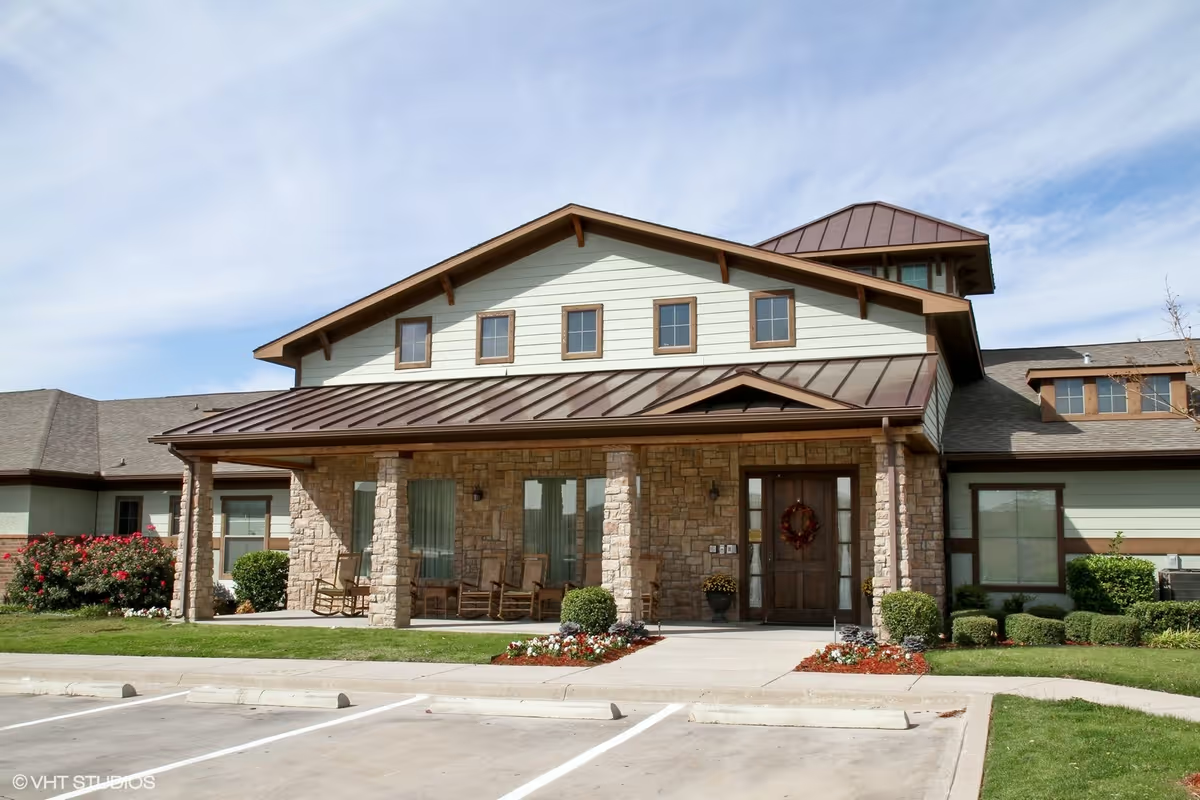
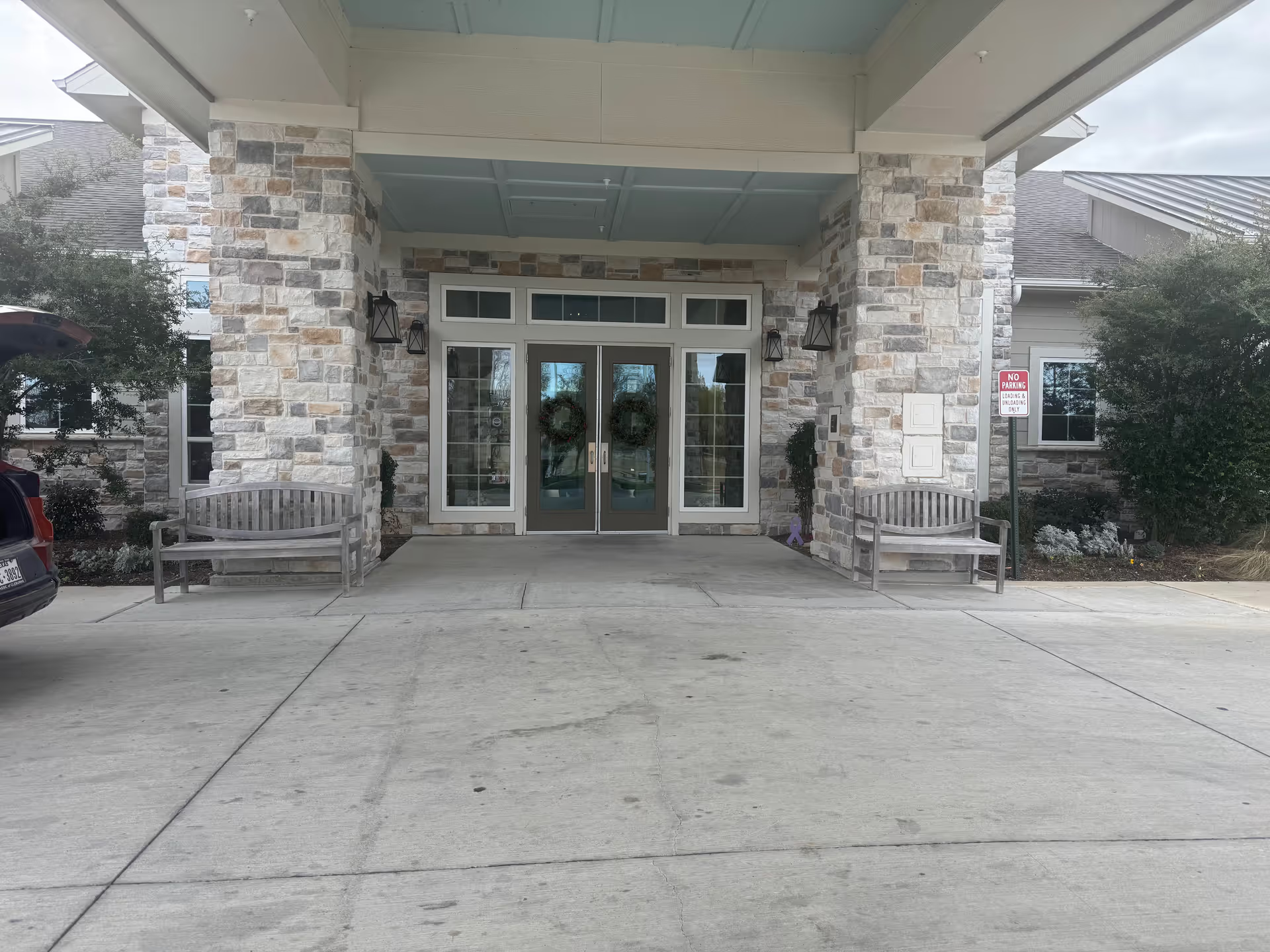
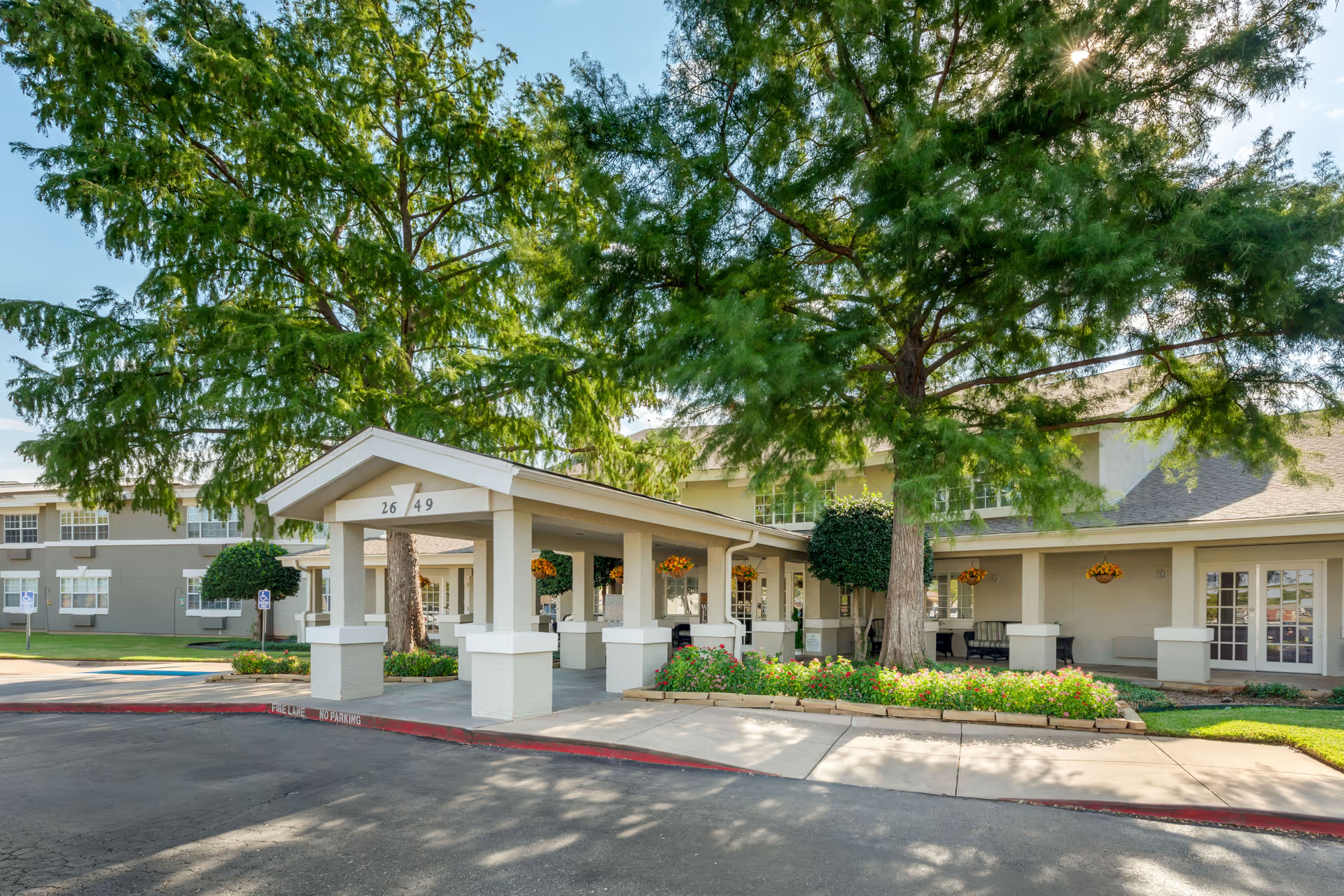
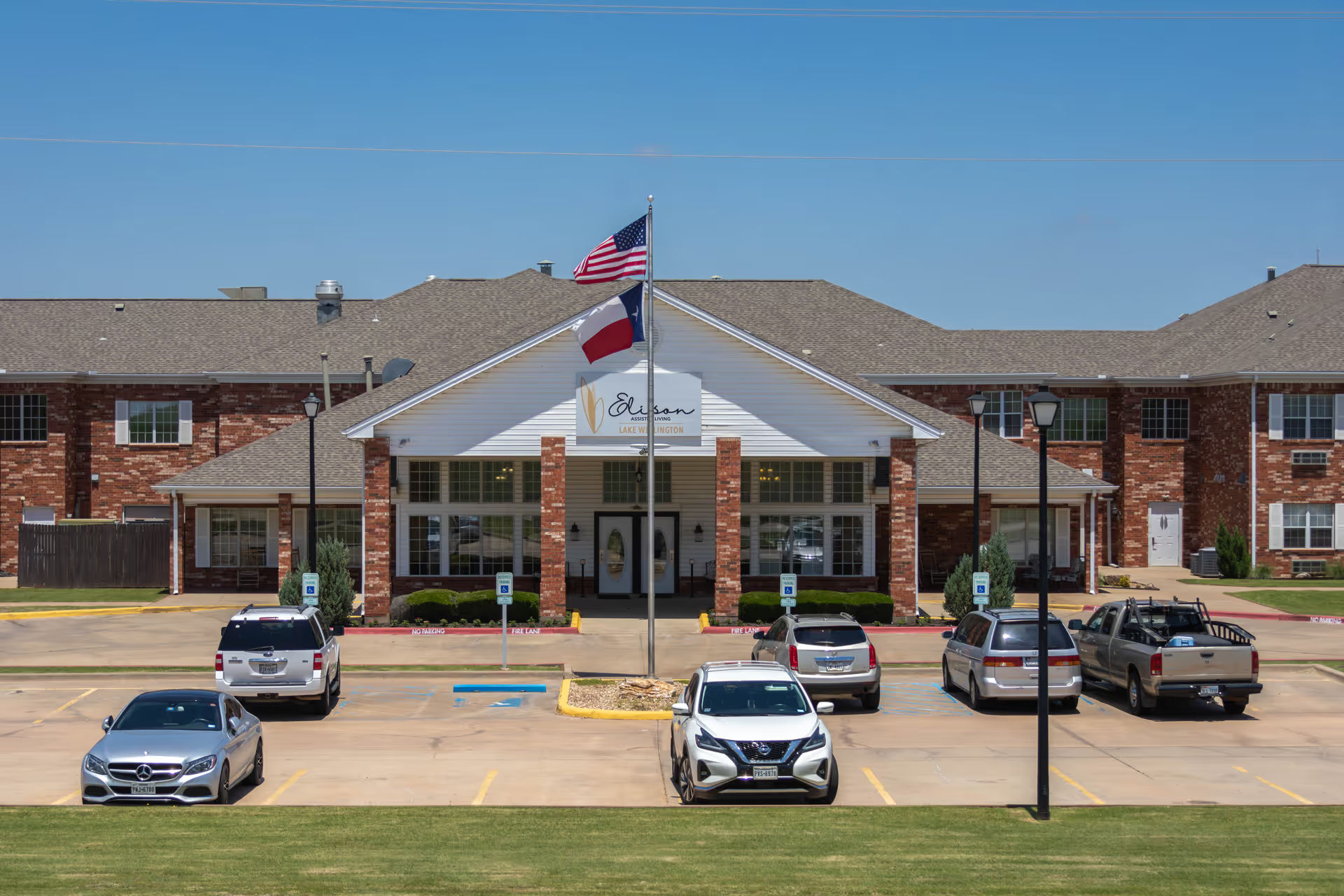
Elison Assisted Living & Memory Care of Graham presents as a community with strong strengths in interpersonal care, activities, and facility upkeep. Many families describe staff as compassionate, attentive, and willing to go beyond baseline duties; staff are frequently characterized as creating a family-like atmosphere and providing personalized attention. The memory-care unit is consistently described as secure and home-like rather than institutional, and reviewers highlight visible teamwork and an organized clinical workflow that supports daily operations.
Dining and activities are clear assets. Several accounts praise the quality and variety of meals and note prompt assistance at mealtimes. The activity program is broad and active—examples cited include arts and crafts, bingo, exercise classes, painting, a library, and other social programming—supporting an engaged resident life. Maintenance and housekeeping responsiveness is also noted positively, with specific mentions of timely repairs and cleaning that contribute to a well-kept environment.
Operational patterns show both strengths and areas for improvement. While clinical staff and caregivers receive frequent praise for compassion and individualized care, a recurring operational weakness is intermittent staffing shortages and variability in training, which can lead to inconsistent care experiences across residents and units. A related concern is limited internal capacity to manage high-acuity or end-of-life needs; some accounts describe substantial involvement of external hospice providers, indicating that families should clarify the facility’s scope of clinical services when evaluating fit for complex care needs.
Administrative issues appear infrequently but can be consequential. At least one serious billing/move-in dispute was described, pointing to potential gaps in the admissions and accounting processes; prospective residents and families should review contract terms and billing procedures carefully. There are also occasional family communication and expectation gaps around care plans and transitions — good communication with leadership at intake and during care changes is recommended.
In summary, the facility is generally viewed positively for its caring staff, robust activities, quality dining, and well-maintained, home-like environment. Prospective residents and families will likely find strong interpersonal care and an active program of life-enrichment. To make an informed choice, visitors should ask specific questions about current staffing levels and turnover, staff training programs, the facility’s approach to higher-acuity and end-of-life care, and the admissions/billing procedures to reduce the risk of administrative misunderstandings.