Overall impression The reviews present a largely positive view of the facility’s day-to-day environment and culture, with consistent praise for the caregiving staff, dining, activities, and the physical environment. Many families describe the facility as clean, attractive, and home‑like, and they praise individual caregivers and front‑desk/admissions personnel for respectful, compassionate interactions. The memory-care program and recent renovations are often cited as strengths, and the facility is seen as a good option for respite and transitional stays as well as long‑term residence.
Care and staff Caregivers and direct-care staff receive strong commendations for kindness, dignity, and attentiveness. Reviewers repeatedly describe staff who create a family‑like atmosphere and who are willing to go beyond basic expectations. Accessible nursing and health‑services leadership is noted in multiple comments, though there is also a pattern of uneven leadership effectiveness between units: while some families describe proactive nursing direction, others raise concerns about clinical oversight in the memory-care unit. Operationally significant issues raised include inconsistent medication administration and documentation, gaps in fall‑prevention and resident monitoring, and instances of unintended weight loss or missed care tasks. Prospective families should ask about current medication‑administration protocols, fall‑prevention measures, and how nursing leadership is deployed across units.
Dining and activities Dining is frequently praised for presentation, variety, and quality; many reviewers emphasize well‑prepared meals, reasonable choices, and special event dining. A smaller set of comments point to temperature and repetition issues (for example, cold meals or repetitive breakfast offerings), indicating some inconsistency in meal service execution. The activity program is a recurring strength — reviewers note a large and varied activity calendar, visiting musicians, outings, and faith‑based groups. A few reviewers suggested activity options could be broadened to better engage male residents; families should inquire about individualized activity planning when touring.
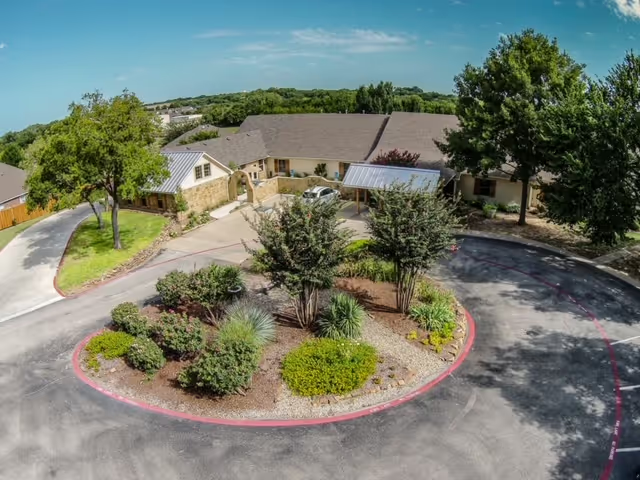
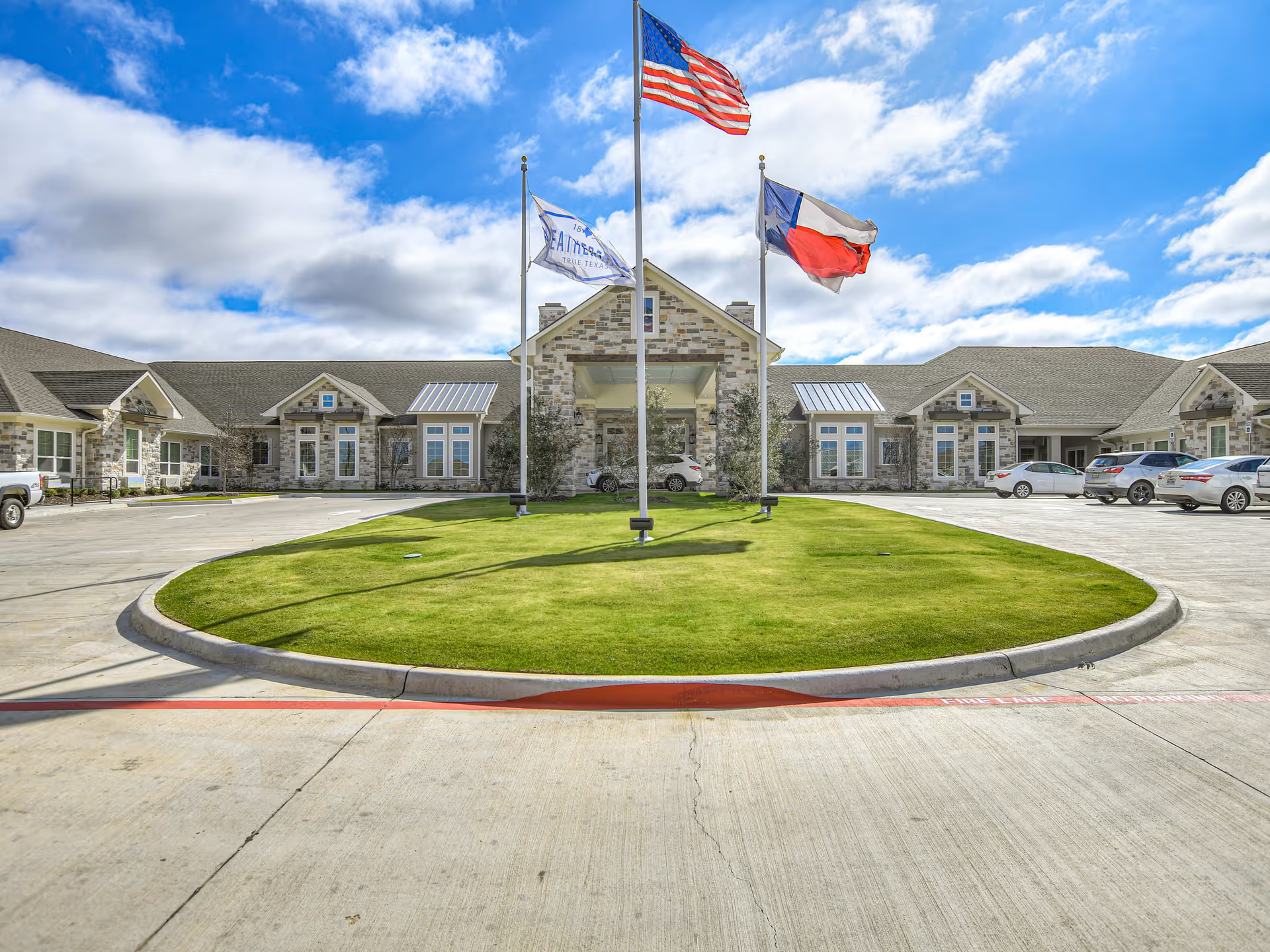
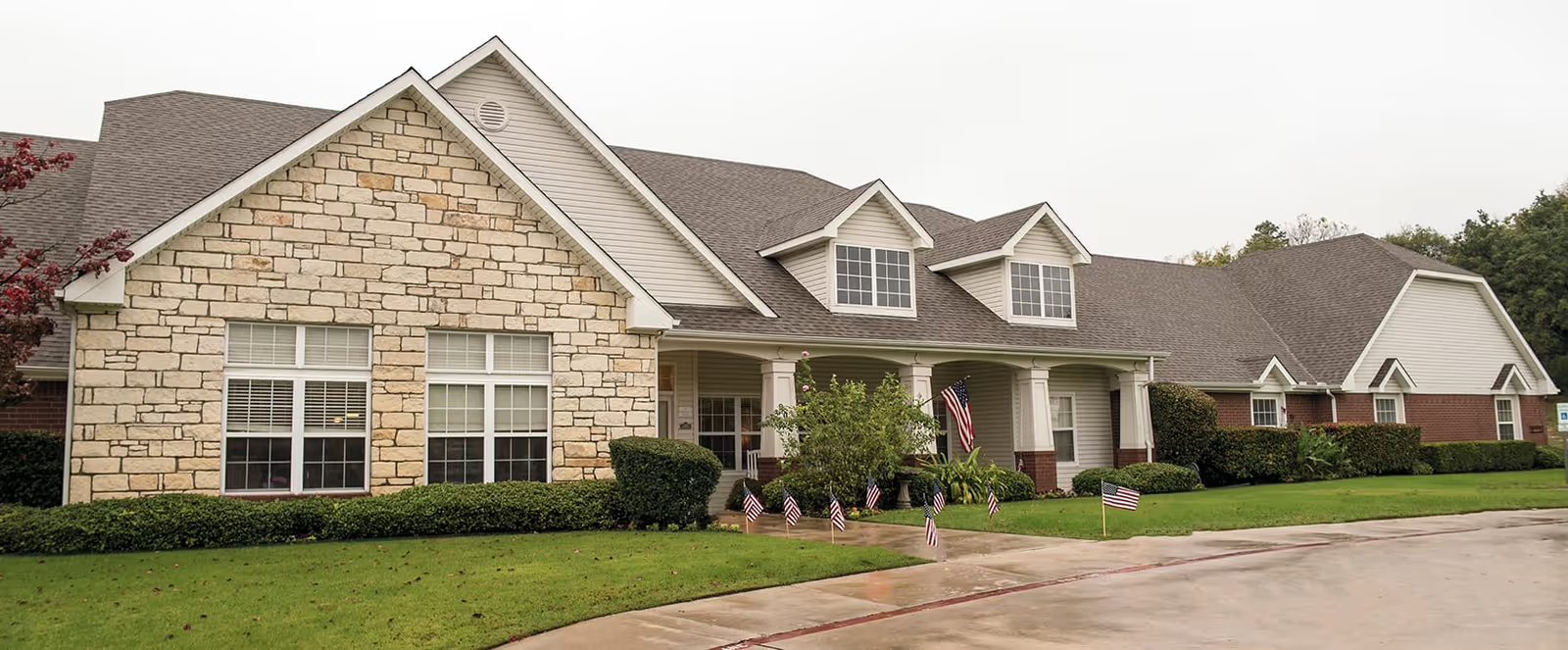
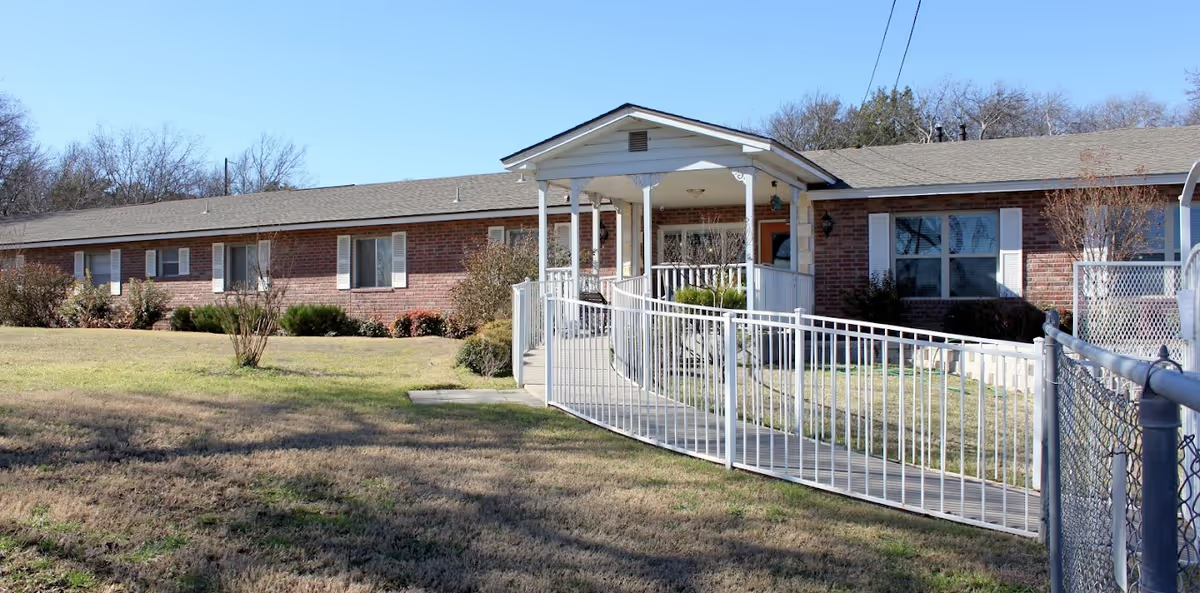
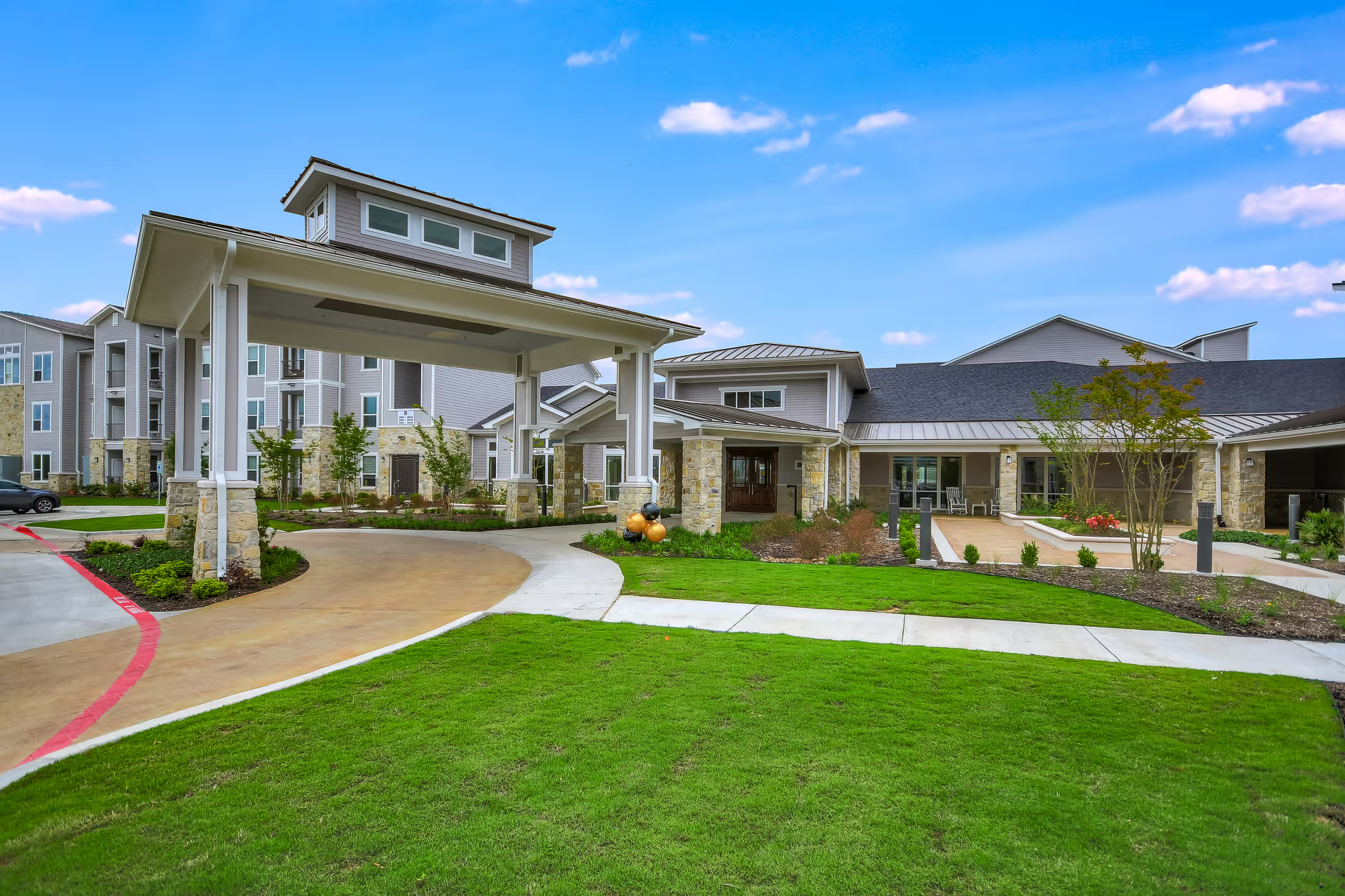
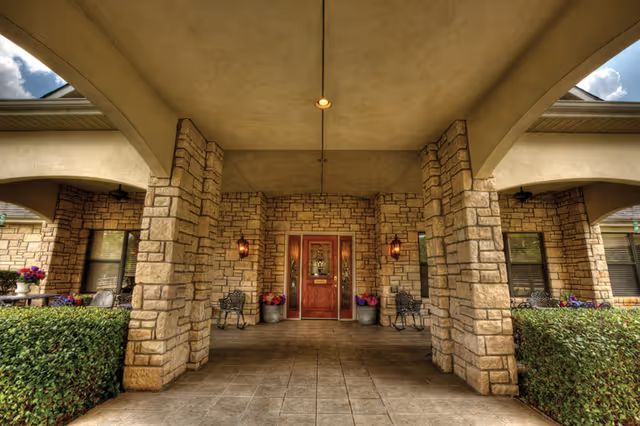
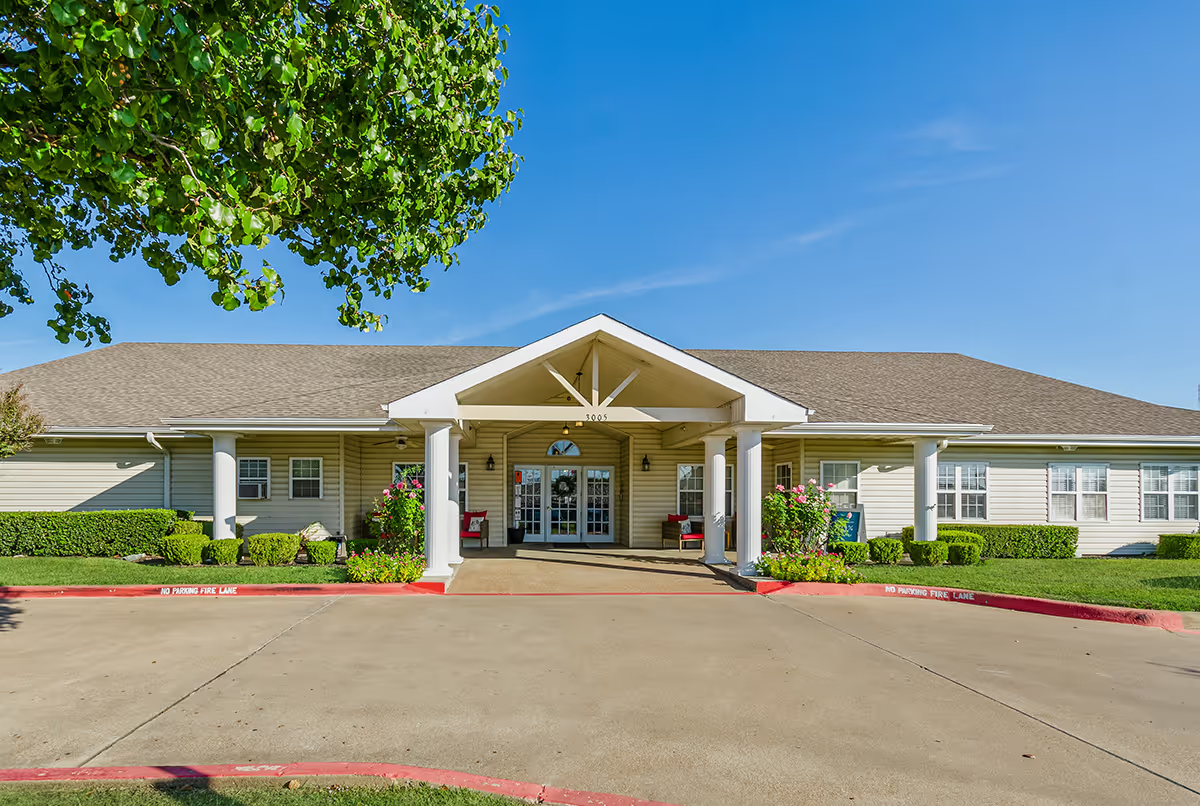
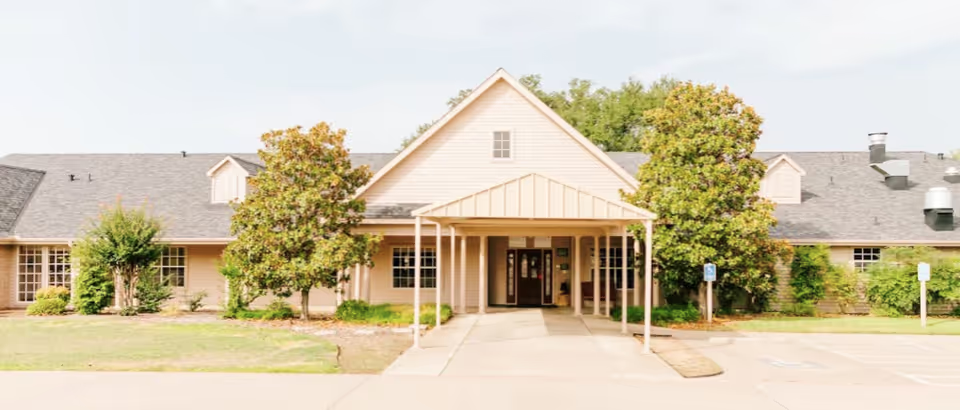
Facilities and environment The facility’s interior and grounds are repeatedly described as bright, clean, and well maintained, with recent renovations improving common areas and resident apartments. The atmosphere is characterized as warm and welcoming, with small‑home elements in some areas and locked memory‑care options where appropriate. Housekeeping and maintenance are generally praised, but there are occasional reports of lapses in follow‑through (missed room cleanings, long‑standing spills or maintenance items), so verifying routine housekeeping schedules and maintenance response times is advisable.
Management, operations, and notable patterns Management and administrative responsiveness show more variability in the reviews than frontline caregiving. Many families commend admissions and front‑desk staff for helpfulness and clear tours, yet a subset of reviews raise concerns about communication with families, delays in notifications after incidents, and uneven management oversight across units. There are also notable operational weaknesses in billing and refund processing; one review contains an allegation of a mishandled refund and a check sent to an old address resulting in financial loss. Staffing levels and responsiveness appear inconsistent across shifts and units for some reviewers — while some report fully staffed units and prompt attention, others experienced slower responses or staff turnover that affected perceived quality of care.
Recommendation guidance For prospective residents and family members, the facility shows many strengths in staff compassion, social programming, and the physical environment. At the same time, the recurring operational themes warrant targeted questions during a tour: inquire specifically about current medication‑administration audits, fall‑prevention protocols, housekeeping schedules, how nursing leadership is assigned across units (particularly memory care), the facility’s billing/refund procedures, and examples of how family notifications are handled after clinical events. Asking for recent staffing ratios, examples of corrective actions taken after incidents, and written policies on refunds and resident transfer protocols will help assess whether the facility’s strong day‑to‑day culture is matched by robust operational controls.