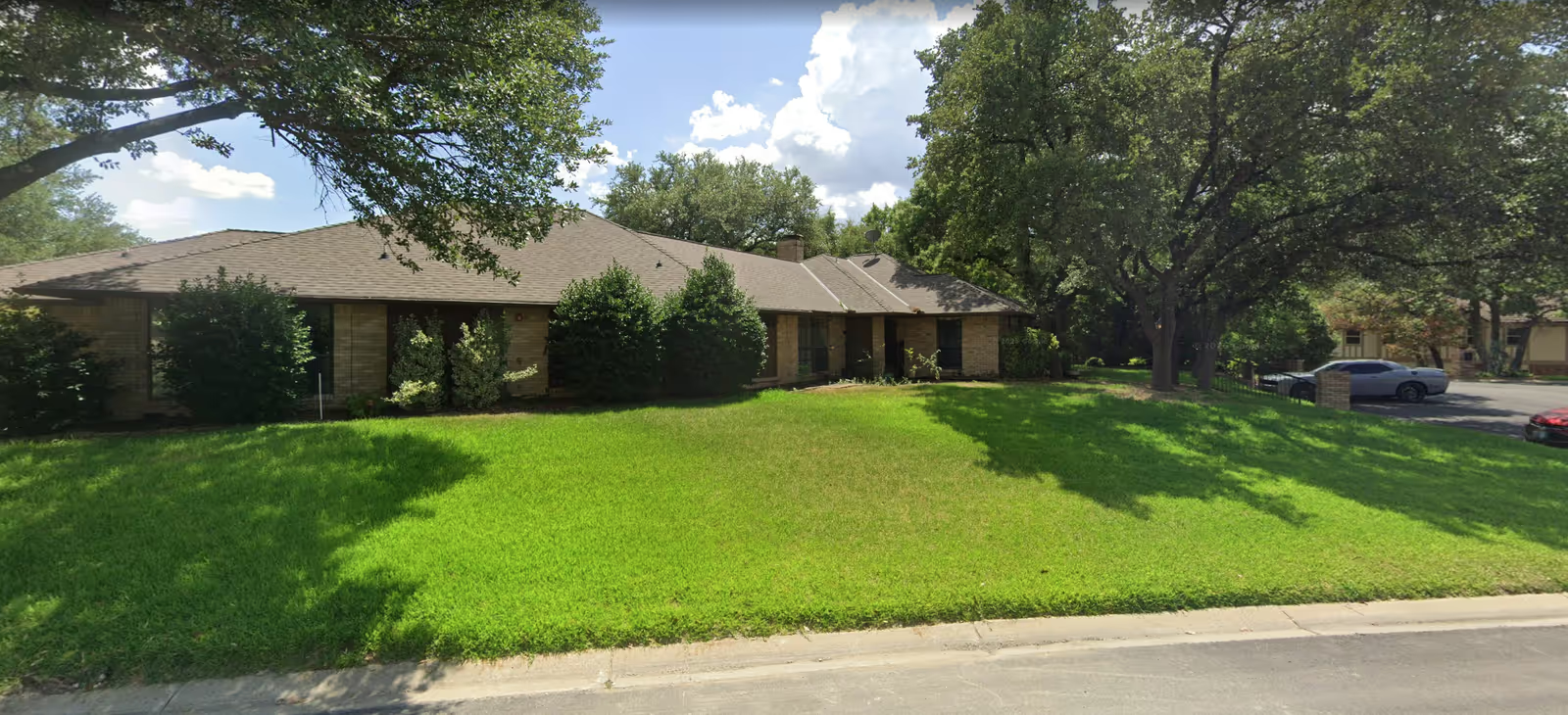
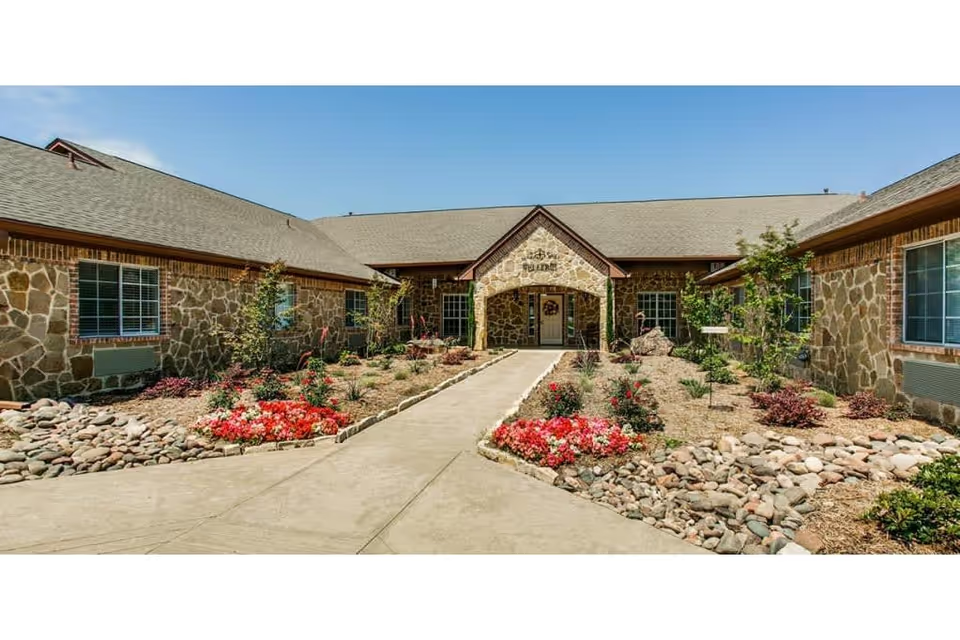
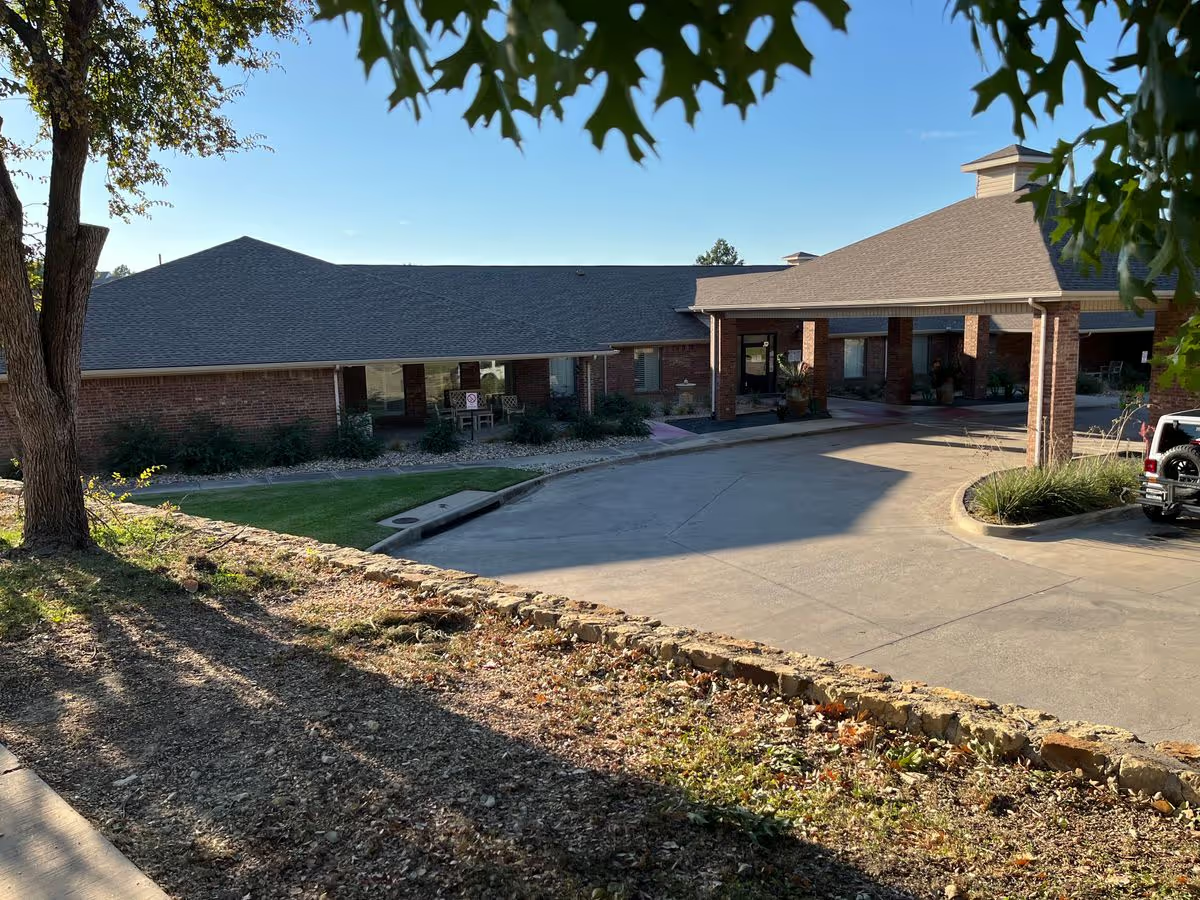
Silver Creek Assisted Living Azle presents a mixed but identifiable profile. Many reviewers describe a small, home-like setting with clean facilities, pleasant grounds and an intimate, family-style culture. The executive director is frequently cited as engaged and visible; staff are commonly described as warm, caring and attentive, providing one-on-one support and frequent check-ins. The facility’s size and rural/quiet location appeal to families seeking a residential, less institutional environment, and several accounts praise the availability of private rooms and private baths. Hospice and end-of-life care were specifically mentioned as supportive and comforting in some cases.
Dining and domestic services show a bifurcated pattern. Numerous reviewers praise homemade, home-style meals, use of garden produce, and appetizing presentations. At the same time, others describe repetitive menus, occasional undercooked or low-quality entrées, and what they perceive as TV-style meals. Housekeeping and laundry experiences are similarly inconsistent across accounts: many note a pristine, well-kept environment, while others raised sanitation and laundry concerns or reported irregular room cleaning and linen changes. These contrasting descriptions suggest variability in daily operations rather than a uniform standard.
Activity programming and clinical processes appear uneven. The facility’s small size supports personalized activities such as crafts, walks, Bible study and family dinners, and some families report active engagement. However, several reviewers note a lack of a full-time activities director and limited programming for higher-functioning residents, with periods when residents spend much of the day resting or watching television. Clinically, there are reports of attentive, proactive health monitoring (for example, glucose management), but also mentions of gaps in formal documentation, monthly safety assessments and structured care planning.
Management and staffing are notable sources of divergence. Many families compliment hands-on leadership and staff who go above and beyond, but others describe inconsistent management practices, poor communication, inexperienced administration and staffing shortages that affect supervision (including night-shift coverage). There are also reports reflecting more serious concerns about management conduct and regulatory attention; because these are serious individual claims, prospective families should verify the status of any regulatory actions directly with oversight agencies.
Taken together, Silver Creek may suit families seeking a small, homelike setting with individualized attention, visible leadership and home-cooked meals. Prospective residents and their families should prioritize direct verification of current staffing levels, activity schedules, kitchen procedures and housekeeping routines during a tour. Specific questions to ask include how the facility handles night-shift supervision, dementia training for staff, frequency of care-plan and safety-assessment reviews, transportation arrangements for medical appointments, and whether there have been any regulatory complaints and how they were resolved. These checks will help determine whether the facility’s strong personal care culture aligns with a given resident’s clinical and engagement needs.