Overall impression: Brookdale Westover Hills presents as a well-maintained, amenity-rich assisted living community with a strongly social environment. Reviewers commonly highlight warm, caring interactions between staff and residents, an active calendar of programs and outings, and on-site features such as a movie theater, salon, craft and game rooms that support social engagement. Dining is positioned as a strength for many residents — restaurant-style service, multiple entrée choices, and family dining options are repeatedly praised.
Care quality and clinical services: Families frequently commend individual caregivers, certain nurses, and on-site clinical coordination (PT, physician contact). At the same time, a recurring operational pattern is variable clinical capacity: reviewers describe instances of nursing being stretched thin, med-tech or medication-management concerns, and delayed responsiveness for higher-dependency needs. Several accounts indicate that residents with escalating care requirements sometimes required supplemental private caregiving. Prospective families should confirm current nurse-to-resident ratios, medication administration processes, and escalation protocols during a tour.
Staff and management: The staff culture is often described as compassionate and personable, with long-tenured employees and leadership who are visible and supportive. However, there is also a repeated pattern of staff turnover and uneven training across roles. Communication and follow-up from management are inconsistent in some reports: where families experienced proactive, communicative directors they were satisfied, but others cited gaps in ongoing family updates, billing explanations, and management follow-through. Ask for recent staffing-stability metrics and examples of staff training and retention initiatives.
Dining and food service: Many reviewers praise the menu variety, quality meals, and flexible dining options (including to-go). Conversely, there are intermittent complaints about inconsistent food quality, overcooked or overly sweet items, late meal delivery, and long dining waits. Billing related to meals has produced confusion in multiple accounts (charges during hospitalization, attendant-to-meal fees). Clarify meal billing practices, sample menus, and service expectations when evaluating the community.
Activities and social life: Activity programming is a prominent positive: exercise classes, brain games, themed events, outings, and specialty groups (e.g., men-focused activities, language classes) support engagement. The community's social facilitation for new residents is commonly noted, and many reviewers describe an improved social life after moving in. A small number of comments indicate variability in participation levels or limited activity visibility in specific units; inquire about the current activity calendar and resident participation rates.
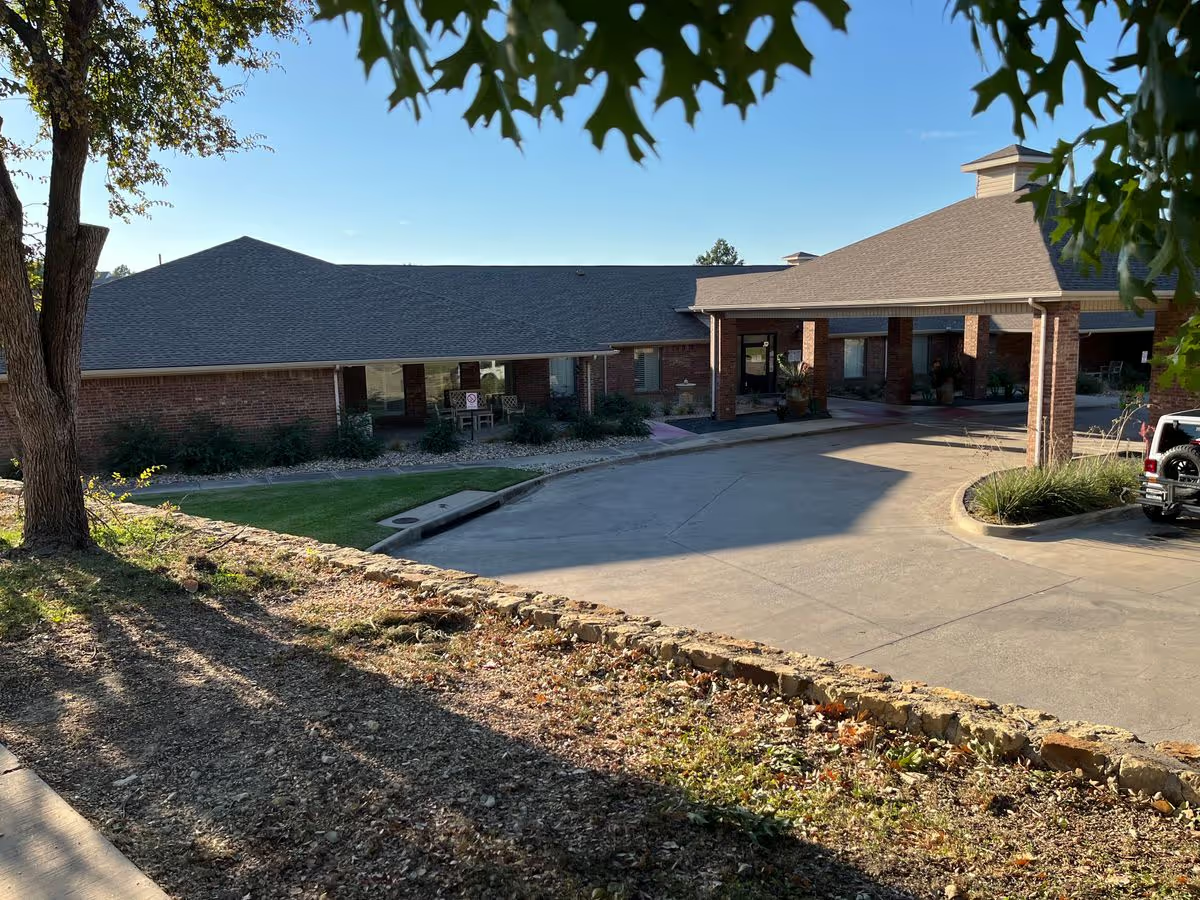
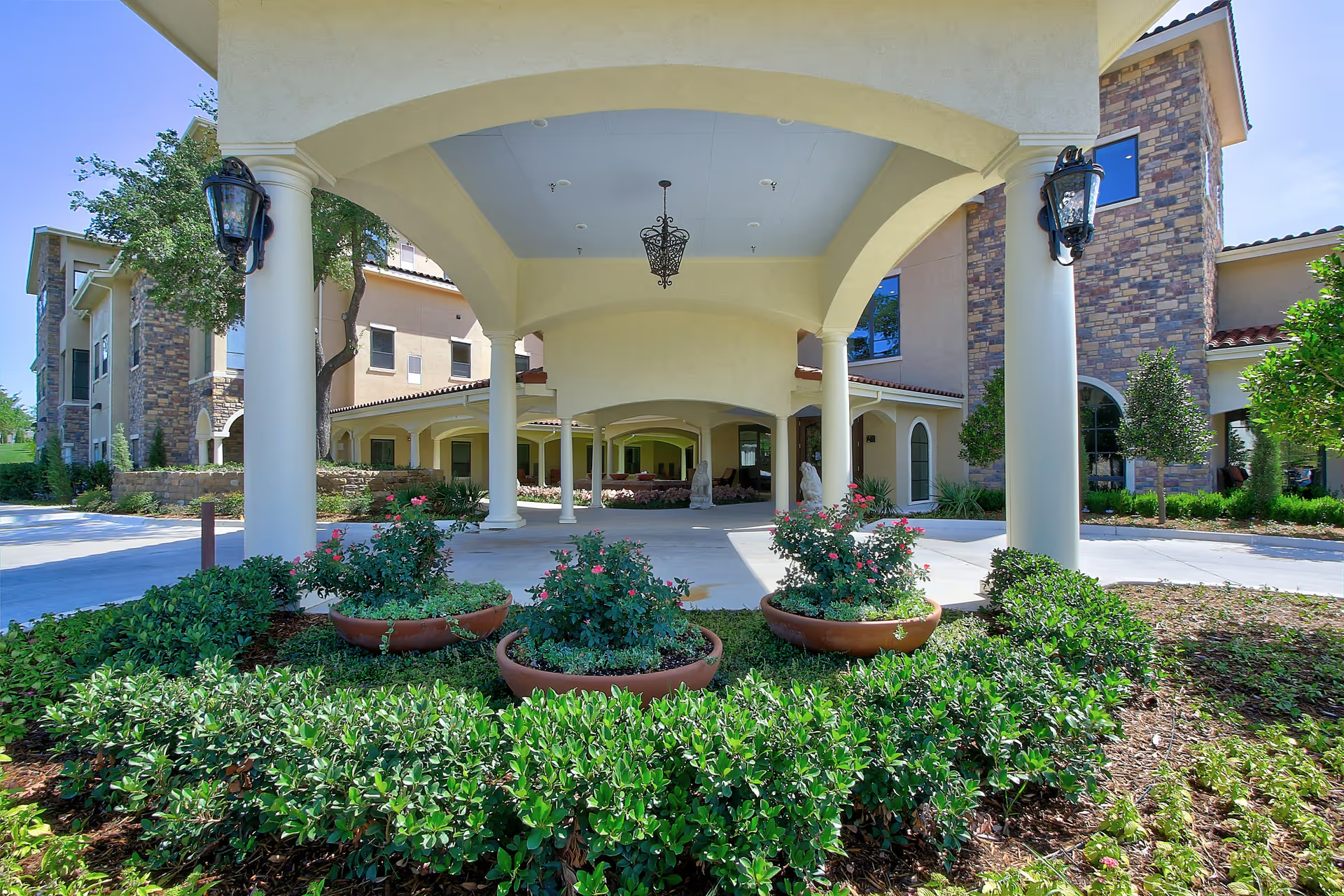
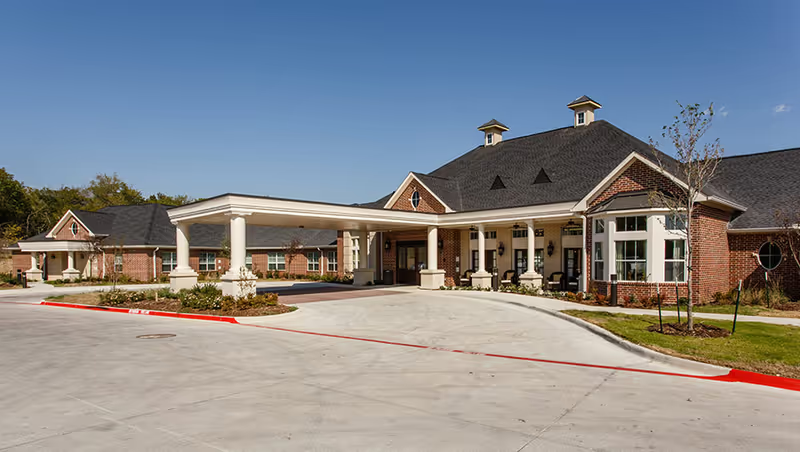
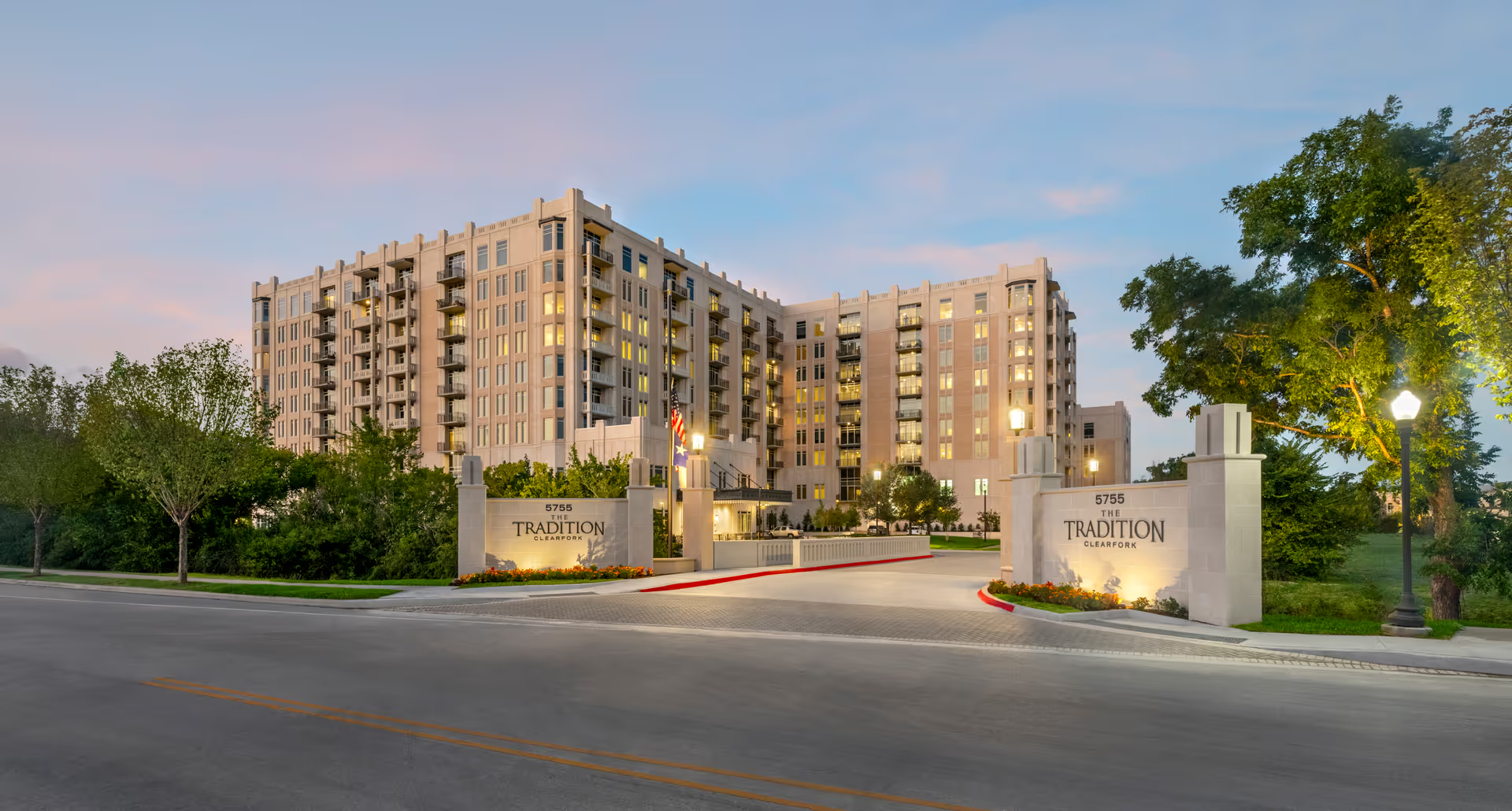
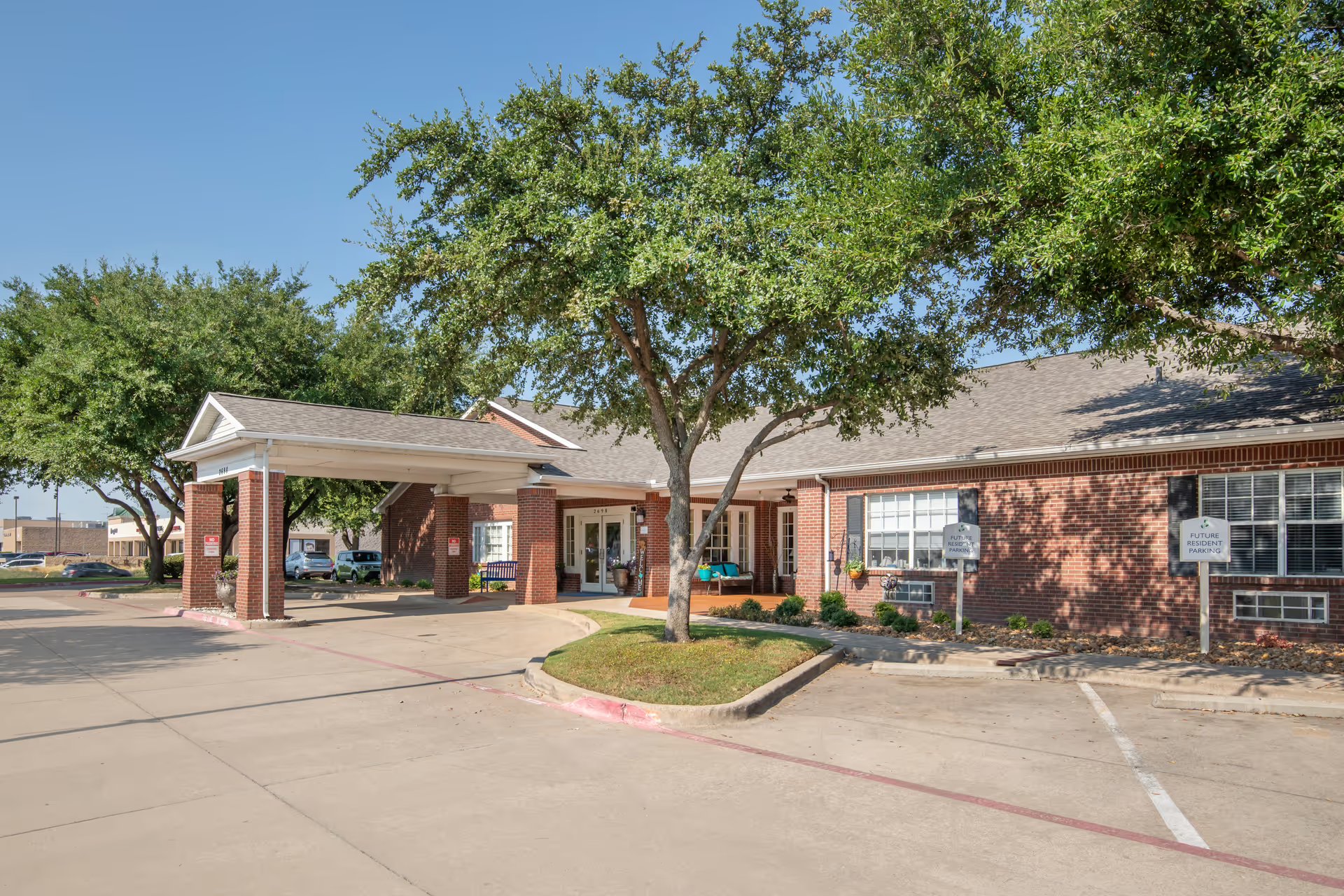
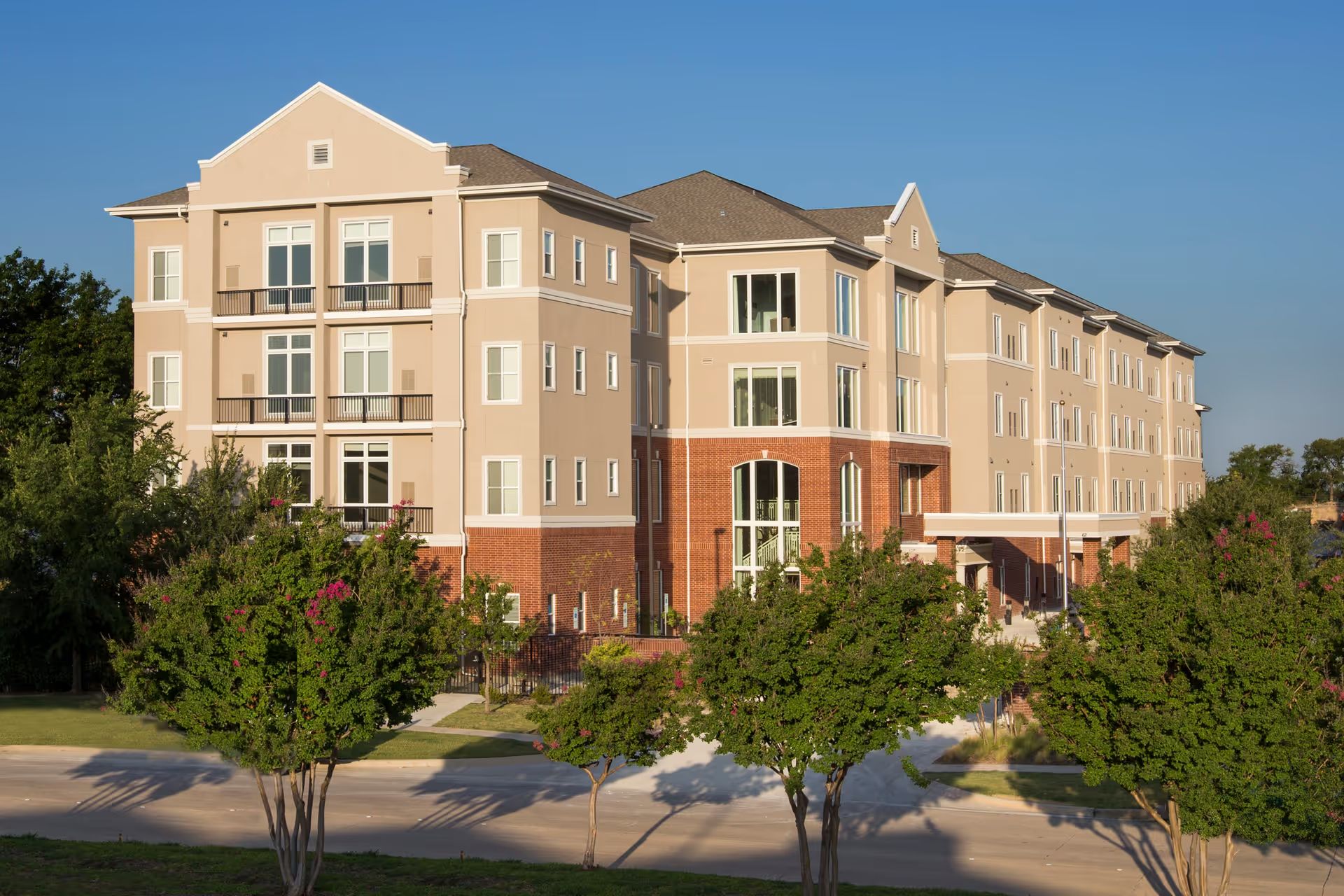
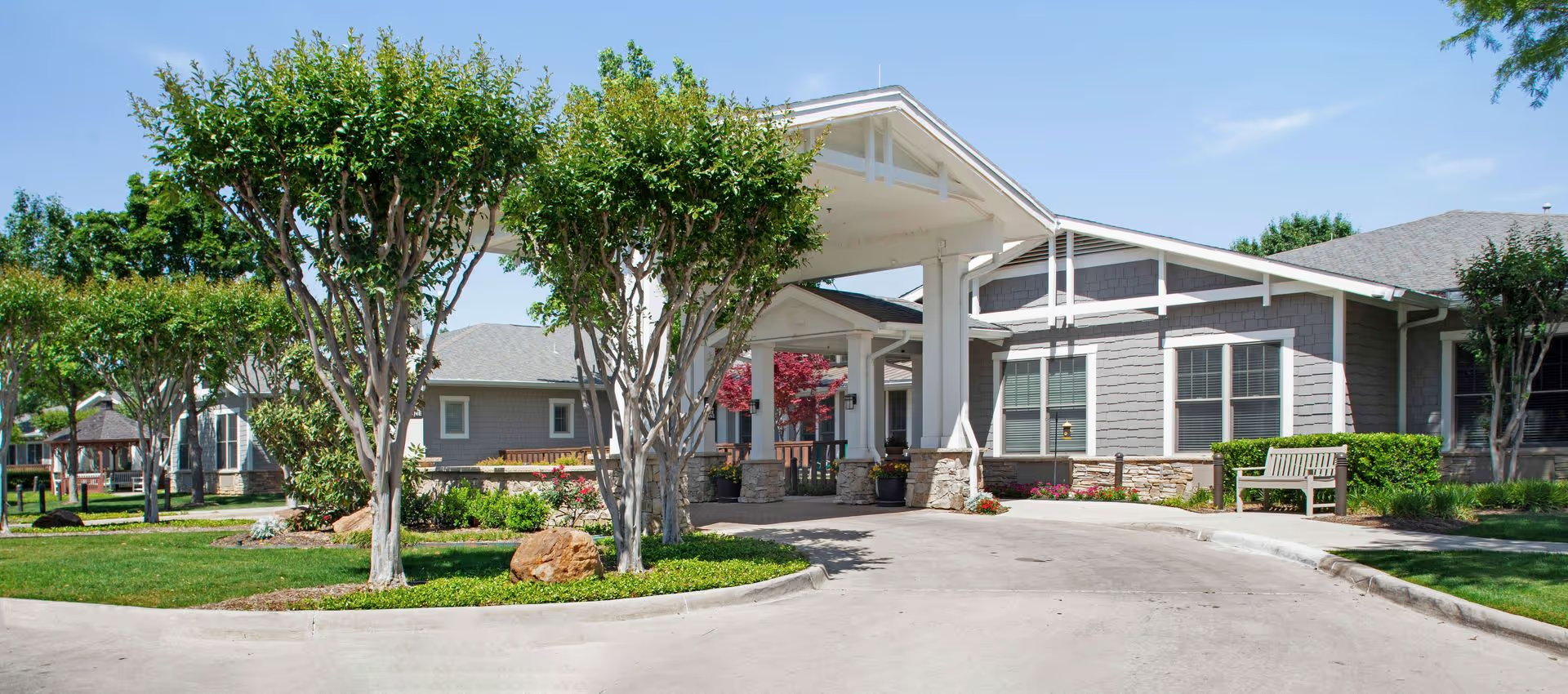
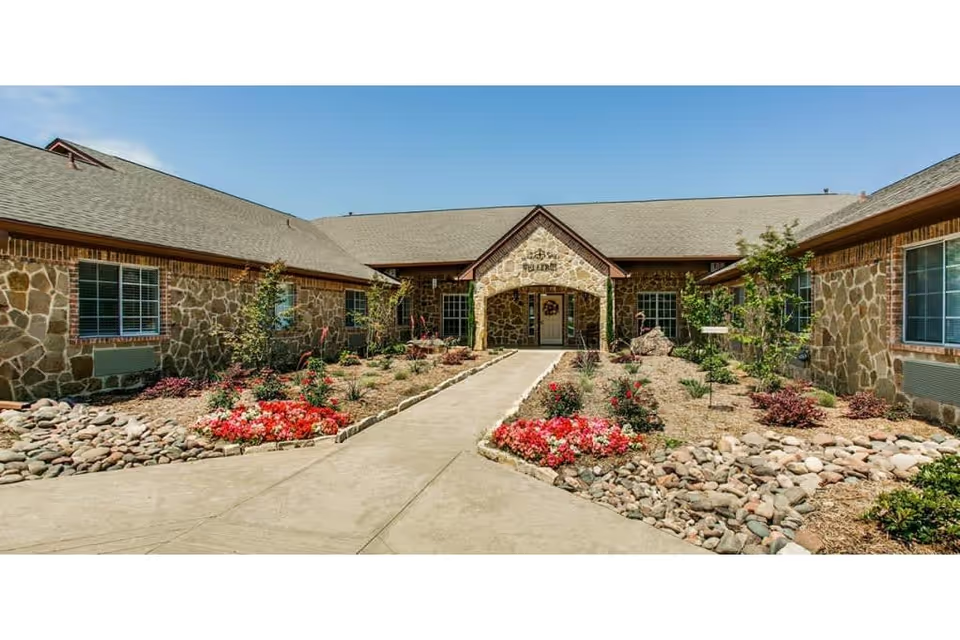
Facilities and accessibility: The property is frequently described as bright, clean, and attractively maintained, with spacious apartments and large bathrooms in many units. Amenities are comprehensive. Operationally, some apartments are smaller and include only microwave and mini-refrigerator options rather than full kitchens, which may not meet all preferences. There are also practical accessibility considerations: several reviewers raised concerns about reliance on elevators and the need for residents to handle stairs quickly in some circumstances. Inspect unit configurations and emergency/evacuation procedures during a visit.
Notable patterns and recommendations: Brookdale Westover Hills tends to excel in resident engagement, amenities, and the interpersonal quality of many staff members, making it a good fit for socially active residents with moderate care needs. Recurrent operational weaknesses include staffing consistency, clinical coverage for higher-dependency residents, billing transparency, and occasional service variability. When considering this community, families should (1) review current staffing levels and turnover, (2) ask detailed questions about medication administration and clinical escalation pathways, (3) request a clear, itemized explanation of fees and meal billing practices, and (4) tour units at different times of day to observe meal service and activity participation. These checks will help determine whether the community’s strengths align with a prospective resident’s care requirements and family expectations.