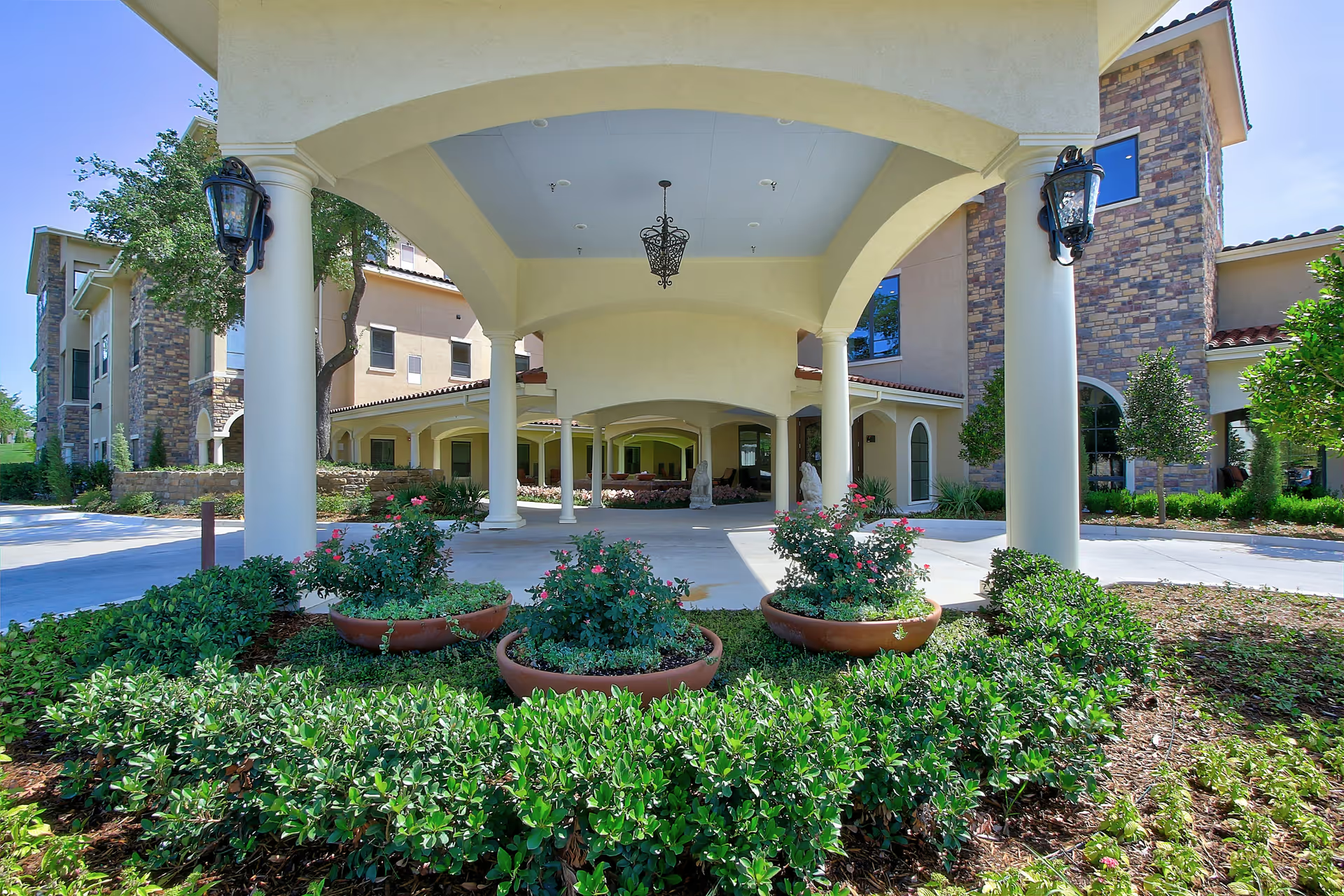
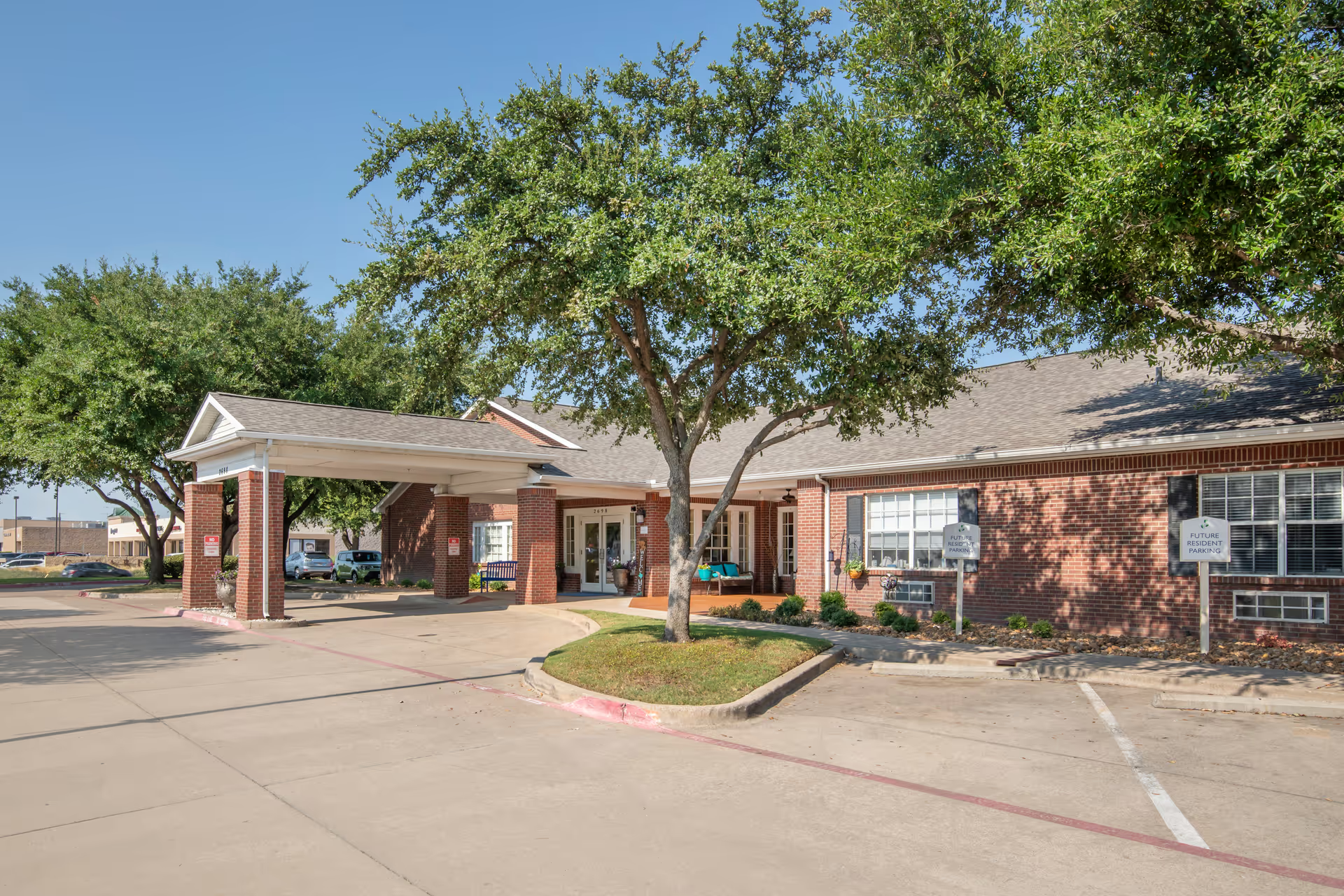
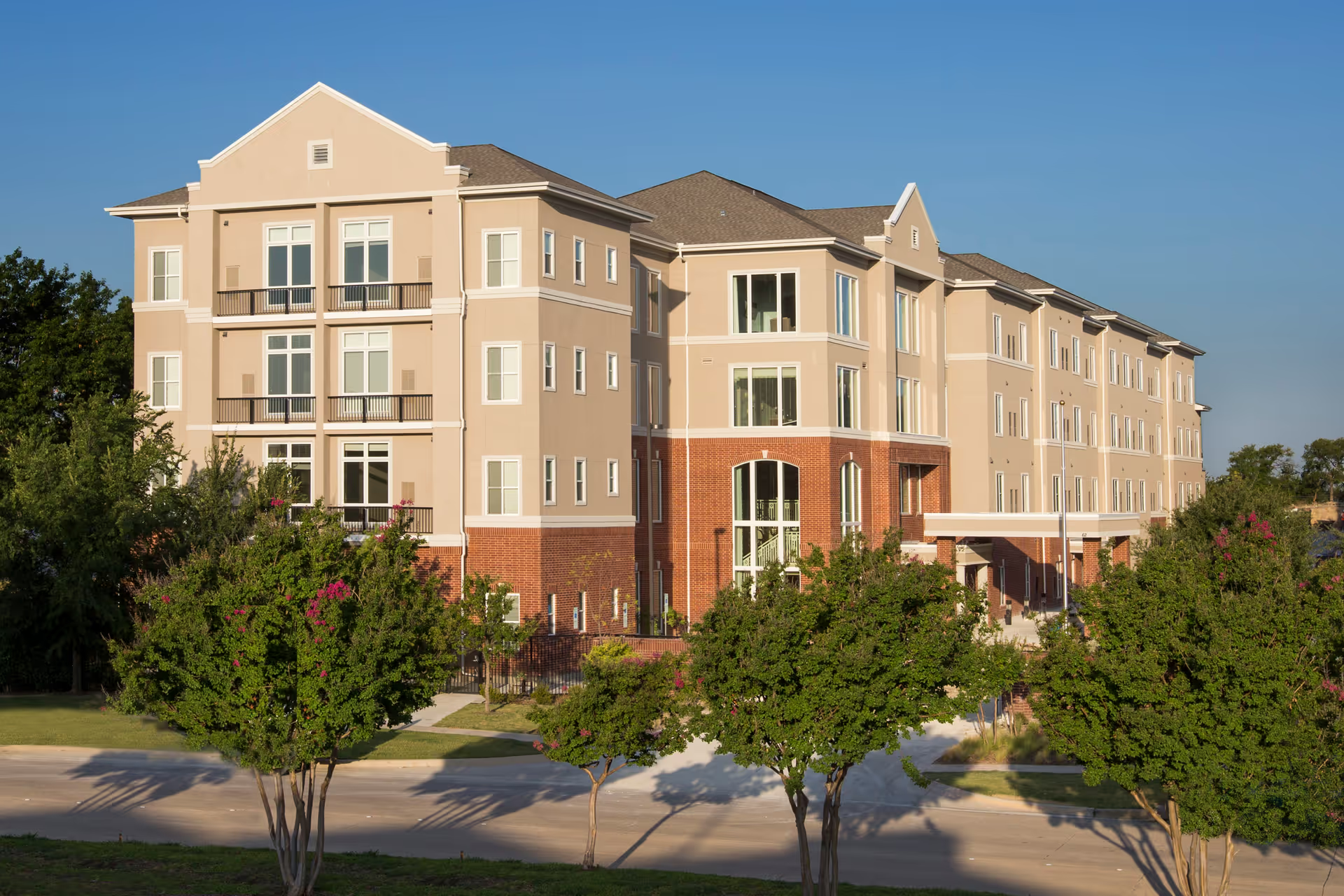
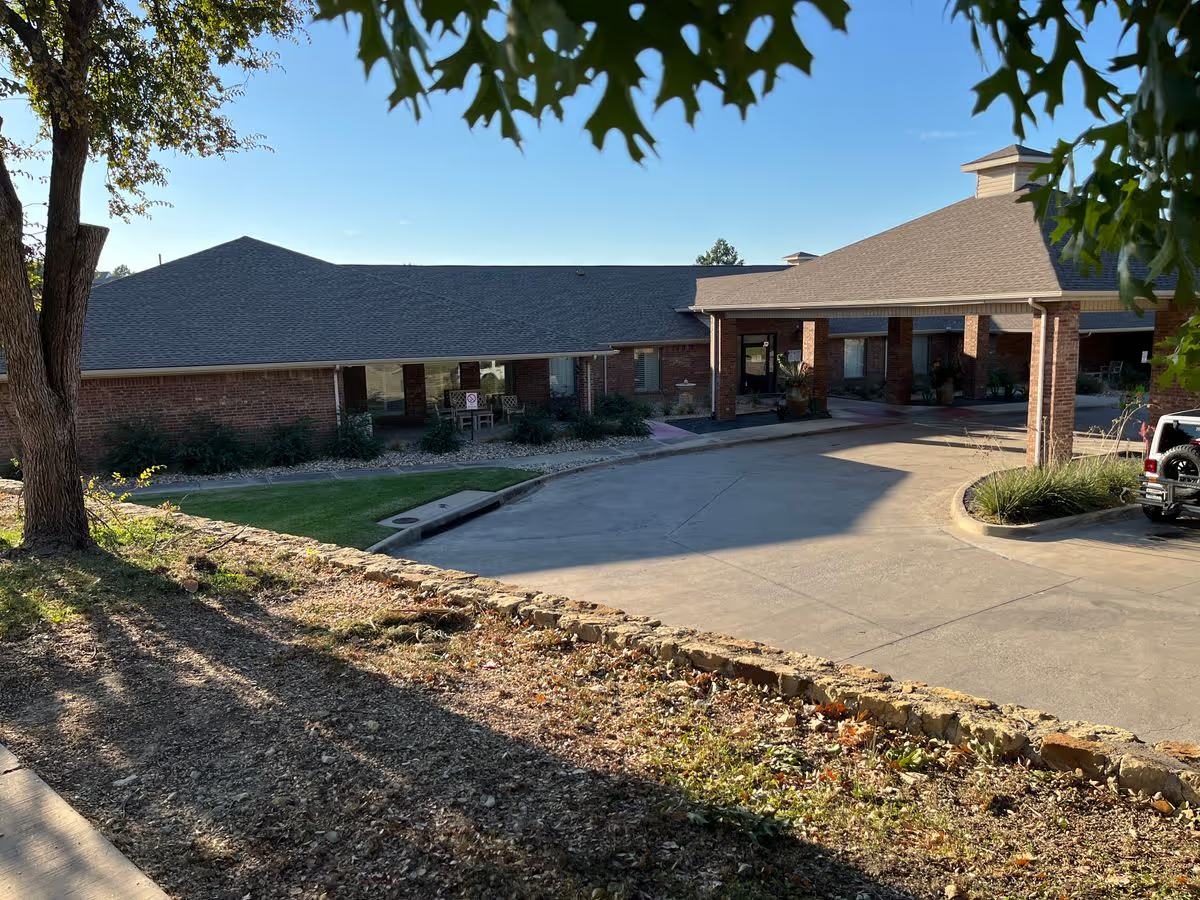
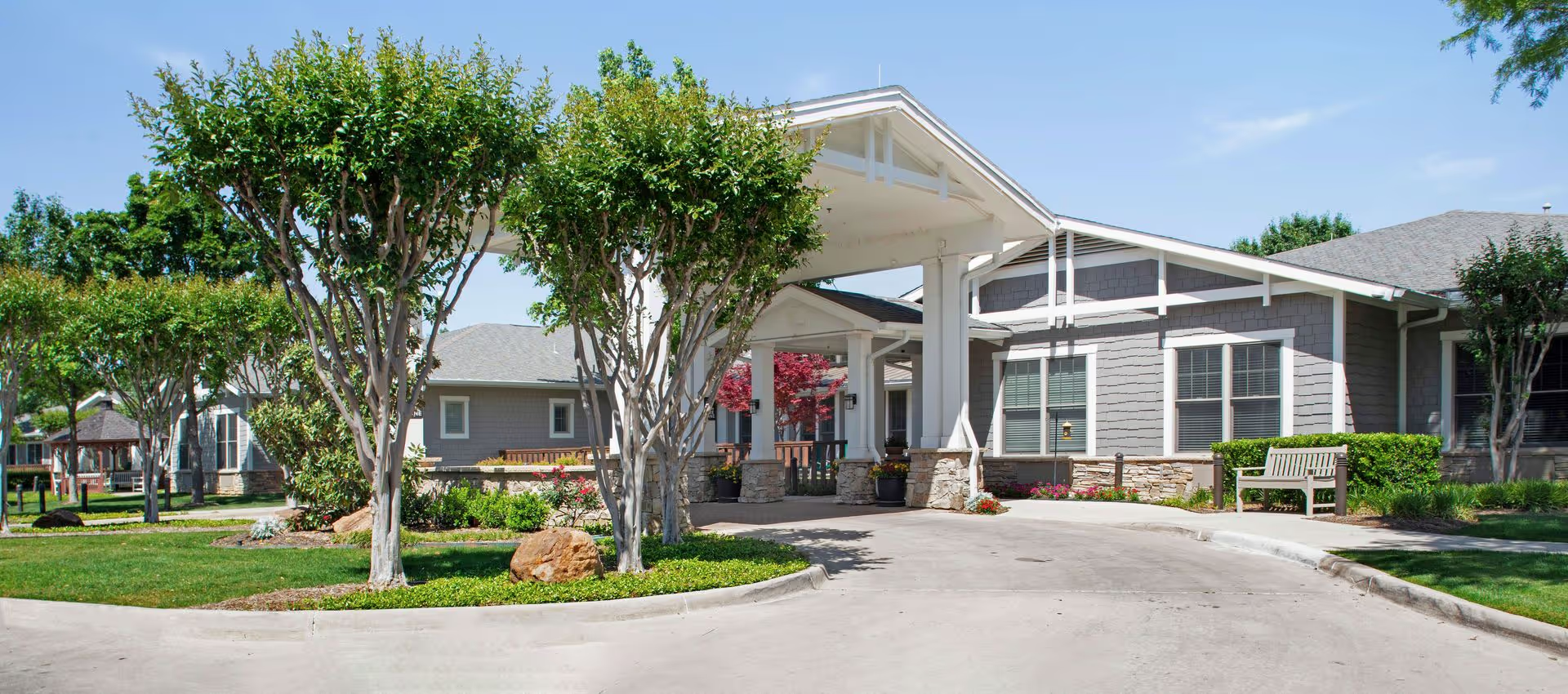
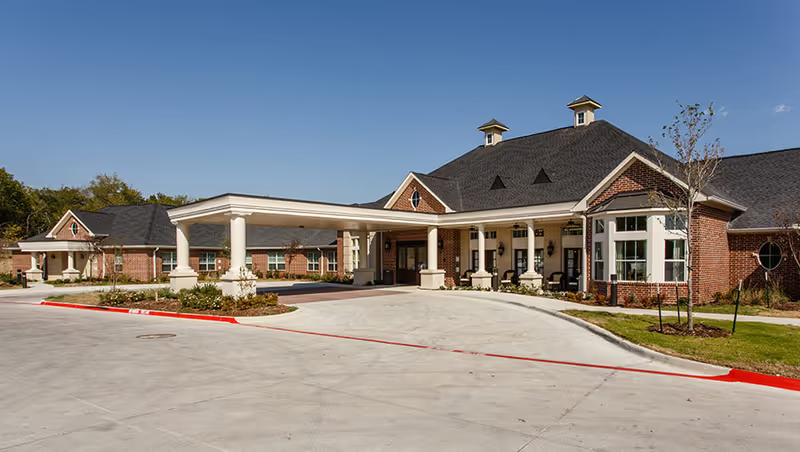
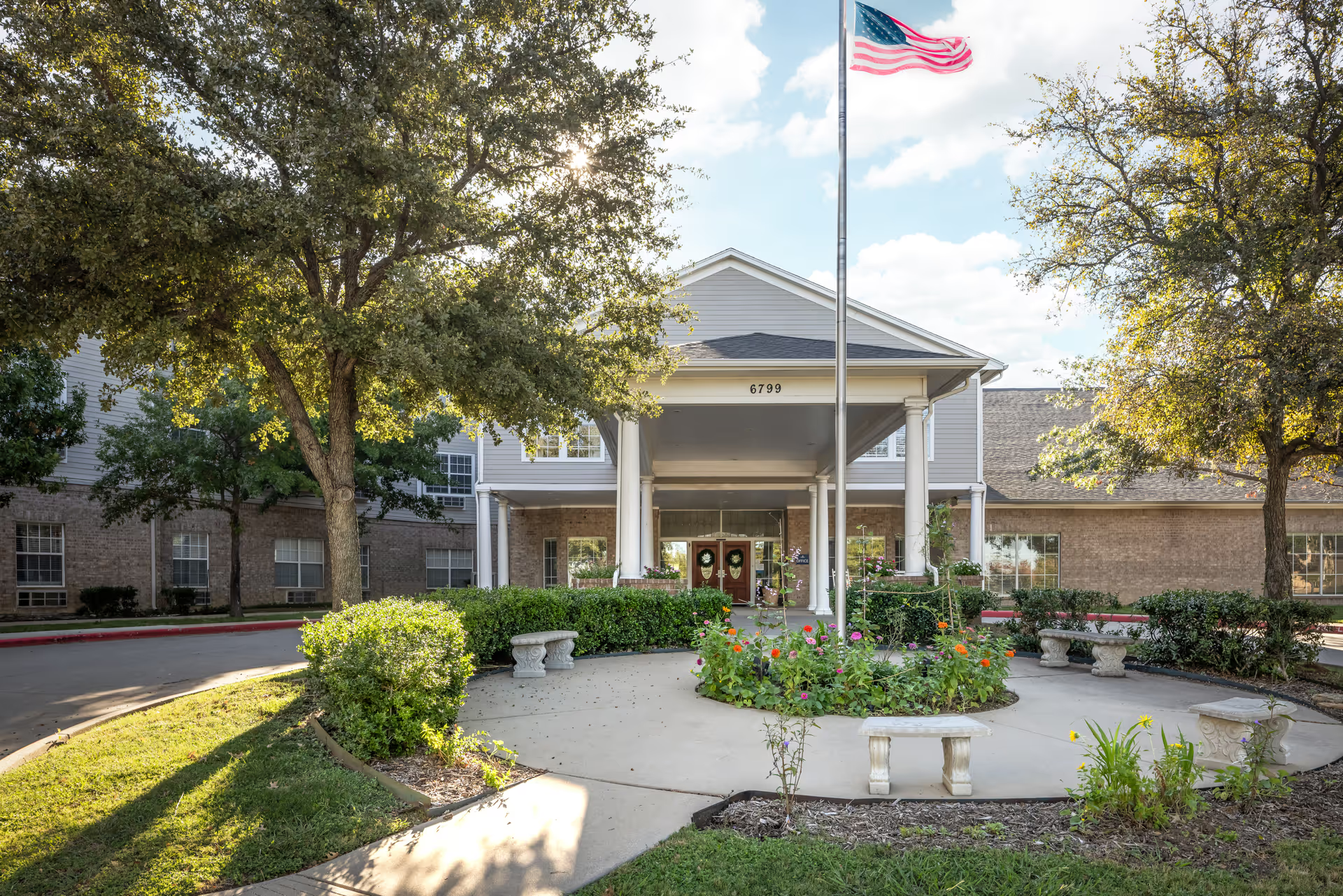
The Tradition–Clearfork elicits strongly mixed impressions: many reviewers describe a high-quality, resort-like campus with extensive amenities, while others cite recurring operational and communication issues that undermine resident and family confidence. The property’s design, finishes, and public spaces receive consistent praise — bright, light-filled apartments; thoughtful interior detail; and amenities such as a movie theater, indoor pool, fitness center, meeting rooms, and on-site physical therapy. Several accounts emphasize a warm social environment in independent living and an effective memory-care program, with active programming, meaningful activities, happy hours, and opportunities for new friendships.
Staff and care are central to the polarized impressions. Numerous reviewers commend caring, attentive caregivers, knowledgeable nurses and therapists, and staff who “go the extra mile.” Memory-care and certain clinical services (including professional PT) draw positive comments. Conversely, there are repeated operational concerns: inconsistent housekeeping and laundry performance, language and training gaps among some environmental-services staff, and variability in assisted-living programming that some families described as leaving residents lonely or under-stimulated. A small number of reviewers raised significant concerns about medication management and family communication; one review included an allegation regarding unauthorized entry following a resident’s death, which stands out as a serious individual claim families should investigate further with leadership and regulators during a tour.
Dining and activities are frequently cited as strengths but with occasional quality-control problems. Many residents enjoy varied dining choices, restaurant-style service, and frequent social meals that contribute to a “cruise-like” experience. At the same time, reviewers reported inconsistent meal temperatures, ordering or exclusion errors, and calendar inaccuracies that affected planned events. Programming is generally robust in independent living, but assisted living was described as less active by some families; prospects should confirm the activity mix and staffing levels for the level of care they need.
Operational and management patterns are notable. Positive on-demand maintenance and transportation services coexist with complaints about management responsiveness, calendar communication errors, visitation restrictions or miscommunication, and perceived weak corporate follow-up on escalations. Pest-control concerns in dining and common areas were mentioned and warrant direct observation. Several reviewers also expressed that the community’s pricing is high relative to the service consistency they experienced.
For prospective residents and families: the Tradition–Clearfork offers a high-amenity, well-designed environment with many staff and programming strengths, particularly in independent living and memory care. At the same time, families should probe operational reliability during visits — observe housekeeping, dine on-site, request current activity calendars, ask about language and training for environmental staff, review medication-management and post-incident communication protocols, and clarify what is included in fees. Request evidence of pest-control practices, escalation pathways to corporate leadership, and examples of how management responds to service failures. These focused inquiries will help determine whether the community’s strengths align with your expectations and care needs.