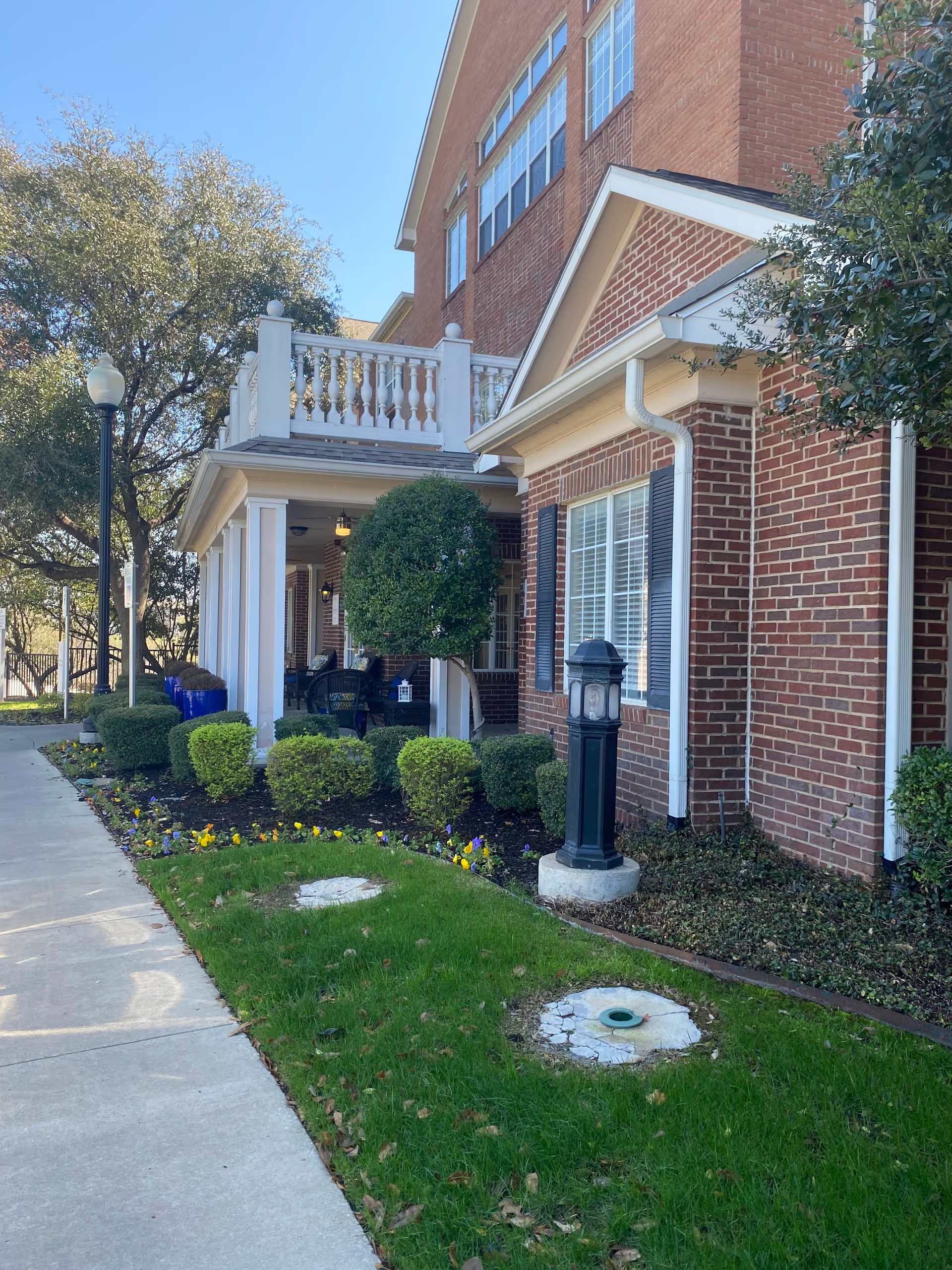
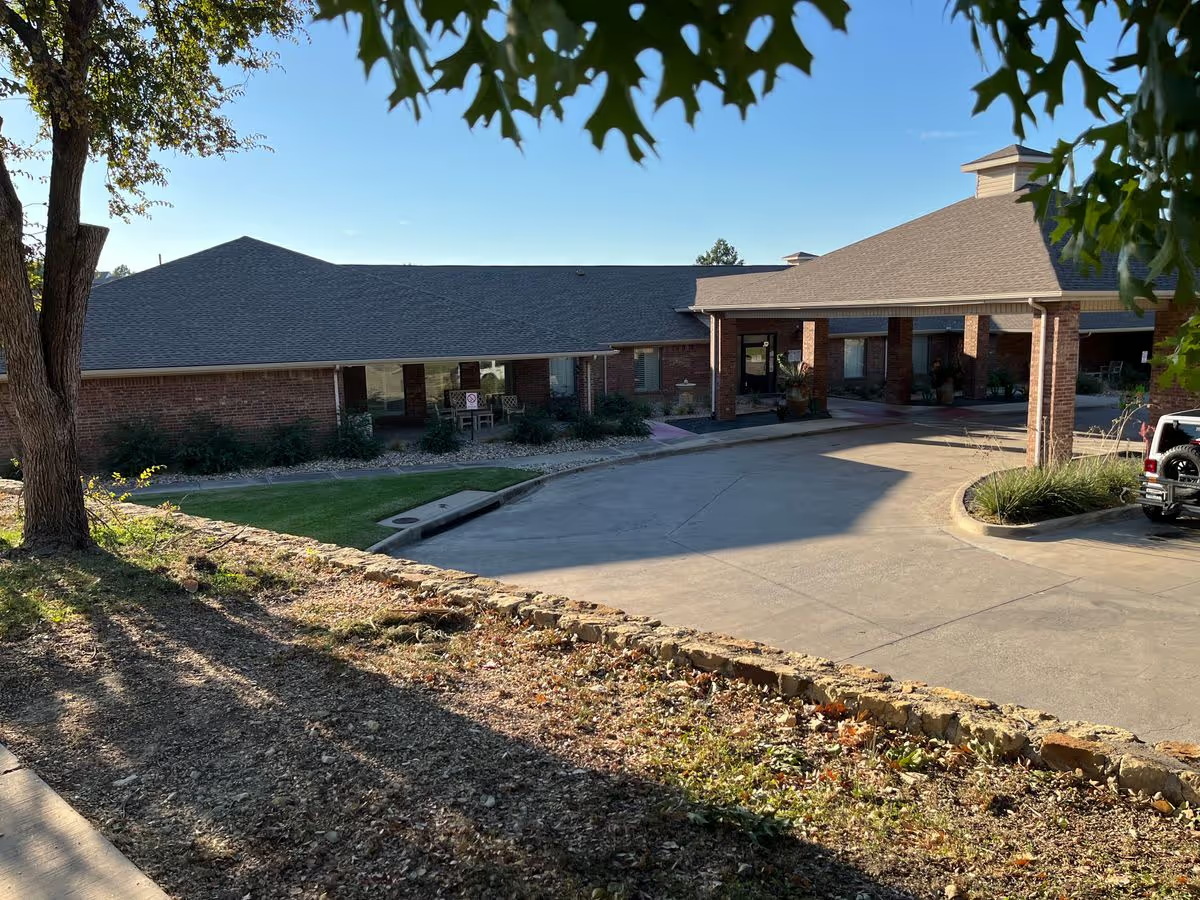
The Waterford at Fort Worth presents as an active independent-living community with a number of well-regarded operational strengths alongside recurrent operational weaknesses. Many reviewers emphasize the facility’s social programming, transportation options, and on-site amenities: a busy activities calendar with outings, a chapel and religious services, library and media rooms, salon/barbershop, exercise spaces, and accessible laundry facilities. Apartment options include studios and larger one- and two-bedroom units, and several families characterize the community as offering good value for the services bundled into rent.
Staffing and direct care receive predominantly positive remarks. Reviewers commonly describe staff as caring, hands-on, and resident-oriented; leadership and specific staff members are frequently praised for responsiveness and for helping residents transition. The Waterford also maintains on-site nursing resources and partnerships with contracted therapy and home-health providers, and some locations report 24/7 clinical availability or nursing presence. That said, there are repeated references to staffing turnover and inconsistent continuity of personnel; prospective residents should clarify current staffing levels and continuity for units or wings they are considering.
Dining is a visible strength for many families: restaurant-style service, an engaged head chef, varied menus, and meal-delivery options are cited positively. Conversely, meal quality and consistency emerge as a repeated concern—complaints include uneven execution, occasional under- or overcooking, portion-size issues, delivery errors, and examples of poor kitchen sanitation practice leading to pest-control concerns. Dining logistics may also present accessibility challenges for residents using walkers or requiring flexible mealtimes; readers should request a meal visit and inquire about accommodations for mobility or dietary needs.
Activities and community life are frequently described as lively and well organized. The Waterford’s programming commonly includes exercise classes, music and entertainment, games, and frequent off-site trips and shopping runs. Transportation—both scheduled shuttle service and private-driver options—is highlighted as a practical benefit that supports independence and community engagement.
Facility condition and operations show variability. Some areas are newly updated and well maintained, while other units or common areas are described as dated or mid-renovation. Housekeeping performance is uneven across reports: several families praise weekly cleaning and prompt maintenance, while others cite delayed housekeeping, carpet and flooring issues, and pest-control concerns. Administrative practices attract mixed feedback as well: there are recurring complaints about billing, deposit/refund delays, and slow or inconsistent responses to family inquiries. A small number of reviews reference serious individual allegations involving financial handling or theft; those comments suggest the value of verifying accounting practices and safeguards during any tour or contract review.
In terms of fit, The Waterford is often recommended for independent seniors or those needing low-level assistance who prioritize social programming, dining, and convenience services bundled within rent. It appears less suitable for residents with higher-acuity medical or skilled-nursing needs unless additional contracted care is secured—families should confirm the facility’s specific limits on clinical services, transfer policies, and how on-site nursing coordinates with outside providers. Before committing, prospective residents and families should (1) observe a meal service in person, (2) ask about current staffing ratios and turnover, (3) verify front-desk/security coverage and incident-response protocols, (4) review pest-control and housekeeping schedules, and (5) confirm billing/refund procedures and any additional fees for assisted services.