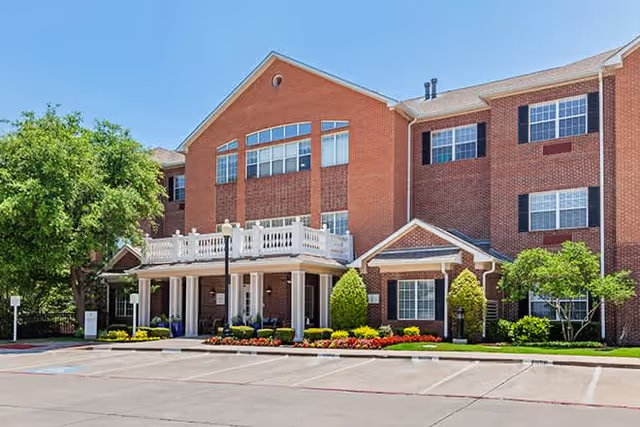
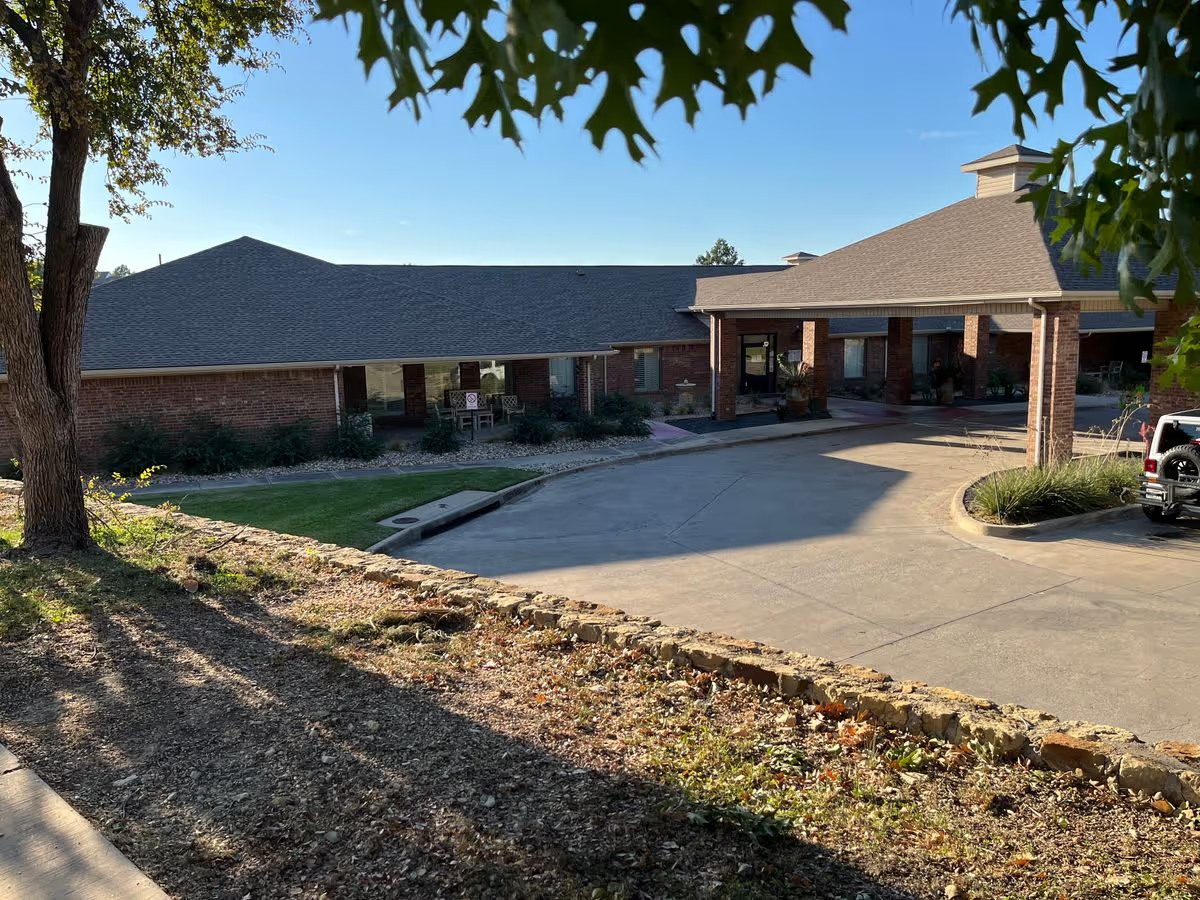
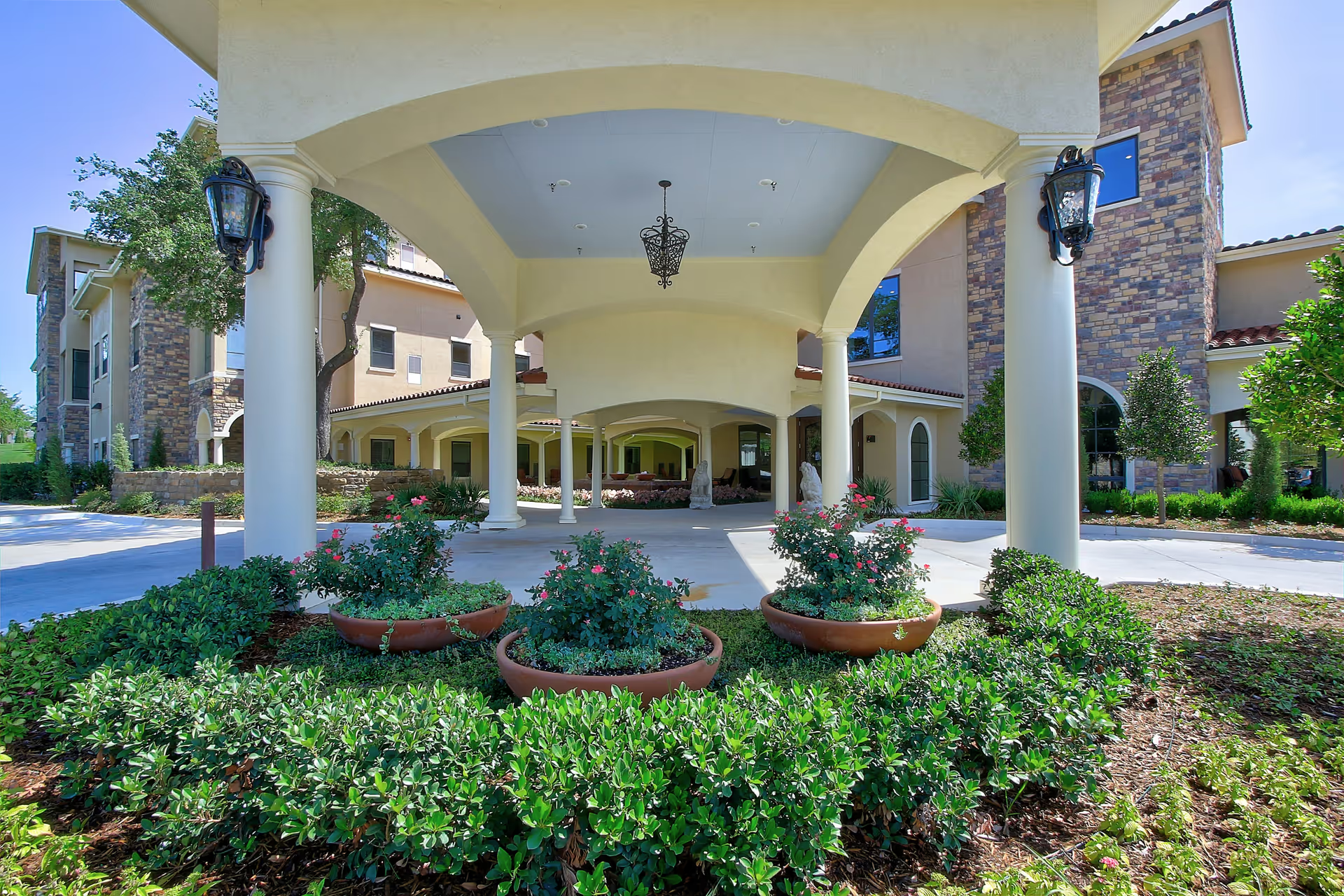
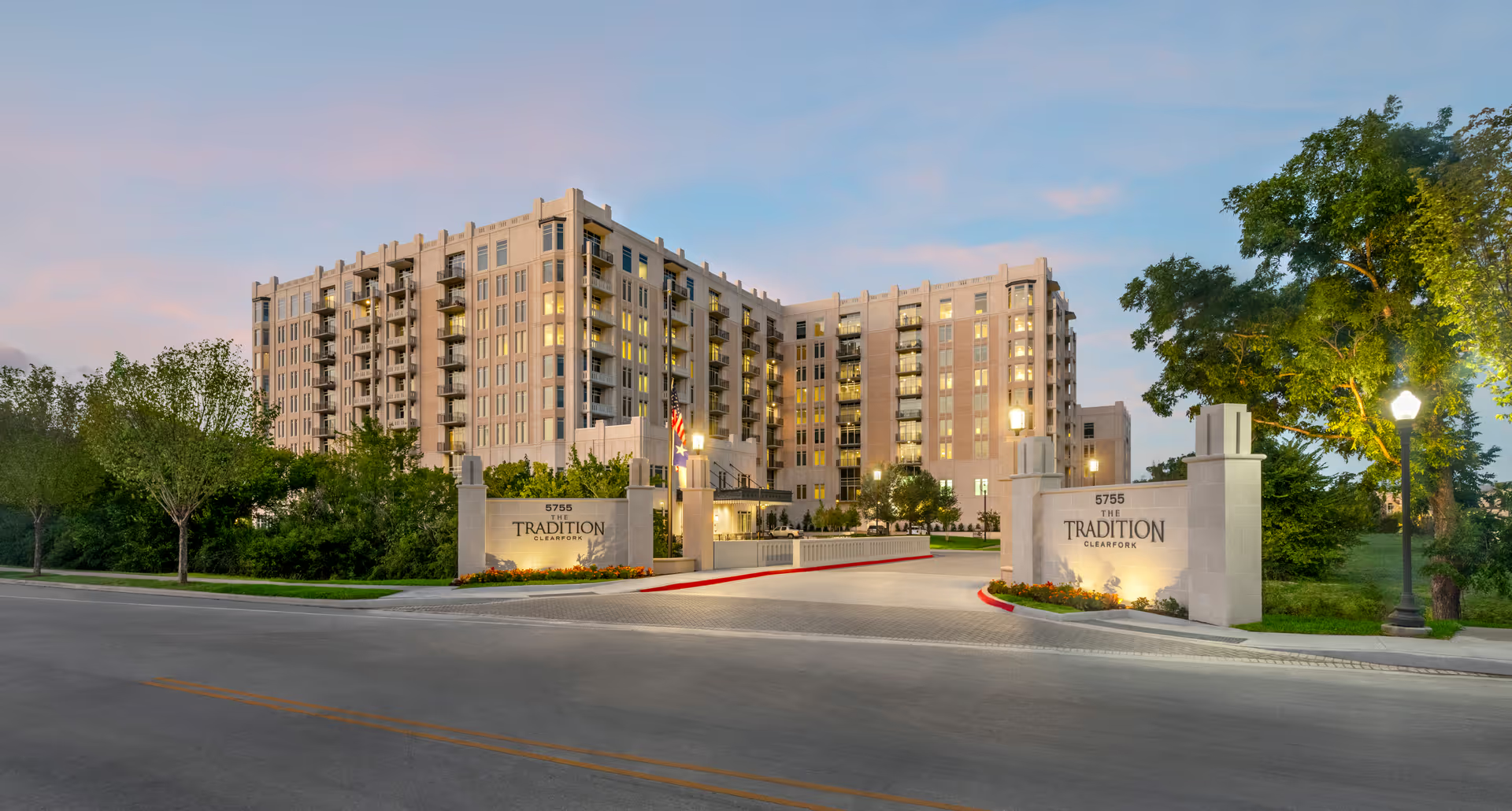
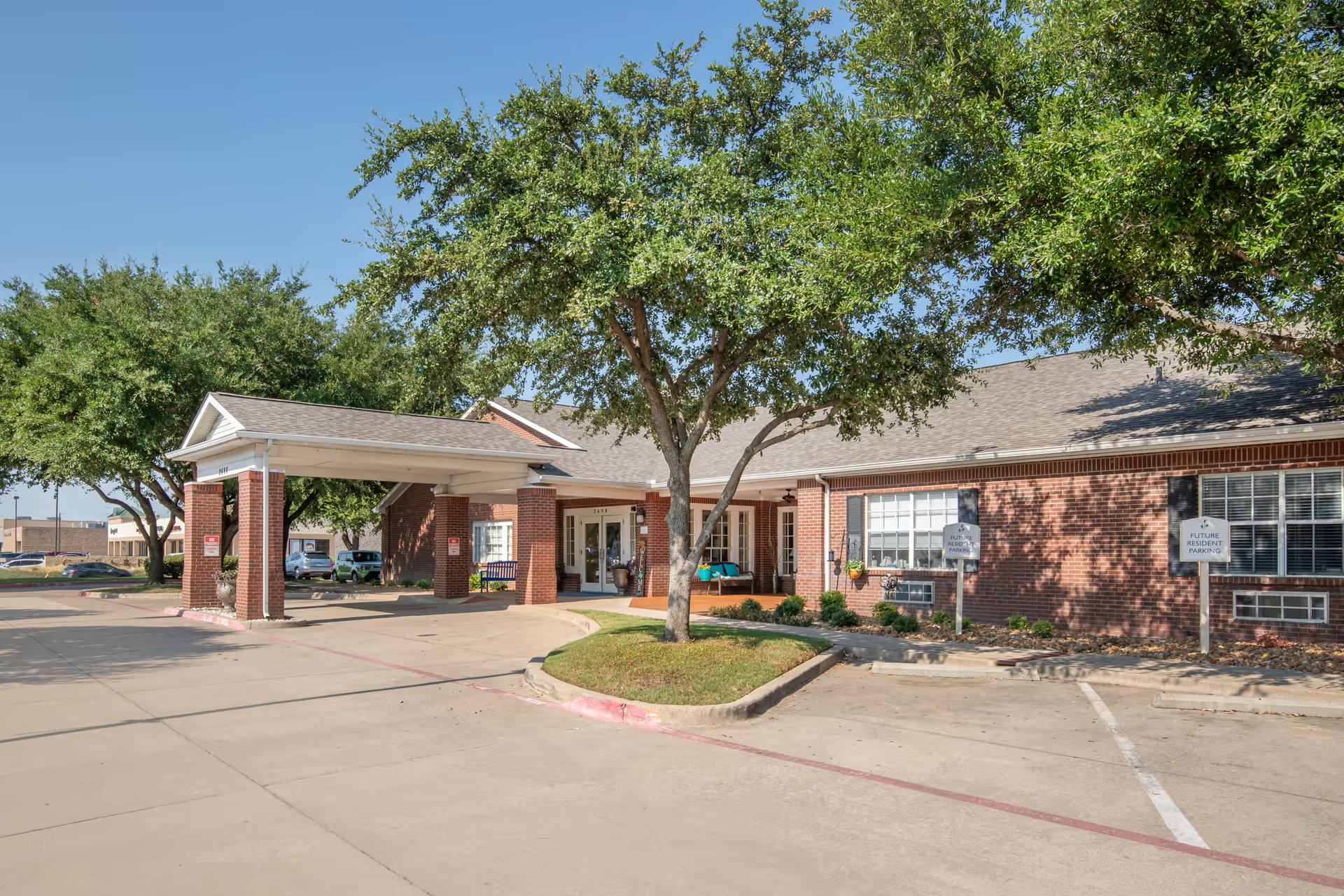
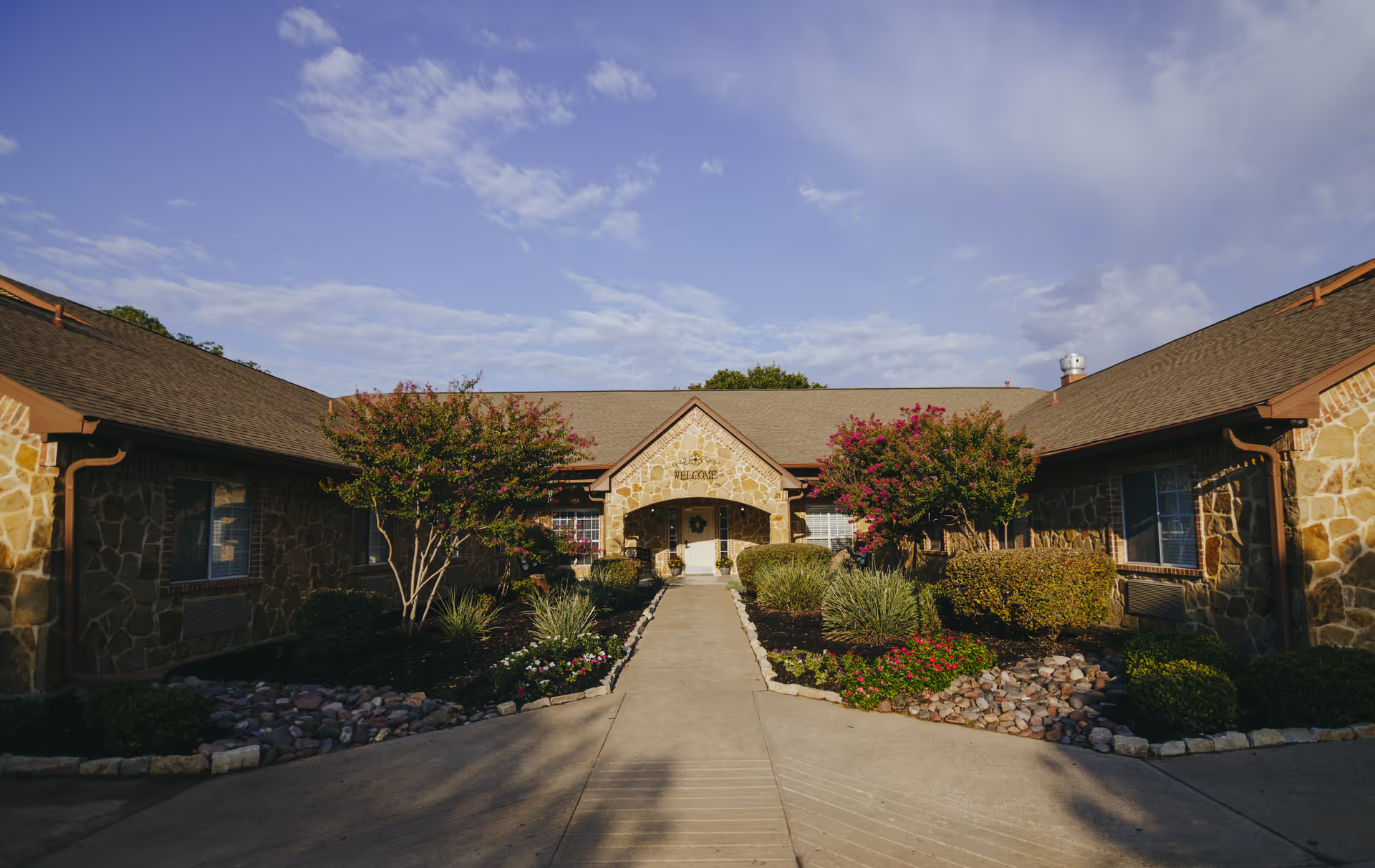
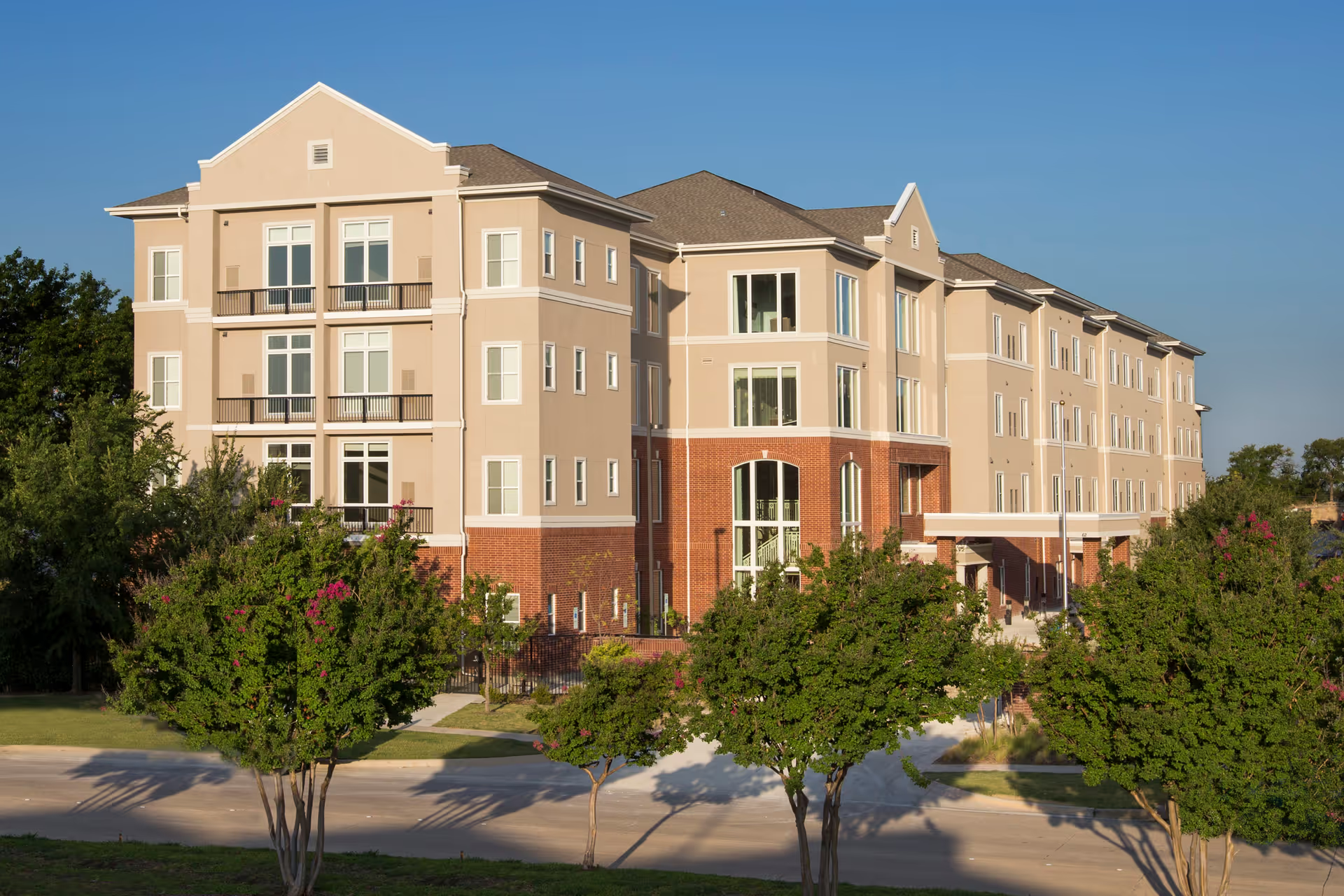
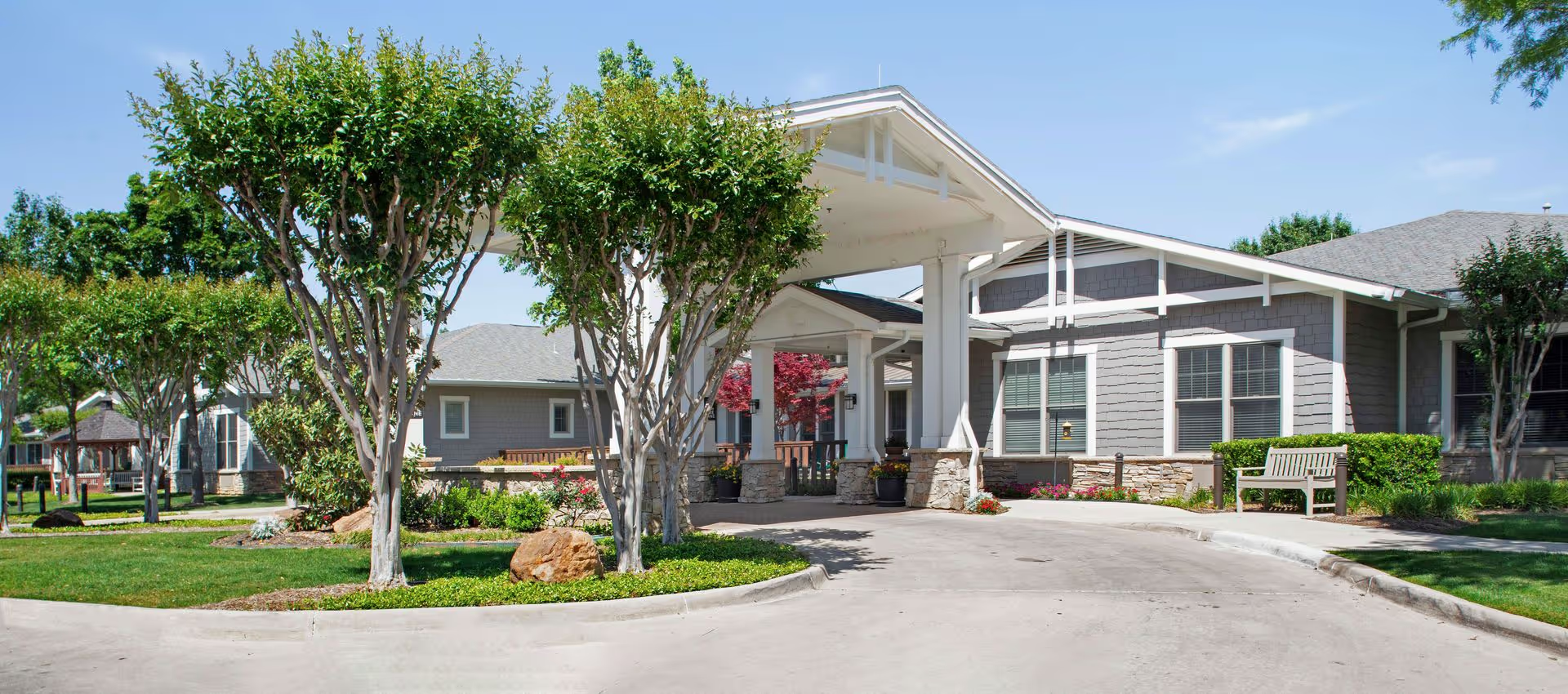
The Westmore Senior Living elicits a strongly mixed but patterned response. Across reviews, frontline caregiving and the physical environment are frequent strengths: staff are often described as compassionate, attentive, and personally engaged; many reviewers cite long‑tenured employees and named leaders as sources of stability. The building and grounds are consistently praised for cleanliness, bright interiors, and attractive landscaping. Apartment layouts, including one‑bedroom units with full kitchens and in‑room showers, are viewed positively, and on‑site amenities (salon, chapel, pool, movie room, exercise programs) support an active resident life.
Clinical and direct-care experiences show variability. Numerous families compliment on‑duty nurses and caring aides, and the presence of clinical support on site is a positive for those needing higher-acuity attention. At the same time, reviewers raise substantive operational concerns: inconsistent medication administration and delays, variable responsiveness to call systems, and limited or inconsistent bathing/hygiene assistance. These issues tend to cluster around staffing deployment and training—frontline employees are often praised, but reviewers also describe uneven monitoring and periods when direct-care coverage or attentiveness falls short of expectations.
Dining and programming are a mixed picture. Many reviewers praise chef-driven menus, generous portions, and a lively dining atmosphere; others report declines in food quality or service timeliness after staffing changes. Activity programming is a clear strength for many residents—there are frequent outings, classes, and social events that contribute to a strong sense of community—though a few comments indicate some activities may not meet the needs or abilities of all residents.
Administrative and facility-management patterns merit careful consideration. Several reviews describe communication gaps between families and administration, unclear or fluctuating monthly charges (including non‑prorated fees), and what reviewers characterize as management instability or turnover. Building maintenance is generally responsive for typical repairs, but there are occasions of delayed or unreliable maintenance (notably elevator outages and limited safety monitoring in stairwells), which can materially affect residents with mobility limitations. Transportation is available but its scheduling and reliability are described as limited in practice.
Overall, the Westmore appears to offer a well‑appointed, activity‑rich environment with many engaged caregivers and strong amenities. The dominant caveat is operational consistency: medication administration, hygiene assistance, housekeeping standards, dining service continuity, billing transparency, and administrative communication show variability and, in some cases, have led families to seek alternatives. Prospective residents and families should weigh the facility’s strengths in environment, community, and frontline staff against these operational considerations and clarify specifics during a tour—particularly on medication protocols, call‑response expectations, bathing assistance, housekeeping schedules, billing practices, transportation availability, and contingency plans for maintenance or leadership transitions.