Avalon Memory Care receives overwhelmingly positive commentary for its caregiving culture and family communication. Numerous families describe staff as compassionate, attentive, and proactive — often going beyond routine duties to provide personalized gestures, timely updates, and hospice coordination. The facility's caregiver-to-resident ratios and long-tenured team members contribute to a strong sense of continuity for many residents. These strengths are commonly reported as producing peace of mind for relatives and stable end-of-life support when needed.
Dining and programming are frequently cited as strengths. The community presents an upscale dining environment with varied, often well-prepared meal options, live mealtime music, and occasions for family dining. There is an active social calendar with fitness classes, memory games, outings, holiday events, and frequent live entertainment, which many families find engaging and appropriate for residents with cognitive impairment. Laundry and routine maintenance responses are also praised in many accounts, and private rooms with individualized decor and bathroom safety features are noted as resident-focused amenities.
At the same time, a number of operational patterns recur across the reviews and merit consideration. Staffing consistency varies by shift: reviewers describe strong daytime staffing and communication but identify weaker evening and night coverage, occasional language or clinical-skill gaps on overnight shifts, and periods of short staffing or stress. Relatedly, some families note variability in how clinical tasks are followed (for example, inconsistent execution of certain therapies or equipment routines). A few reviewers raised serious concerns about medication-handling controls and administrative practices; these allegations (including one reference to forged documentation) are isolated in the set of comments but are significant and should be discussed directly with management during any tour or assessment.
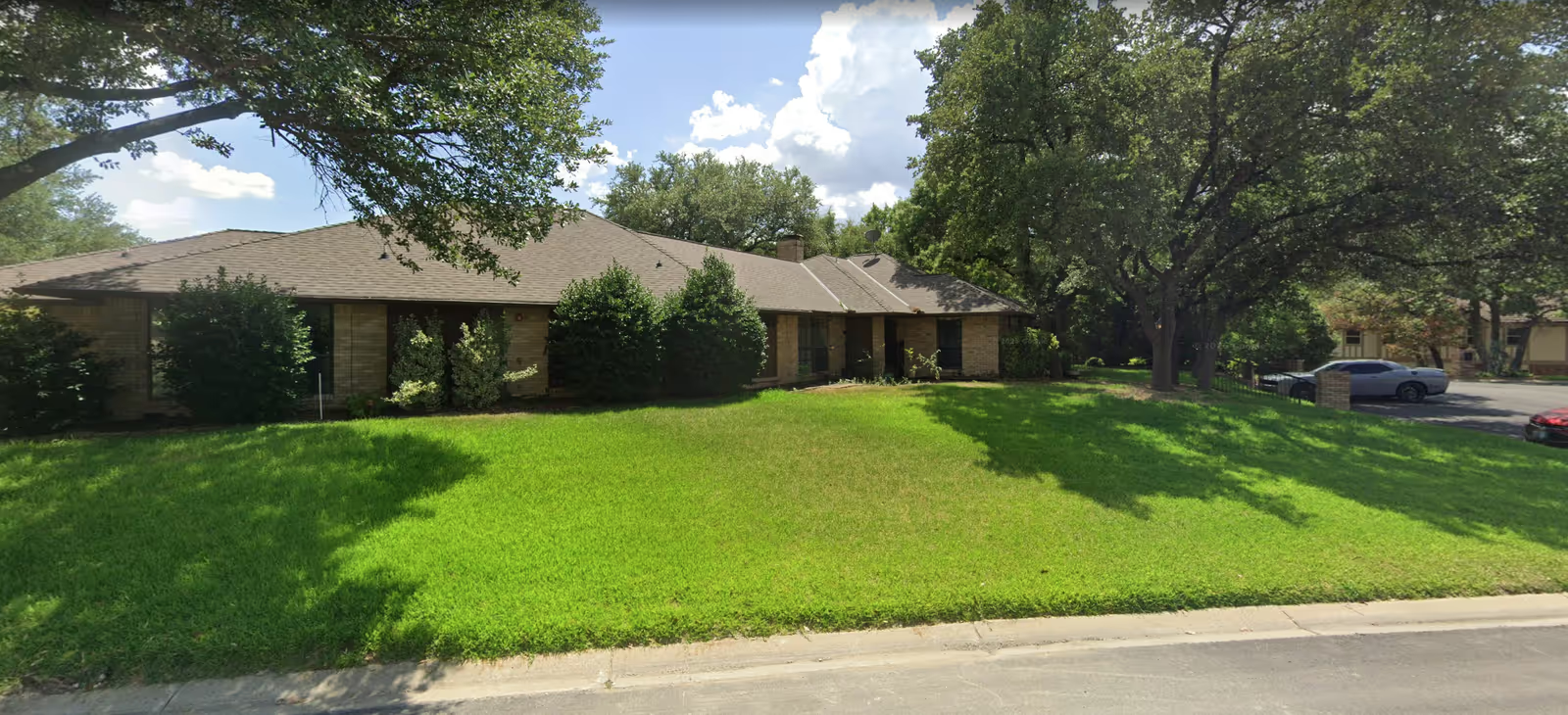
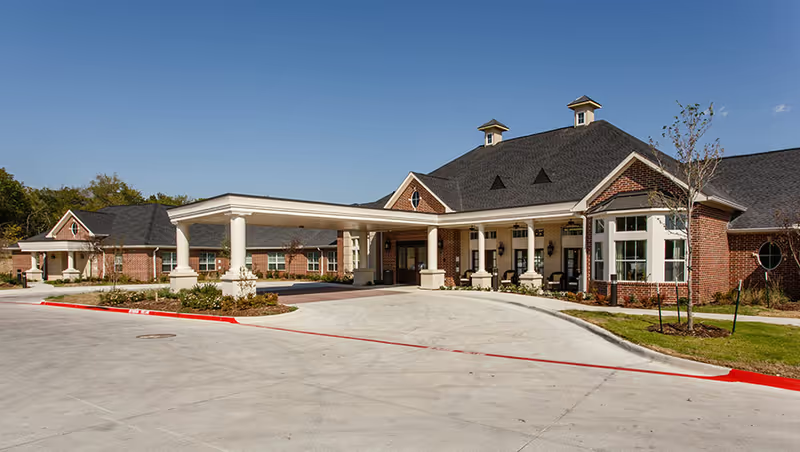
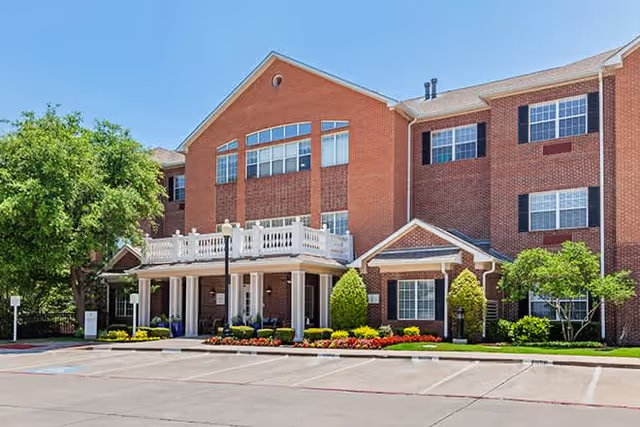
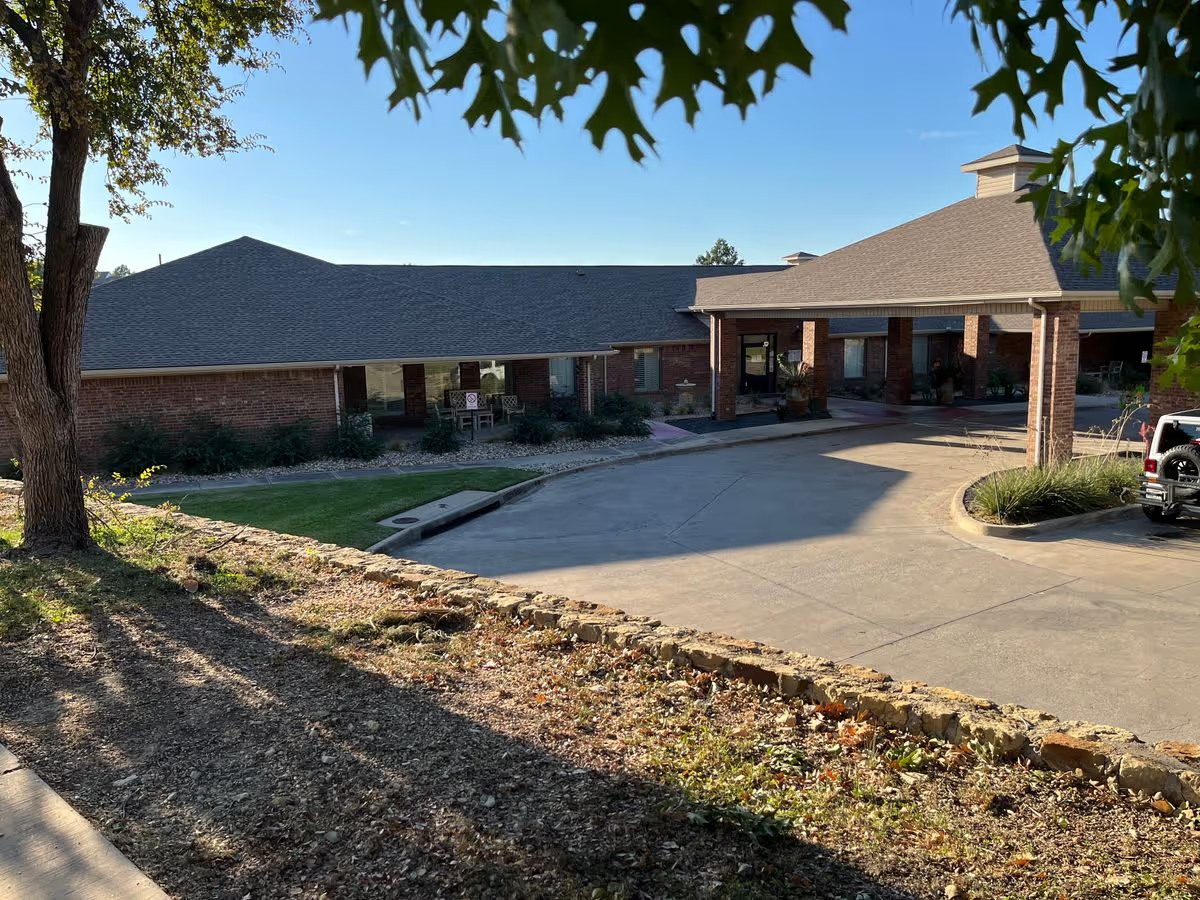
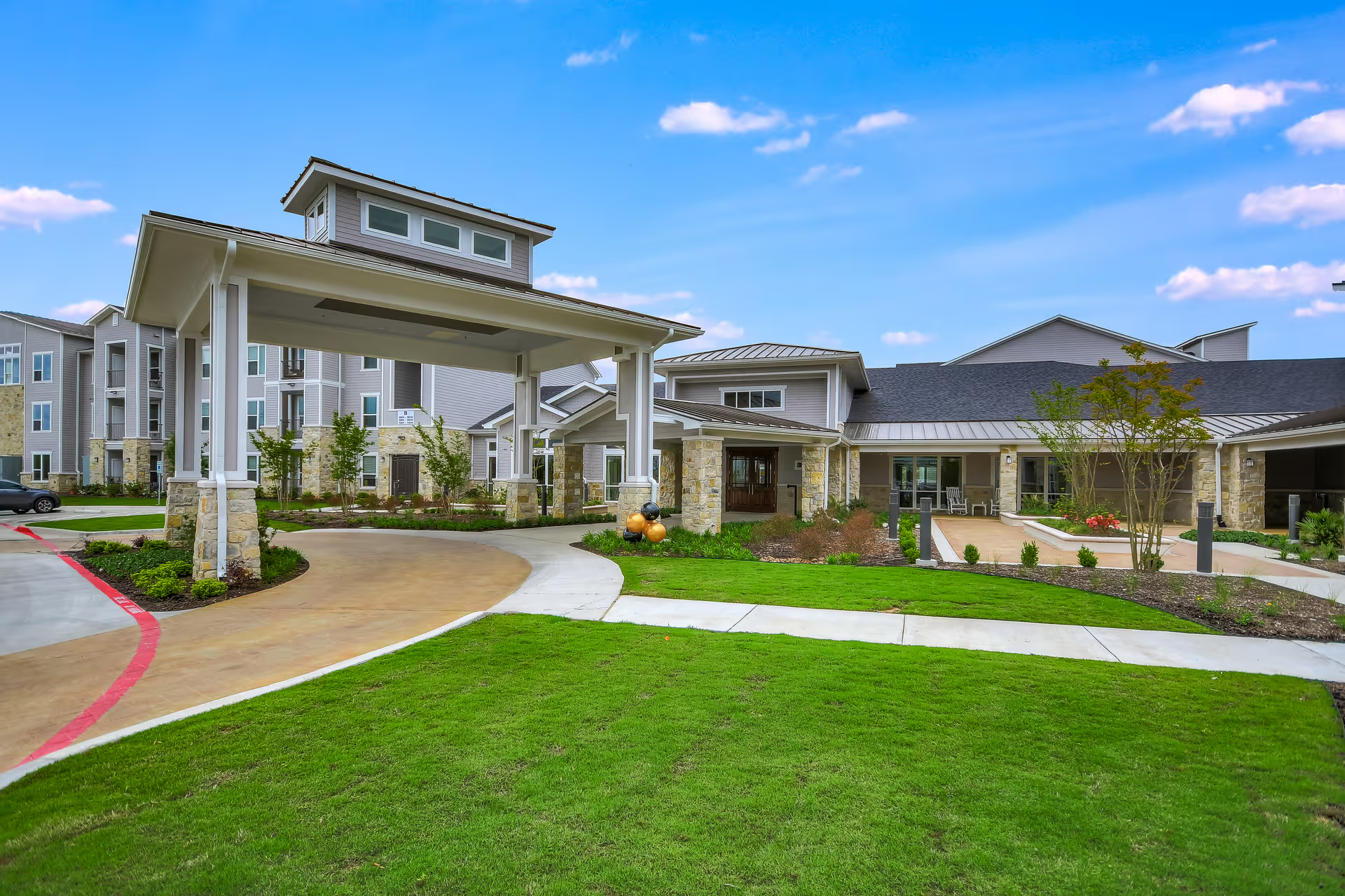
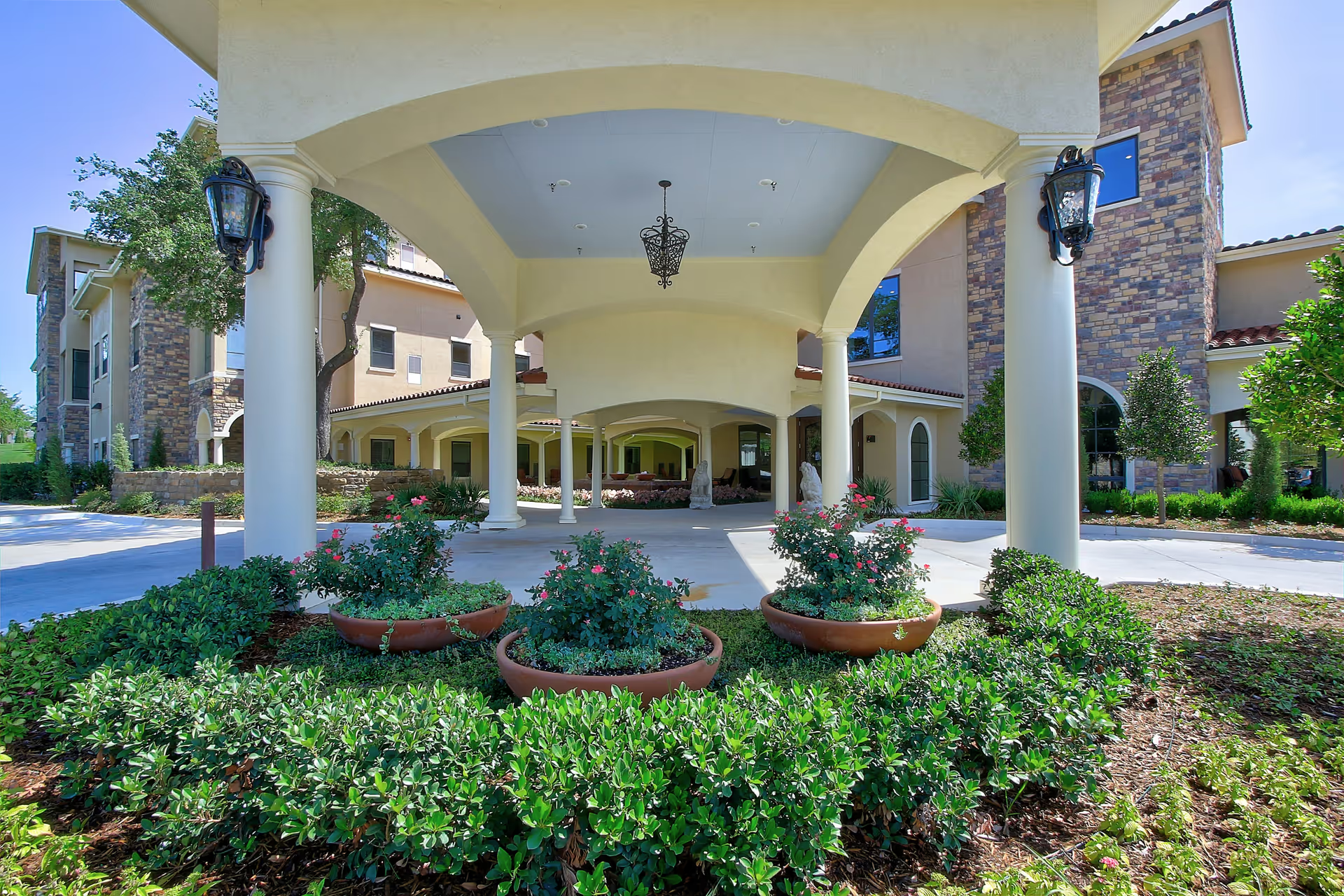
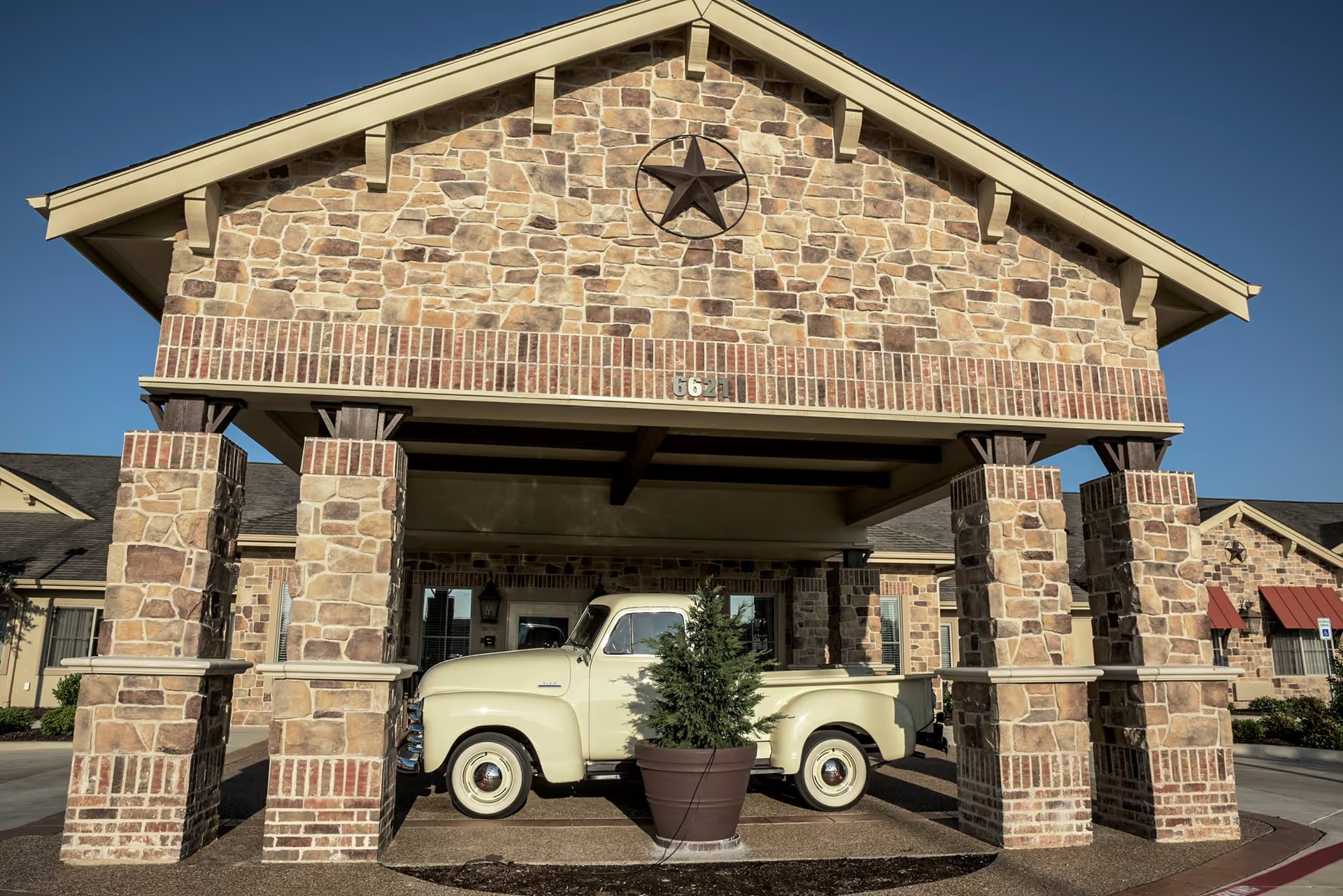
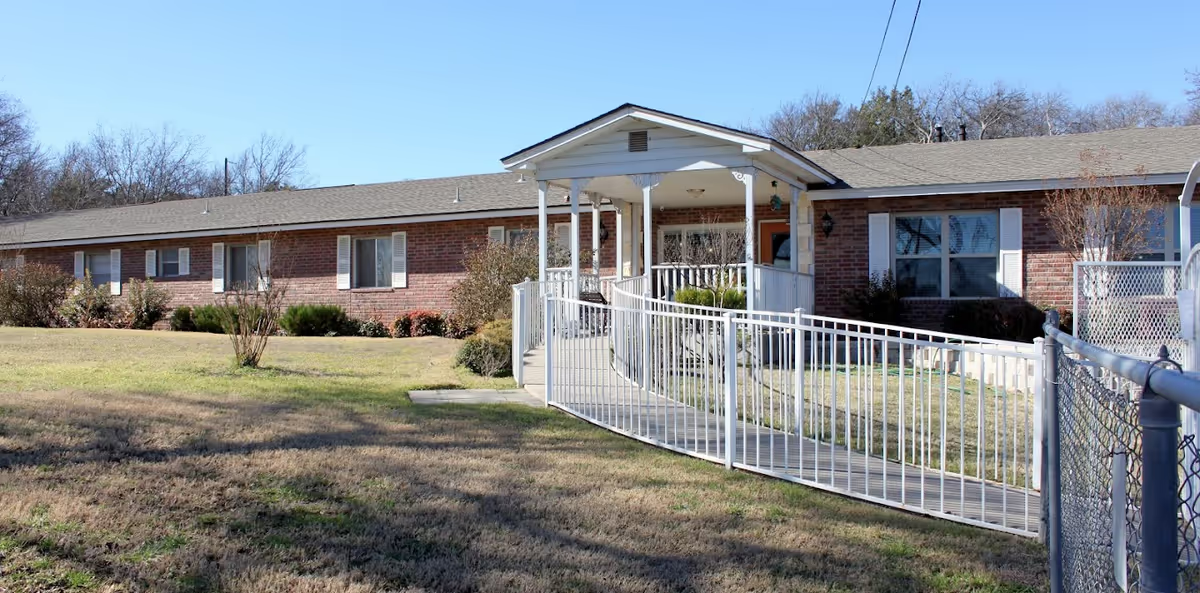
Facilities and upkeep present a mixed picture. The building and grounds are frequently described as attractive, stately, and safe — with appealing gardens and seating areas — but several reviewers point to aging, small resident rooms, dated carpeting or furniture, and a need for additional renovations such as more accessible shower options. There are also intermittent sanitation and odor concerns reported in certain areas and occasional delays in maintenance repairs (for example, HVAC), which underscore the importance of reviewing current renovation schedules and housekeeping protocols.
Management and policy issues appear to be another area of variability. Many families praise responsive leadership that resolves concerns and provides logistical support; others report personnel-management disputes, inconsistencies in visitation or access tied to payer/contract status, and questions about surveillance/privacy policies. Activity programming is robust overall, but some families felt that offerings were not always individualized to every resident's abilities and preferences.
Bottom line: Avalon Memory Care demonstrates clear strengths in compassionate, family-centered dementia care, engaging dining and social programming, and an attractive campus environment. Prospective residents and families should validate current staffing patterns across all shifts, review medication-handling and privacy policies, inspect room conditions and shower accessibility, and ask about ongoing or planned renovations and maintenance response times to ensure the community matches their clinical and lifestyle priorities.