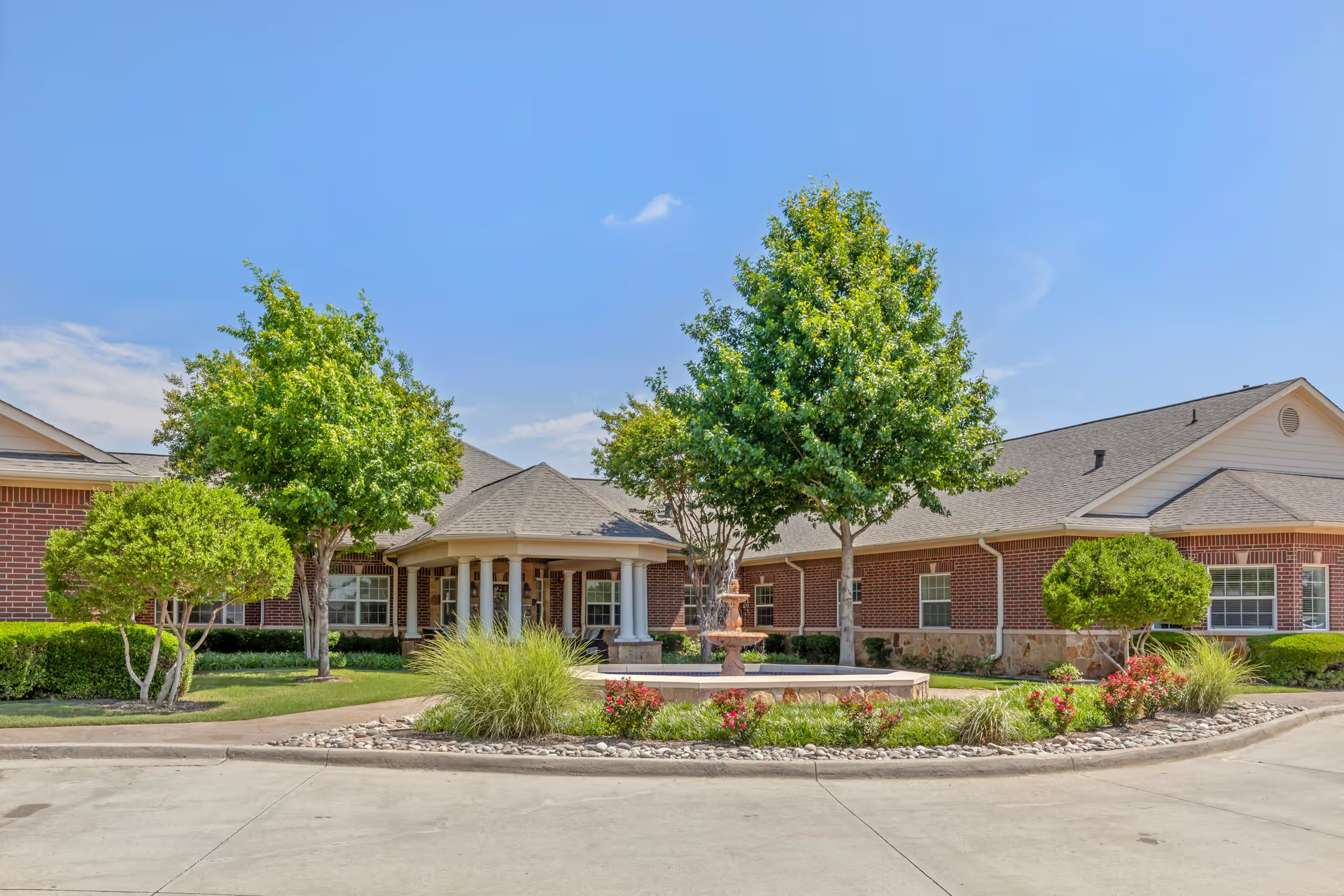
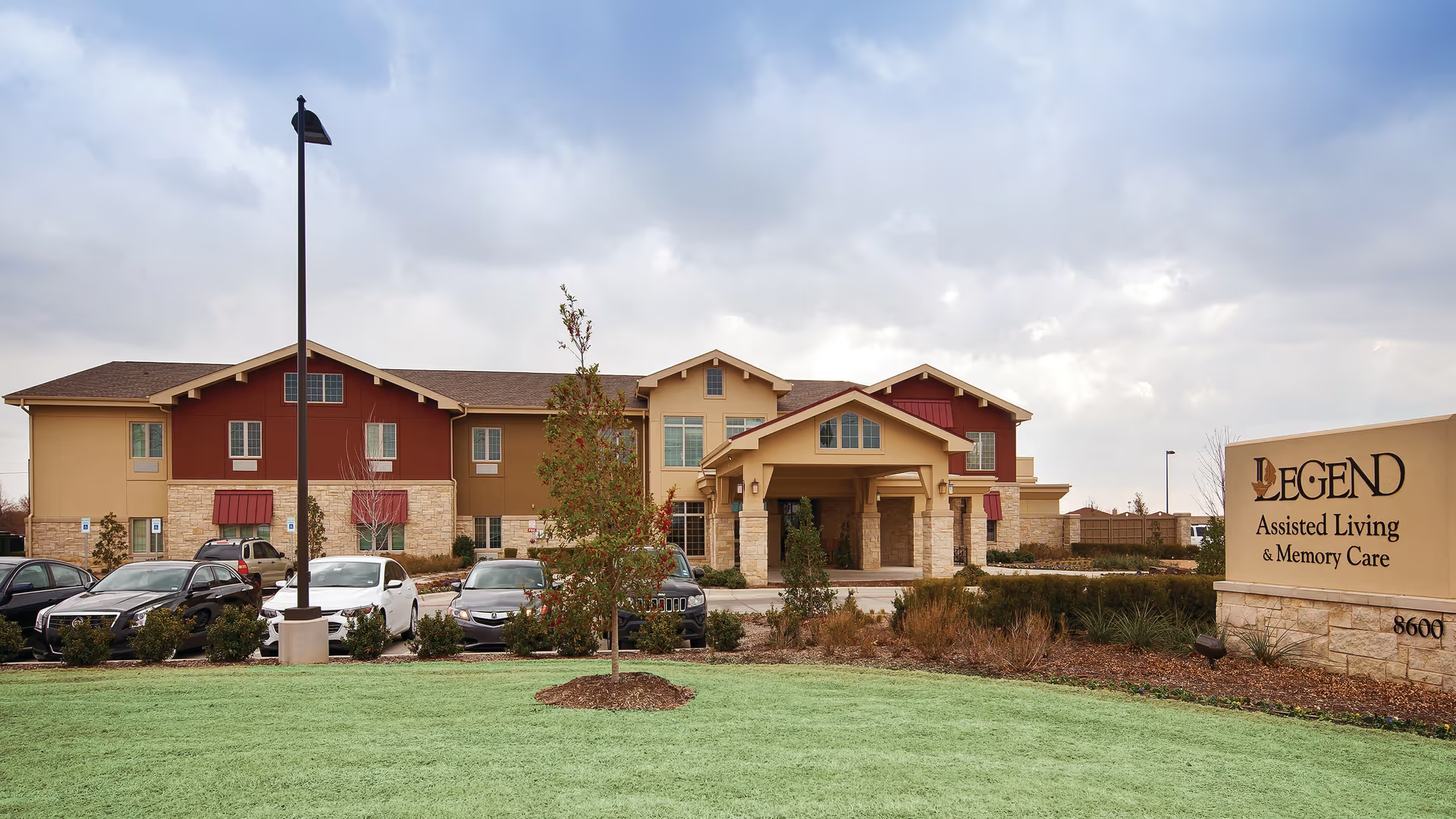
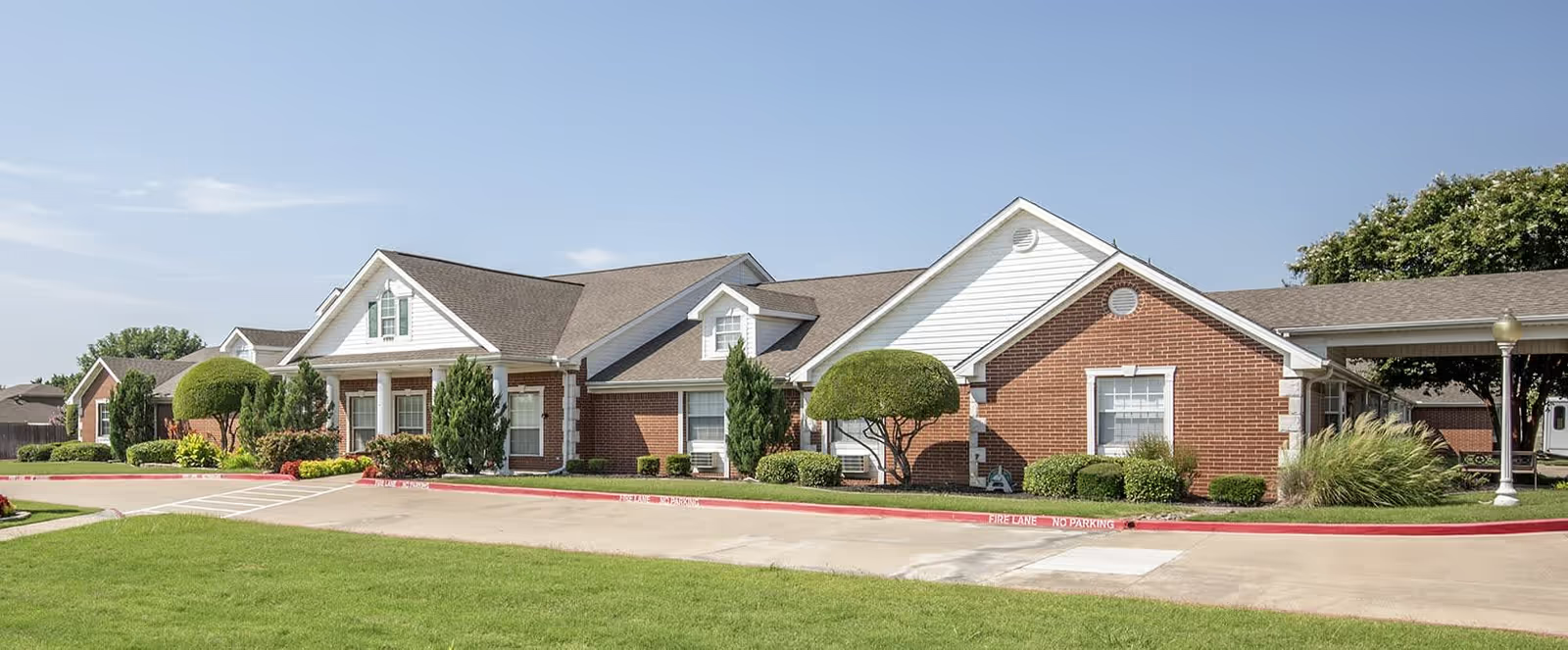
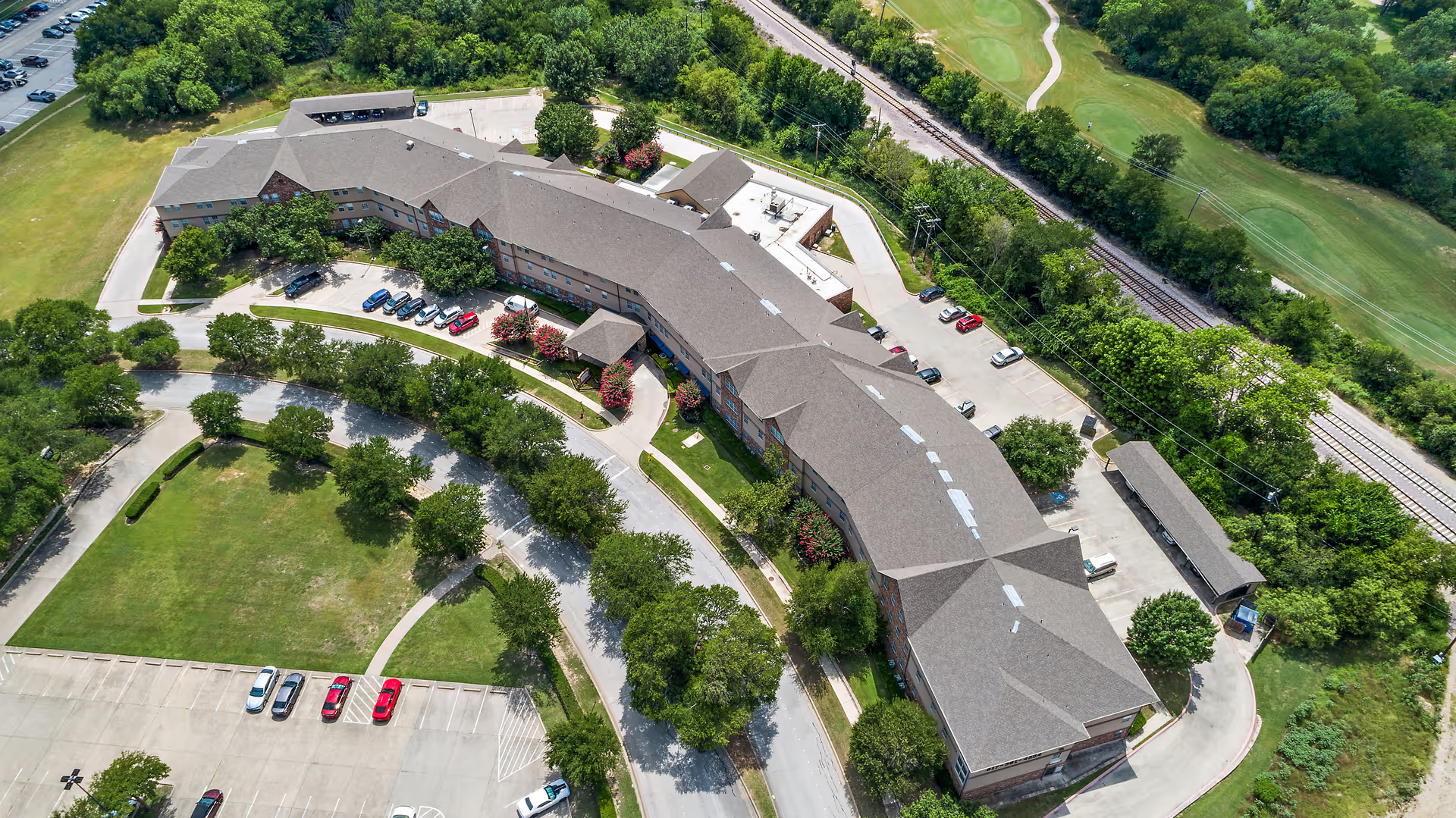
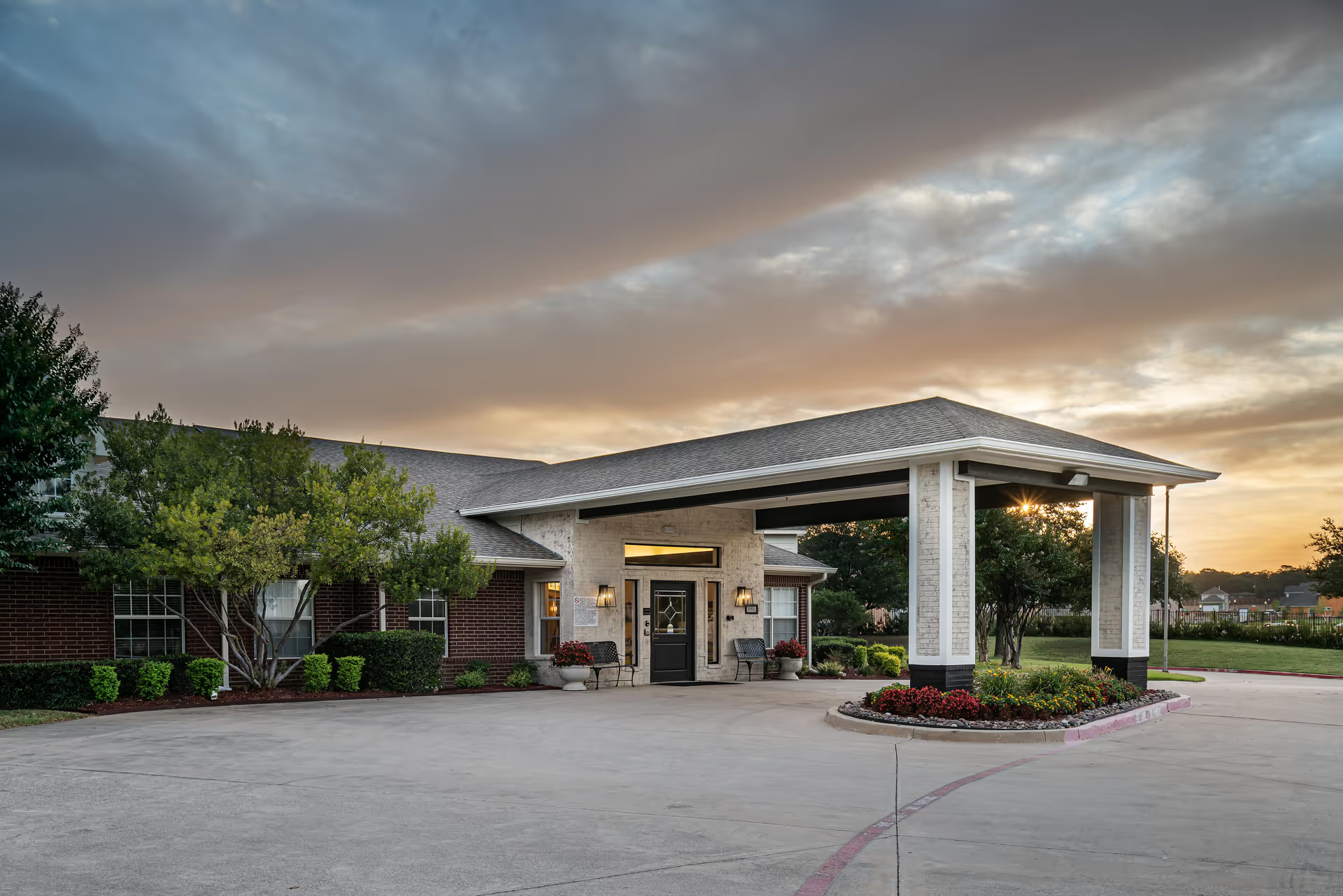
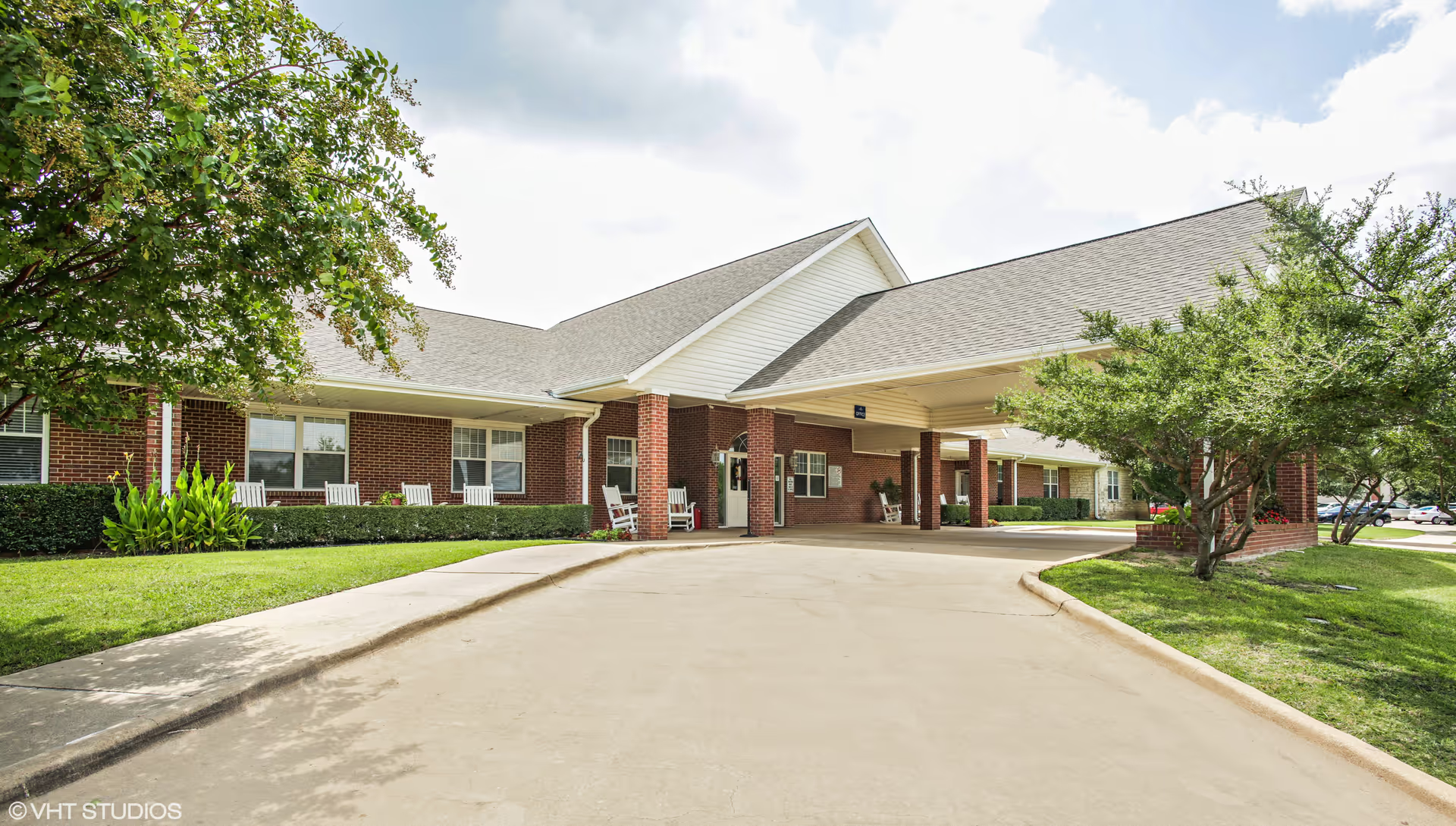
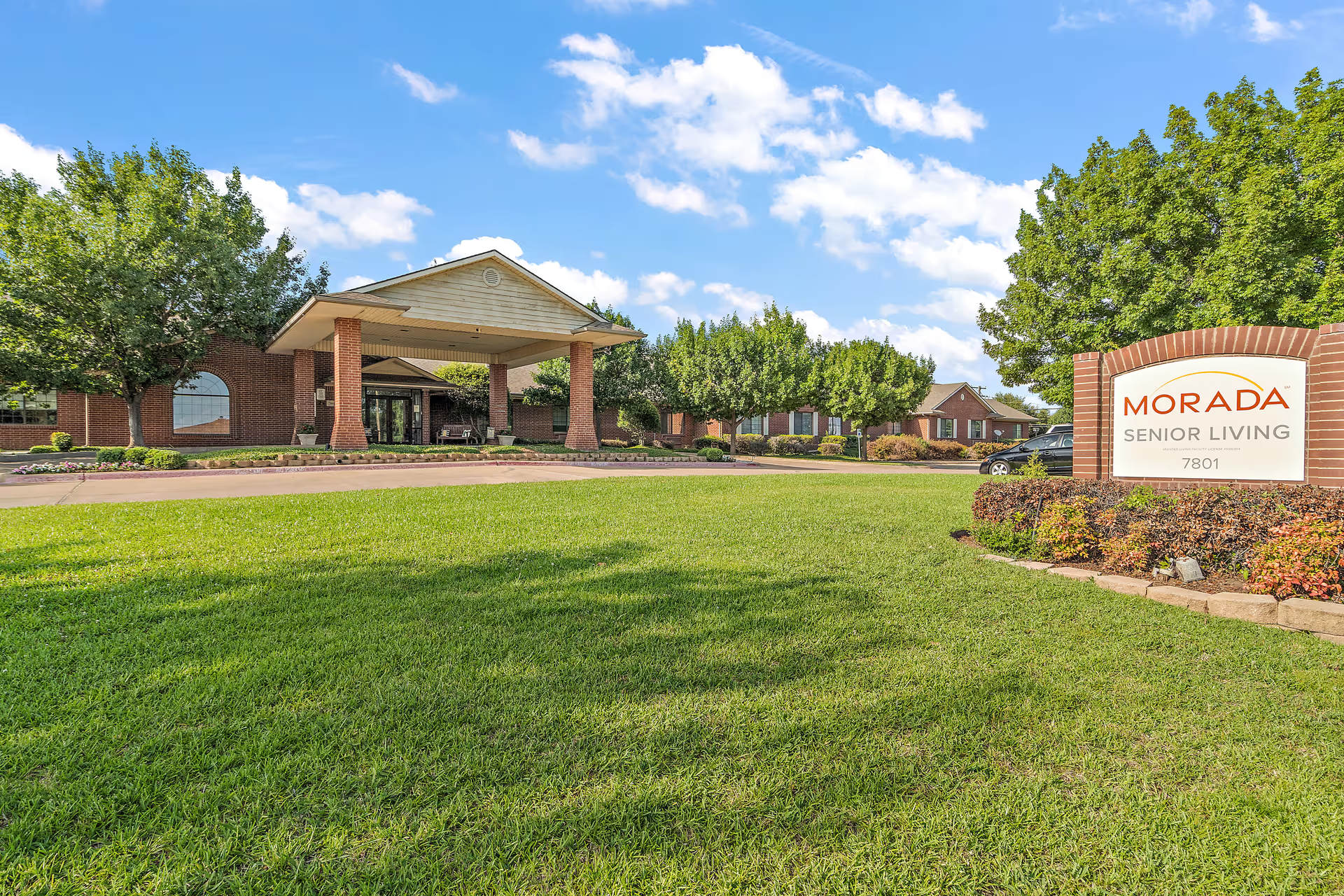
Overall impression: Riverside Oxford Memory Care elicits predominantly positive feedback for its person-centered approach, culinary program, and well‑maintained physical environment. Many families emphasize compassionate, resident-focused caregivers who learn residents’ names and provide one-on-one attention. The community is frequently described as clean, pleasantly scented, and newly updated, with outdoor spaces, a garden patio, and spacious rooms that include walk-in showers and varied floorplan options.
Care quality and clinical supports: Reviewers commonly praise the availability of clinical resources — 24/7 nursing coverage, on-site wound-care capability, and collaboration with outside hospice and home-care providers. These clinical strengths are a consistent positive for families seeking memory-care level services. At the same time, a subset of feedback raises operational concerns about medication administration consistency and documentation, and about service continuity during periods of understaffing. Prospective families should ask about current staffing ratios, medication‑management protocols, and how clinical coverage is handled during staffing fluctuations.
Staff and management: Staff are often described as warm, dedicated, and long‑tenured, with multiple mentions of hands-on local directors and activity leadership. Specific staff and leaders receive high praise for responsiveness and family engagement. Conversely, there are recurring comments about uneven staff professionalism and variability in communication tone. Some families noted leadership turnover, difficulty reaching administrators by phone, and delays or opacity around billing and refunds. These items suggest variability in administrative follow‑through that families should clarify during a tour and contract review.
Dining and nutrition: The on-site culinary program is one of the community’s strongest features; the chef and kitchen staff receive frequent commendations for appealing, well-prepared meals and creative events (for example, cooking classes). Flexible dining arrangements and extra snack provisions are highlighted. However, some families report inconsistencies such as meals served at suboptimal temperatures and gaps in diabetic meal planning or special-diet execution. Confirming menu samples, diabetic‑specific options, and meal‑service timing may be useful for residents with strict dietary needs.
Activities and social life: Activity programming is described as varied and engaging, with an energetic activities director, games, crafts (shadow boxes), movies, holiday events, and outdoor activities. The courtyard and gardening areas support outdoor engagement. A recurring caveat is that activity offerings can be uneven for residents with more advanced dementia; families should request a current activity calendar and examples of individualized engagement strategies for higher‑need residents.
Facilities and operations: The physical environment is generally viewed positively — clean common spaces, coordinated décor, and regular maintenance. Move-in processes and furniture/bedding support are mentioned as helpful. Operationally, families noted occasional issues with laundry/personal item management and intermittent sanitation or odor concerns in specific areas; these appear to be localized or episodic rather than facilitywide in most accounts.
Patterns and recommendation: The dominant pattern is a community with strong caregiving culture, excellent dining, robust activities, and a well-kept campus, balanced against operational variability in staffing, communication, medication consistency, and some administrative processes. Prospective families should schedule an in-person tour, request current staffing ratios and clinical protocols, review medication and laundry procedures, examine recent activity calendars, and clarify billing/refund terms. Doing so will help determine whether Riverside Oxford’s strengths align with a particular resident’s clinical needs and family expectations.