Whitley Place provides assisted living and memory care in a smaller community setting. Many residents and families describe compassionate, attentive staff who help residents adjust, support their dignity, and make families feel welcome. Long-term residents are often described as comfortable and well cared for, and families value staff members who know residents personally. Some accounts also praise prompt call-button responses, help with daily needs, and coordination with hospice. Experiences are not uniform, however: concerns include staffing turnover, delays in responsiveness, and whether the community can meet needs as residents require more complex or intensive care. One family raised end-of-life care concerns involving pressure-injury prevention, repositioning, pain management, and dietary suitability. This is a serious account that contrasts with many positive descriptions; families considering the community may wish to discuss clinical capabilities, escalation procedures, and changing care needs in detail.
Staff friendliness and approachability are among the most consistent strengths. Families frequently describe a warm, family-like atmosphere and appreciate updates, photos, and help with transitions. At the same time, some accounts describe management or staffing changes, communication lapses, and difficulty maintaining consistent care. One former employee’s family described disputes about management treatment and staff morale; this account is not independently corroborated in the reviews. One family also reported a substantial care-plan price change shortly before a planned move, so it would be prudent to confirm the assessment, fees, and written terms before making arrangements. Reviews also indicate that costs can be a barrier and that public-payer options may be limited.
Activities are often a notable strength, particularly in memory care, where reviewers describe exercise, games, music, religious programming, and events intended to encourage participation. Residents are sometimes paired with peers or helped to join activities, and families appreciate opportunities to visit and share meals. However, some visitors found the community unusually quiet, and one family felt that established social groups could make it harder for a new resident to join in. Activity levels and social fit may therefore vary by time, resident interests, and individual support.
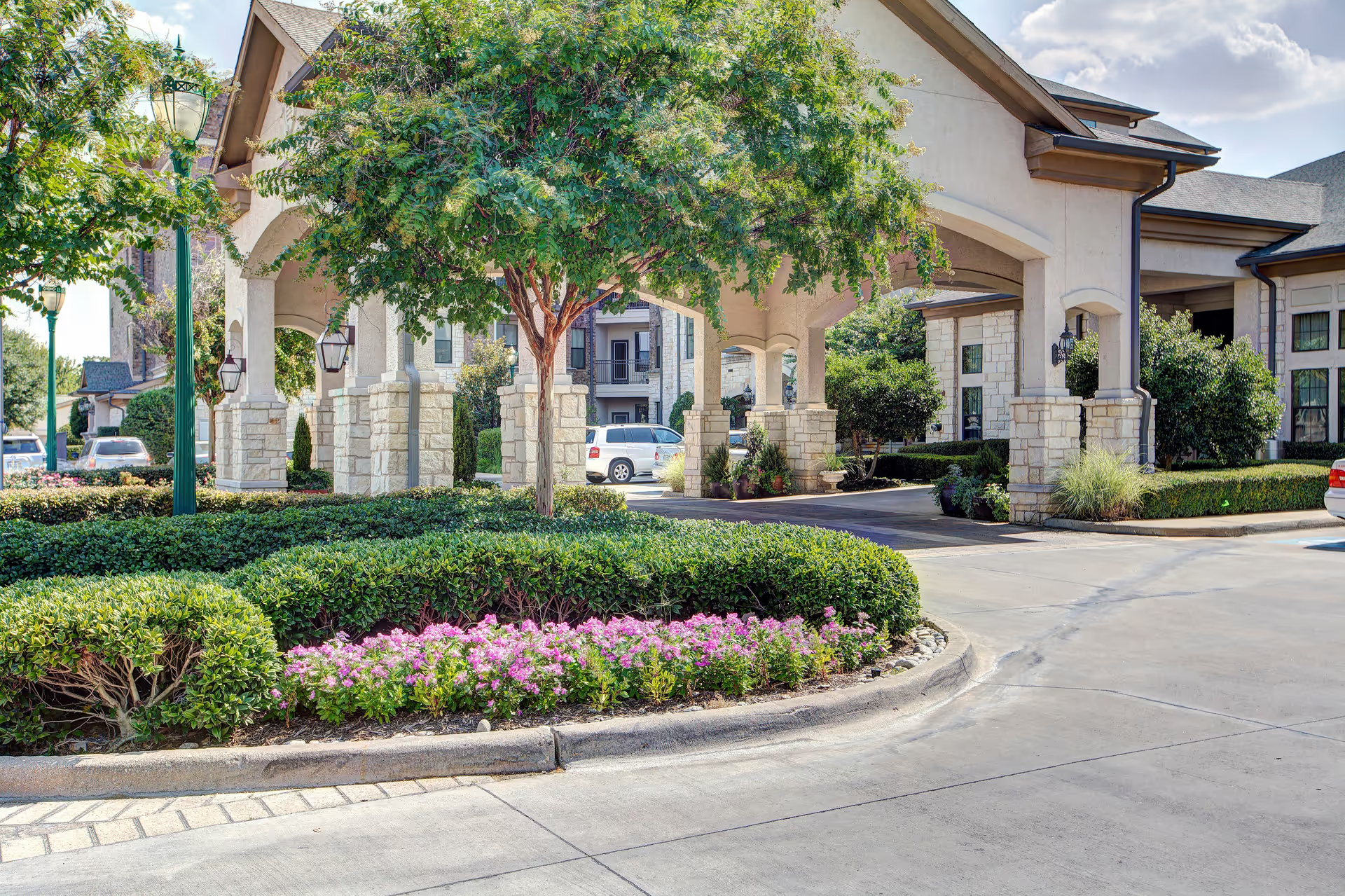
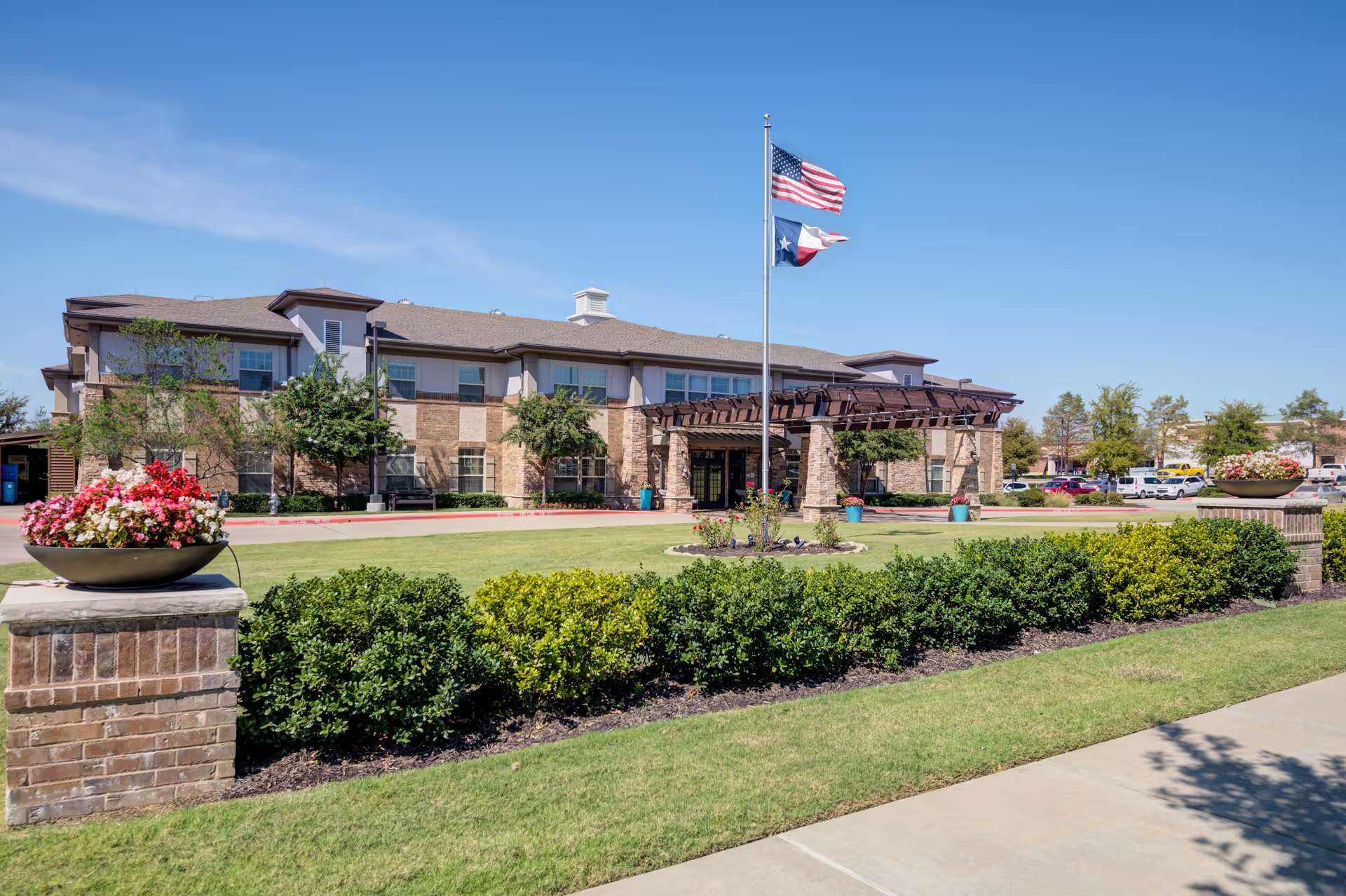
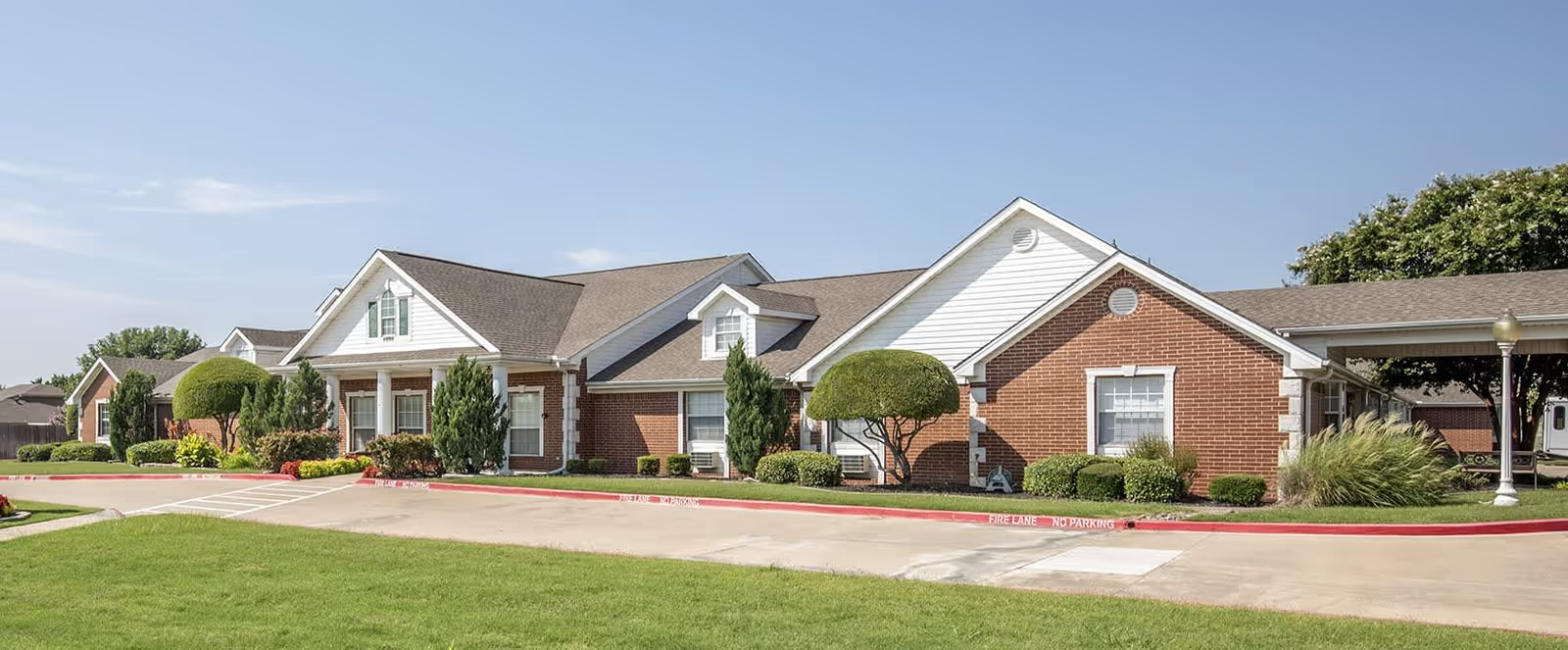
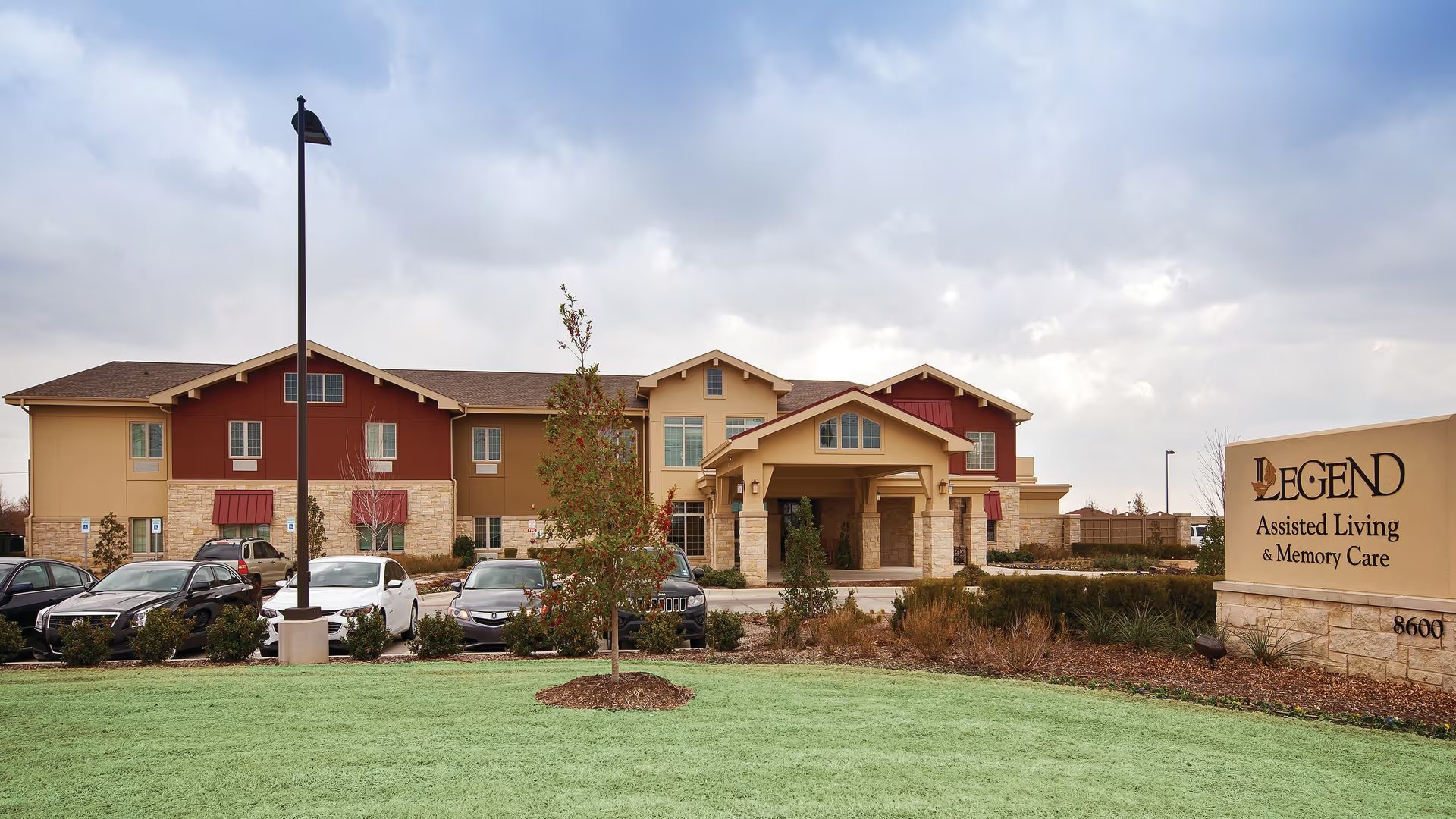
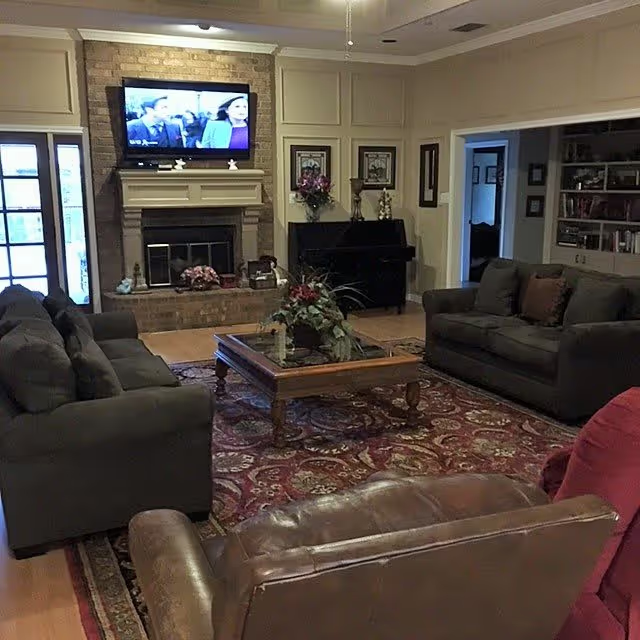
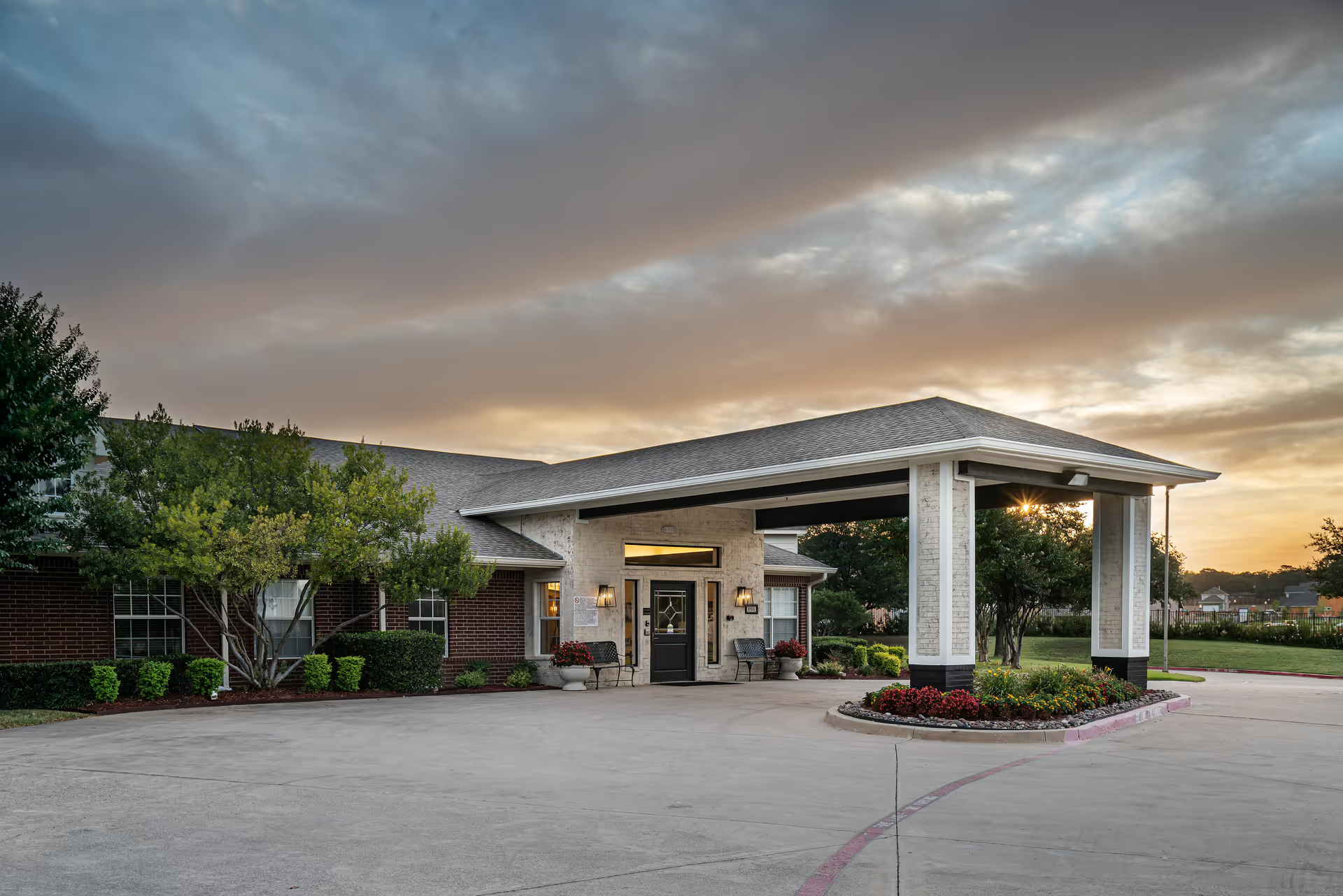
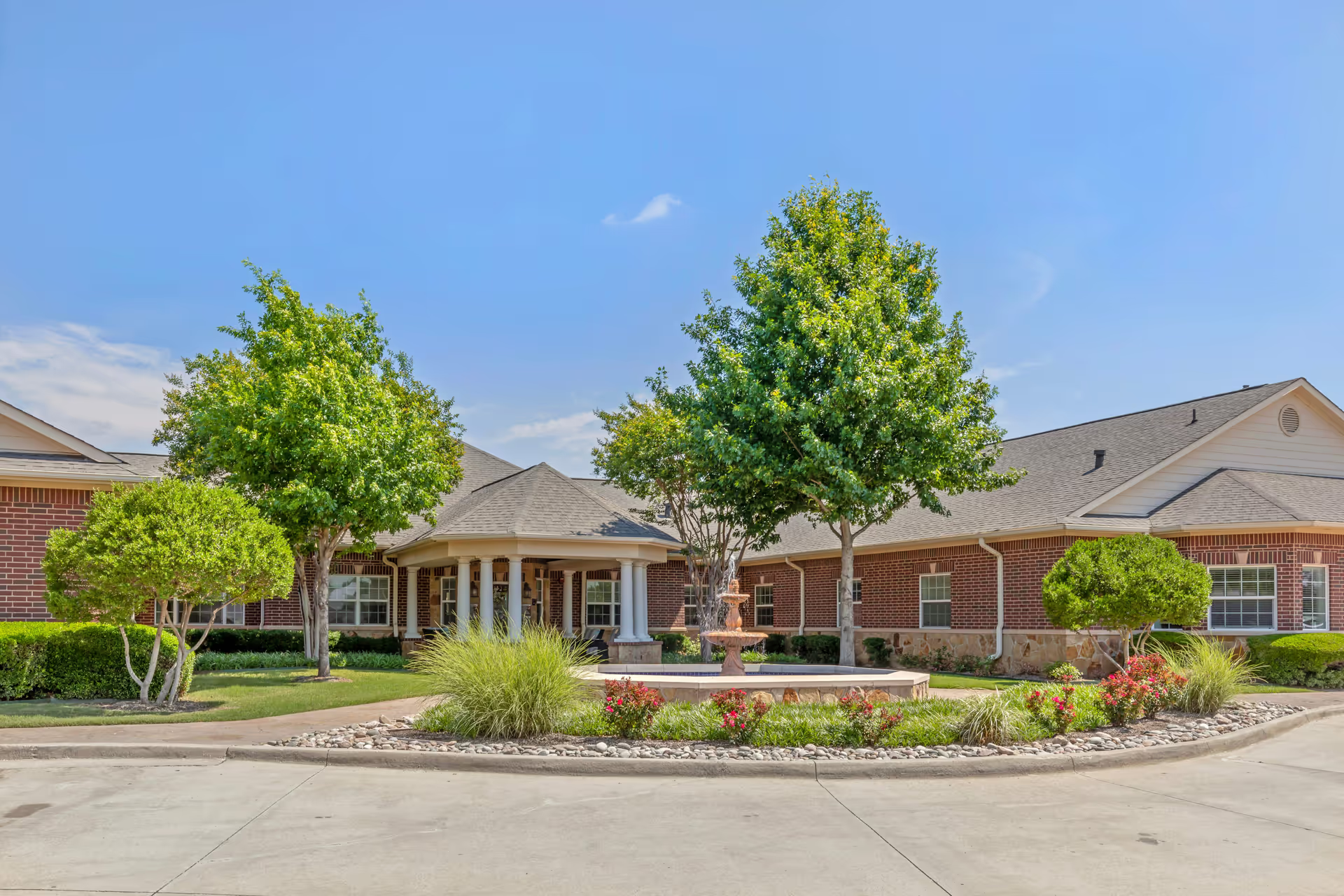
Dining feedback is mixed. Some residents and families praise the food, menu choices, and ample portions, while others describe meals as bland, repetitive, cold, or inconsistent with the posted menu. The building is frequently described as clean and orderly, with spacious rooms and apartment-style options; several reviewers note that it is an older property that has been renovated. Other accounts raise concerns about housekeeping consistency, room readiness, odors, or the appearance of the grounds. Overall, reviews point to meaningful strengths in staff relationships and resident engagement alongside practical areas to examine closely: staffing continuity, clinical scope, meal quality, upkeep, costs, and the fit of the activity and social environment for the prospective resident.