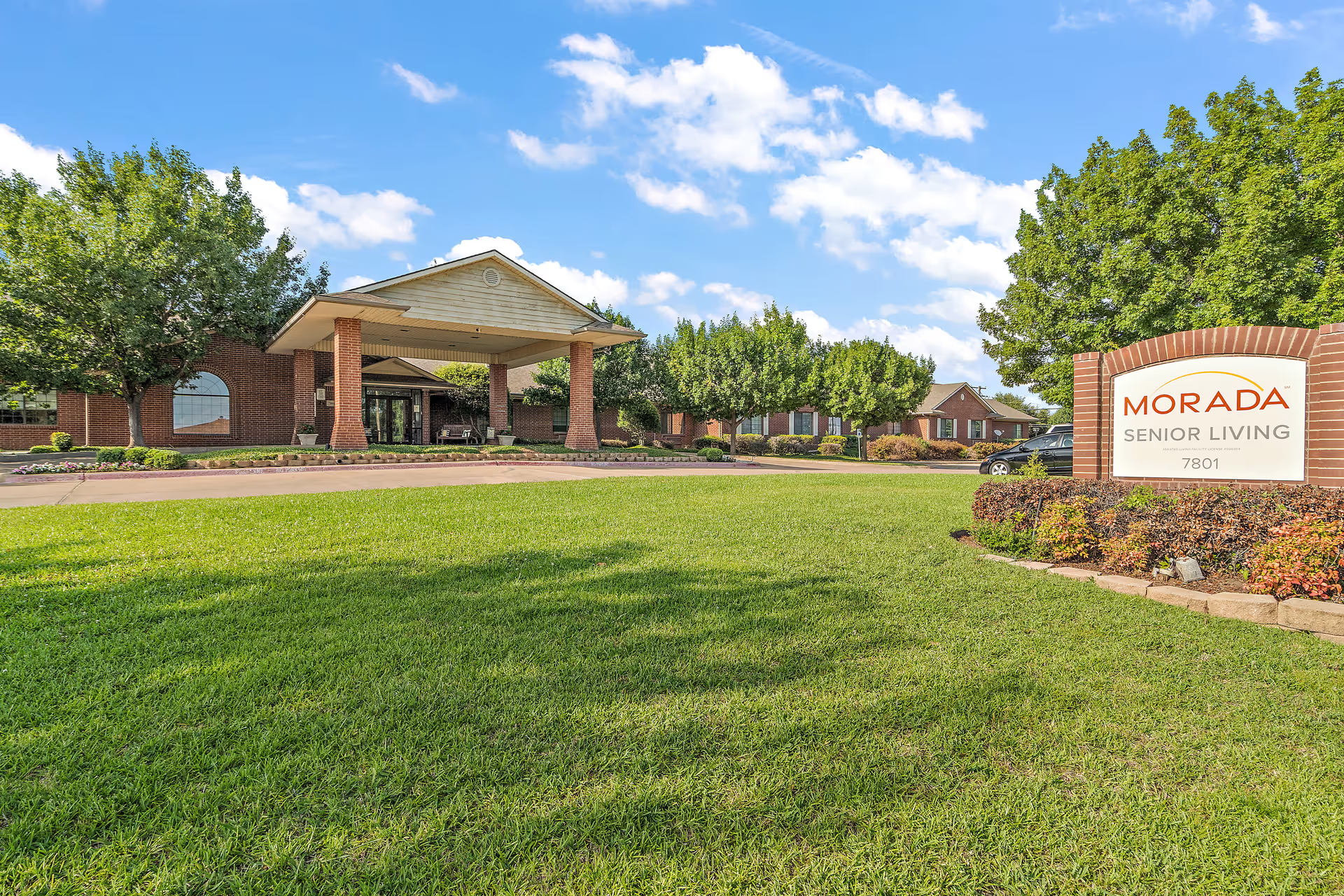
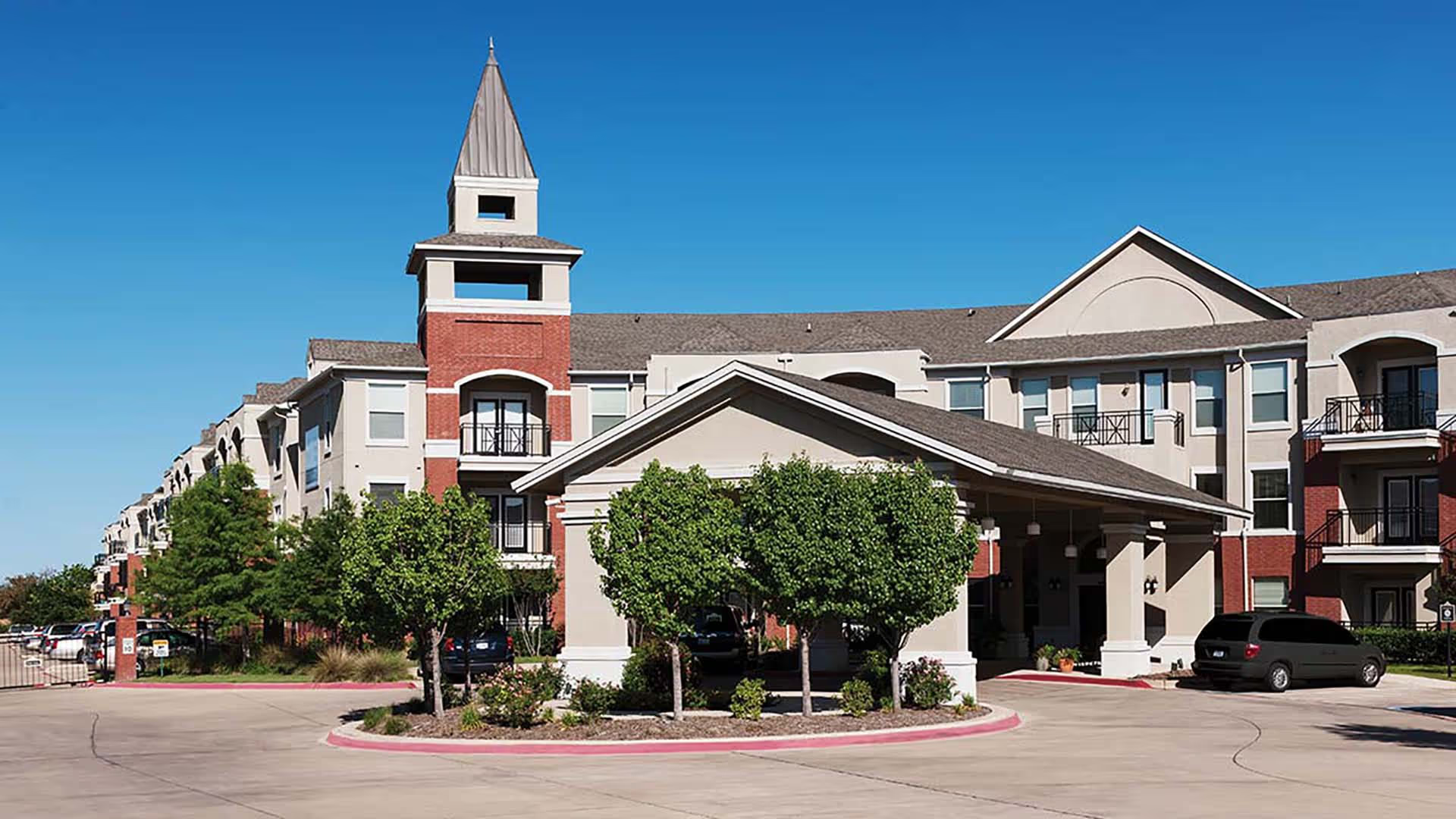
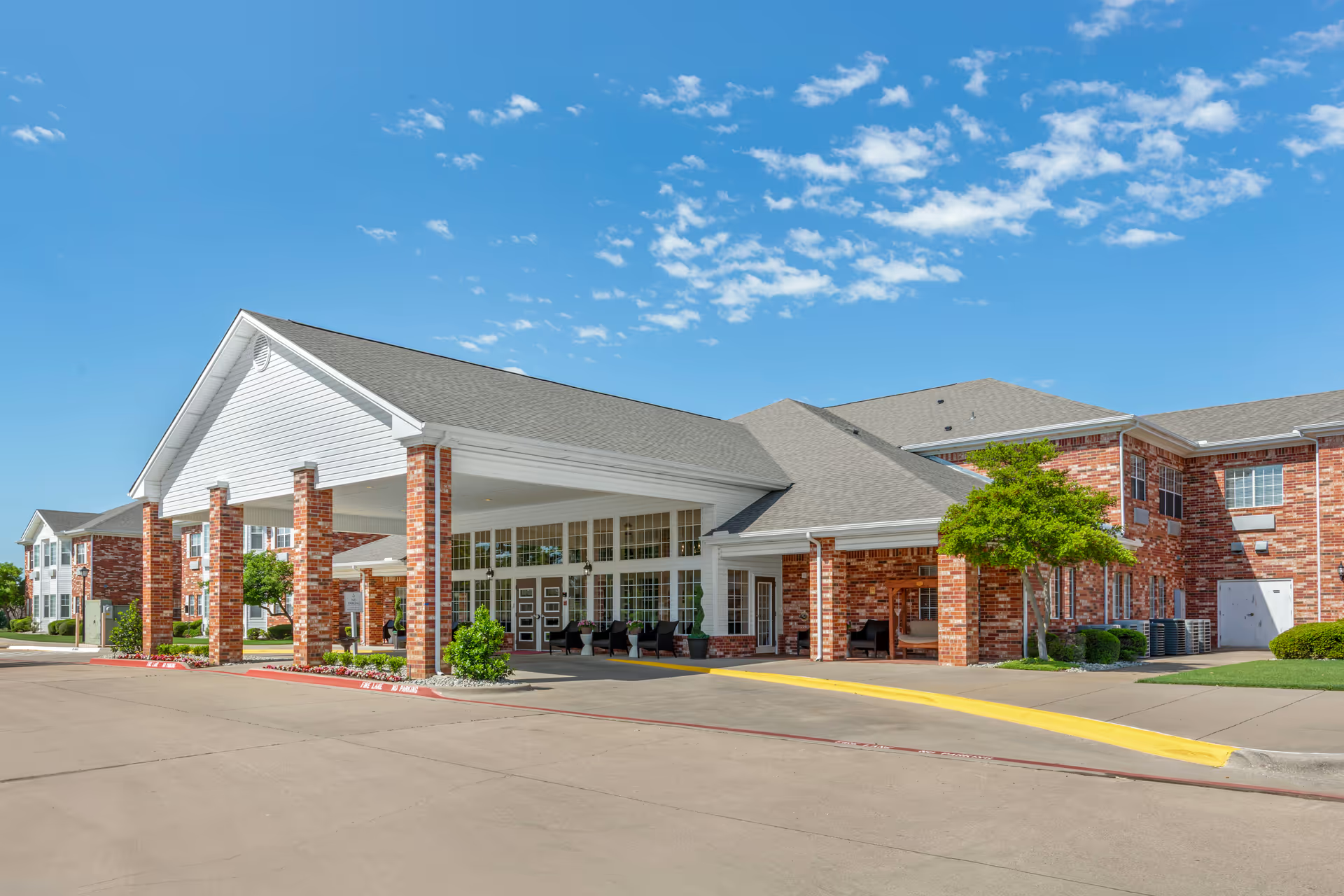
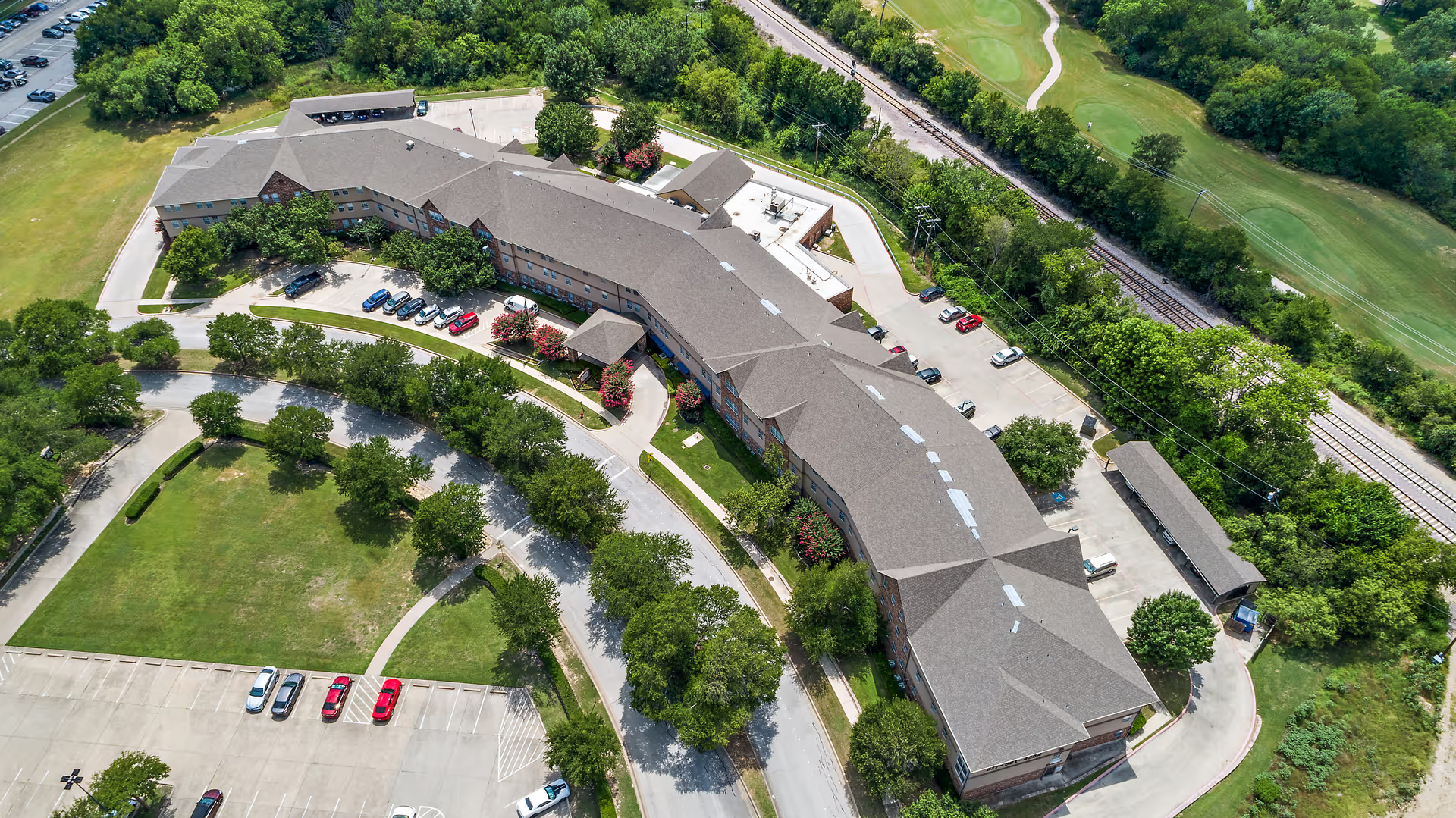
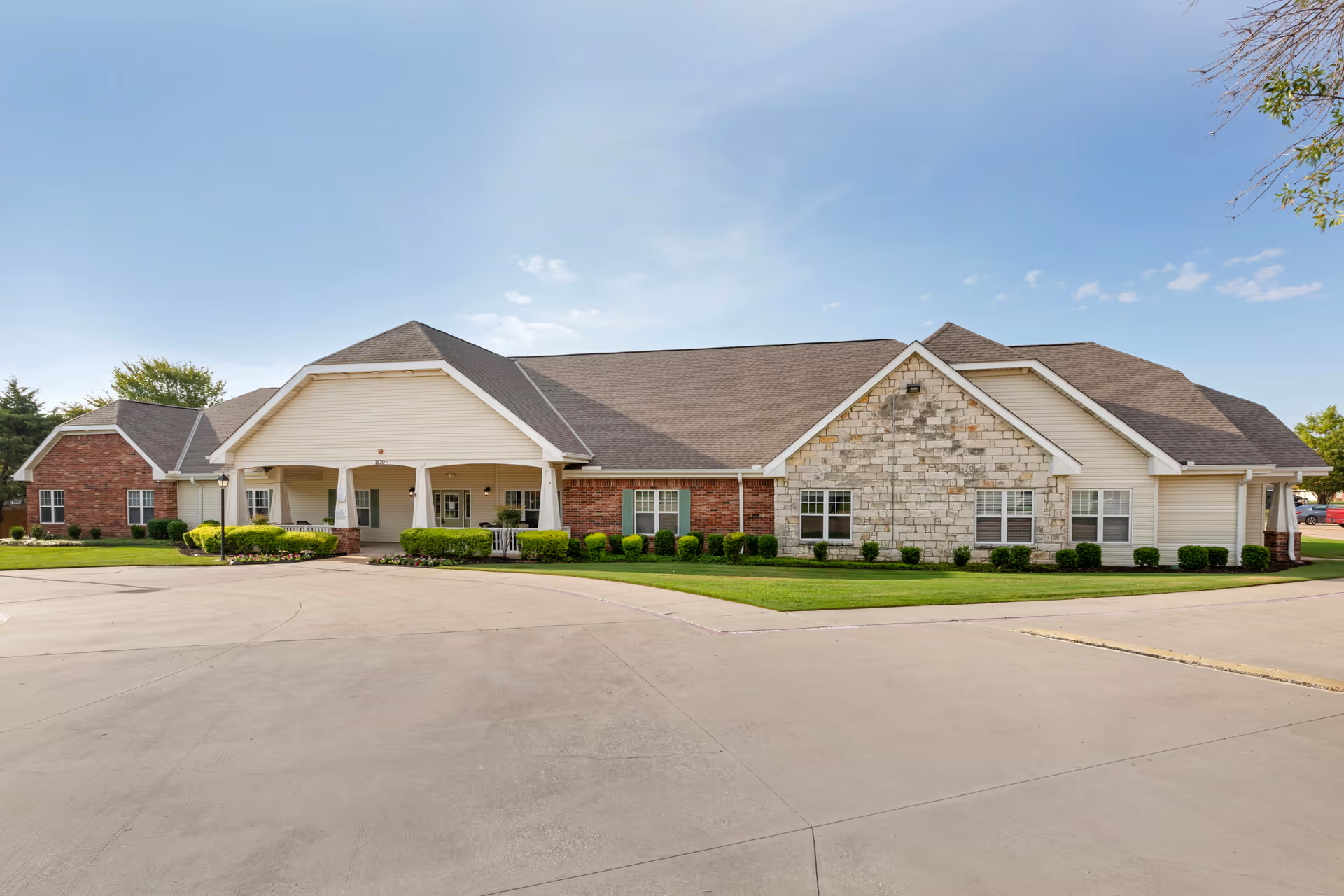
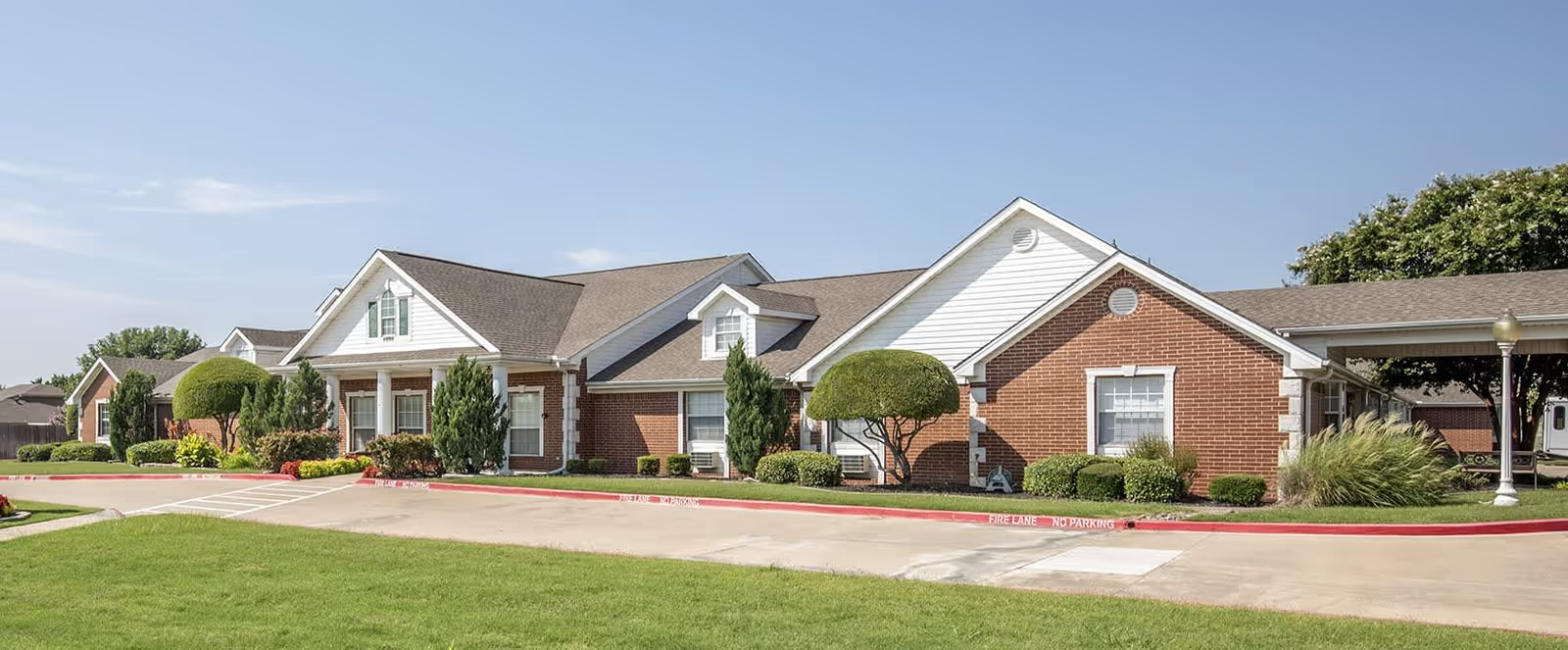
Overall impression: Holiday Lane Estates is frequently described as a warm, home-like assisted living community with many caregivers who build personal relationships with residents. Families consistently highlight compassionate, attentive staff and engaged executive leadership; several named directors and nurses received specific praise for responsiveness and involvement. The facility is commonly characterized as bright, well-maintained, and odor-free, with attractive common areas and grounds that support socialization.
Care and staffing: Many families reported positive hands-on care, with on-site nursing, medication support, and access to physical and speech therapy. Med techs and aides were often described as attentive and caring, and long-tenured staff contribute to continuity for long-term residents. At the same time, a recurrent theme is staffing instability: intermittent staff shortages, turnover, and variability in individual staff competence were cited. These operational weaknesses have been linked to slower response times, occasional lapses in service, and concerns about accountability and follow-through on promised care.
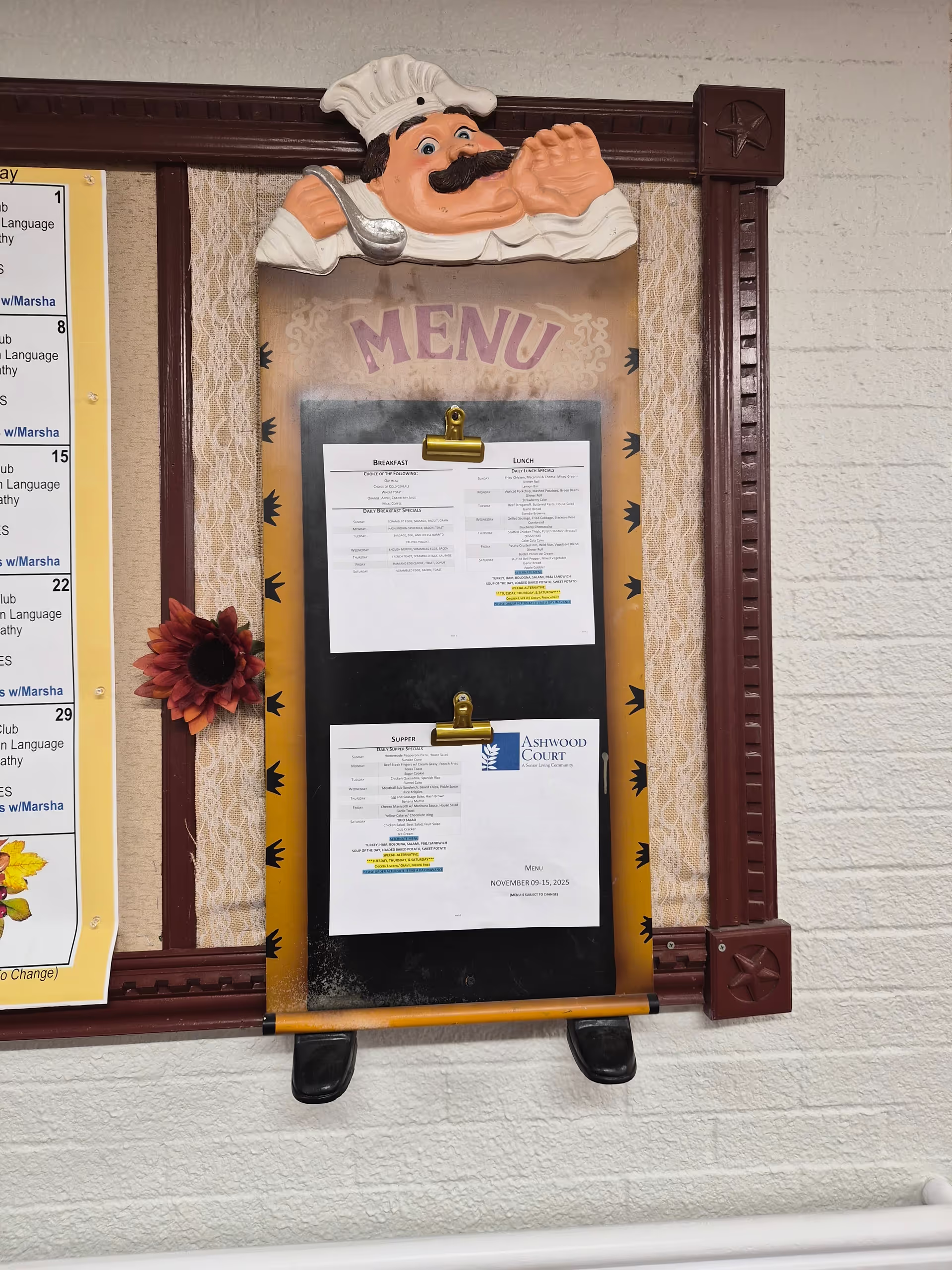
Dining and activities: Dining is generally viewed as a strength in terms of menu variety, portion sizes, and flexible meal options tailored to preferences; multiple families appreciated holiday meals, garden-harvest menus, and the ability to choose entrée selections. That said, reviewers also noted inconsistent food quality at times and occasional slow or cold service in the dining room. Activities and social programming are available and, pre-pandemic, robust — with outings to local restaurants and shopping — but families reported that programming was reduced during COVID and remains uneven for some residents. Activity participation is influenced by resident mobility and health; some residents thrive socially while others find the activity offerings limited for their needs.
Facilities and amenities: The physical plant receives strong marks for cleanliness, natural light, and inviting common spaces. Apartments typically include private baths and kitchenettes, though several reviewers noted that unit sizes and in-unit storage are modest and that shower seating and other in-suite amenities are limited. Grounds and landscaped seating areas are appreciated, but some families would like more private outdoor seating or cottage-style options. A few safety-related operational issues were raised — for example, concerns about entry/exit controls and wandering-prevention measures — suggesting that security safeguards could be strengthened.
Management and value: Leadership at the community level is generally praised for being responsive and hands-on; residents and families often called out specific managers and nurses as reasons they felt comfortable placing loved ones there. Conversely, reviewers noted that corporate- or ownership-level decisions have at times reduced local service offerings (for example, changes to holiday meals) and that cost and affordability are concerns for some families. Communication around incidents and operational changes is an area for improvement: reviewers described gaps in incident response and family communication following specific events.
Patterns to weigh: Prospective residents and families can expect a community with strong interpersonal caregiving, attractive common spaces, therapy access, and a menu of dining and activity options. Important trade-offs to consider are variable staffing reliability, occasional inconsistencies in dining and housekeeping performance, modest apartment sizes, and potential security or incident-response gaps. A visit focused on observing staff-resident interactions, reviewing current activity schedules, confirming staffing ratios, and inspecting apartment dimensions and safety features will help determine fit for an individual’s needs and priorities.