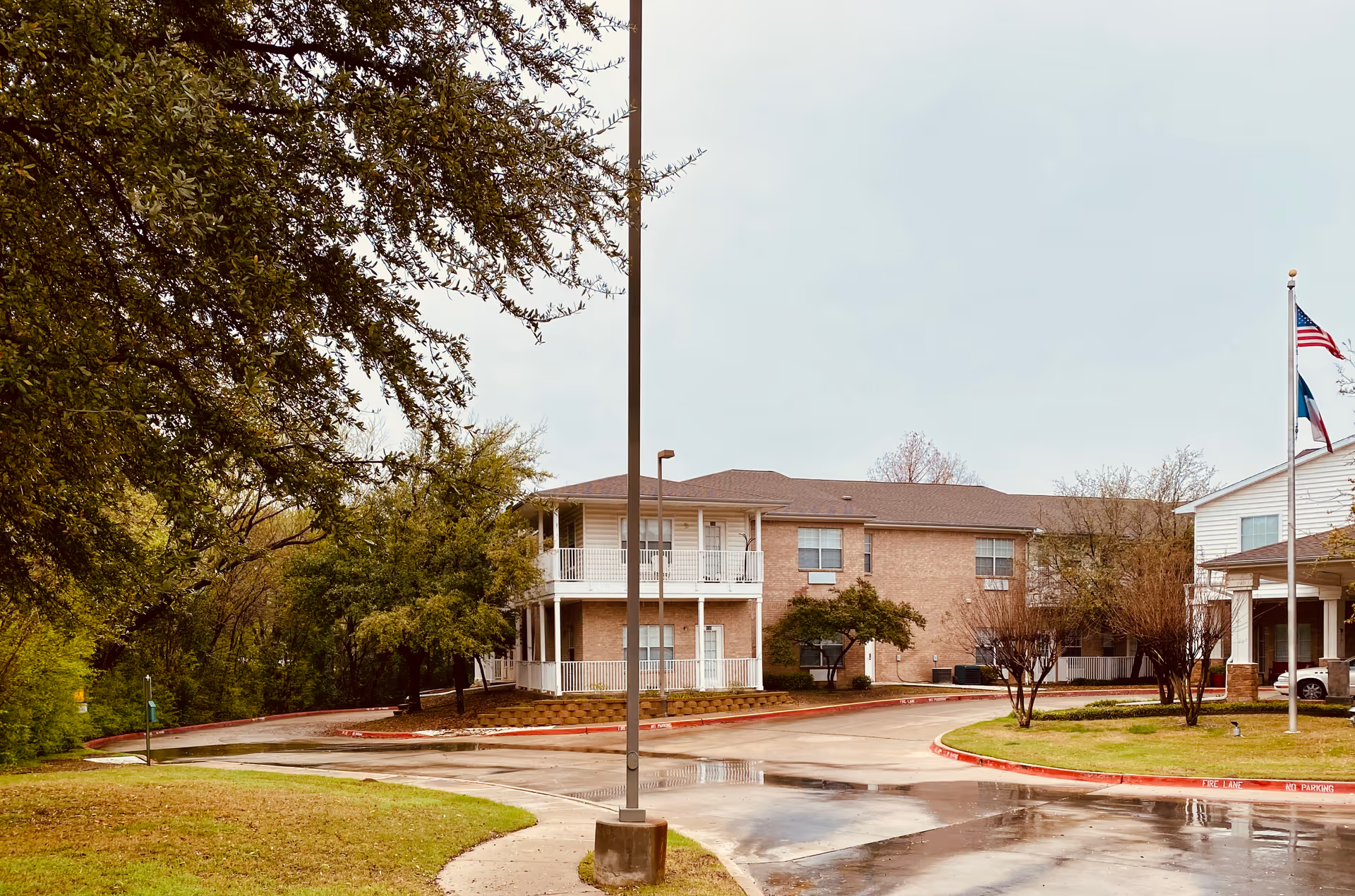
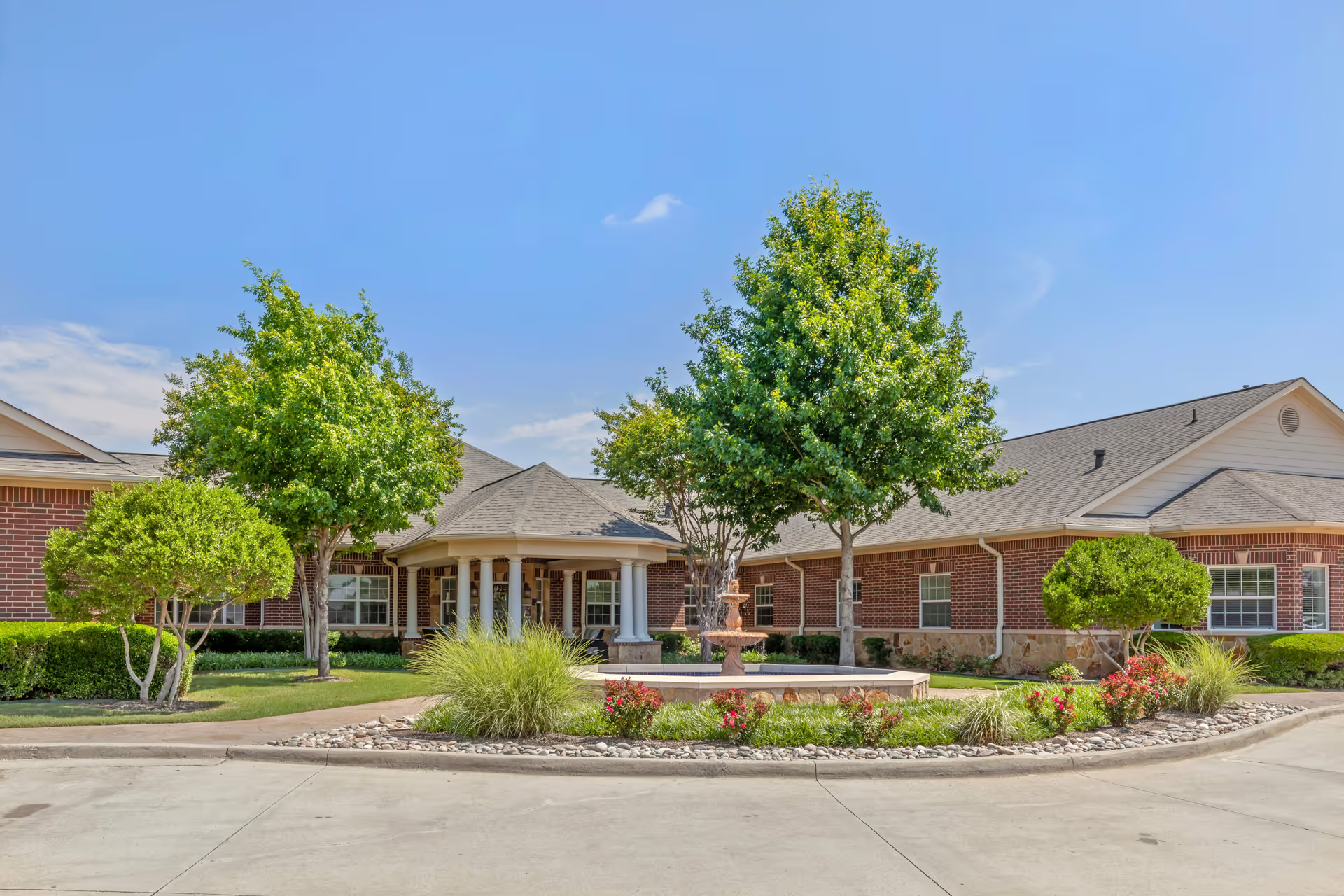
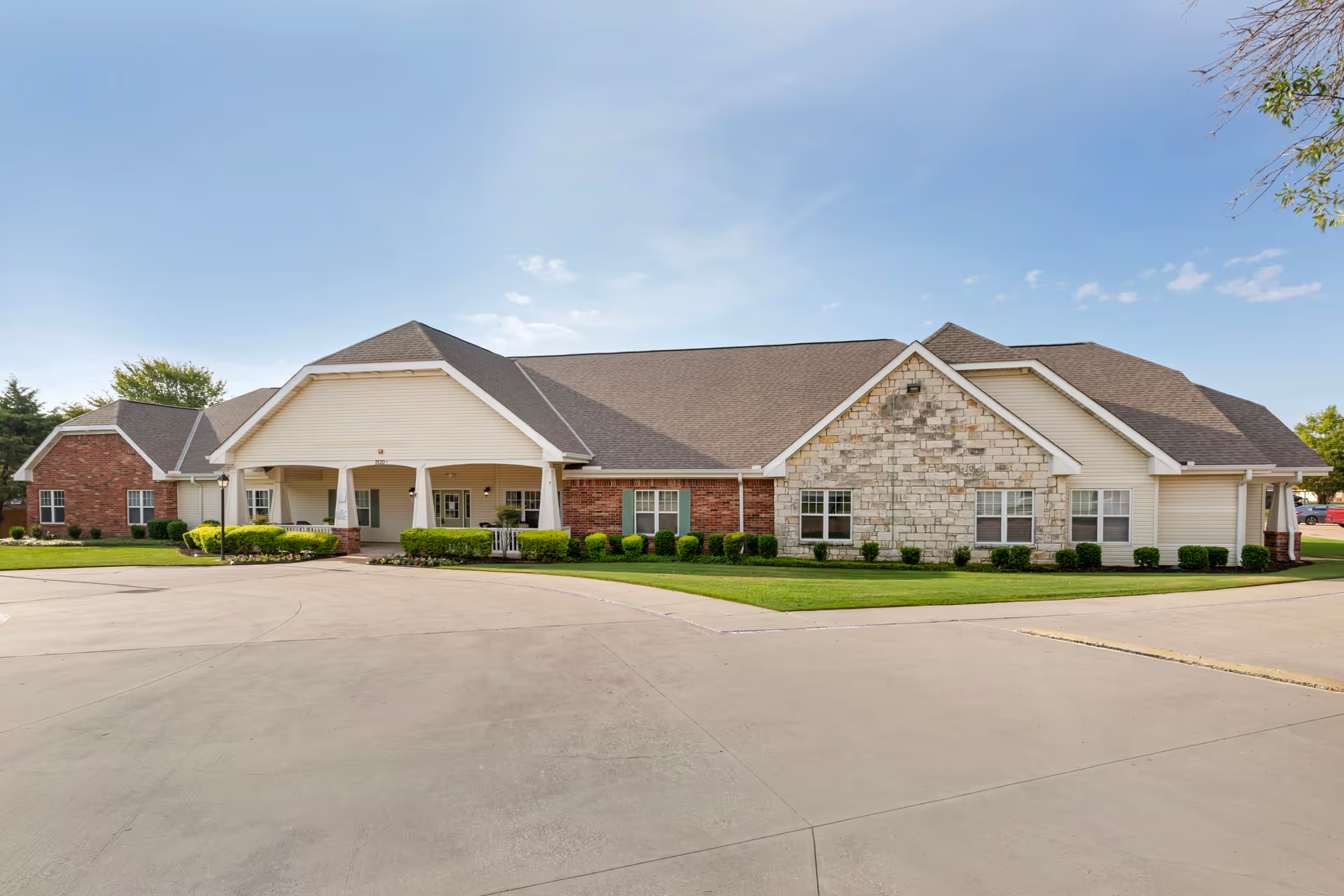
Morada Meadow Lakes presents a mixed but overall favorable profile for independent living residents seeking an active, community‑oriented environment. Strengths consistently described include a warm, family‑like culture driven by attentive and long‑tenured staff, a broad calendar of activities and outings, and a suite of communal amenities (dining room, library, woodworking shop, salon, media room, exercise space). Many residents and families emphasize cleanliness, weekly housekeeping and linen service, and pleasant outdoor spaces and patios that support socializing and pet ownership. Apartments vary in size and layout, with several reviewers highlighting spacious two‑bedroom units and recent apartment updates (fresh paint, new carpet) that improve livability.
Care quality and staffing impressions skew positive with repeated references to helpful front‑line employees, medication reminders, tray delivery, and assistance with dressing and bathing when requested. On‑site care support appears available for many residents, and staff are frequently described as compassionate and responsive in routine situations. That said, a pattern emerges where residents who require higher‑level clinical care eventually need to transition to a different setting; prospective residents with escalating medical needs should confirm available clinical services and transfer pathways in advance.
Dining is a clear area of variability. Numerous reviewers praise nutritious meals, three daily hot meals, tray delivery, and accommodating service for routine requests. Conversely, other families note uneven quality, small portions at times, limited Sunday service, and challenges accommodating specialty diets or denture‑friendly options. Several comments indicate that dining quality improved before COVID and has been rebuilding, and kitchen renovations are ongoing in some areas. Prospective residents should sample meals and ask about specialty‑diet processes and opt‑out/credit policies for unused meals.
Activities and social programming are standout features: structured exercise classes, religious services, crafts, games, frequent outings, and music or band performances contribute to an engaged resident population. Many reviewers report easy opportunities to lead activities and a genuine sense of community. For quieter residents or those grieving, some accounts note occasional social isolation despite available programming, so activity fit and social compatibility are relevant considerations during touring.
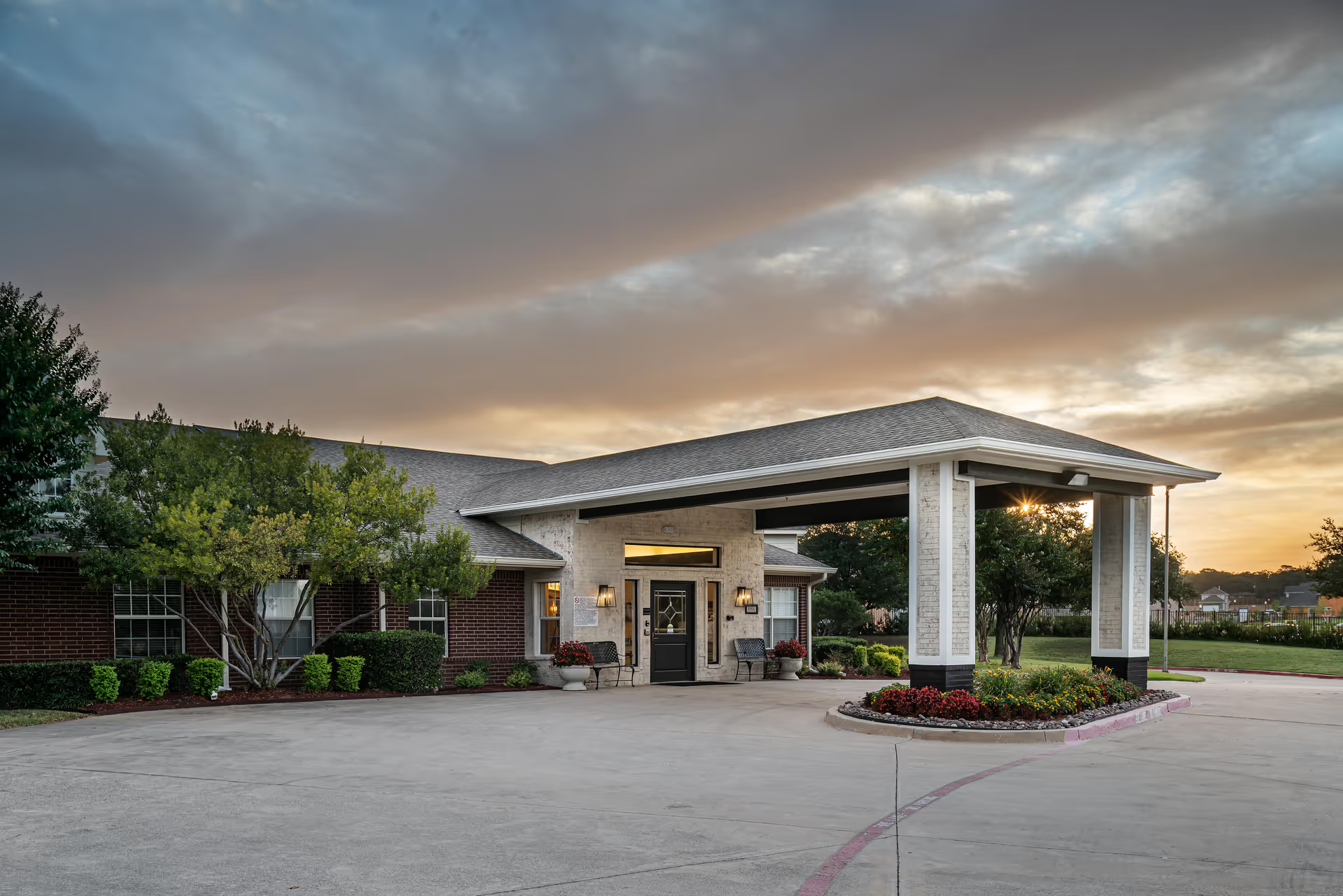
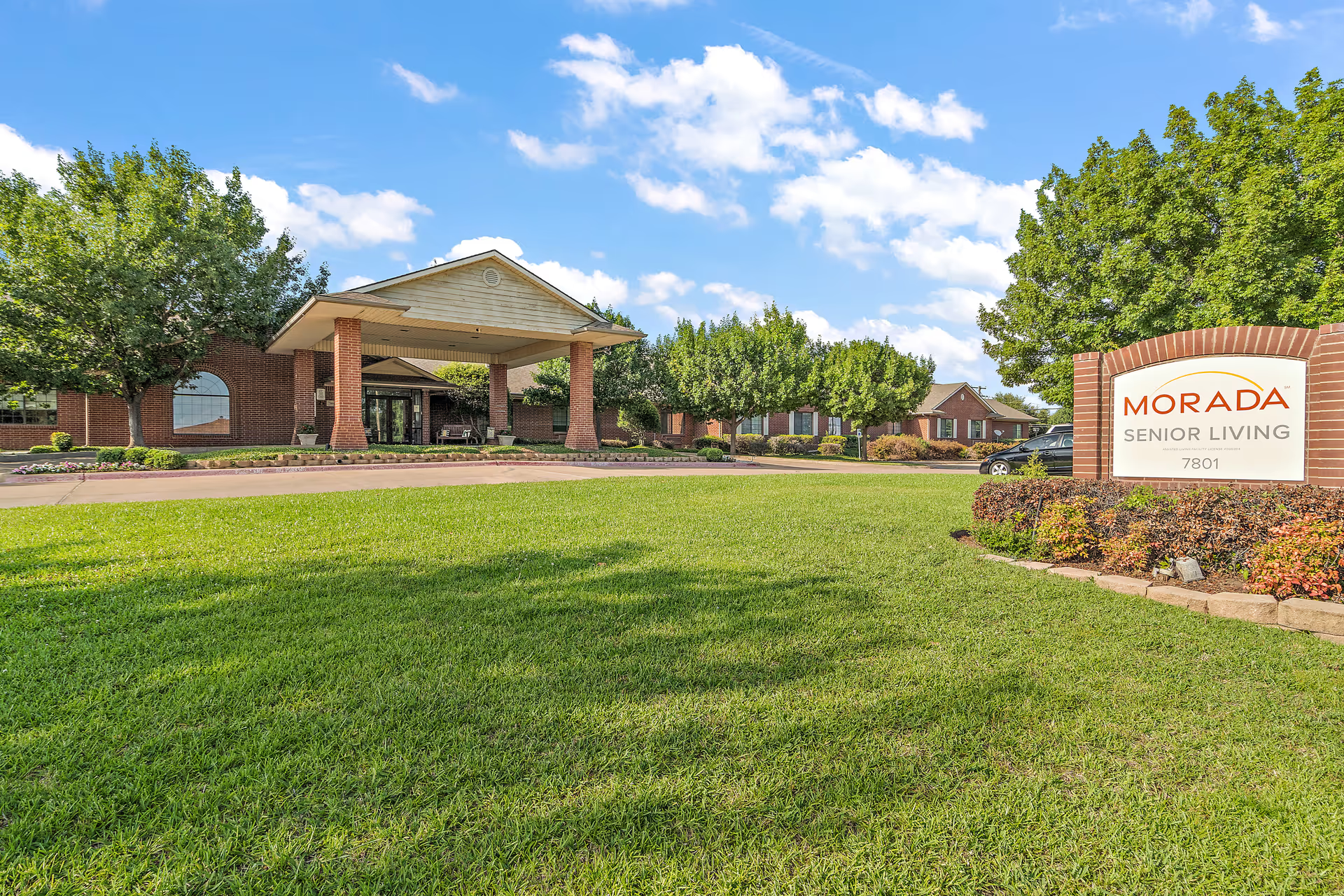
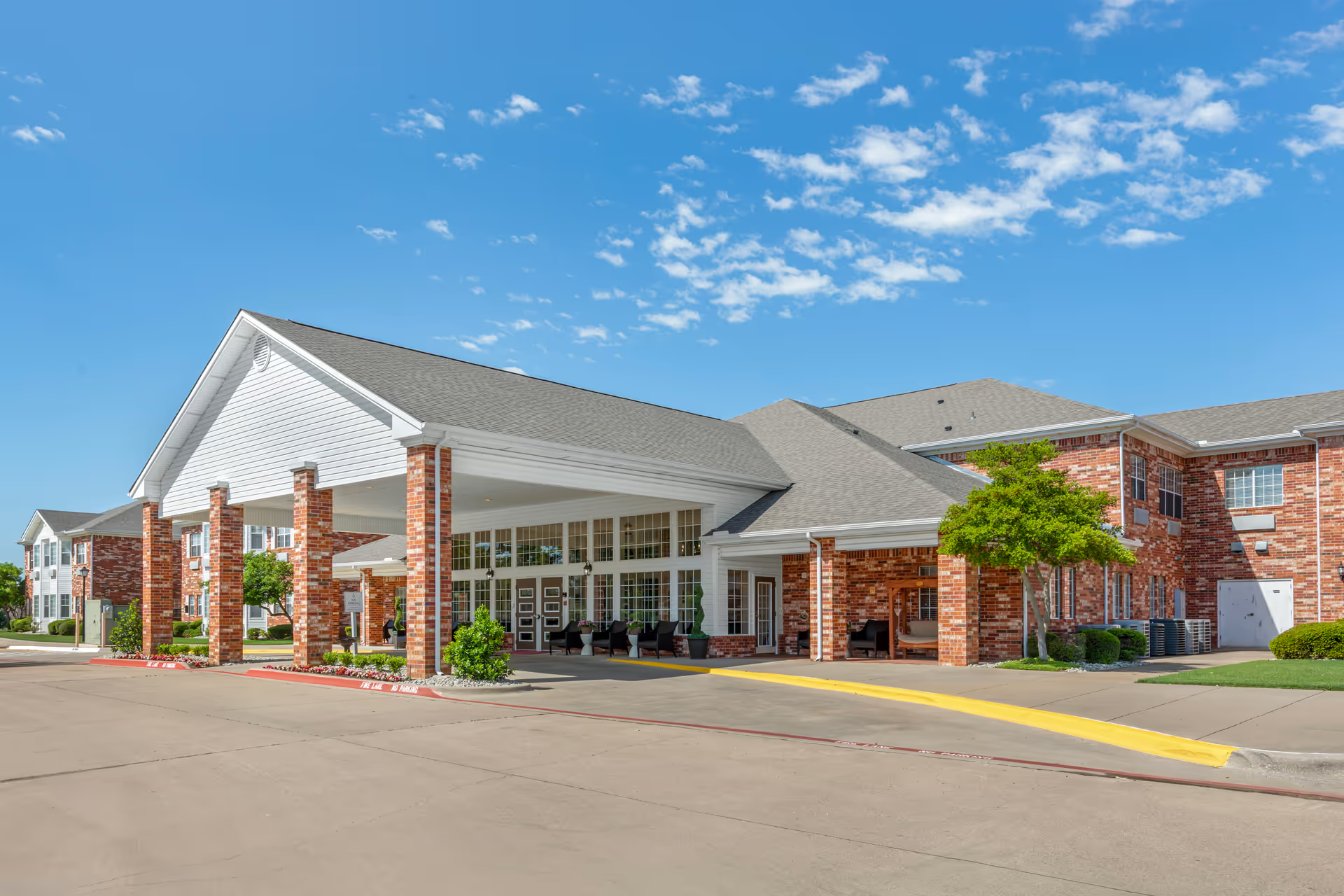
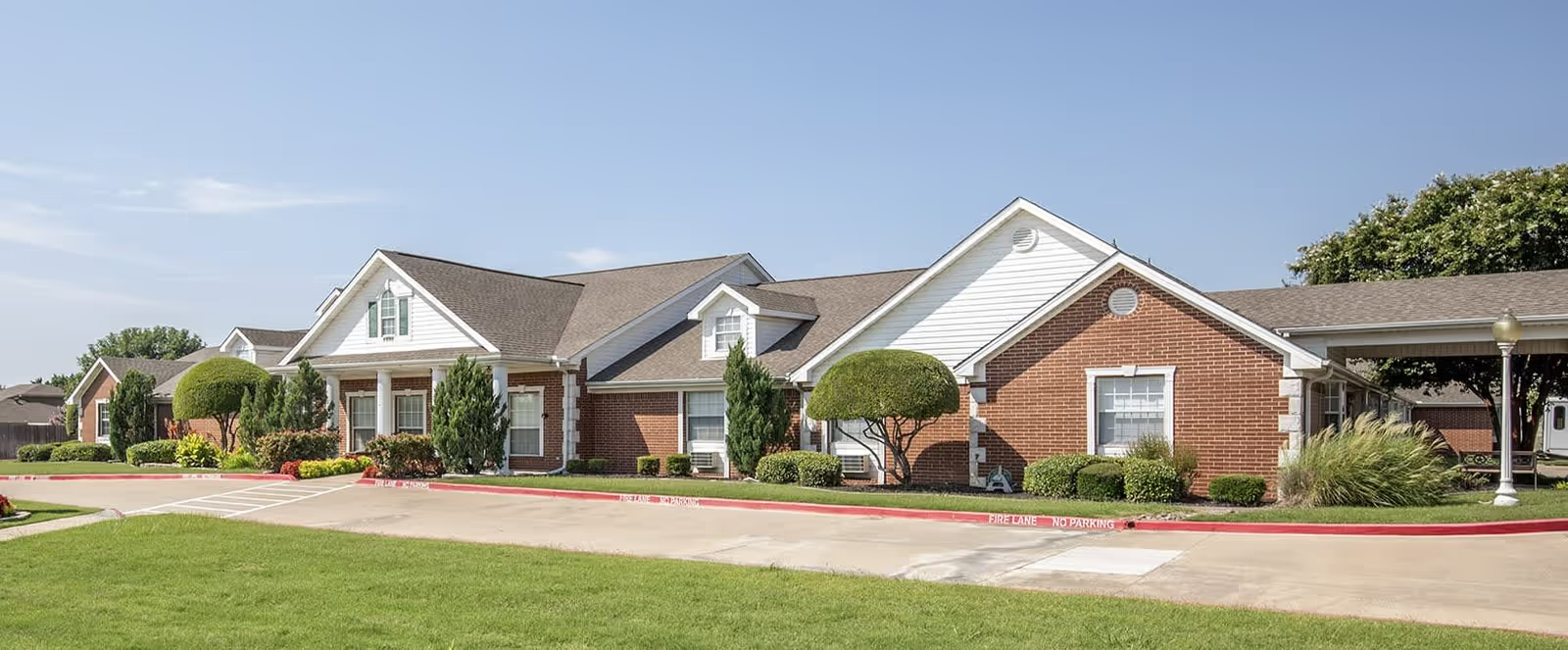
Facilities are a blend of updated and older elements. Public areas and many apartments have been refreshed, and the property offers useful amenities such as secure entry, laundry rooms, beauty salon, and transportation services. However, building age contributes to thin walls and some noise transfer, limited in‑unit laundry hookups, and ongoing renovation disruptions. A few reviewers point to odor concerns in specific corridors; these appear localized rather than pervasive but should be observed on a visit.
Management and financial practices are the most frequently raised operational concerns. Patterns include unclear contract language, large upfront community fees, extra per‑person charges, and families expressing frustration with billing transparency and refund responsiveness. There are also mentions of high‑pressure sales tactics or rushed contract signings in crisis placements. While many residents praise individual directors and marketing staff for helpfulness, others cite variable management responsiveness and occasional communication lapses. Prospective residents and families are advised to review contracts carefully, request itemized fee schedules, verify refund and cancellation policies, and confirm billing practices for clinical or ancillary services.
In summary, Morada Meadow Lakes offers strong social programming, a warm staff culture, and good value for those seeking independent living with light to moderate support. Key tradeoffs are variability in dining and occasional operational weaknesses around transparency, billing, and building age. An on‑site tour that includes meal sampling, discussion of medical‑care limits, and close review of contract terms will help families determine whether the community’s strengths align with an individual resident’s needs and expectations.