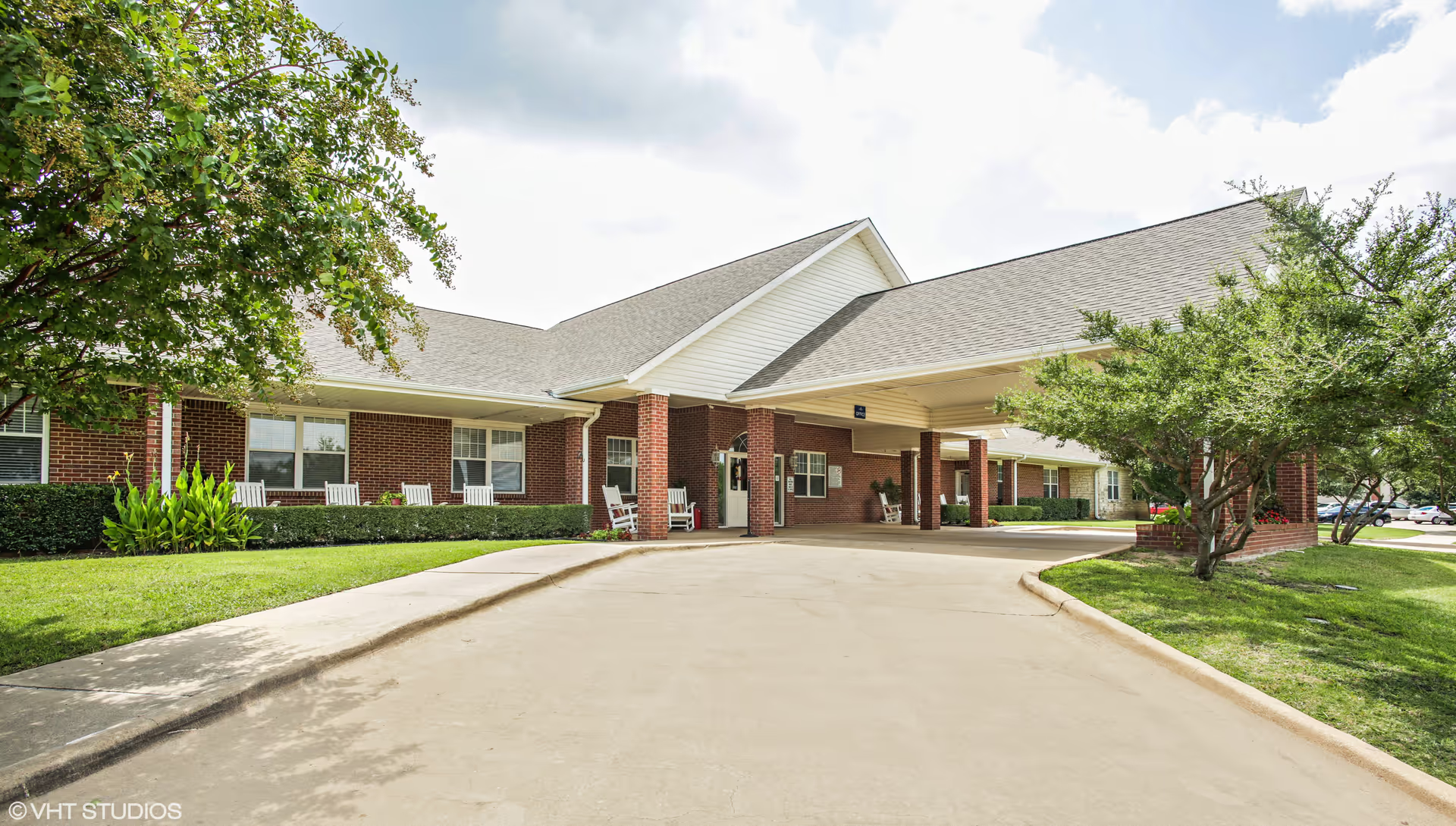
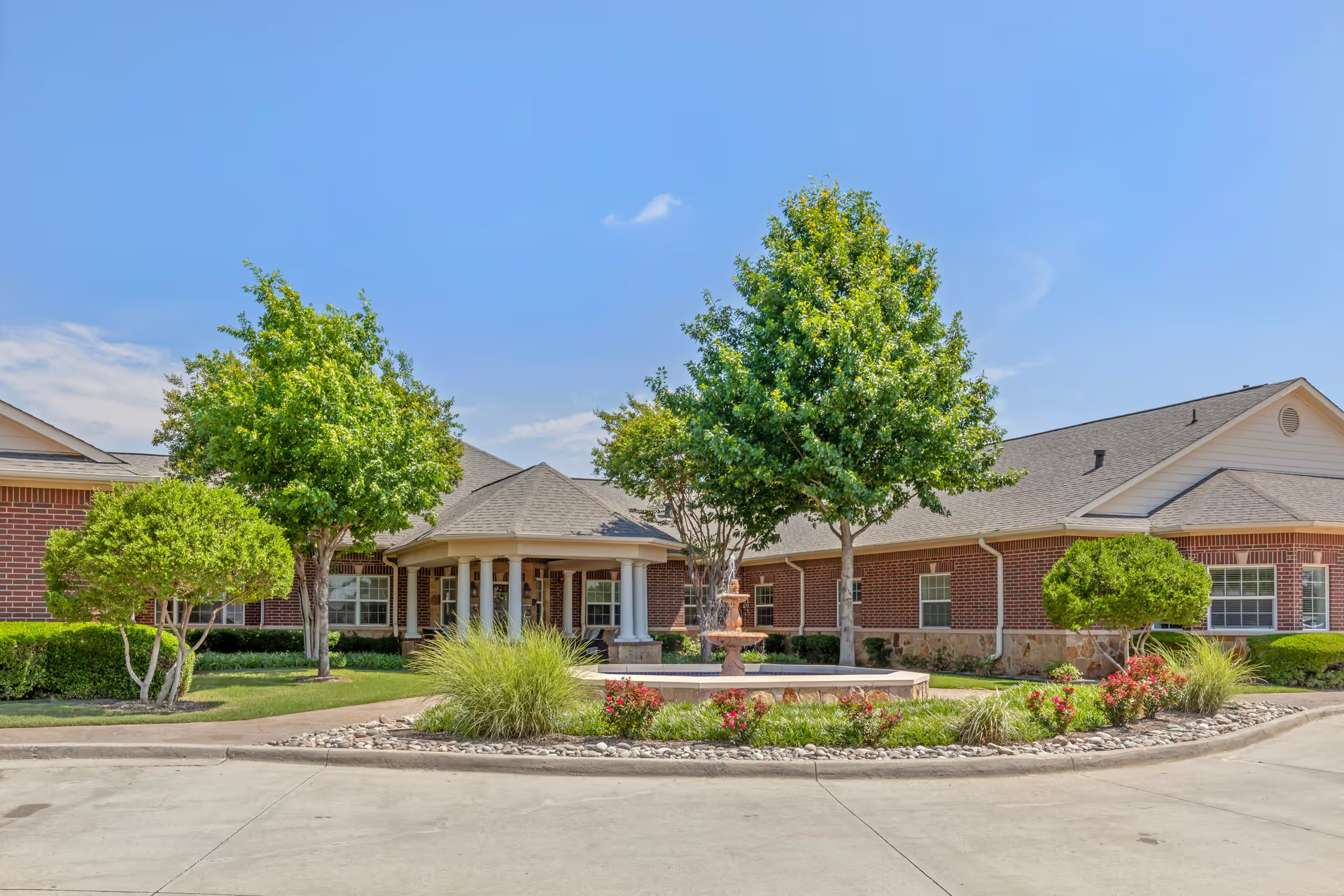
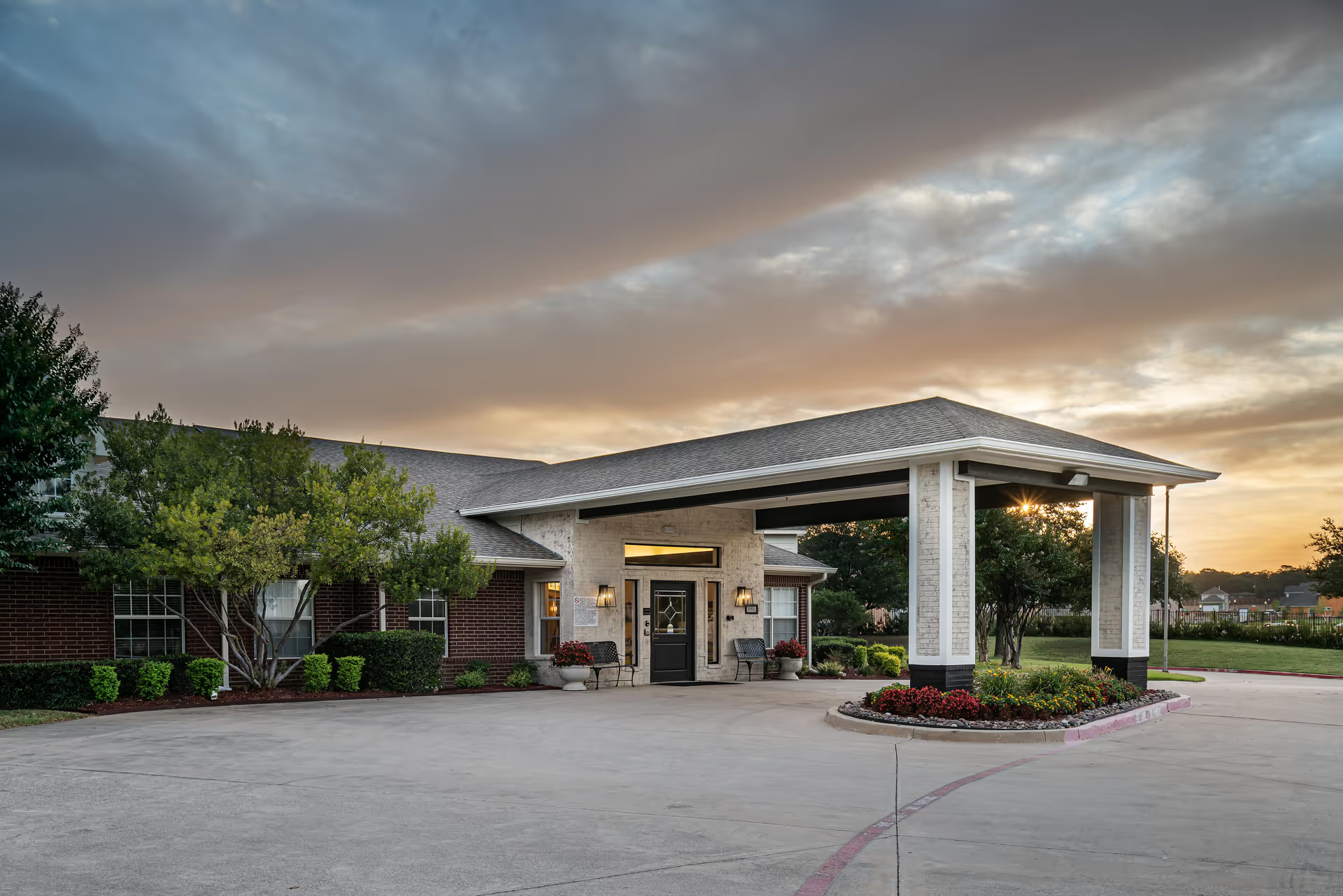
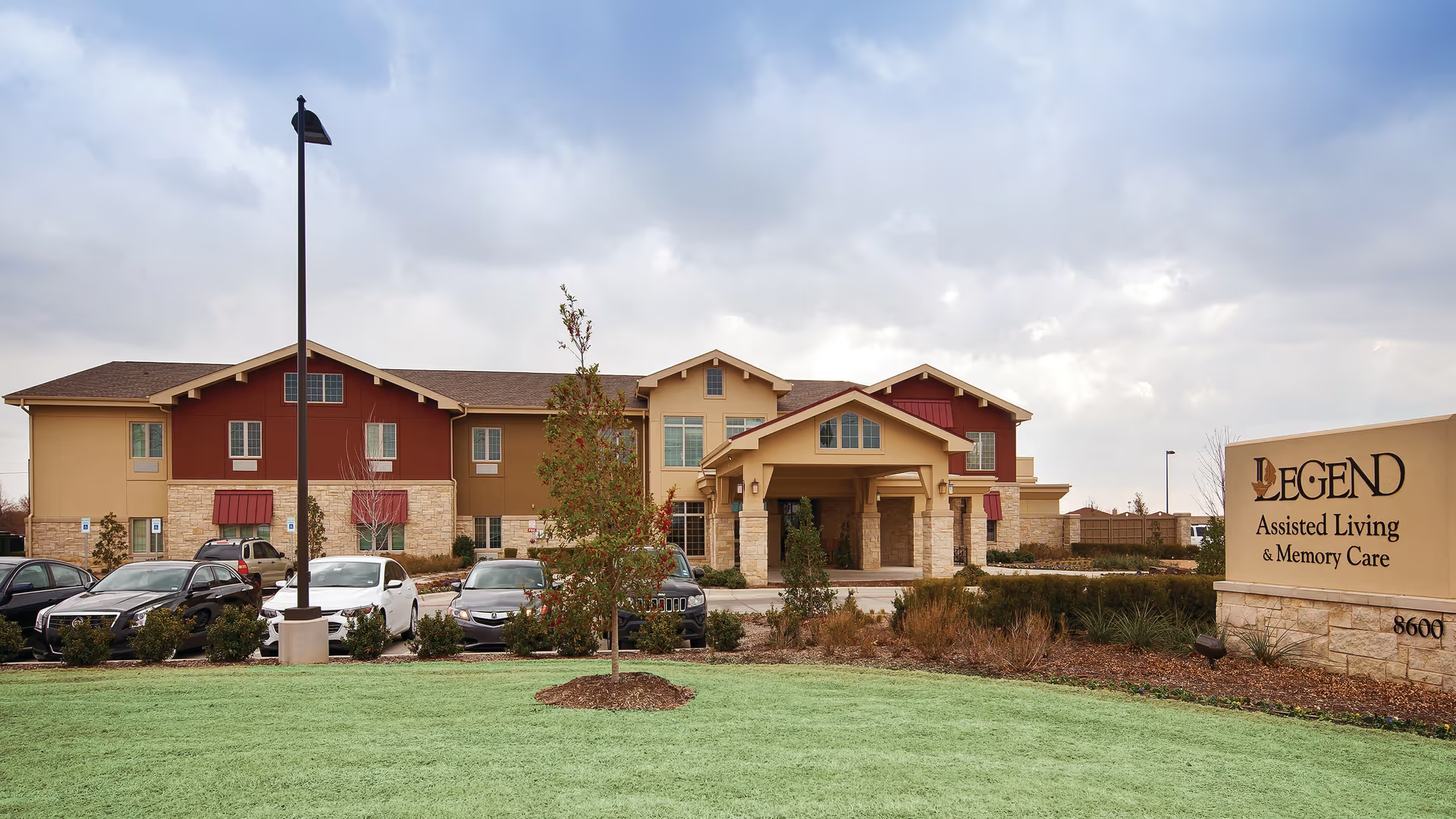
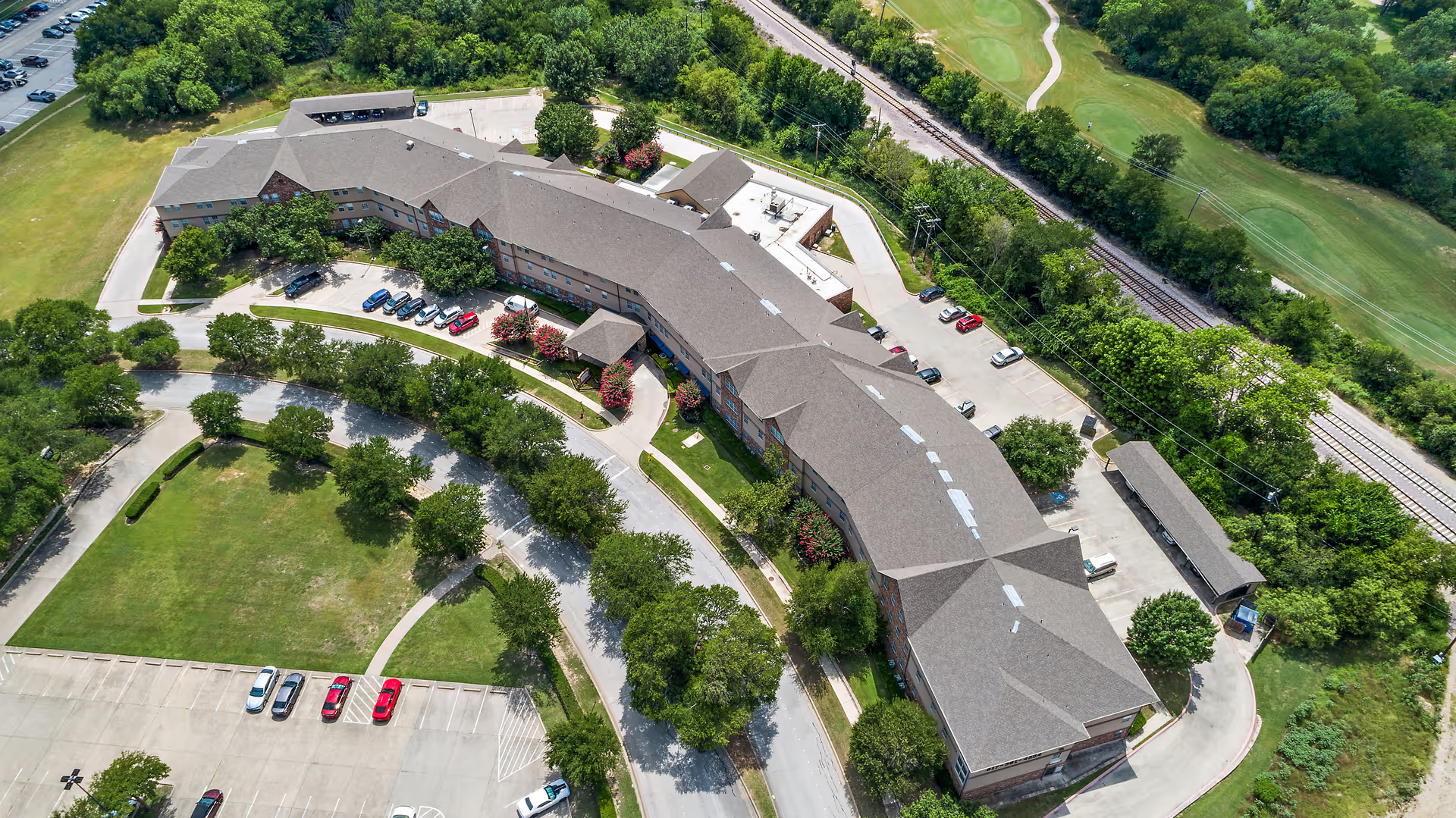
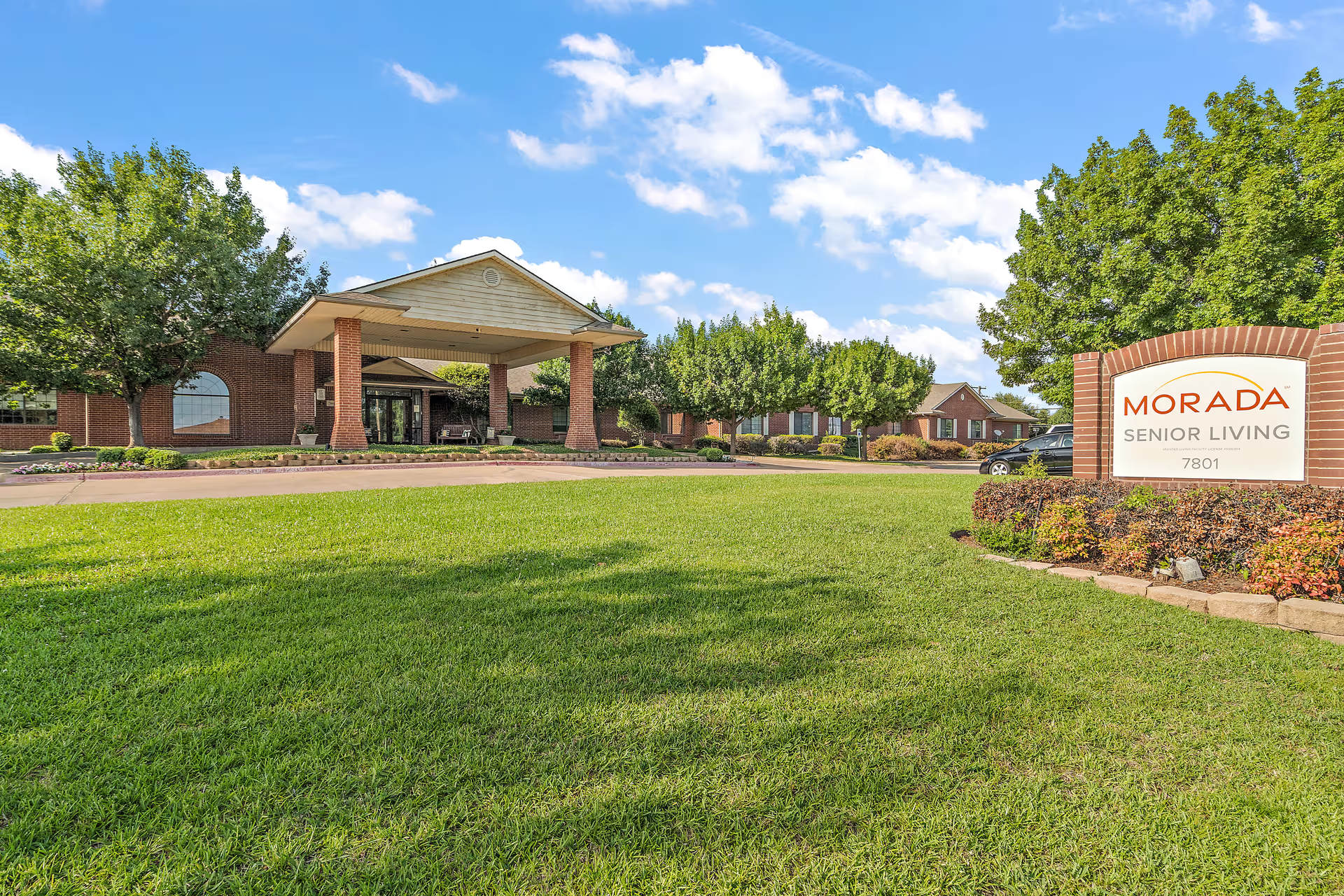
Brookdale Watauga presents as a small, home‑style assisted living community with many reviewers praising its compassionate caregiving staff, active programming, and pleasant communal spaces. The single‑floor layout, enclosed courtyard and light‑filled rooms contribute to a residential feel; families frequently describe staff who know residents by name, steady rehabilitation emphasis (PT/OT), visiting clinical services, and an activities calendar that includes exercise classes, bingo, crafts, outings and faith‑based programming. On‑site amenities such as a beauty salon, multiple dining formats and proximity to medical offices are additional assets for families seeking convenience and engagement for their loved ones.
Care and staff performance are a mixed picture. Numerous accounts highlight thoughtful, hands‑on caregiving, strong resident‑program coordination, and effective crisis response (including infection containment and continuity during outages). At the same time, other accounts identify operational weaknesses: leadership turnover and uneven managerial visibility, staffing instability at times, and concerning patterns related to medication administration and follow‑up communication. These patterns suggest variability in day‑to‑day clinical operations and the importance of confirming medication‑administration controls, staff continuity, and escalation pathways when evaluating placement.
Dining and activities are generally regarded as strengths but with variation. Many families report nutritious and appealing meals, special event dining and an engaged activities team that schedules outings and regular group classes. Conversely, some reviewers describe repetitive menus or bland preparations on occasion. The activity program is widely cited as robust and meaningful to residents, supporting socialization and routine, but prospective families should observe meal service and menu rotation during a visit to assess fit for specific dietary or culinary preferences.
Facility condition and management practices show contrasts. Several visitors and residents praise clean, tastefully decorated common areas and well‑kept grounds, while other accounts point to housekeeping lapses, pest‑control concerns in some units, and parts of the property that feel dated. Financial and administrative complaints appear across reviews as billing‑transparency gaps, inconsistencies with in‑room billing or hospice coordination, and, in a few strong claims, allegations of staff theft or financial mishandling. Additionally, reviewers expressed uncertainty about memory‑care differentiation and end‑of‑life/transition policies. Taken together, these patterns indicate that Brookdale Watauga offers many of the social and clinical strengths families seek in a smaller assisted living community but also exhibits operational variability that can affect individual experiences.
For prospective residents and families: verify current staffing levels and leadership tenure, review medication‑administration procedures and request demonstration of medication administration records, inspect housekeeping and pest‑control practices, ask for a detailed explanation of billing and extra‑charge policies, and clarify end‑of‑life and memory‑care protocols. Observing the community during different shifts, speaking with current families, and requesting documentation for on‑site clinical services can help align expectations with the facility’s current operational realities.