Brookdale Richland Hills elicits strongly mixed impressions. Many families describe a small, home-like assisted living with warm, engaged staff, an active activities calendar, and a dedicated memory-care building. At the same time, reviewers describe operational and clinical inconsistencies that prospective residents and families should evaluate closely before deciding.
Care and staff: Numerous accounts praise compassionate, hands-on caregivers, responsive nursing leadership, and staff who learn residents’ names and routines. The memory-care program is repeatedly described as calm and dementia-focused, with an emphasis on ordered routines and minimal reliance on sedating medications. Conversely, a persistent pattern of staffing inconsistency and turnover is also reported; that pattern is associated in some reports with delays in attending to personal-care needs, concerns about medication management continuity, and uneven competency across shifts. Night-shift responsiveness is noted positively in some cases but flagged as a concern in others, suggesting variability by unit and shift.
Dining and activities: Dining receives overall favorable comments — varied menus, dietician input, and sizeable portions are frequently mentioned. Several reviewers identified excellent meal service and social dining experiences, while a smaller number noted declines in consistency (for example, service lapses or inconsistent dining supplies). The activities program is a clear strength: an active director, daily exercise/video programs, birthday events, outings and small trips, and routine social programming contribute to resident engagement and family satisfaction.
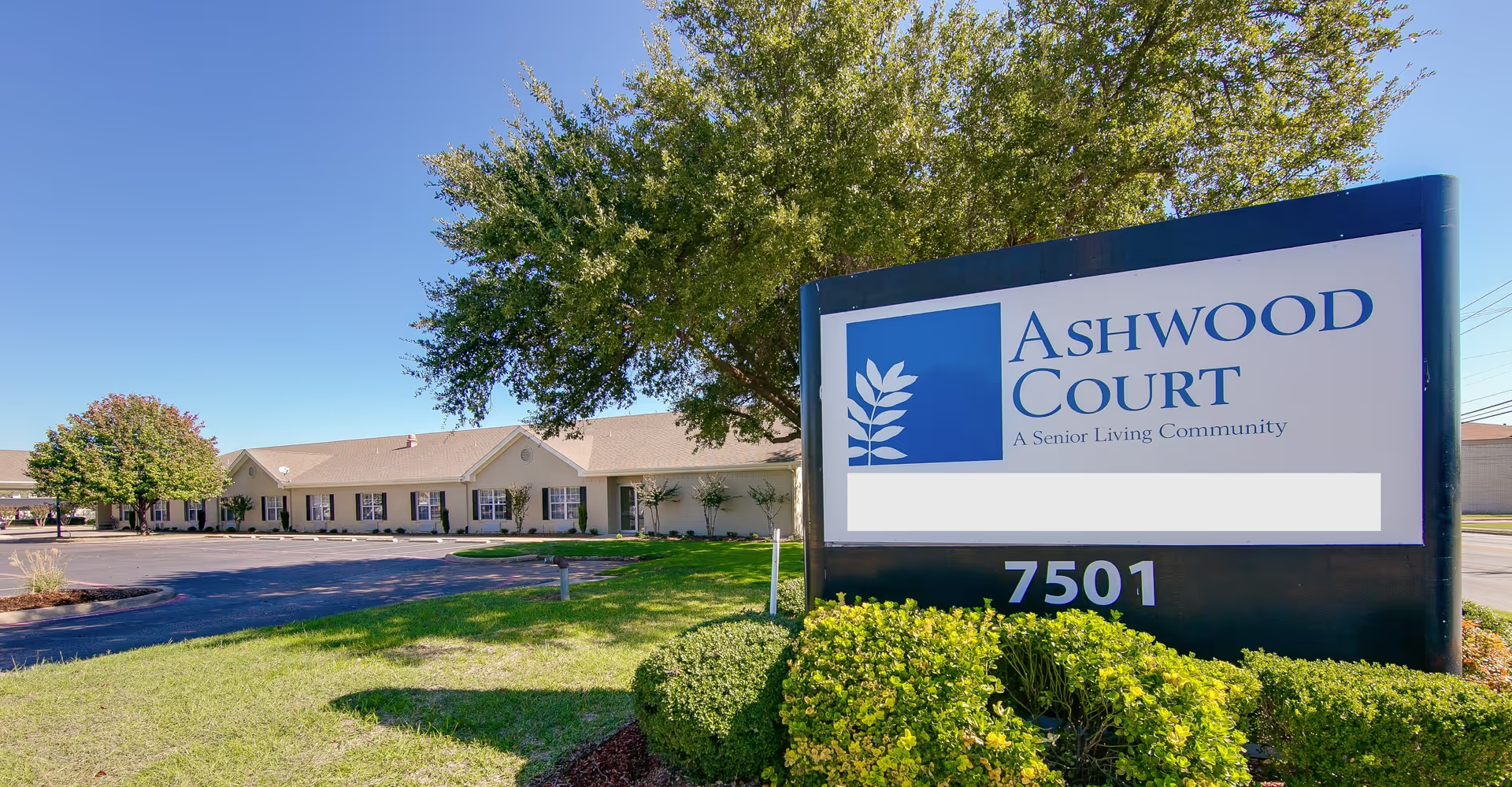
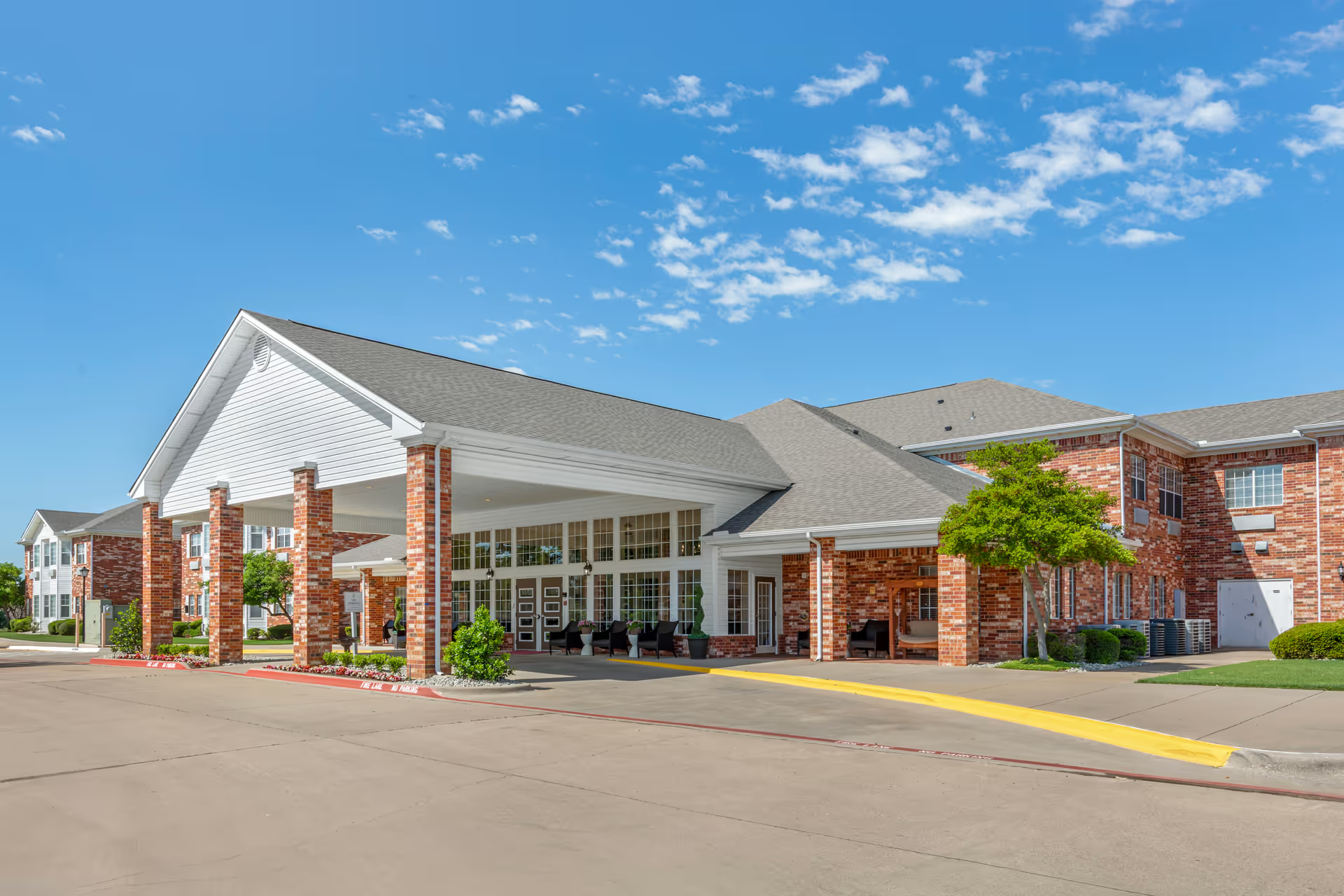
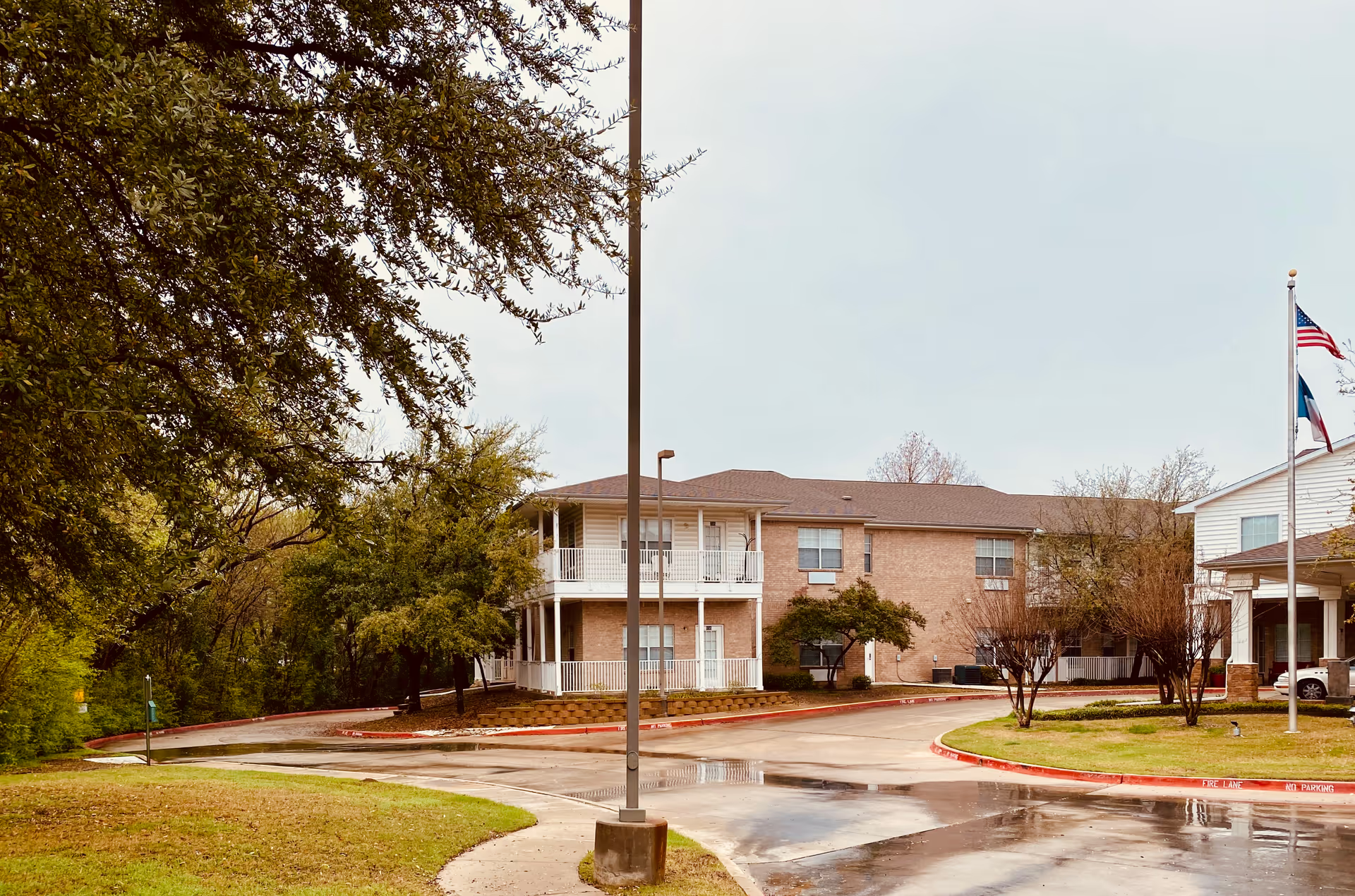
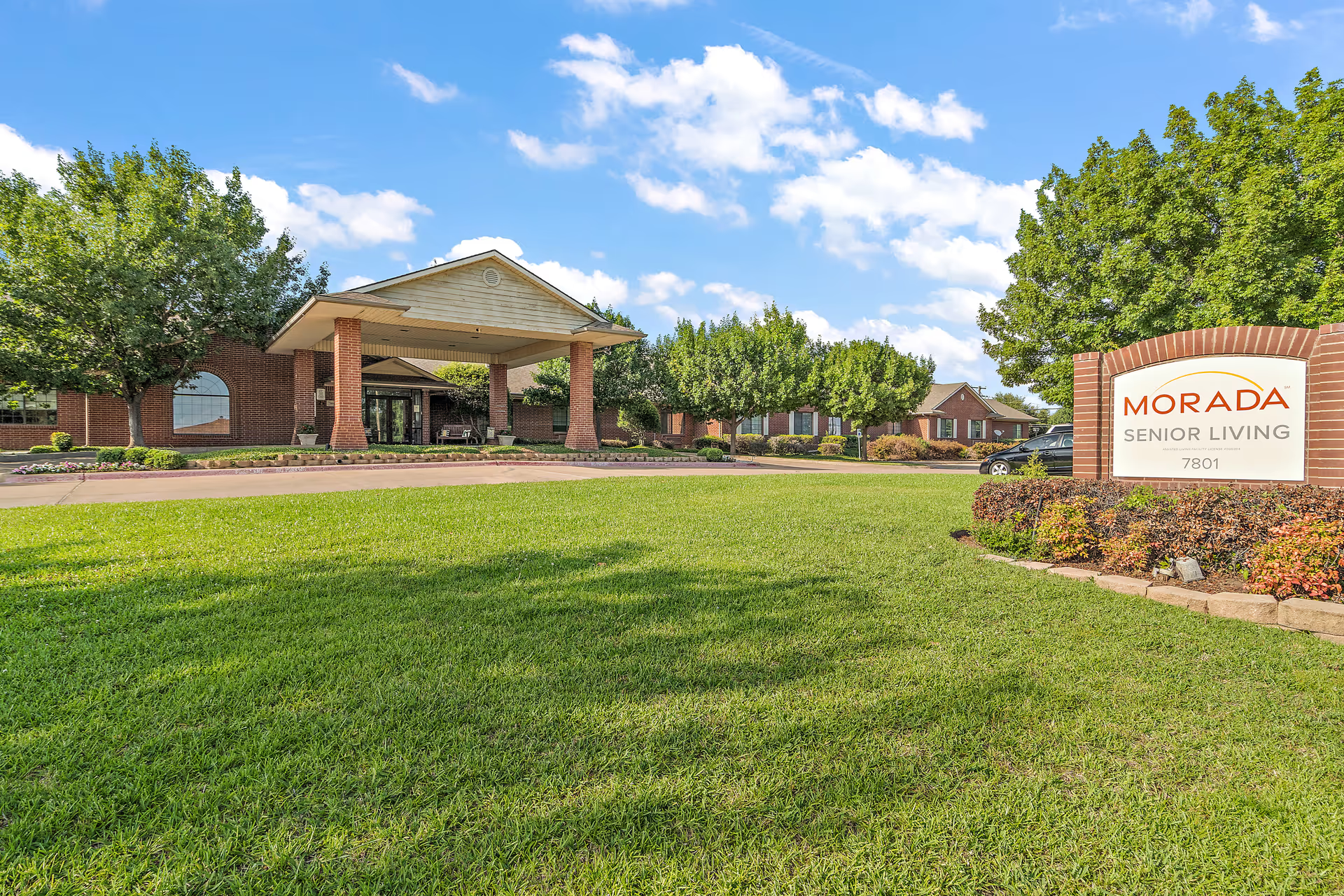
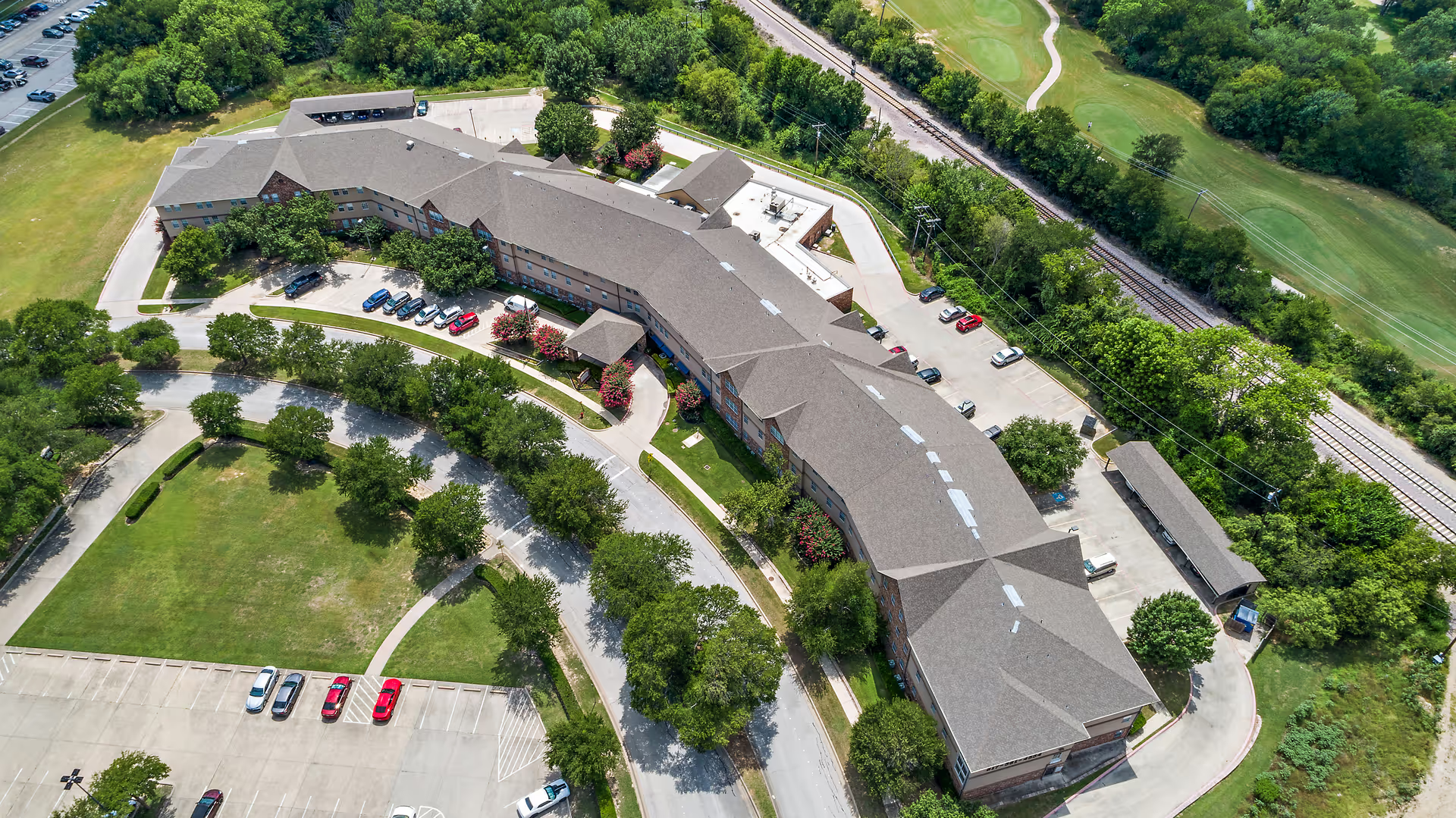
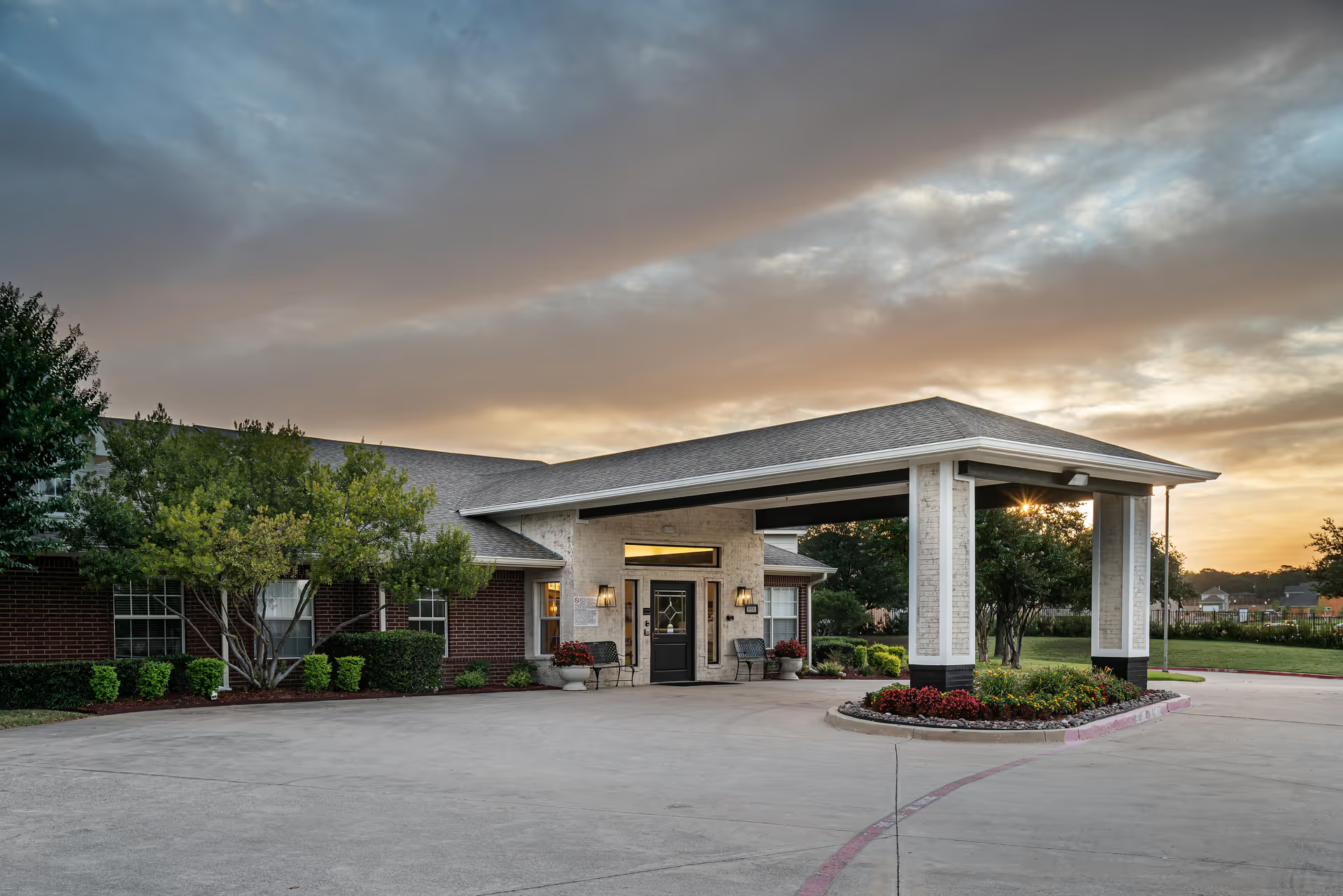
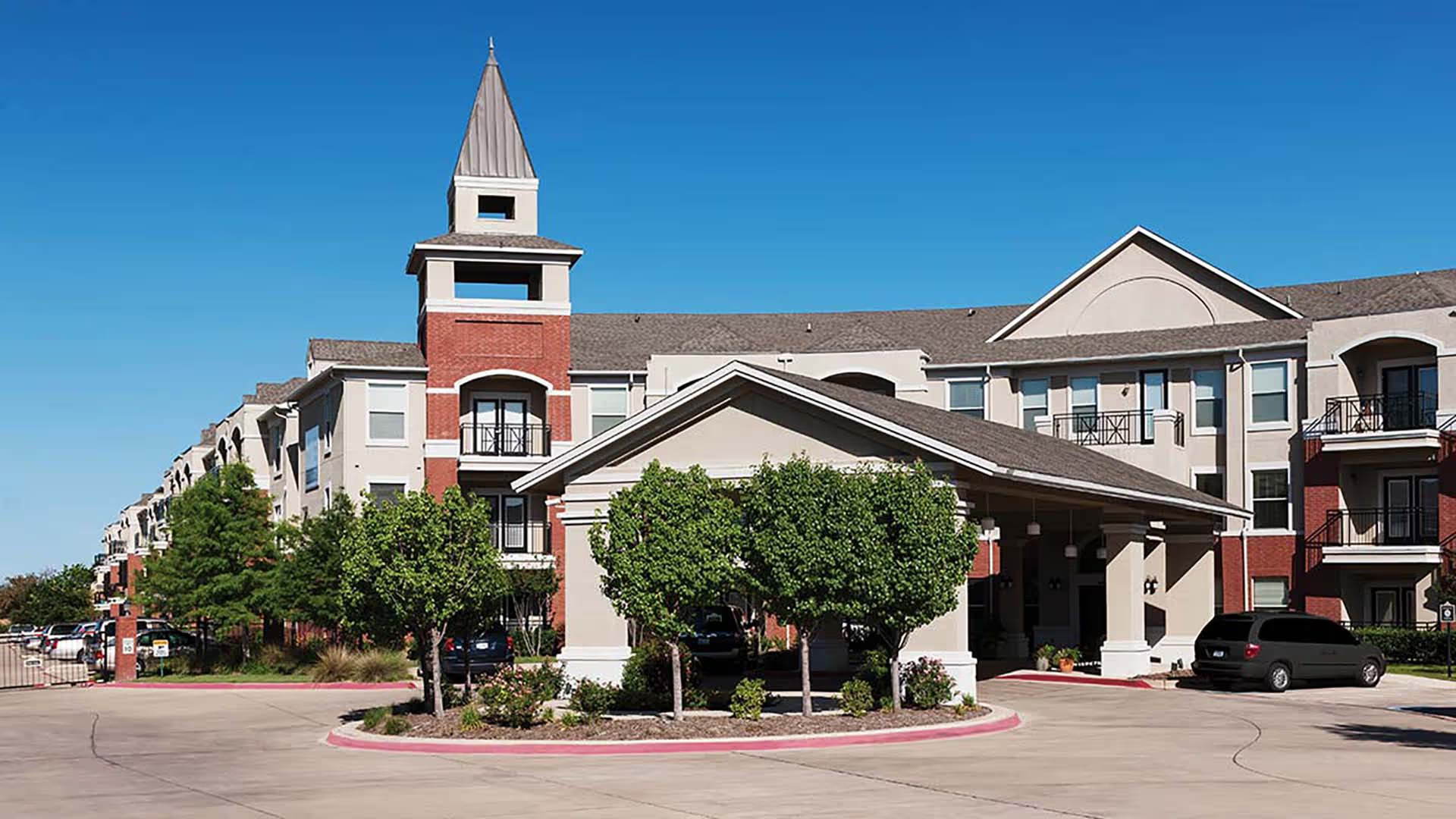
Facilities and amenities: The property is commonly described as clean, well-maintained, and easy to navigate, with wide hallways, outdoor seating, a salon/barber, private dining room, and a separate memory-care building. The community’s smaller size is seen as an asset for individualized attention. Limitations include generally small apartment footprints and occasional odor or sanitation concerns reported in common areas. Access controls (locked entry and staff-only entry points) support security but have produced visitor convenience issues when reception coverage is limited.
Management and administration: Administrative weaknesses are a recurring theme. Reviewers cite billing surprises, added charges, price increases, and perceived lack of pricing transparency. Communication gaps between administration and families — delayed notifications about incidents or hospital transfers, inconsistent follow-up, and scheduling or paperwork lapses — are also raised. Several comments link these problems to leadership instability and uneven oversight, which reviewers felt influenced day-to-day operations.
Notable patterns and guidance: The overall picture is polarized: many families report excellent, personalized care and a strong community feel; others report operational shortcomings that materially affected their experience. Prospective families should prioritize verification of current staffing levels (especially at night and on weekends), medication-management and incident-notification procedures, billing and fee disclosure practices, and specific apartment dimensions. Touring during a mealtime and speaking directly with nursing leadership and the activities director can help assess service consistency and fit for individual needs. If financial transitions are a concern, confirm the facility’s policies regarding long-term Medicaid transitions and any deposit or priority-placement requirements prior to move-in.