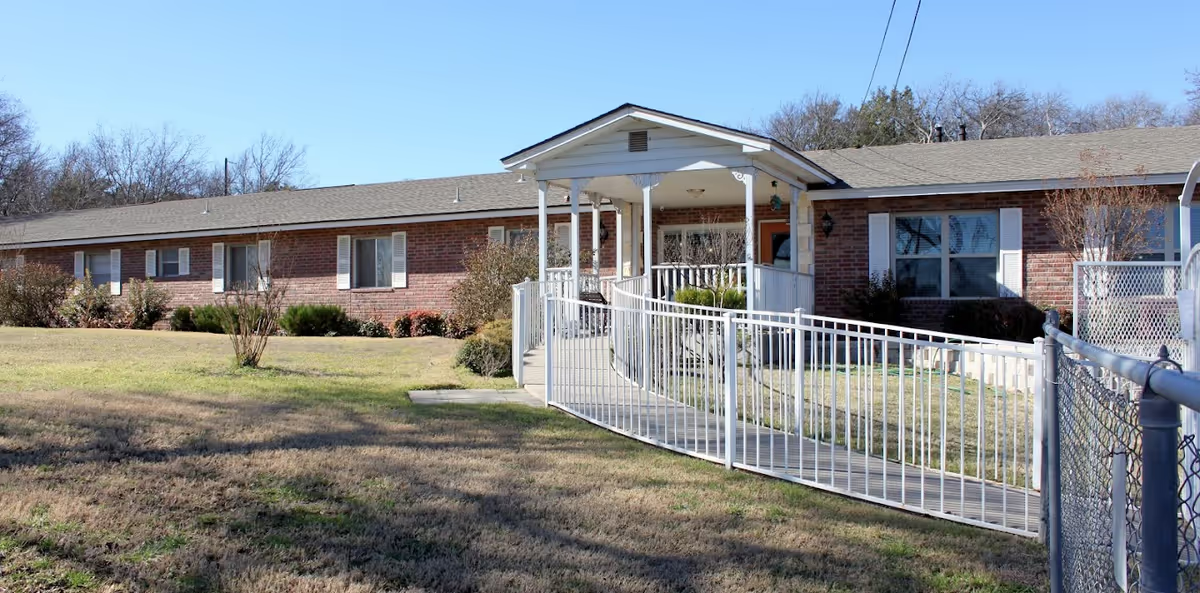
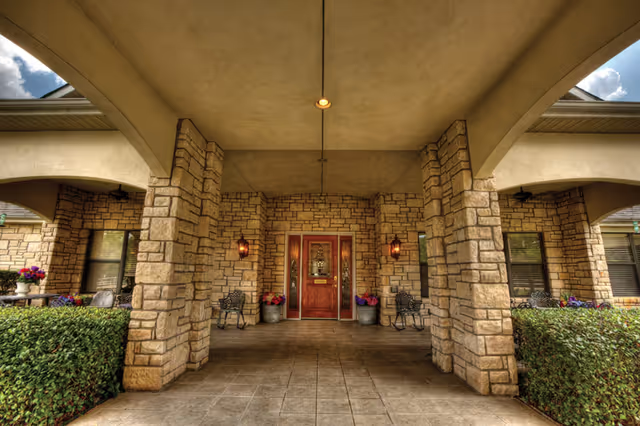
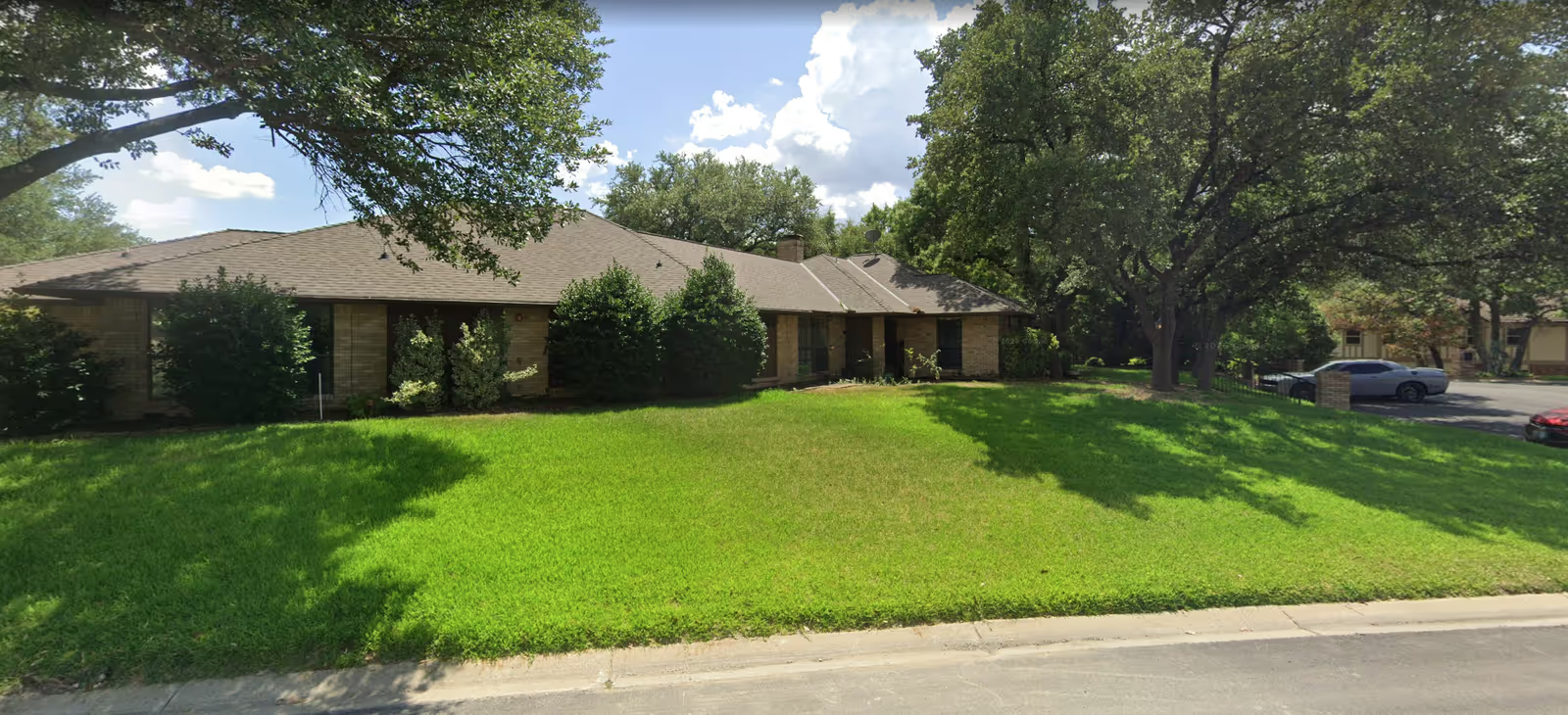
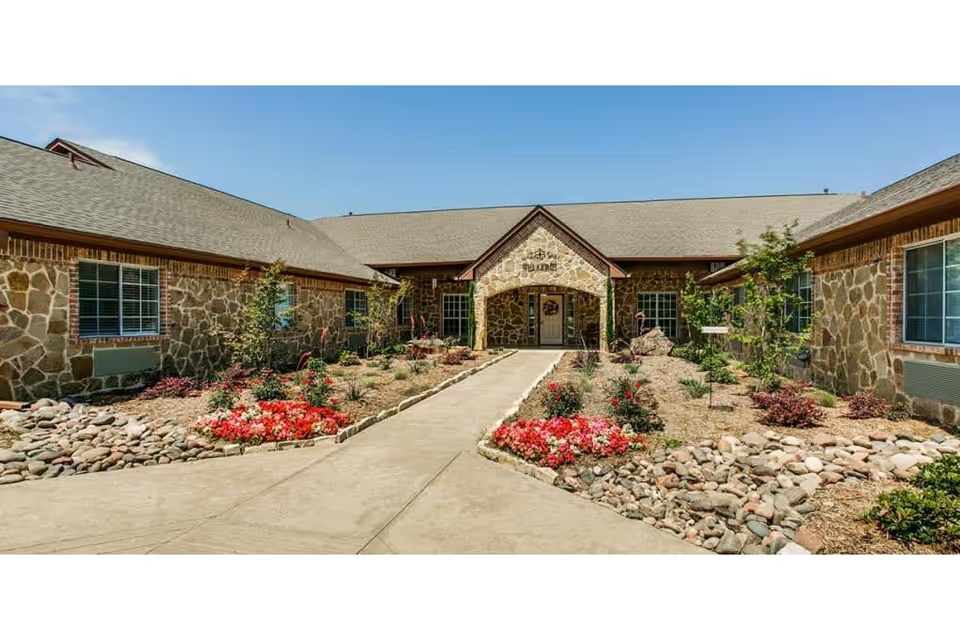
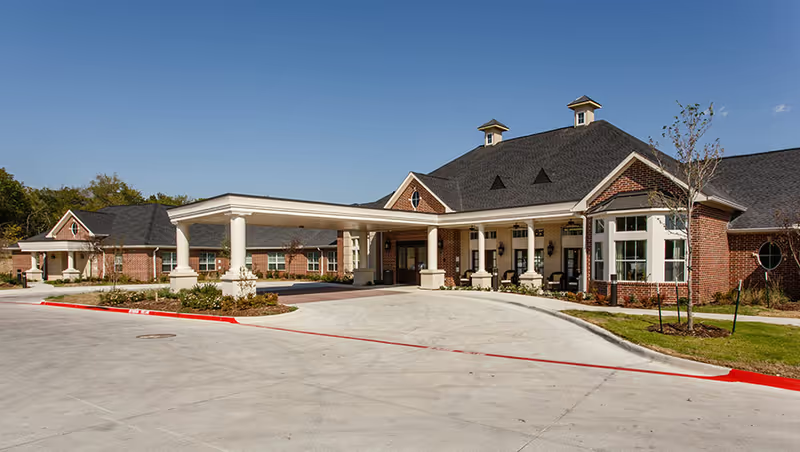
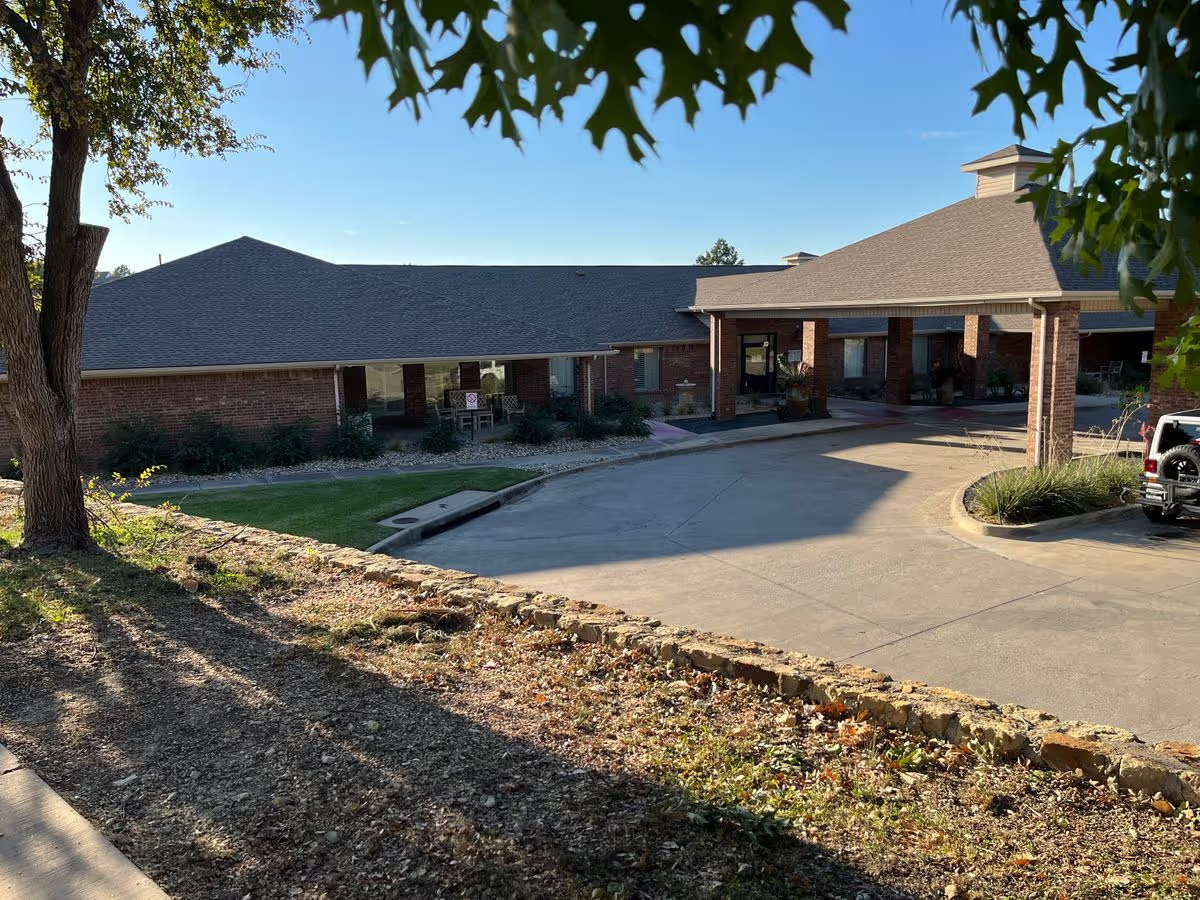
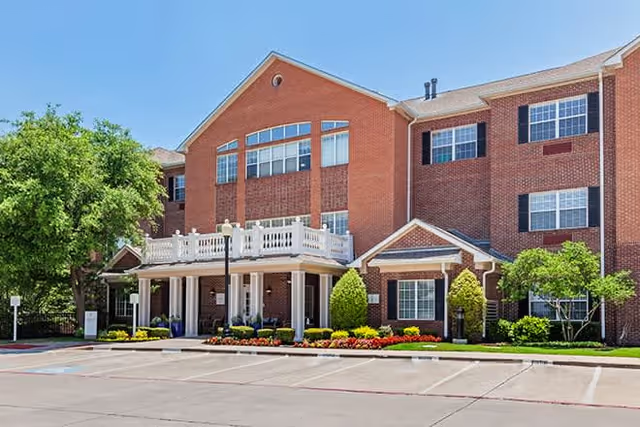
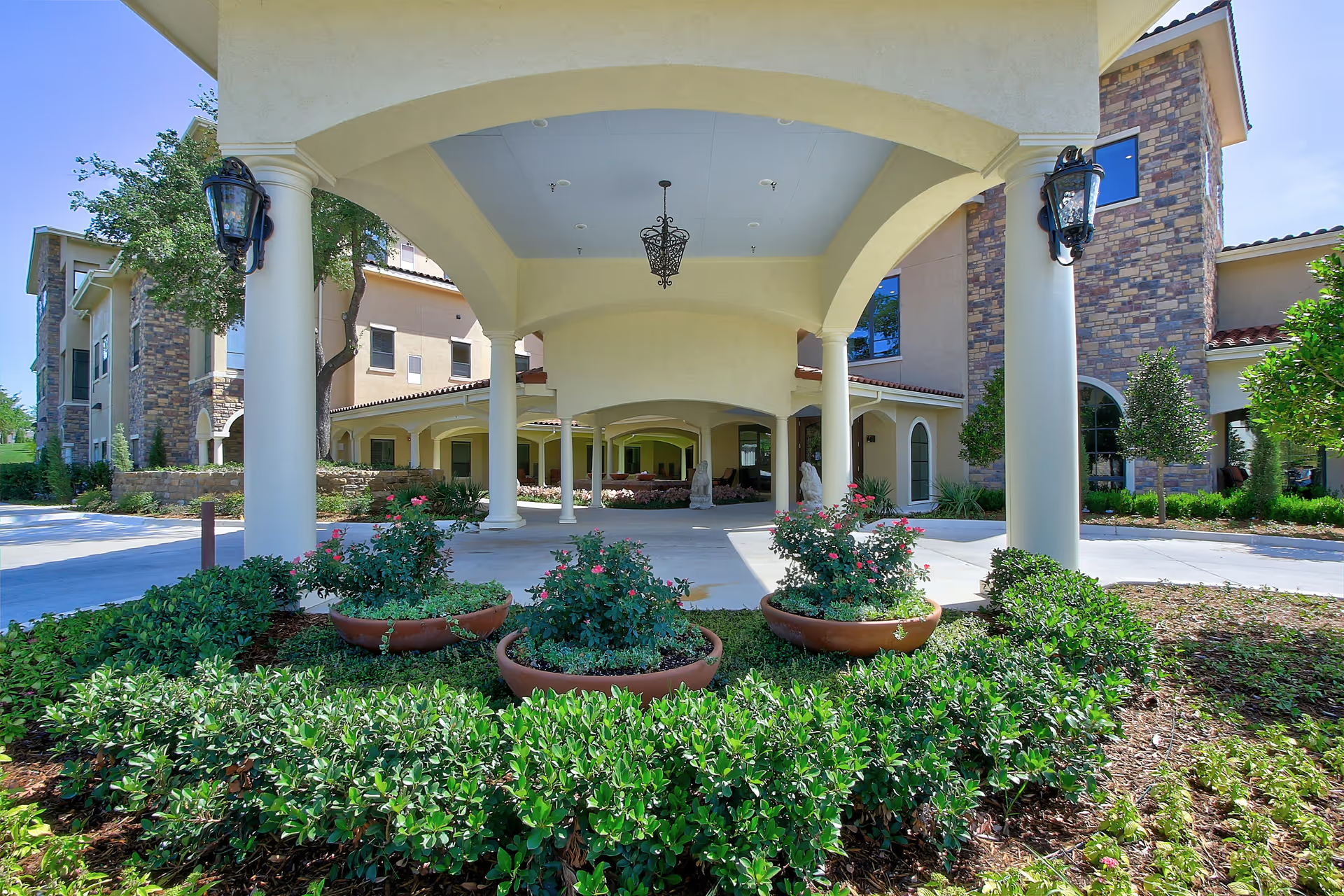
Legacy Oaks of Azle presents a mixed picture: the physical plant and lifestyle offering attract strong praise while operational and management patterns generate repeated concern. The community is frequently described as a modern, resort-like facility with well-appointed apartments, bright common areas, and a broad amenity set (pool, walking paths, bistro, fitness, pet services). Many reviewers emphasize a warm social atmosphere, active programming, visible activities staff, and a high level of cleanliness and presentation in public spaces.
Frontline caregiving and hospitality staff are commonly singled out as a core strength. Numerous families and residents describe compassionate, patient caregivers, prompt assistance after falls, attentive housekeeping, and staff who build rapport with residents. Activity leadership and community-relations personnel receive repeated commendation for events, outings, and consistent resident engagement. These human factors are often credited with improving residents’ daily quality of life and social participation.
Dining and programming show both strengths and variability. When fully staffed with an experienced culinary team, the dining experience is described as restaurant-style, attractively presented, and enjoyable. The activity calendar includes exercise classes, themed events, live music, and occasional outings. At the same time, reviewers also describe intermittent declines in meal quality and service continuity after culinary staff turnover, delays or shortages in dining service, and limited accommodation for special diets or diabetes management. Transportation and off-site activity options are present but constrained by scheduling and staffing.
Repeated operational shortcomings are a salient pattern. Multiple reviewers describe construction and building-systems problems (plumbing, water/temperature control, elevator and utility reliability) and extended timelines for repair. These infrastructure failures, combined with high frontline turnover and staffing shortages, appear to have strained day-to-day operations and continuity of care. Several families raised concerns about medication administration, clinical oversight, and timeliness of clinical responses; some reviewers also referenced ombudsman involvement and state regulatory citations, which prospective families should review directly.
Management and corporate-level communication are other recurring themes. Reviewers note frequent leadership changes, departures of key staff (including culinary and executive staff), and a perception that corporate responses can be generic or slow. Financial concerns arise from rent increases, community fees, and additional charges that reviewers say affect perceived value. These patterns have contributed to uneven experiences: while some residents and families rate the community very highly, others decided to leave because of operational or clinical gaps.
For prospective residents and families: the facility offers strong environmental and social assets plus many dedicated direct-care staff, but the pattern of infrastructure problems, staffing instability, and communication gaps warrant careful due diligence. Recommended questions include: recent state inspection reports and corrective actions, current staffing ratios and turnover metrics, contingency plans for utilities and elevator outages, written policies on medication management and incident reporting, menu accommodations for special diets, and a clear breakdown of fees and expected increases. Touring the community during a mealtime and on a day with activities, speaking directly with current residents and the ombudsman, and requesting documentation about recent repairs and staffing stability will help families weigh the notable strengths against the operational concerns documented by multiple families.