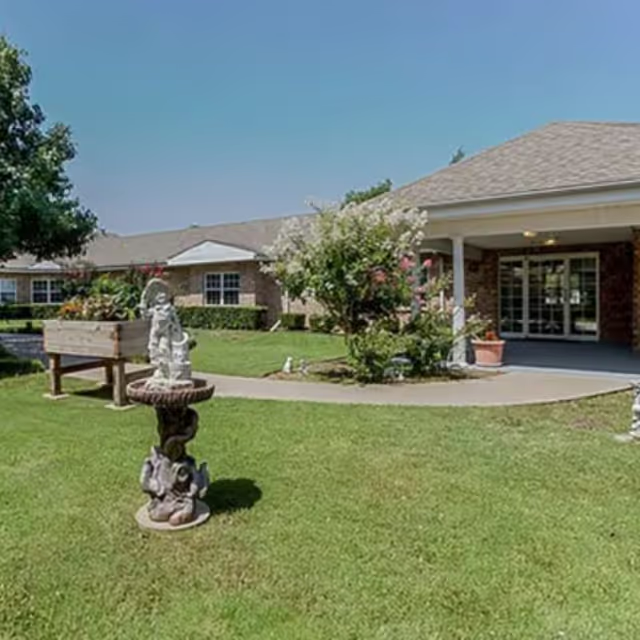
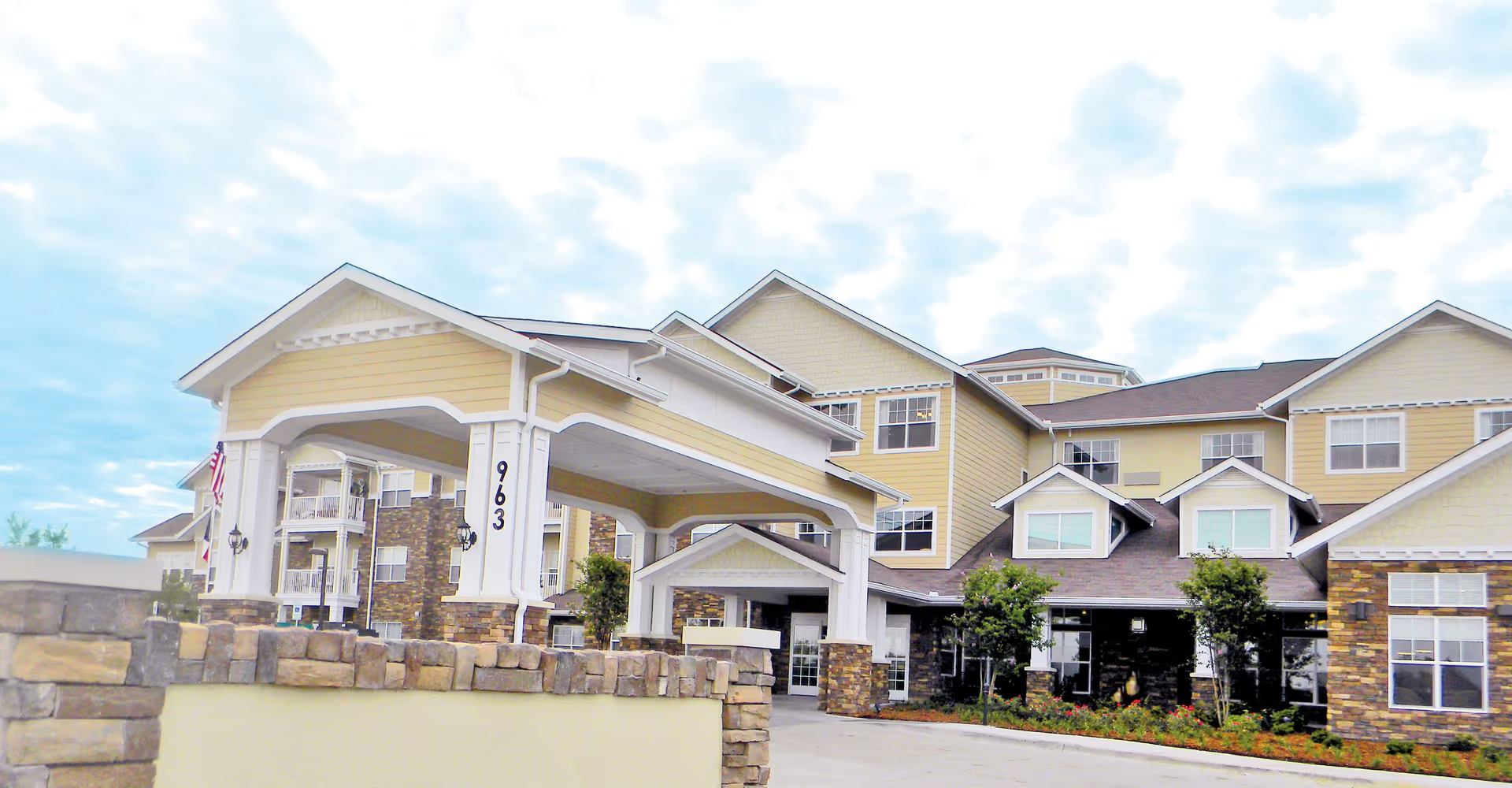
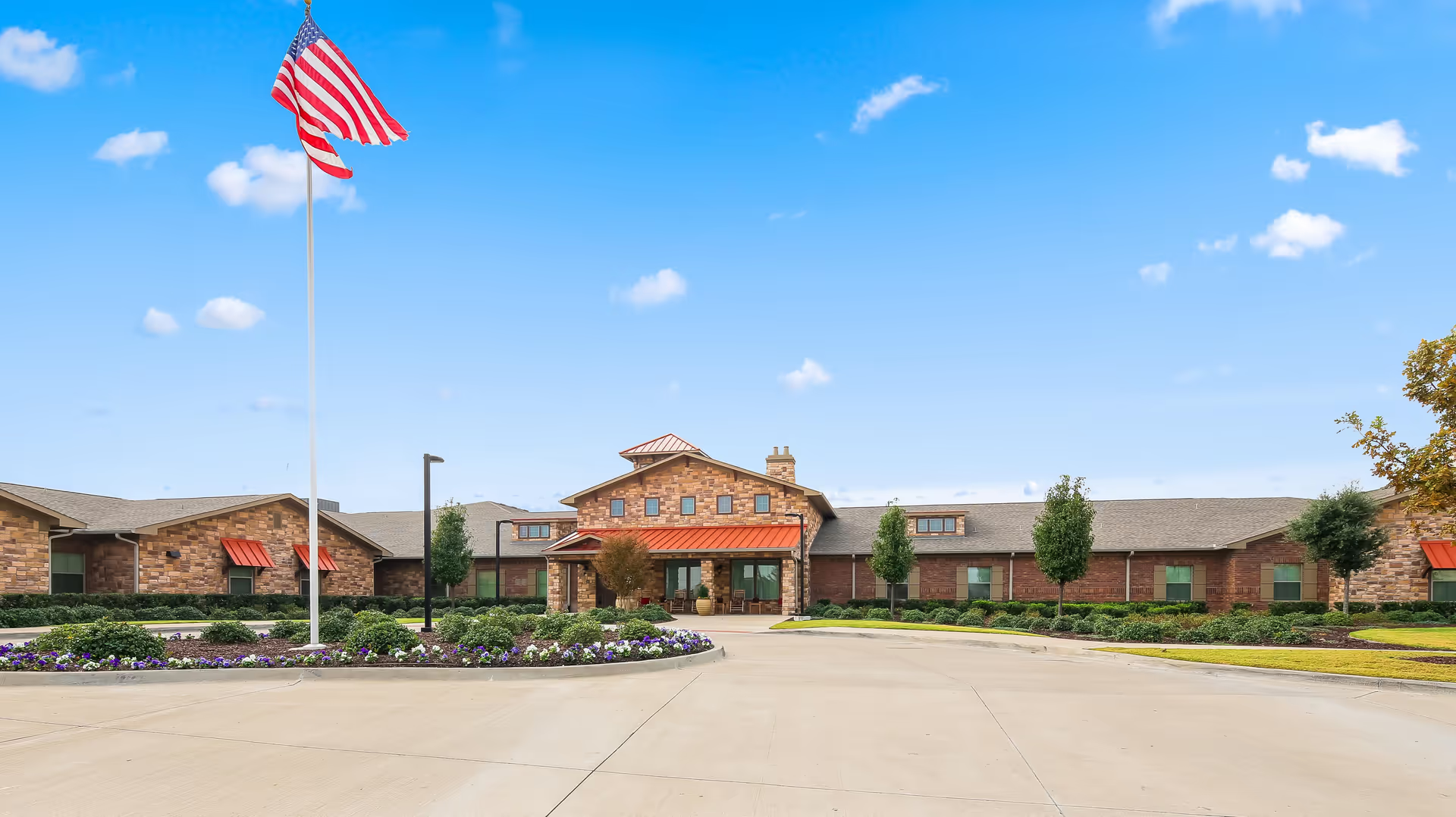
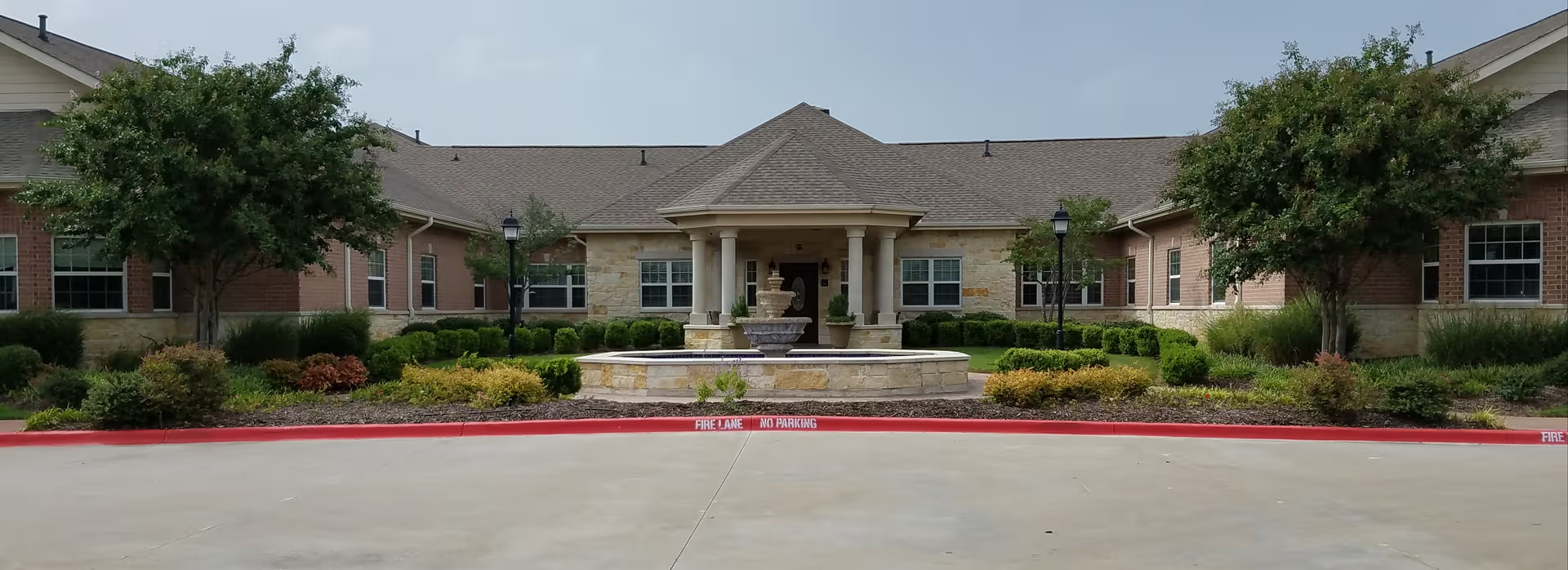
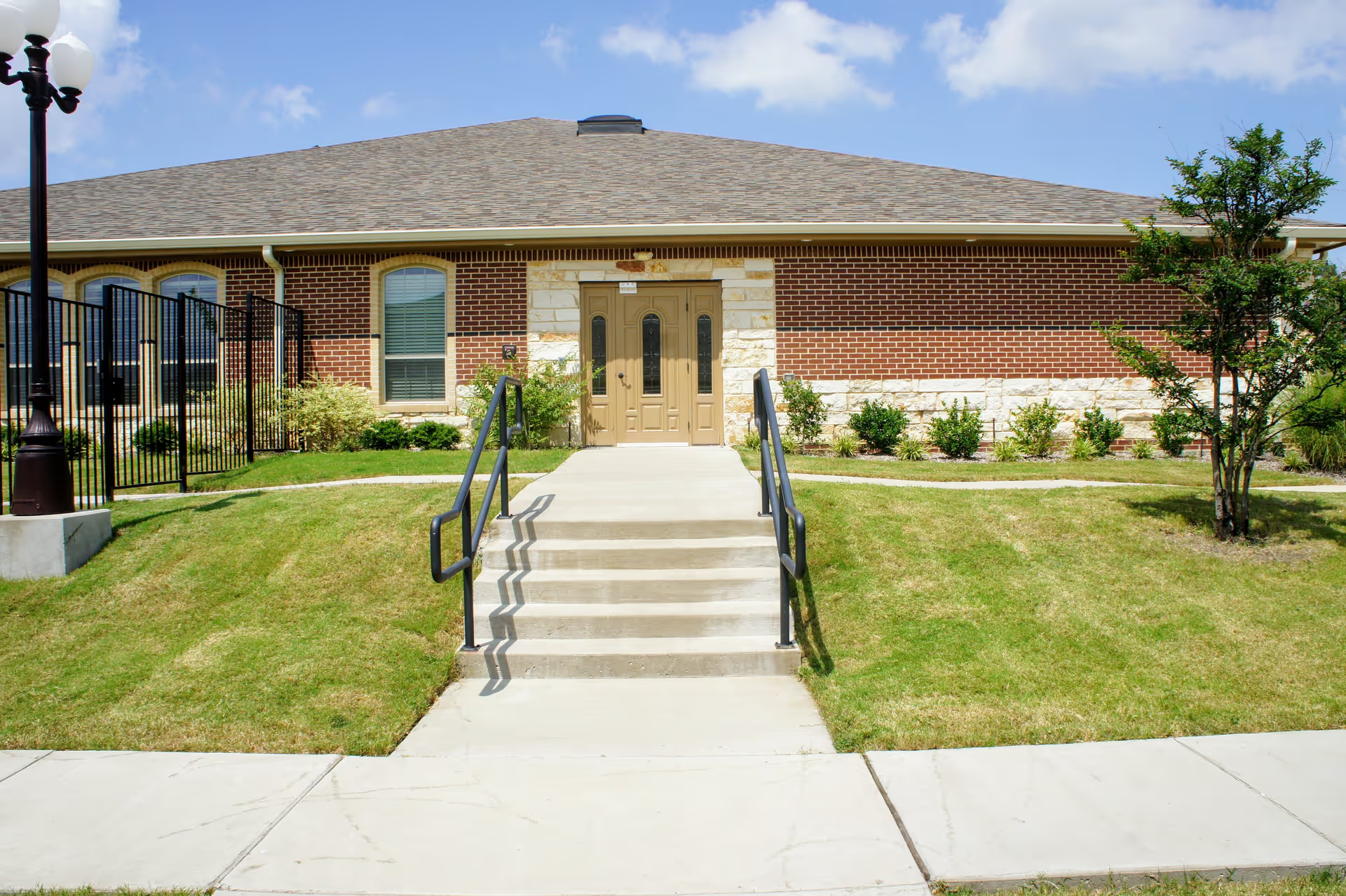
The reviews describe a very small, home-like assisted living setting with clear strengths and notable operational risks. Positive comments emphasize the facility’s small residential size, which reviewers say allows for individualized, one-on-one attention and a personable, home-like atmosphere. Several reviewers described staff as friendly, caring, and helpful, and the physical environment was characterized as well maintained.
At the level of care quality there are significant concerns that prospective families should investigate. Reviews raise issues around clinical oversight and responsiveness to acute medical needs, including examples of delayed or inadequate management of infections and of nutritional decline. There are also specific indications of problems with skin integrity management (pressure injuries) and nutrition monitoring; taken together these point to gaps in protocols for clinical assessment, wound care, and weight/nutrition surveillance.
Staff-related observations are mixed. Some reviewers highlight supportive, attentive caregivers and a named staff member described as particularly helpful. At the same time, other comments describe inconsistent staff training, variability in staff conduct and communication tone, and language barriers that can impede effective care and family communication. The small census can enable continuity of caregivers, but it may also limit on‑site clinical depth and backup staffing for complex needs.
Dining and daily living services show variability. Several reviewers described the food as low in nutritional quality or inconsistent, and one noted the absence of a formal meal plan. These accounts, together with reports of weight loss, suggest that nutrition planning, meal-service consistency, and monitoring of dietary intake merit direct inquiry during a tour. Activity programming was not widely described; in a home of this size individualized engagement is likely, but families should ask about structured social and therapeutic activities.
Facility maintenance presents a mixed picture: the interior is described as beautifully kept in some comments, yet there are also reports of inconsistent housekeeping practices such as untimely linen changes. Management and administrative concerns include communication shortfalls with families and at least one report indicating a billing or rent dispute; prospective families should clarify billing practices, contracts, and procedures for incident reporting. One reviewer referenced a resident death and expressed dissatisfaction with post‑event communication and decisions; this underscores the need to review the provider’s policies for escalation, family notification, and end‑of‑life planning.
Recommendations for families: visit multiple times, speak with direct-care staff and management about clinical oversight (including wound care protocols, nurse availability, and physician communication), request written nutrition and meal plans, review housekeeping and laundry schedules, confirm language support options, and obtain clear explanations of billing and admission policies. Because accounts vary widely, documentation of staffing, training, incident-response procedures, and recent health inspections will be useful in evaluating whether the facility’s small scale meets the prospective resident’s medical and support needs.