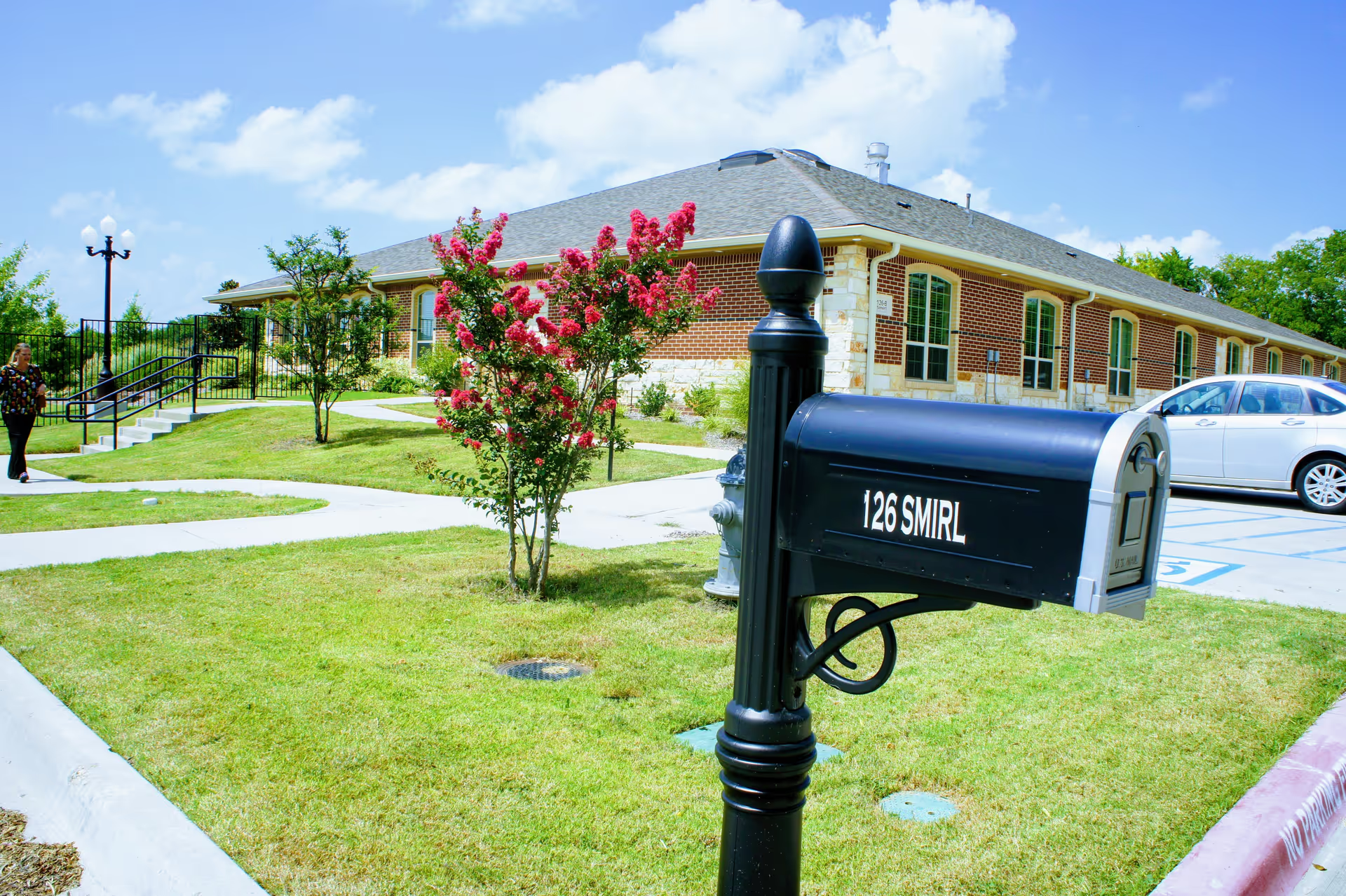
Reviews of Greenville Gardens present a mixed but clear pattern: the facility receives strong praise for hands-on caregiving and rehabilitation services, yet several operational and safety-related concerns are repeatedly raised. Many families highlight compassionate nurses, attentive CNAs, and a therapy department that produces meaningful recovery for residents. Staff members are often described as going above and beyond, and reviewers commonly note a welcoming, family-like atmosphere, engaging activities and outings, and well-prepared meals. Security technology such as picture-ID and facial-recognition systems is mentioned as a positive feature in some accounts.
In clinical and direct-care areas there are both strengths and weaknesses. Strengths include individualized medication approaches and a strong therapy/rehab program that helped multiple residents regain mobility and function. At the same time, reviewers report gaps in timely clinical responses — for example, delayed call-button responses and uneven monitoring — and specific concerns about pressure-injury management and unexplained weight loss. These items point to variability in day-to-day clinical follow-through and wound/nutrition oversight across units.
Staff and culture comments are polarized. Numerous accounts praise caring, hardworking nurses and aides who create a supportive environment and facilitate positive transitions. Conversely, there are repeated descriptions of inconsistent staff professionalism, indifferent behavior in certain units, and variable responsiveness to families. These inconsistencies are compounded by frequent leadership changes and management instability that families link to uneven practices and communication breakdowns.
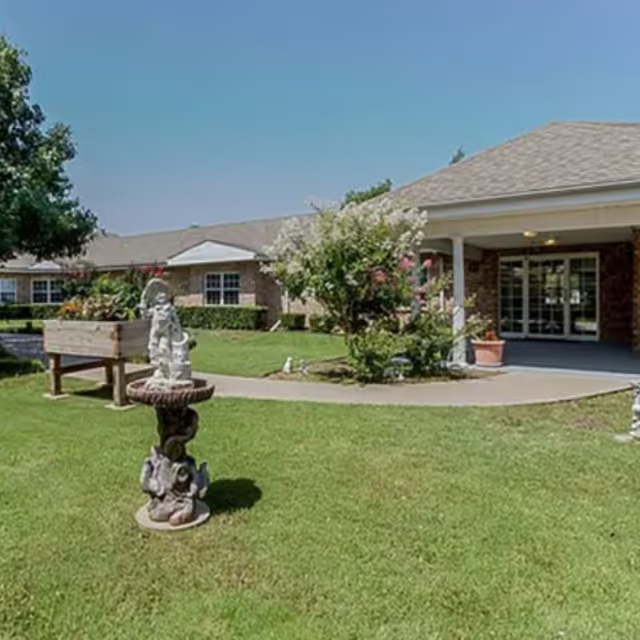
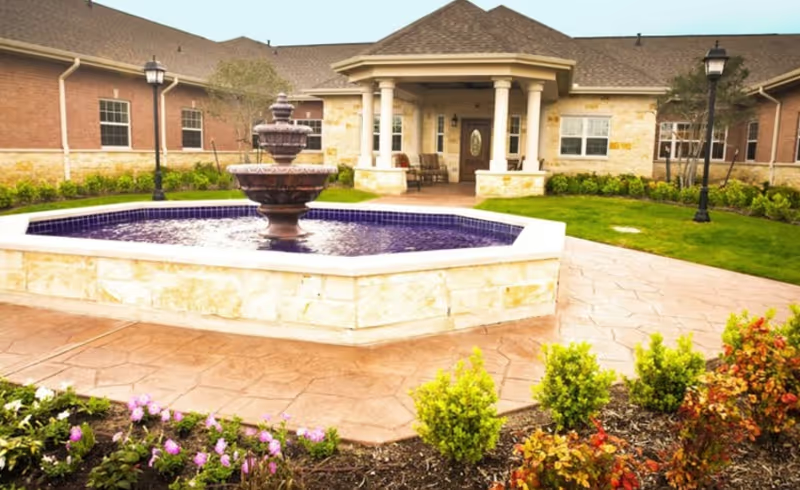
Facility condition and programming vary by unit. Several reviewers describe clean, well-kept areas and creative activity schedules (holiday outings, picnics, fishing), while others describe dated infrastructure, sanitation and odor concerns in specific areas, and worn furnishings in outdoor spaces. Activity programming appears robust in some units but sparse or absent in others, including secured dementia units. Security and personal-property controls are a concern for some families: there are allegations of missing belongings and related frustration with how such incidents were handled.
Management and communication present recurring themes. Families report difficulty obtaining timely updates, phone-line or callback failures, inconsistent visitation policies during infection-control events, and dissatisfaction with how property and clinical incidents were addressed. Taken together, these patterns suggest that prospective residents and families should evaluate unit-level staffing and oversight, clarify roommate-assignment and language-accommodation procedures, confirm call-response and monitoring arrangements, review wound- and nutrition-management practices, and ask about property-protection policies during a tour.
Overall, Greenville Gardens demonstrates notable strengths in caregiving, rehabilitation, and an active social environment in many parts of the facility, but those positives coexist with variability in staff conduct, operational consistency, facility maintenance, and communication. A careful, unit-specific assessment is recommended for families considering placement so they can verify conditions and safeguards that matter most to their loved one.