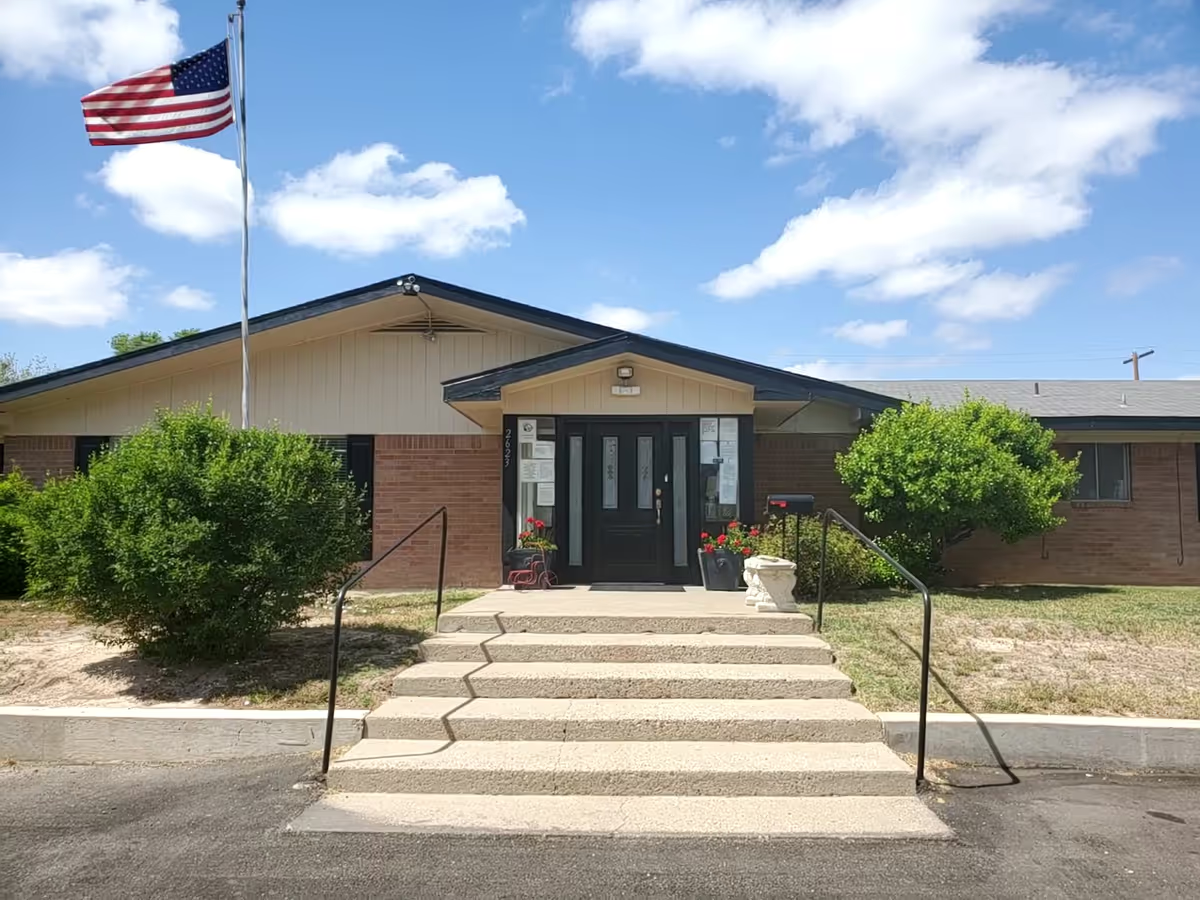
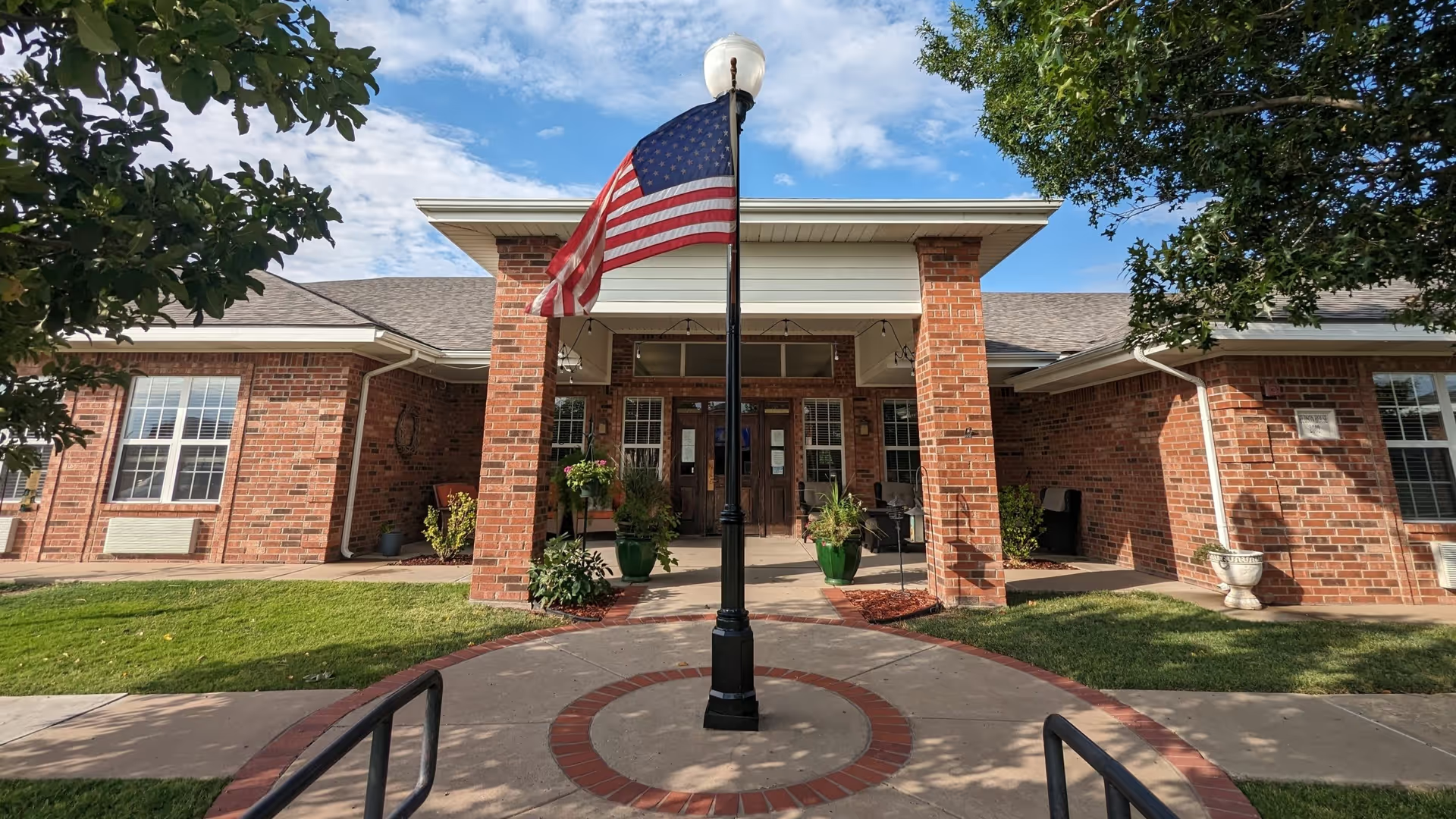
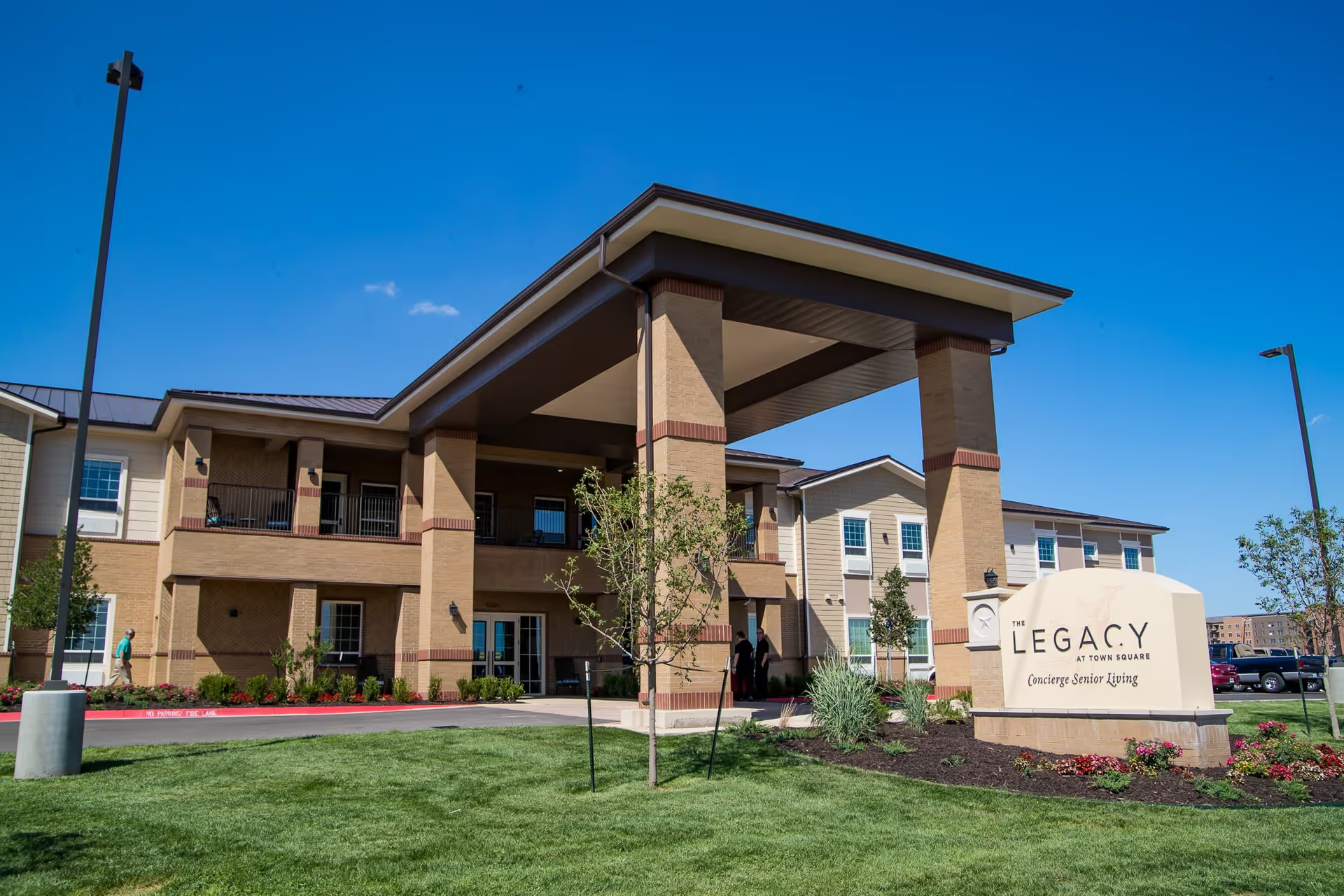
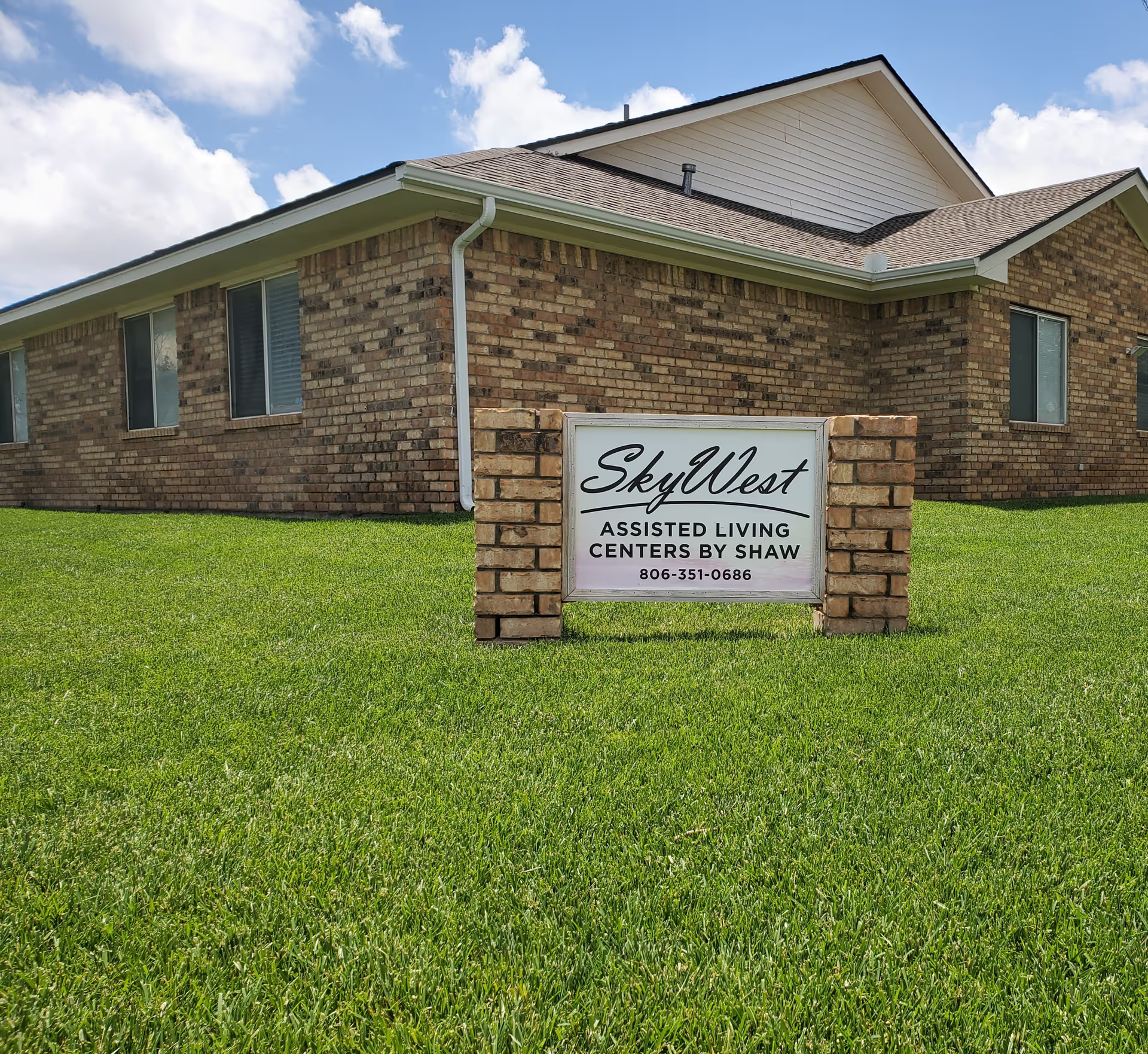
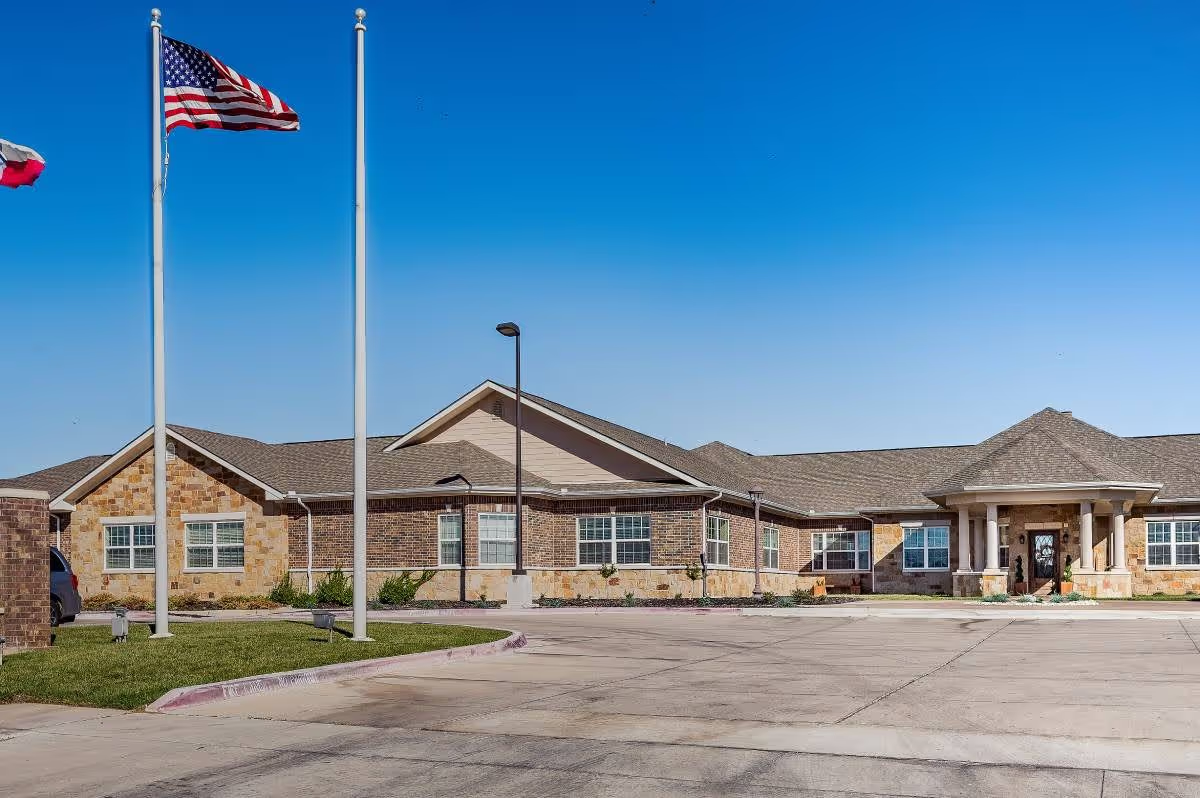
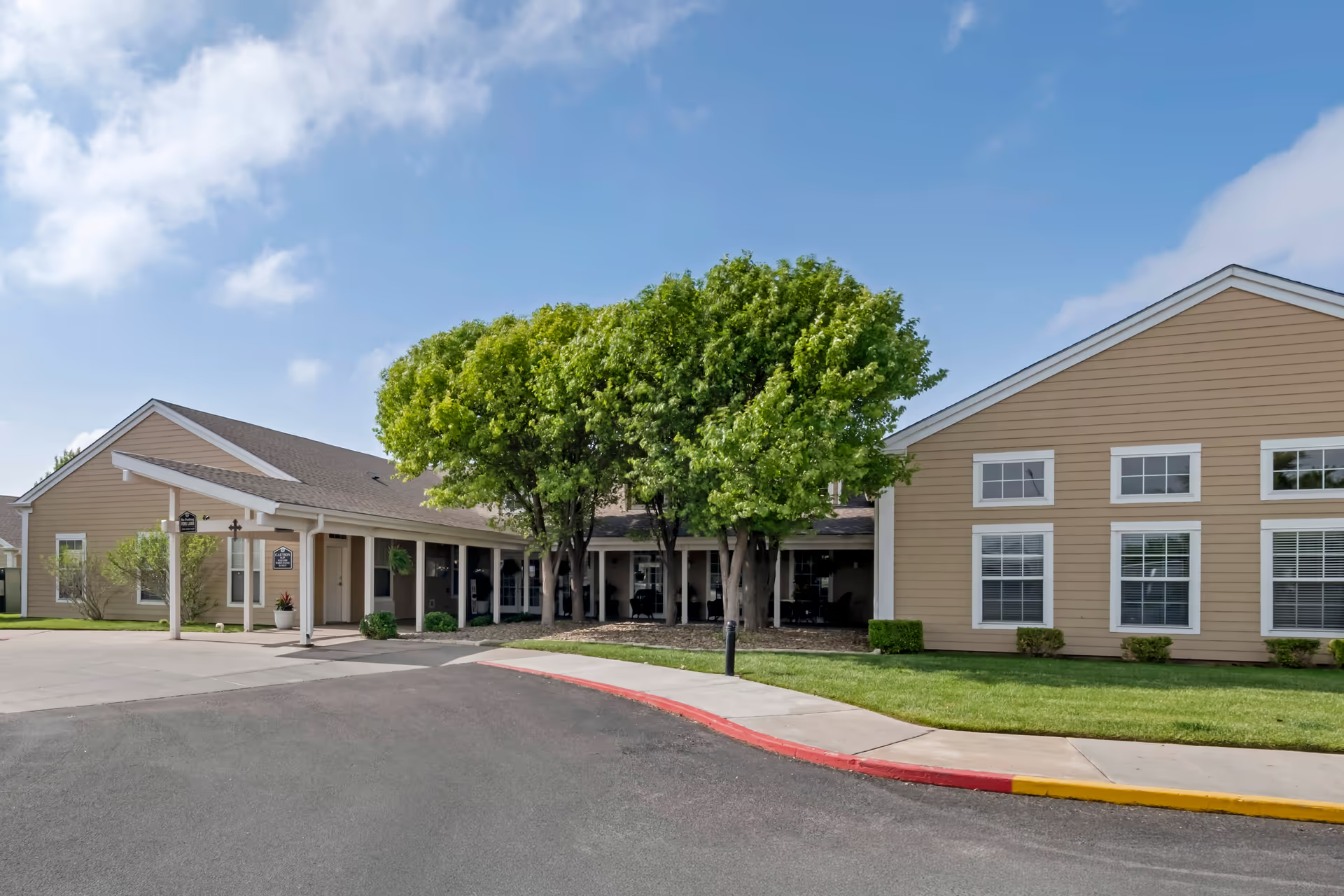
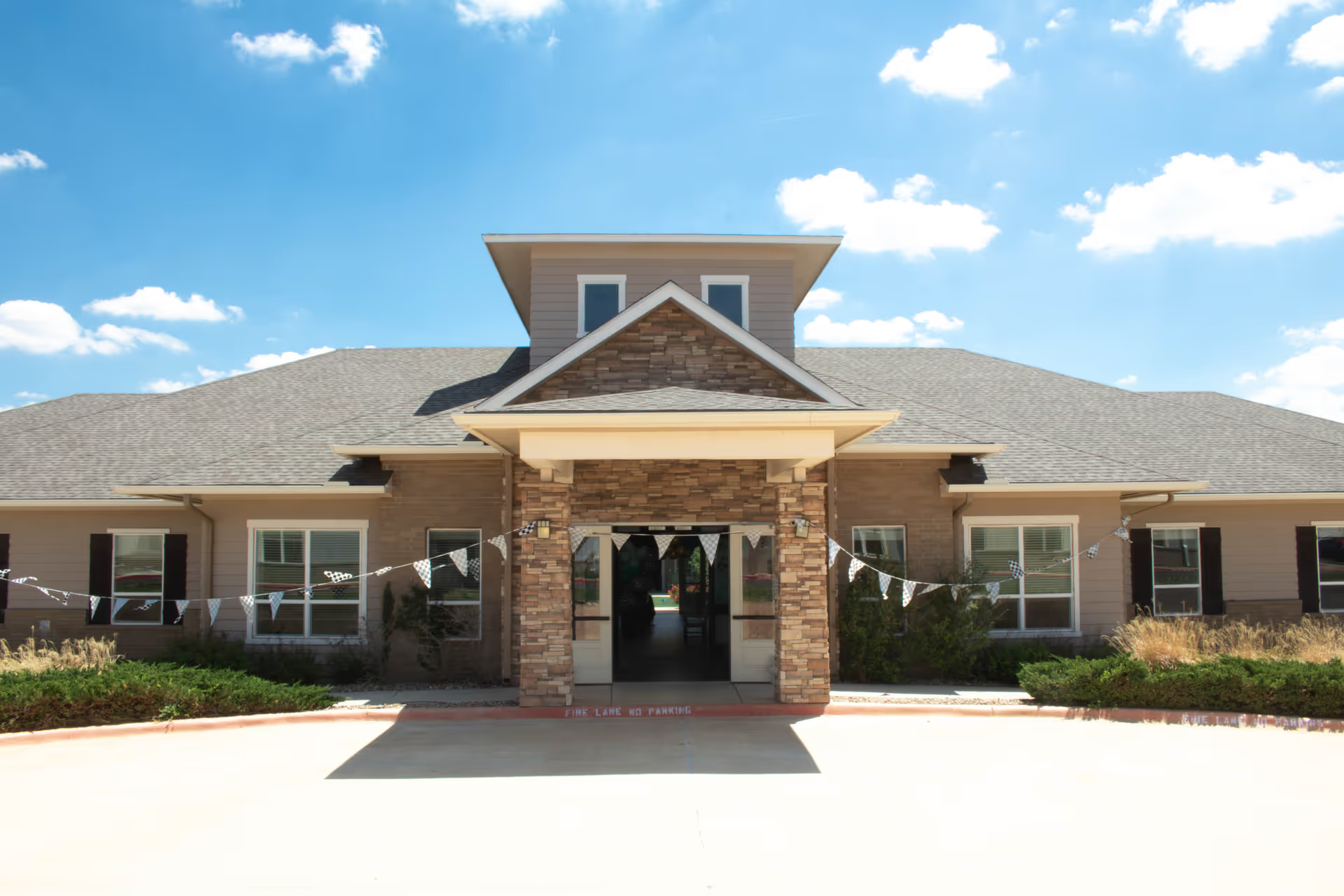
Overall impression: Reviews for Hereford Nursing & Rehab are mixed, with a clear split between families who describe attentive, accommodating care and others who describe operational gaps that affected a resident's experience. Several reviewers praised individual caregivers and management, while other accounts raised substantive concerns about care consistency, administrative practices, and responsiveness.
Care quality: Positive comments highlight helpful bathing assistance (regular showers noted), assistance with toileting/incontinence needs, and staff who respond quickly to questions. However, other reviewers described inconsistent personal-hygiene care and declines in mobility or skin integrity, which suggest gaps in ongoing clinical monitoring and transfer-safety practices. There are also concerns about delayed attention in urgent situations; prospective families should ask about skin-check protocols, repositioning schedules, and the facility's process for escalating clinical changes.
Staff and responsiveness: Many reviewers named specific staff members and characterized frontline caregivers as friendly and receptive. At the same time, other feedback indicates variable staff professionalism and responsiveness, including staff being occupied with personal devices or slow to attend to requests. This mixed pattern points to uneven performance across shifts or units rather than a uniformly poor or uniformly excellent staffing profile.
Dining and nutrition: Dining impressions range from positive—hospital-style meals, acceptable tray service, and willingness to accommodate substitutions—to negative characterizations of poor-quality food. That variability suggests meal quality and satisfaction may depend on specific meal times or individual expectations. Families may want to sample meals and ask how dietary preferences and substitutions are handled.
Activities and social environment: Review content included references to a positive resident atmosphere and a generally caring culture. Few reviews provided detailed information about structured activities or engagement programs, so activity offerings should be confirmed during a visit.
Facilities and housekeeping: Clean rooms and bathrooms and an on-site laundry service were noted as strengths. At the same time, some reviewers raised odor and incontinence-care concerns tied to inconsistent hygiene attention; this indicates that while physical facilities and laundry operations can be adequate, operational follow-through on personal care can vary.
Management and administrative issues: Management received praise in several accounts for prioritizing resident care; however, there are serious administrative concerns raised elsewhere, including billing disputes, abrupt Medicare-related discharges, and allegations of inappropriate administrative conduct. These are significant enough to warrant verification — ask for written billing policies, Medicare-transition procedures, and examples of recent abridged discharges. If applicable, request copies of the most recent state inspection and any corrective-action plans.
Notable patterns and recommendations: The overall pattern is one of polarized experiences — some families report compassionate, responsive care while others report operational inconsistencies that directly affected resident comfort and safety. Prospective residents and their families should tour the facility, meet direct-care staff, observe a shift change if possible, request meal samples, and ask specific questions about bathing schedules, incontinence protocols, skin checks, transfer safety, staffing ratios, emergency-response procedures, and billing/discharge policies. Reviewing state inspection reports and speaking with current resident families can help clarify whether the facility's strengths align with your priorities.