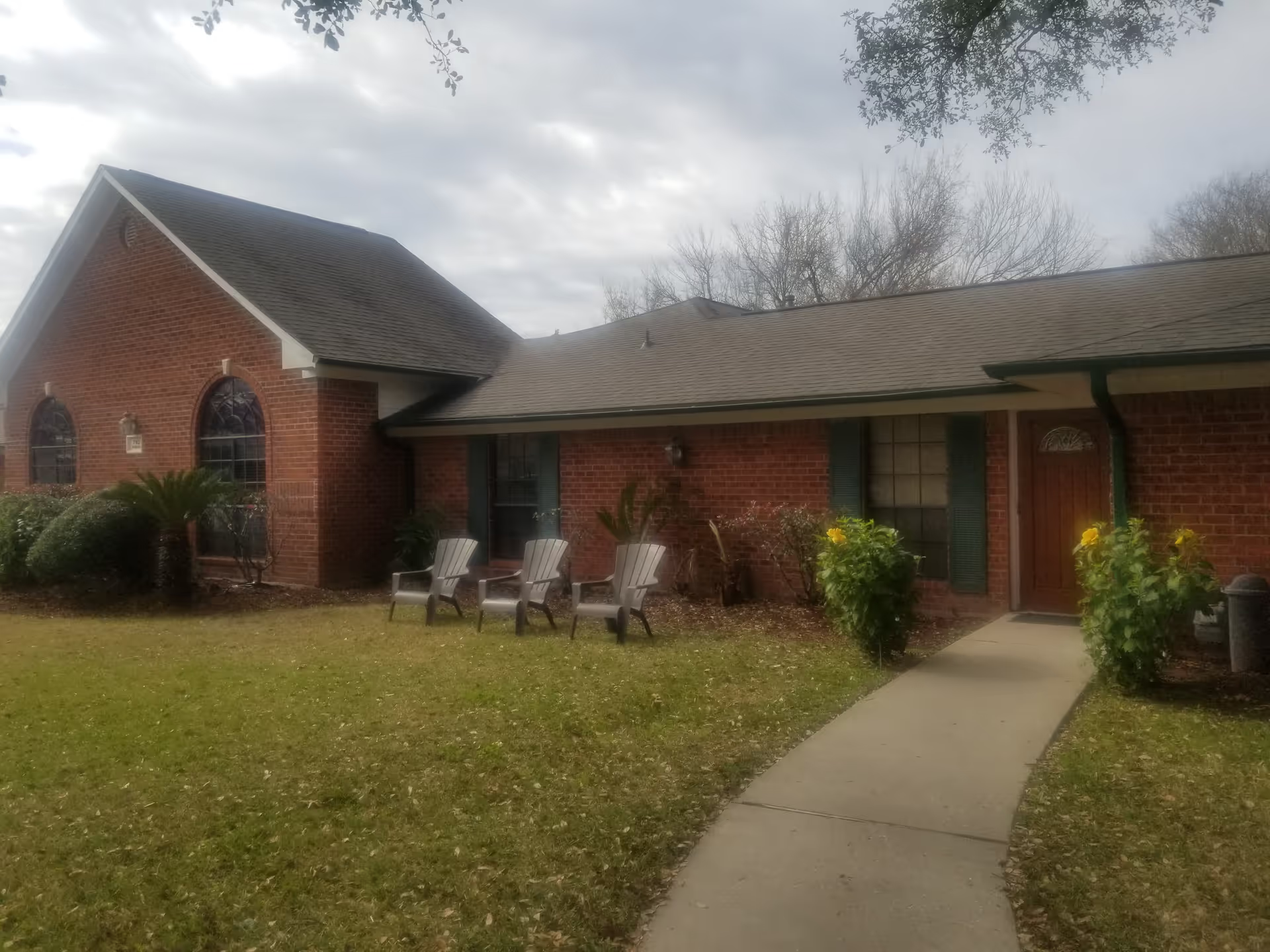
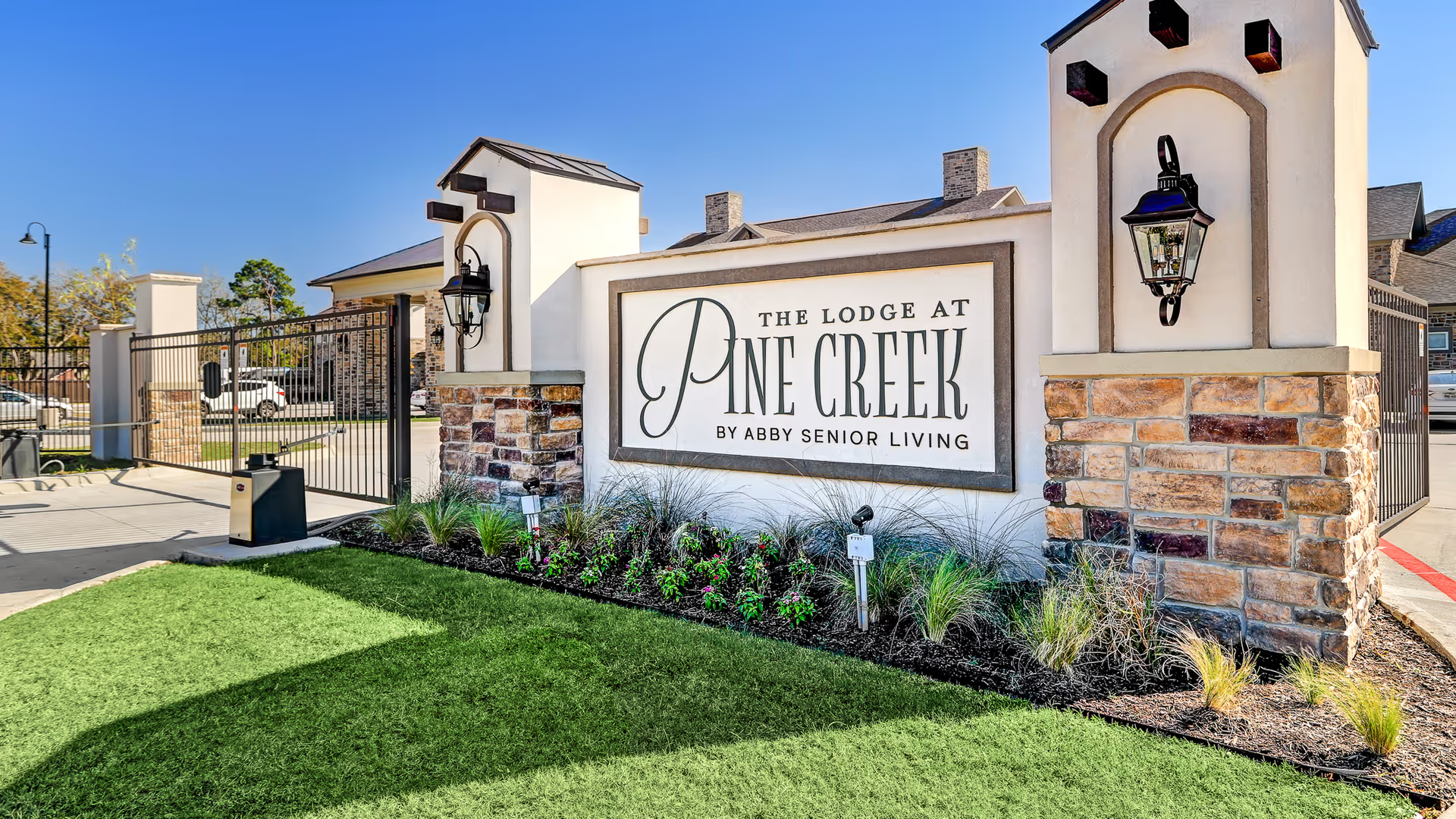
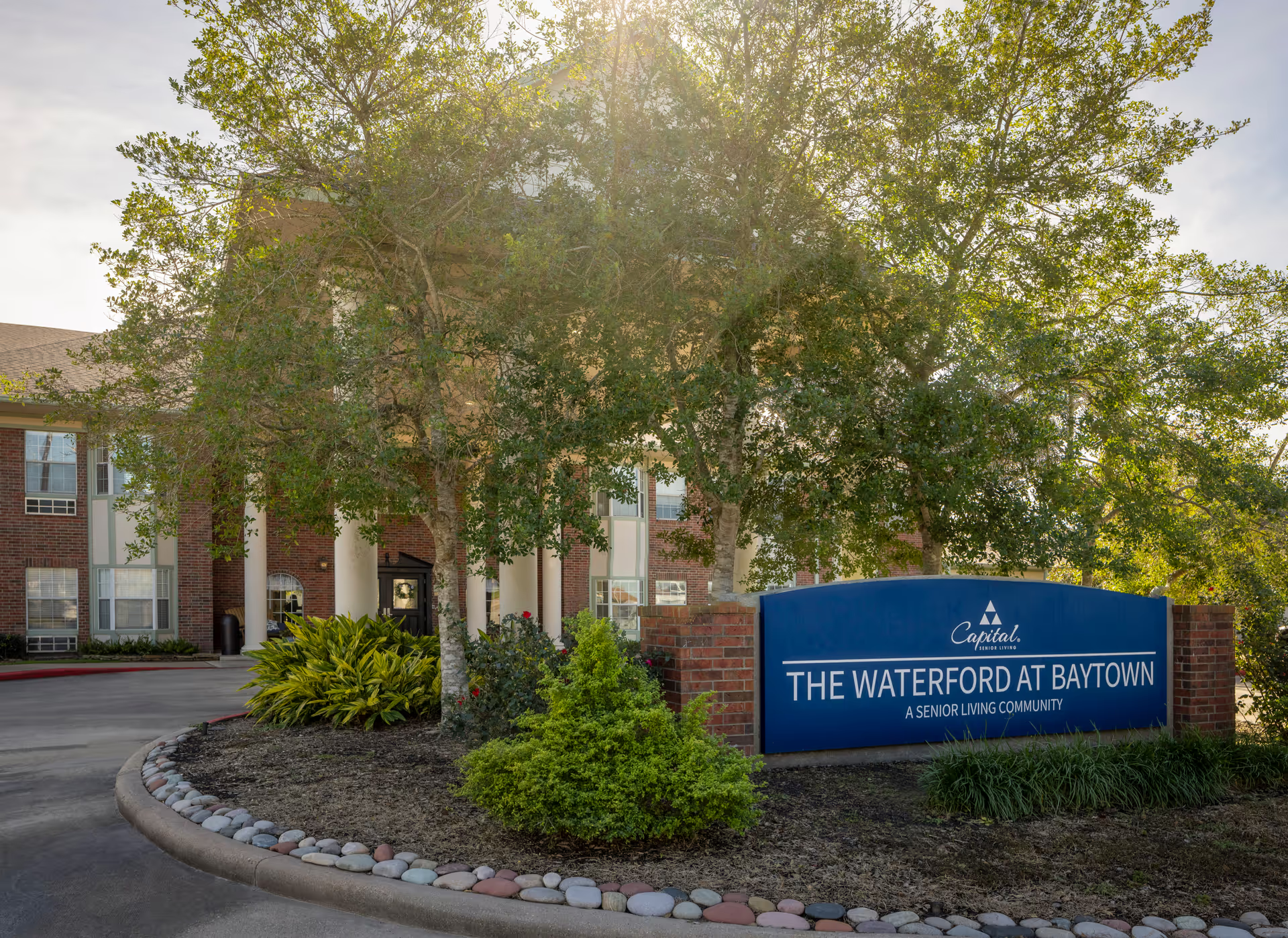
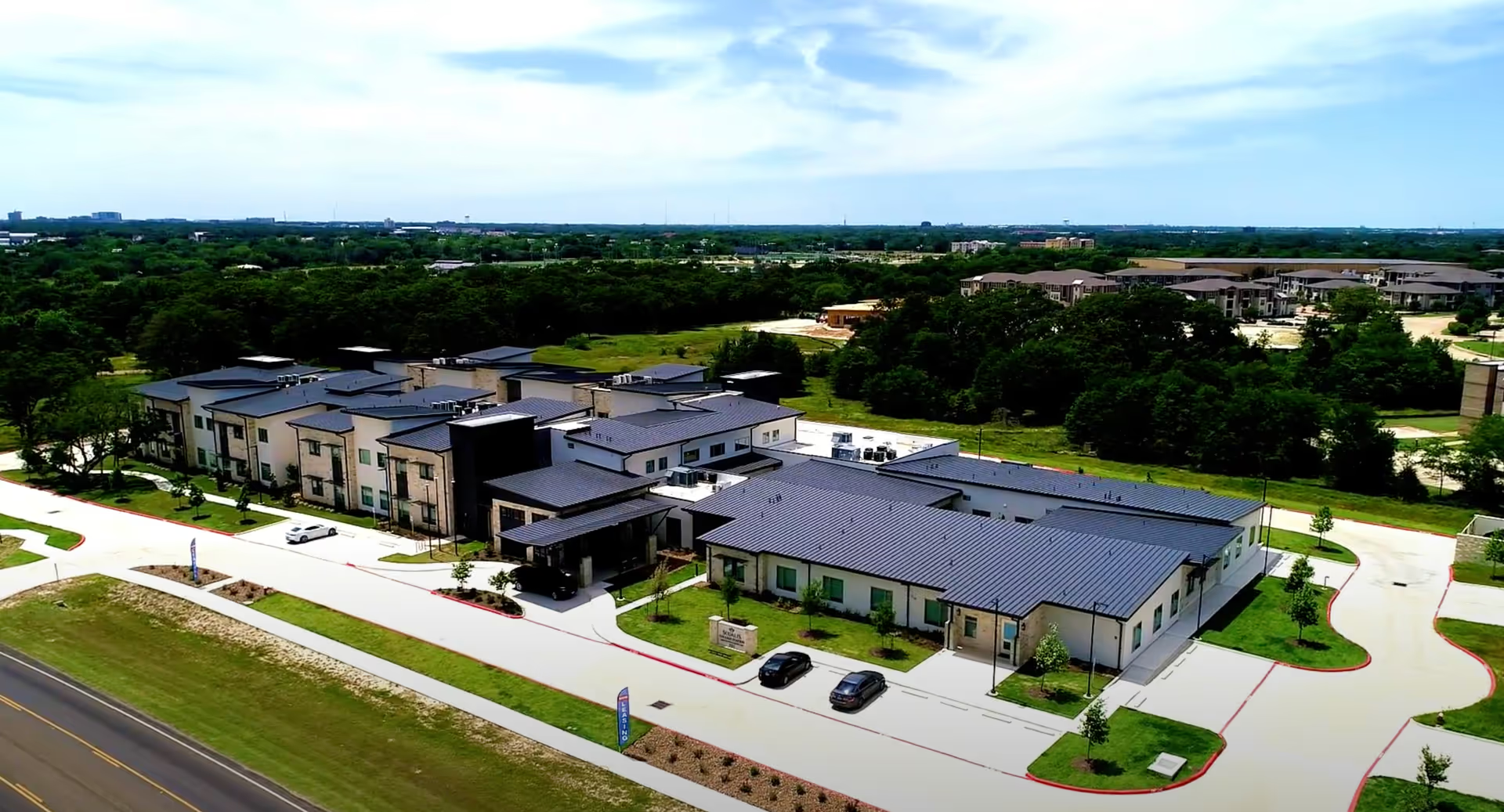
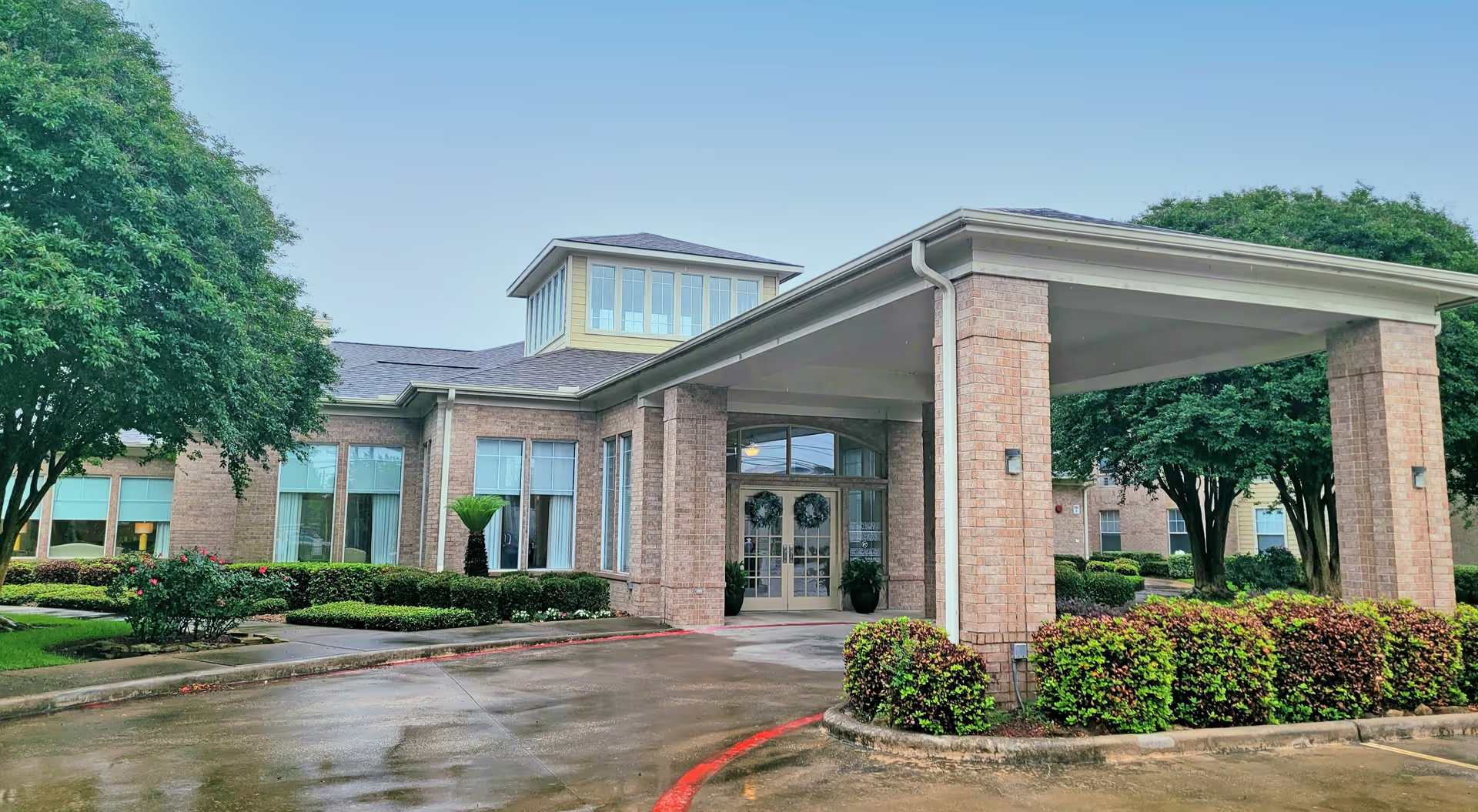
Overall impression: Reviews present a mixed but informative picture. Many comments emphasize a small, home-like setting with staff who come across as caring and personable; residents and families describe positive social interactions, a sense of being part of a family, and satisfaction with the facility’s affordability and non-profit status. At the same time, several operational concerns appear that could affect consistency of care and the resident experience.
Care quality and staff: Several reviewers praised direct-care interactions, describing staff as helpful, attentive, and emotionally supportive. That positive interpersonal environment is a clear strength and appears to contribute to residents feeling cared for and socially engaged. However, the reviews also include strong statements about high staff turnover and problematic staff-management relations. Those comments suggest variability in staffing continuity and morale, which can translate into inconsistent care schedules and handoff challenges. Prospective families should ask about current staffing ratios, average tenure, training practices, and how leadership addresses retention and staff concerns.
Dining and clinical services: Review content contains little specific information about meals or clinical/nursing services. There are no detailed descriptions of food quality, dietary accommodations, or clinical care processes in the summaries provided. This lack of detail is itself a practical consideration: assessors should request menus, sample meal plans, and documentation of clinical oversight (licensed nursing availability, medication management protocols) when evaluating the community.
Activities and social programming: The facility offers a range of social activities noted by reviewers, including Bingo, games, arts and crafts (supported by volunteers), and gardening. These offerings support socialization and leisure engagement and are consistent with a small, home-like model. At least one comment characterized the activities as present but not especially robust, suggesting program depth and variety may be limited compared with larger communities. Clarify the weekly activity calendar, volunteer involvement, and opportunities for outings or library visits.
Facilities and location: The physical setting is described as small and residential in character, with private bedrooms but shared restroom arrangements. Some reviewers noted that appearance and maintenance could be improved, indicating cosmetic or upkeep needs in common areas. The location is convenient to a nearby library and main roads, which supports accessibility and community engagement. Ask to tour multiple rooms and common spaces to evaluate cleanliness, maintenance standards, and the layout of shared facilities.
Management and notable patterns: Cost and transparency were cited positively—comments referenced low cost, affordability, and no hidden fees under non-profit ownership. Conversely, at least one reviewer called for major management changes, citing leadership and morale problems; this paints a picture of uneven operational leadership that may influence staff retention and consistency of care. When evaluating this community, request documentation on turnover rates, recent inspections or corrective actions, leadership tenure, and how the management addresses family concerns.
Bottom line: Mountbatten House appears to offer a small, affordable, home-like environment with caring direct-care staff and basic activity options, but prospective residents and families should probe staffing stability, management practices, facility maintenance, and clinical/dining details to ensure the community’s operational characteristics match their expectations.