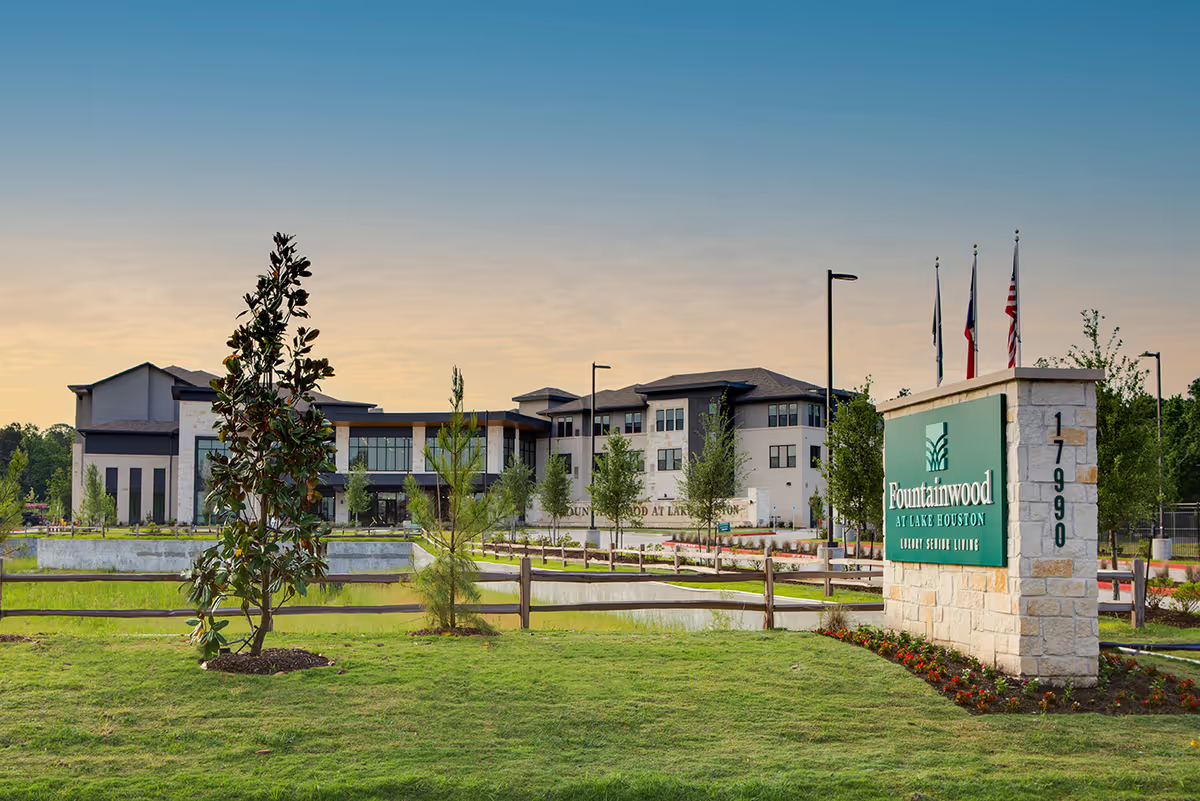
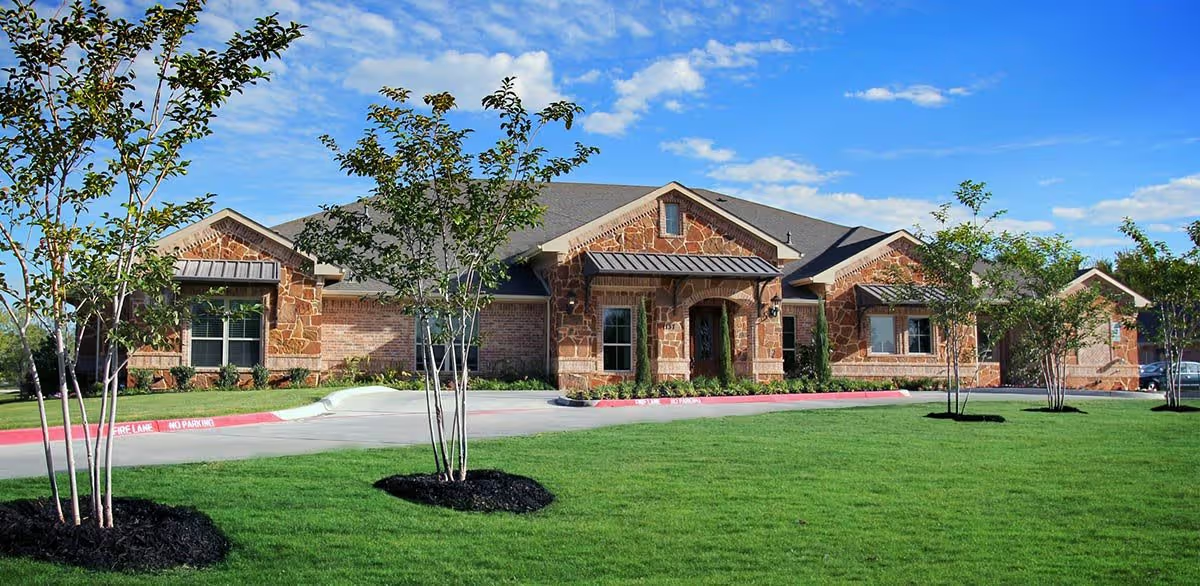
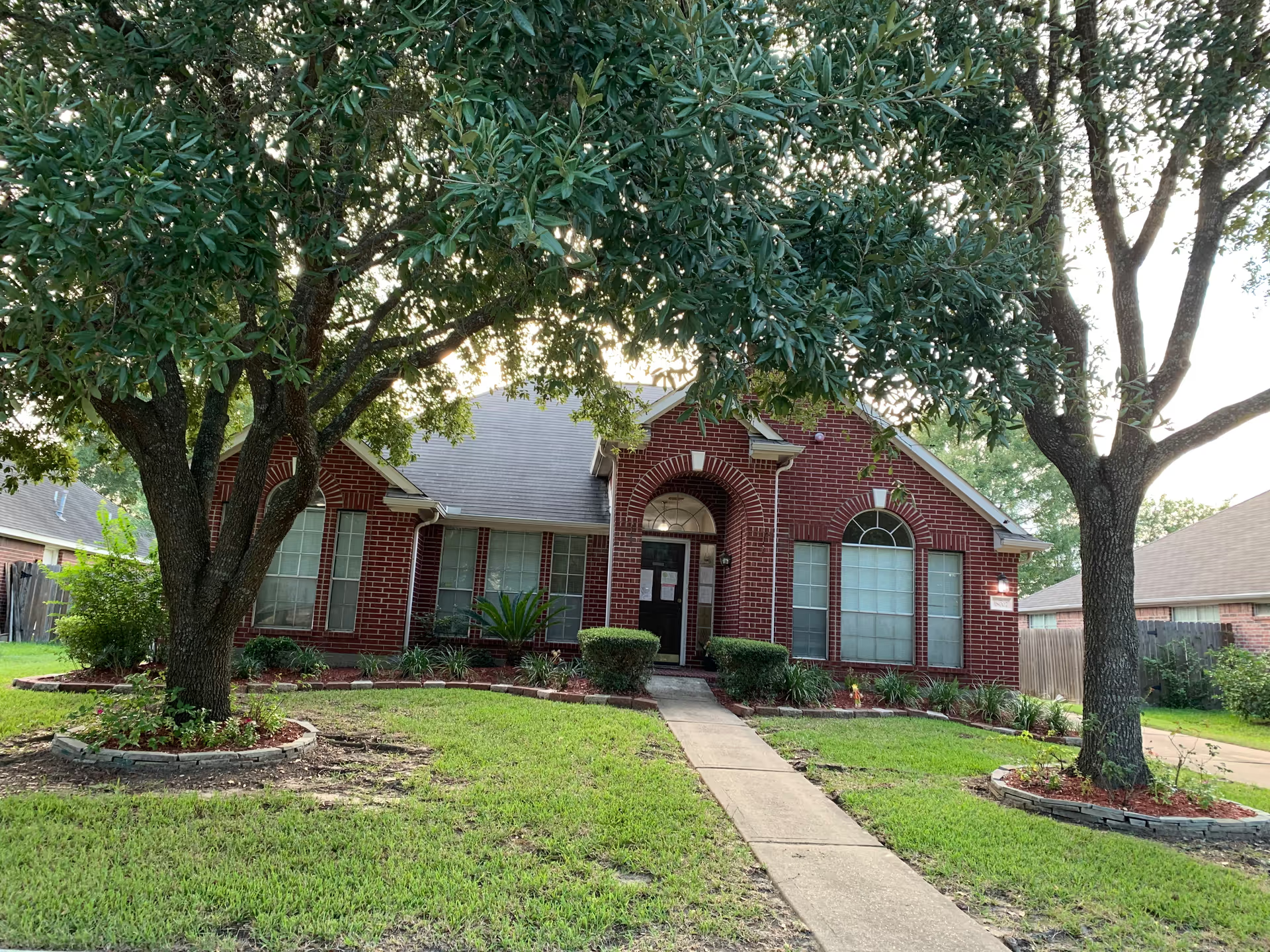
Overall impression: Reviewers describe a facility with many strengths in direct resident care and family communication, alongside recurring operational inconsistencies. Nursing, therapy, and direct-care aides are frequently characterized as attentive, compassionate, and knowledgeable; families often cite clear communication from staff and management and praise specific clinical services such as rehabilitation, oxygen therapy, and in-room care. The facility environment is commonly described as clean, hotel-like, and pleasant, and activities programming (including live music) and social-work support are appreciated.
Care quality and clinical services: Clinical staff receive consistent positive feedback for bedside manner and clinical competence, and the therapy team and therapy director are repeatedly noted as helpful and effective by many families. However, there is variability in rehabilitation outcomes—some families felt therapy was very good, while others questioned its effectiveness. There are also concerns about medication administration and documentation consistency; isolated but significant incidents were described that point to gaps in medication management processes and in clinical incident communication.
Staffing and responsiveness: A prominent pattern across reviews is inconsistent staffing coverage, particularly during nights and weekends. This staffing variability is linked to delays in responding to call bells and resident requests and to delayed assistance with continence care. While many reviewers emphasize that nurses and aides try to be responsive and caring, the operational shortfalls in staffing levels appear to produce uneven resident experience and occasional lapses in timely attention.
Dining and activities: Dining receives mixed feedback. Some families describe meals as good or fine, and the facility offers flexible options such as in-room dining and familiar items (pizza, burgers). Other comments note unsatisfactory dinners, portioning issues, and limited culturally appropriate choices for residents who do not prefer American-style food. Activities are generally a positive element, though residents with limited mobility or who are bedbound may be unable to participate fully.
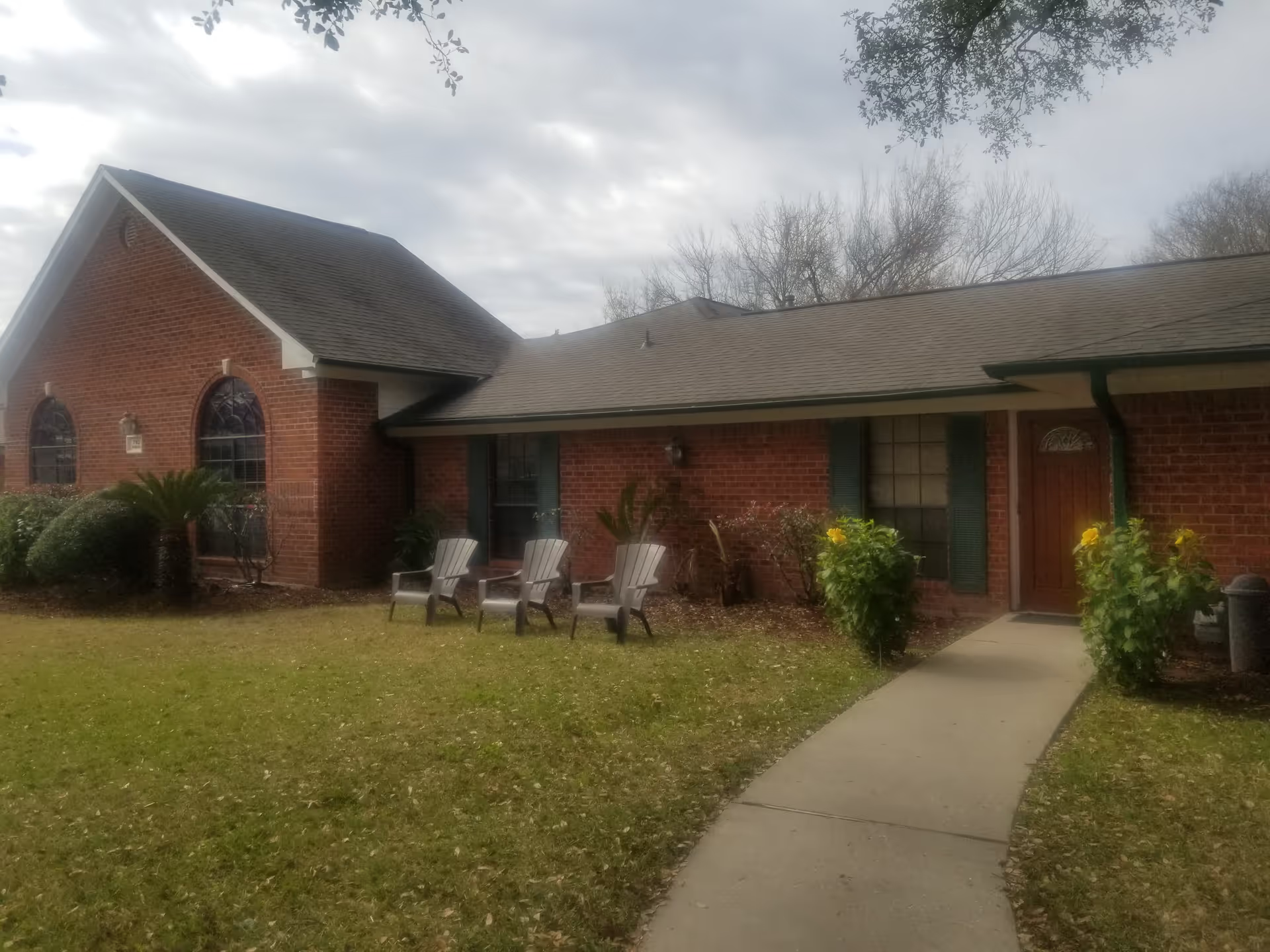
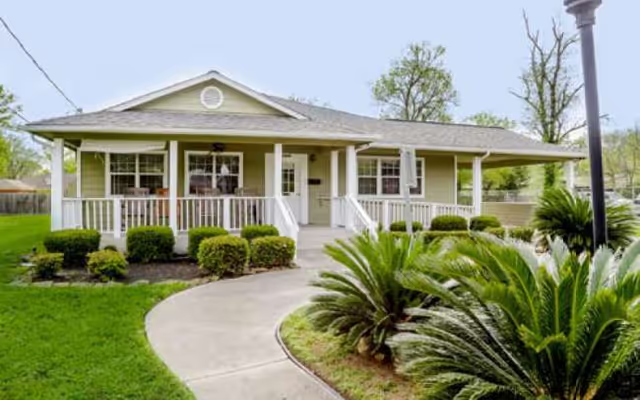
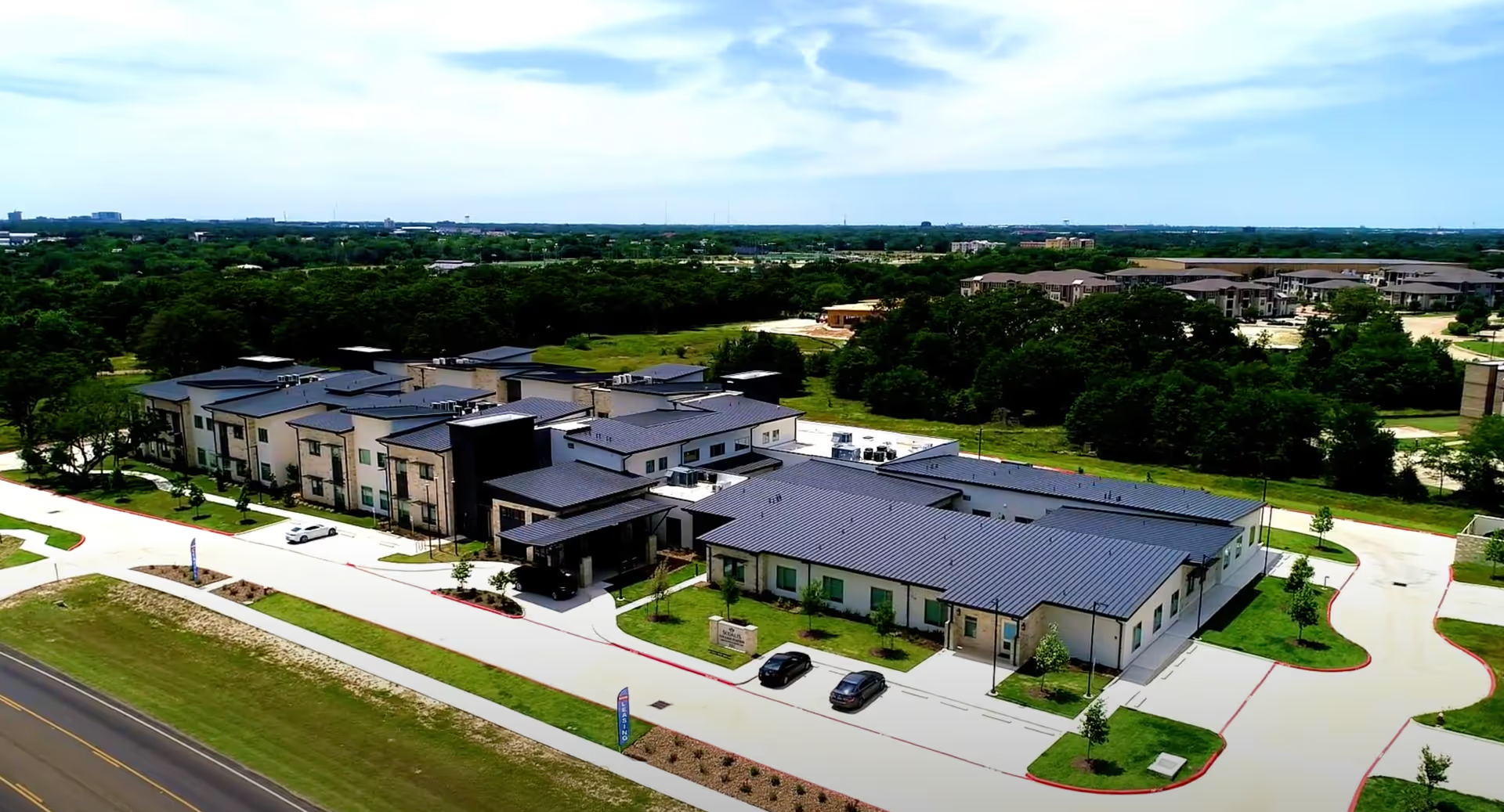
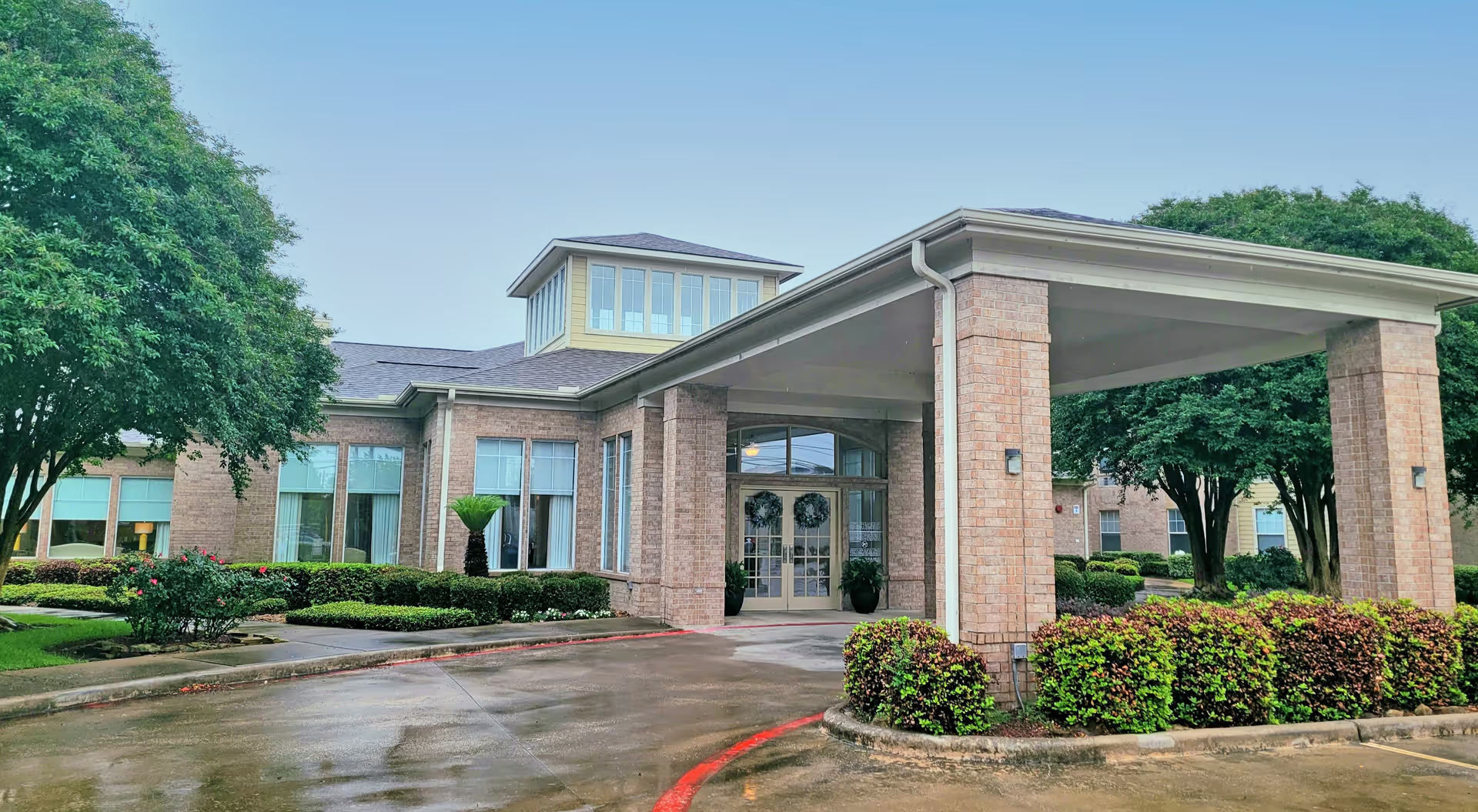
Facilities, housekeeping, and supplies: The building and public spaces are often described as clean and well-maintained, with a pleasant smell and hotel-like atmosphere. At the same time, reviewers note inconsistent housekeeping practices in resident rooms—issues such as floors not being swept, incomplete room preparation, and intermittent availability of linens and bed pads. These inconsistencies suggest variable execution of housekeeping workflows and supply management.
Management and communication: Communication to families is a notable strength; many reviewers emphasize good updates, quick issue resolution, and staff who explain care before performing tasks. Management responsiveness to concerns is also frequently praised. Nonetheless, there are occasional lapses: admissions interactions can be curt, discharge paperwork or addresses have been handled incorrectly in individual cases, and there are instances where family members were not promptly informed about clinical incidents. These patterns indicate generally effective communication practices with some notable exceptions that affect trust.
Notable patterns and implications: The dominant themes are strong interpersonal care and clinician competence combined with variability in operational reliability. Prospective residents and families should weigh the facility's evident strengths in staff attitude, therapy resources, and cleanliness against recurring operational weaknesses—particularly staffing consistency, housekeeping reliability, meal appropriateness, and medication/incident communication. Visiting the unit at different times (day, evening, weekend), asking for specifics on staffing ratios and medication-safety protocols, and clarifying dietary accommodations and housekeeping schedules will help families assess fit for their needs.