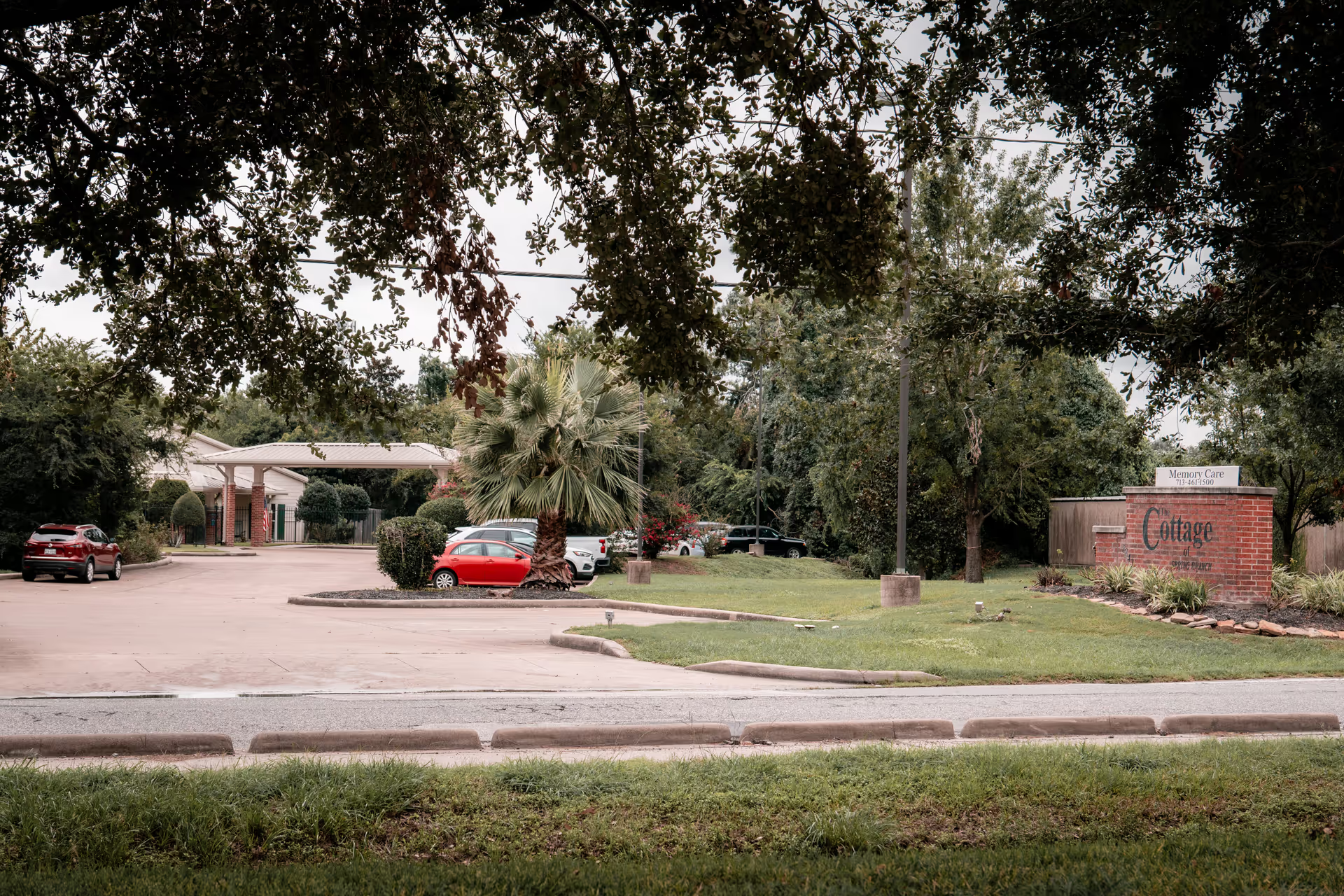
The reviews for Caraday of Houston present a polarized picture: many families and staff praise the interpersonal aspects of care and recent physical improvements, while a distinct set of concerns point to operational gaps that affect day-to-day resident experience.
Care quality and staffing: Numerous comments describe compassionate, patient, and attentive caregivers who know residents’ preferences and promote independence. These strengths are frequently cited as reasons families feel comfortable leaving loved ones at the facility. At the same time, reviewers identified recurring operational issues: understaffing on nursing units, inconsistent care across shifts (including better performance on some weekends), and intermittent delays in personal-care activities such as bathing. These patterns suggest variability in staffing levels and task coverage that can affect continuity of care.
Staff, communication, and management: Admissions and placement coordination receive consistently positive feedback—families describe admissions staff as professional, informative, and responsive. However, ongoing management and communication problems were also raised. Families reported poor follow-up on voicemails, delayed callbacks, inconsistent nursing updates, and difficulty reaching social-work support or administration when needed. Several comments pointed to paperwork delays and billing disputes, indicating process and administrative workflows that may need strengthening.
Clinical and safety concerns: A subset of reviewers described medication-timing issues and delays in administering pain relief, which aligns with broader comments about inconsistent clinical responsiveness. There are also mentions of property-security problems and missing personal items, which together with comments about enforcement of visitor policies highlight gaps in resident safety and family relations procedures. A small number of reviewers raised serious concerns that may warrant investigation, including comments following a resident’s death and allegations of missing belongings; these reinforce the need for robust oversight and transparent incident-response processes.
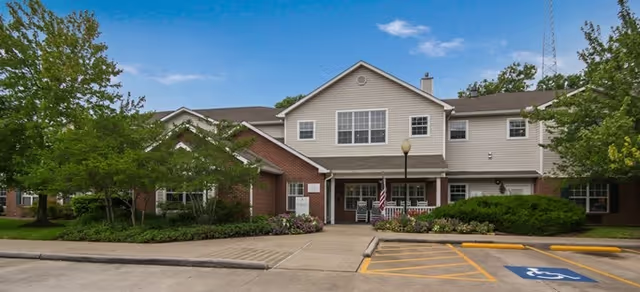
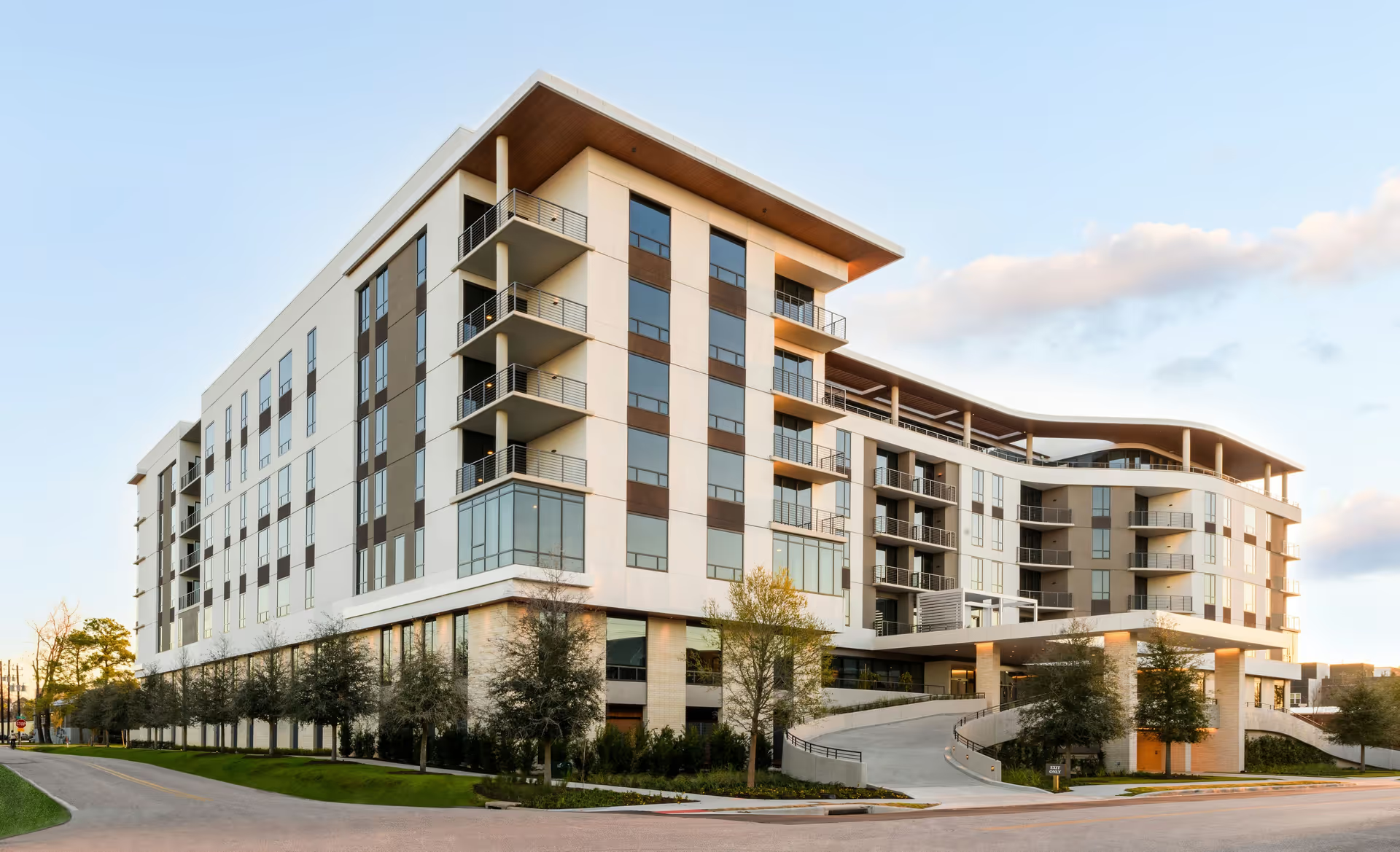
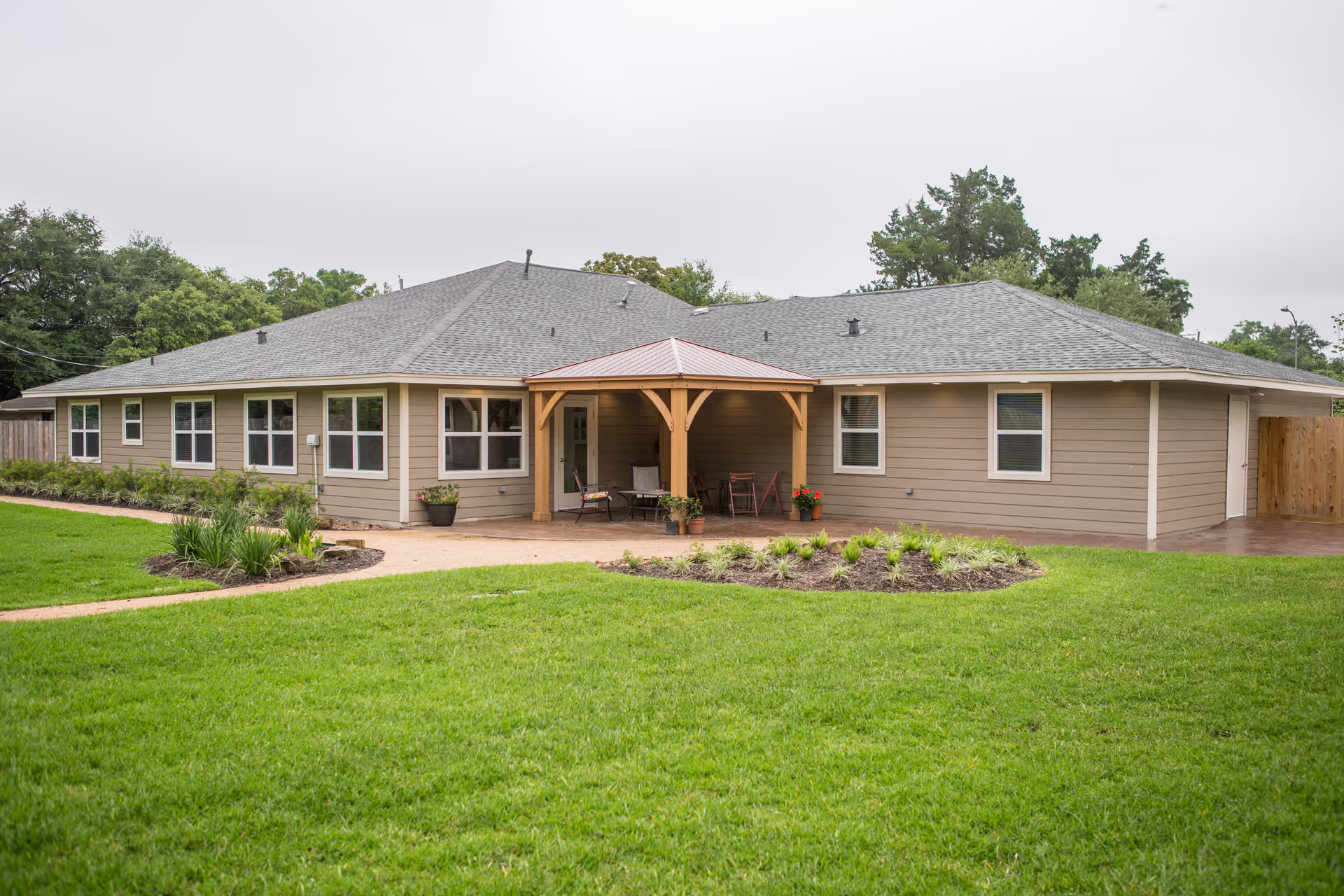
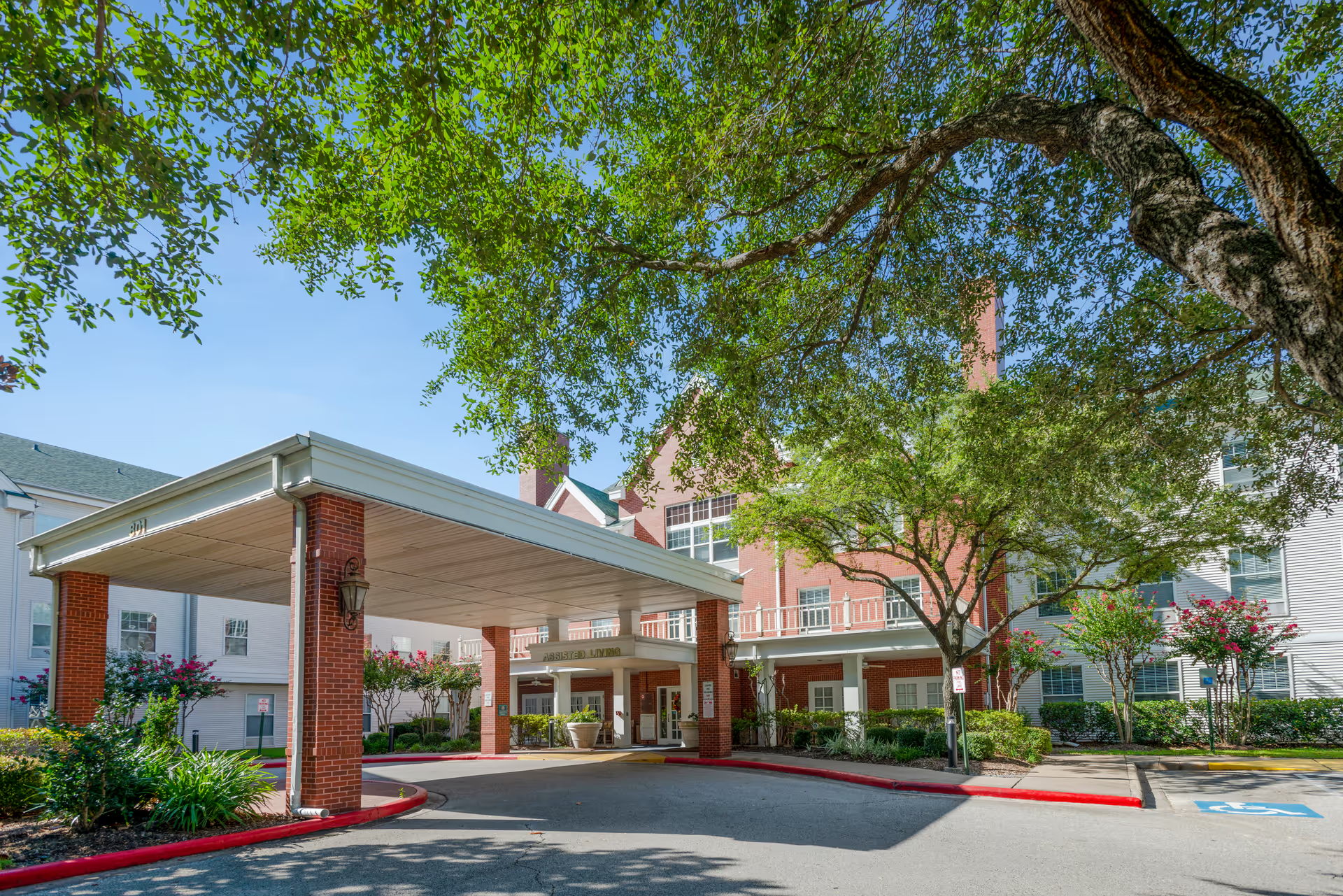
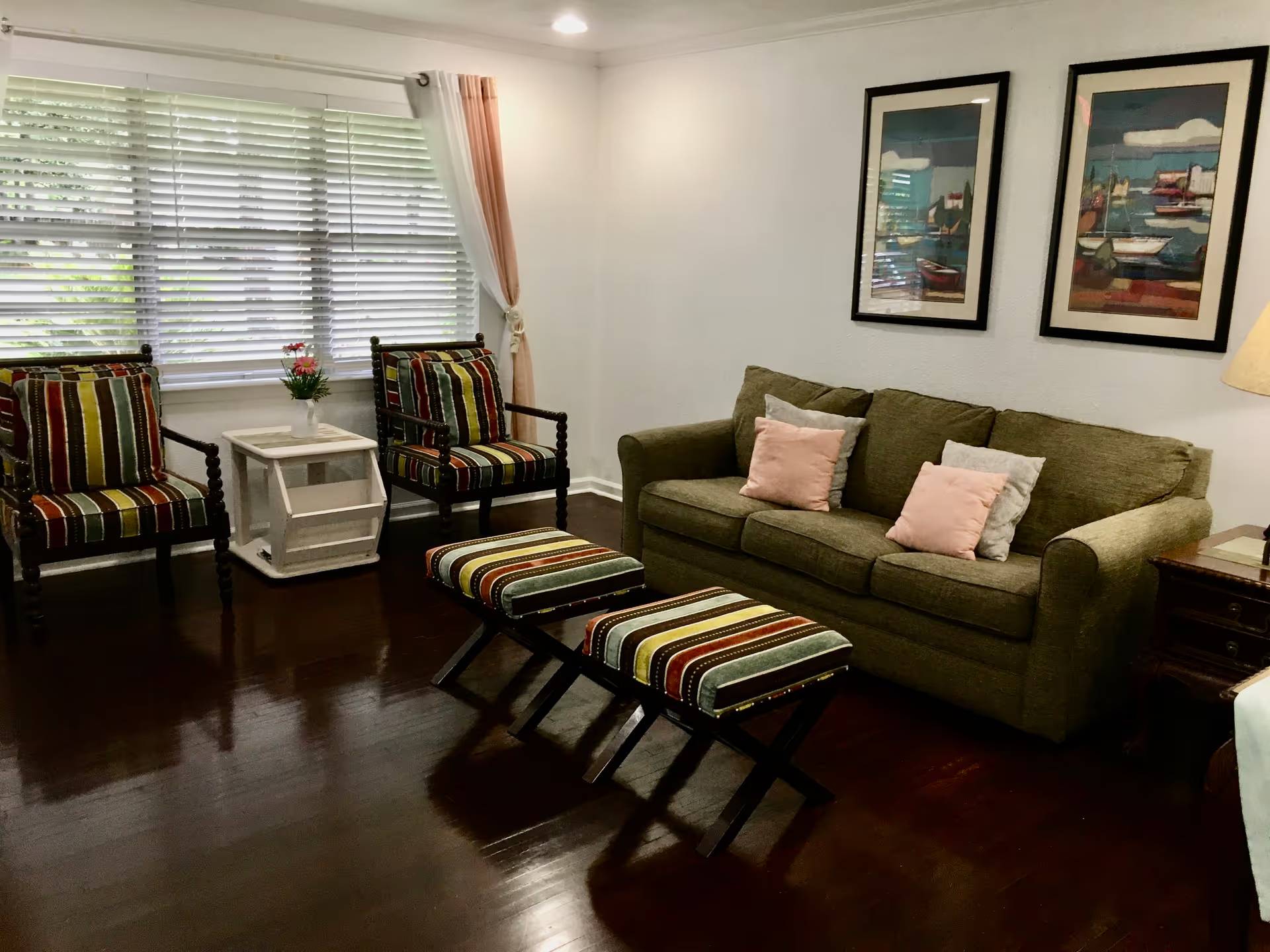
Facilities, dining, and activities: Many families praised recent renovations, upgraded interiors, and generally clean, well-maintained common areas and rooms. Dining received positive remarks for appearance and taste. Conversely, other reviews raised sanitation and pest-control concerns in some rooms and areas, indicating inconsistency in environmental services. Activity- and community-level feedback was generally positive, with reports of a welcoming, home-like atmosphere and staff who foster resident engagement.
Notable patterns and recommendations: The dominant positive theme is strong, compassionate front-line staff and an improving physical environment. The dominant negative themes center on inconsistent operational execution—particularly sanitation, staffing, medication timeliness, family communication, property security, and administrative processes. Prospective families should weigh the facility’s interpersonal strengths and renovations against these operational variability signals. For current families and regulators, priorities would be strengthening staffing models and shift coverage, formalizing communication and care-planning follow-up, tightening property-control procedures, and addressing pest-control and environmental-cleaning consistency.
Overall, Caraday of Houston demonstrates clear strengths in staff engagement and physical upgrades, but several operational areas require focused management attention to ensure consistently reliable care and resident safety across all units and shifts.