Reviews of Copperfield Healthcare and Rehabilitation describe a facility with clear strengths in therapeutic care, activities, and many aspects of frontline caregiving, but also recurring operational weaknesses that families should weigh. Numerous comments highlight skilled PT/OT/Speech services, individualized rehabilitation plans, strong wound-care capability, and an active activities program that contributes to residents’ social and functional improvement. Many reviewers praised specific nurses, CNAs, therapists, social workers, and kitchen/front-desk staff for compassionate, personable interactions and for helping residents regain mobility and independence.
At the same time, a consistent theme is variability in nursing and operational performance. Reports indicate staffing shortages, high turnover, and frequent use of agency staff, which reviewers connected to delayed responses to call requests, inconsistent medication administration, and uneven clinical monitoring—particularly after therapy sessions and on weekends. Several families described problems with assessment accuracy, medication delays, and early or poorly planned discharges; these point to systemic gaps in care-continuity and discharge planning rather than isolated incidents.
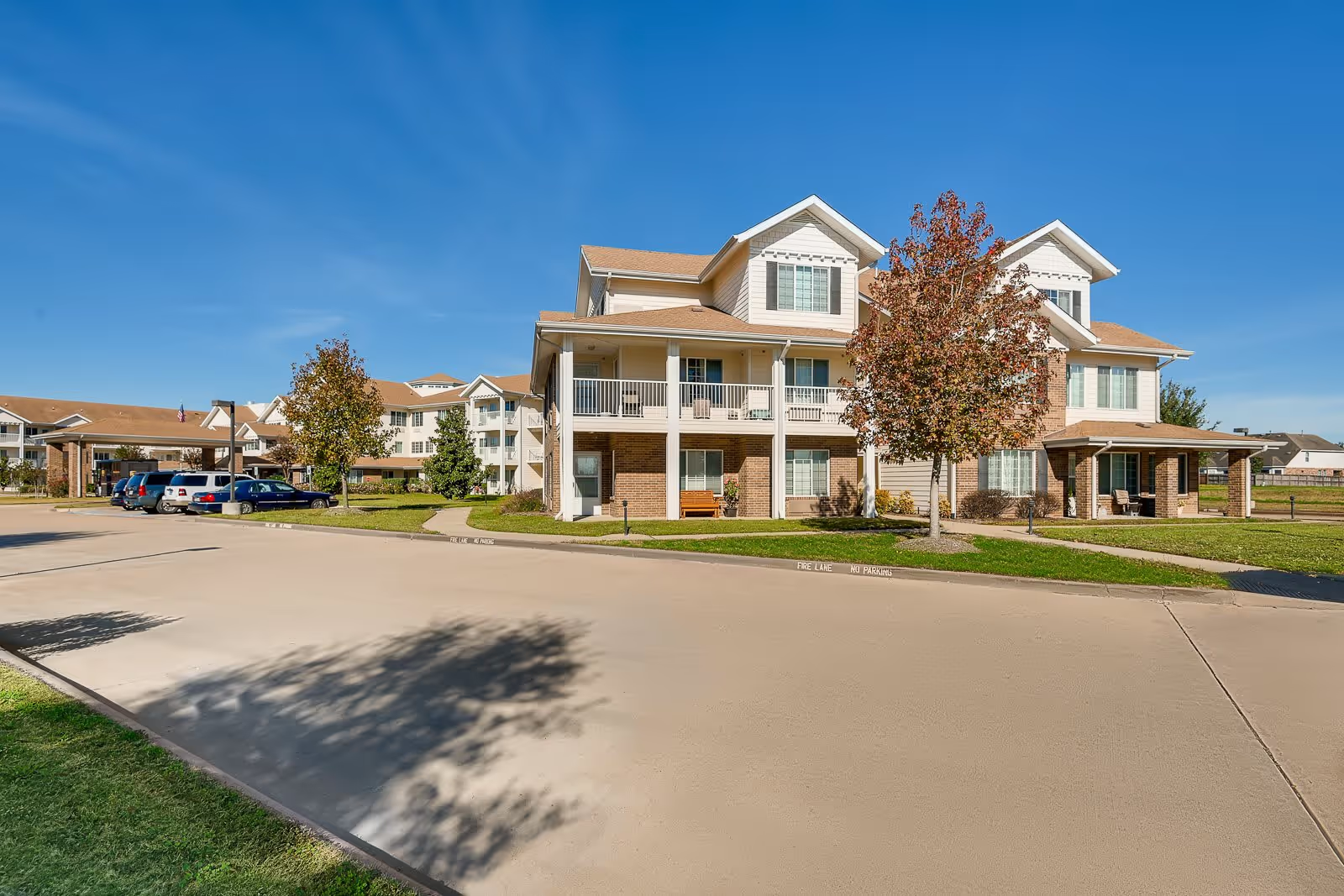
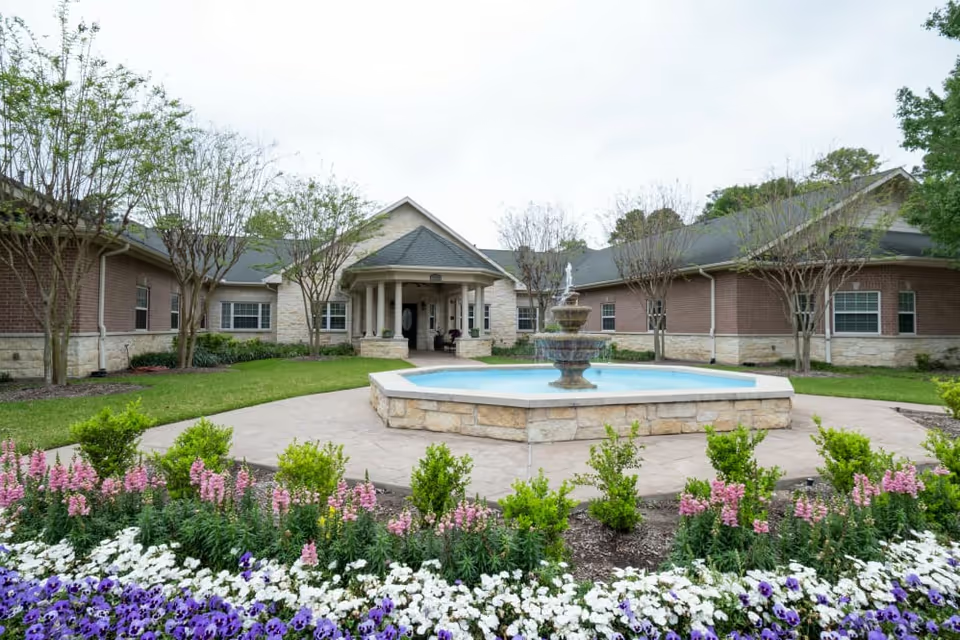
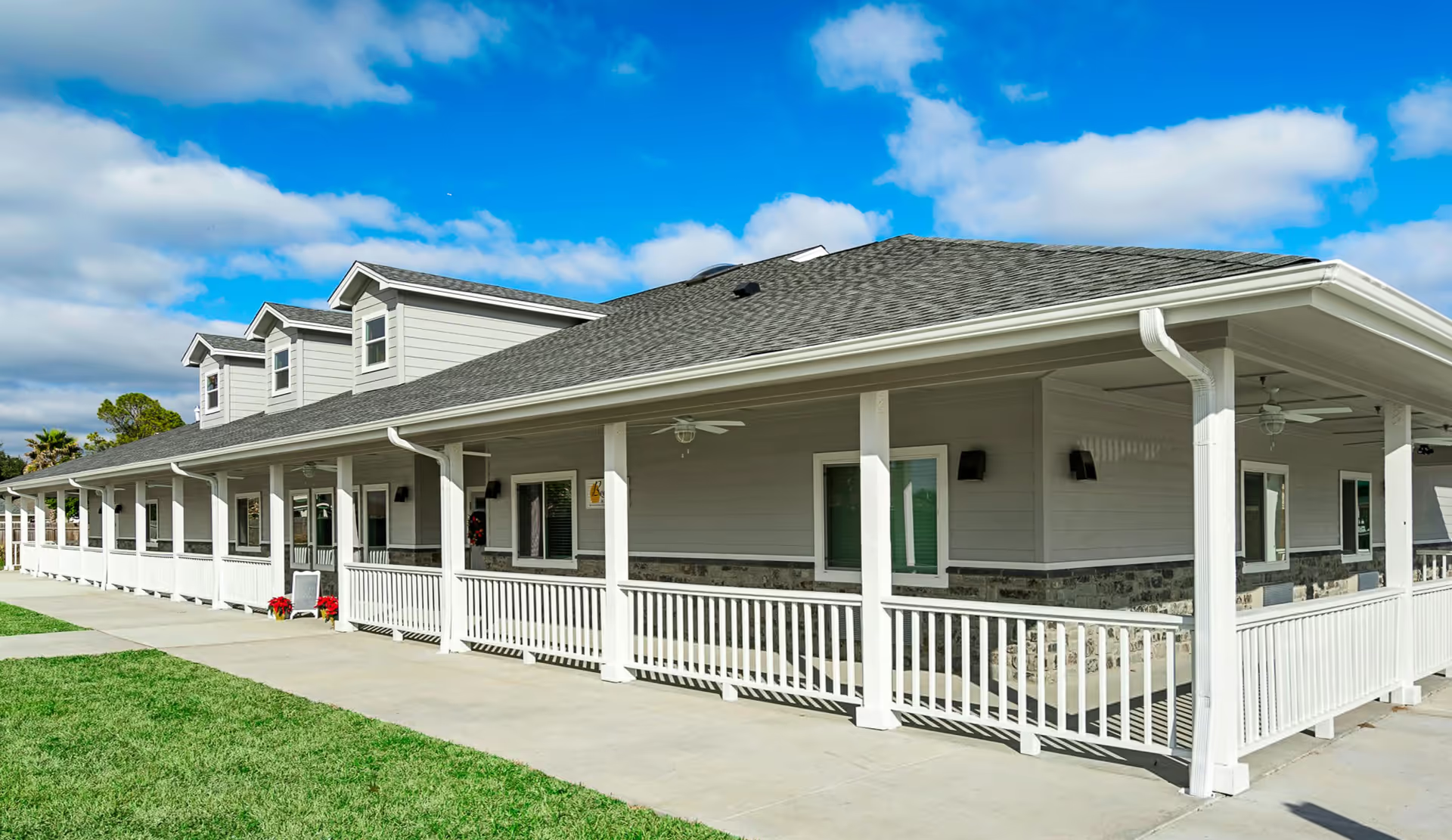
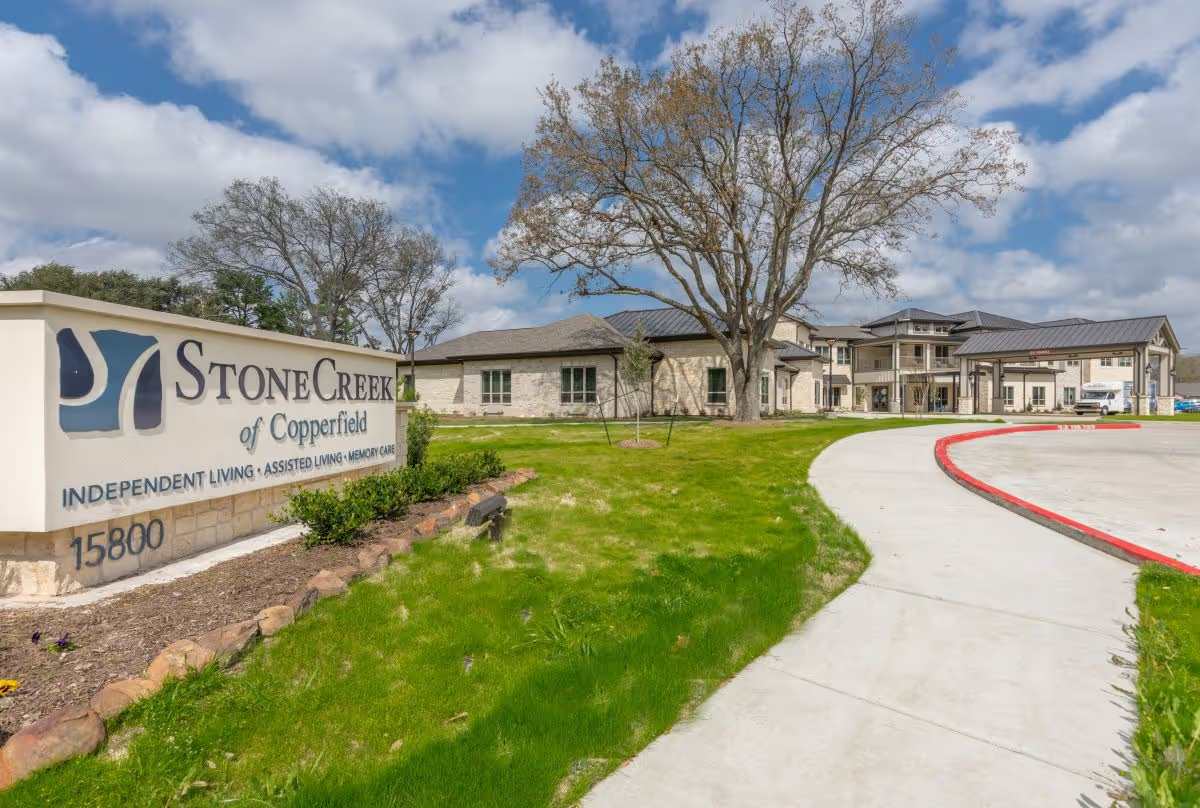
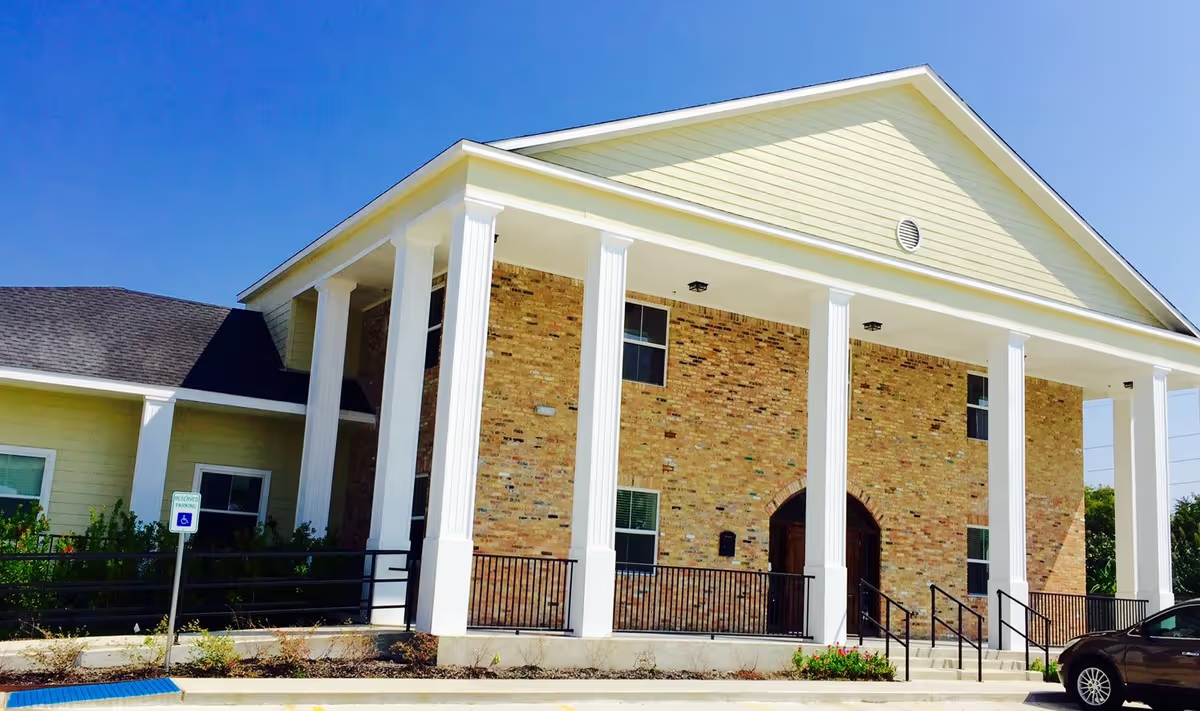
Dining and environmental feedback is mixed. Many reviewers complimented the cafeteria, menu variety, and occasional well-prepared meals, while others noted inconsistent meal temperature and service timing. The building and common areas are frequently described as clean and welcoming, with secure visitor check-in and pleasant communal spaces; however, some reviewers raised sanitation and odor concerns and variable housekeeping outcomes tied to staffing patterns. Activities programming and therapy spaces are repeatedly cited as strengths that enhance residents’ engagement and recovery.
Management and communication are described as uneven. Several families appreciated proactive administrators and responsive problem resolution, whereas others reported poor customer-service interactions during admissions, confusion over policies, and inconsistent communication about infection-control events. There are also more serious operational concerns in the reviews: allegations concerning misplacement or theft of personal items, lapses in infection-control transparency, and safety issues such as fall-prevention and oxygen/transfer practices. While these severe concerns appear alongside many positive care accounts, they underscore the facility’s variability in reliability across shifts and teams.
In sum, Copperfield presents a mix of strong rehabilitative and activity-driven services delivered by many dedicated staff, alongside recurring operational and staffing challenges that affect consistency of care. Prospective residents and families should consider direct observation of current staffing levels and shift performance, inquire about medication-safety and discharge protocols, review infection-control and property-management procedures, and verify therapy scheduling to align expectations with the facility’s strengths and known weaknesses.