Overview EastView HealthCare & Rehabilitation Center elicits strongly mixed impressions. A consistent strength across reviews is the facility’s rehabilitation program: physical, occupational, and speech therapy teams receive frequent praise for producing measurable recovery and successful discharges. Many families and patients also describe long‑tenured, compassionate caregivers, a welcoming admissions process, and an active social program that contributes to resident wellbeing.
Care quality and clinical operations Clinical strengths appear concentrated in the therapy department and among several dedicated nursing and PCA staff. At the same time, recurring operational issues appear in direct‑care delivery: reviewers describe delays responding to nurse‑call requests, uneven assistance with hygiene and toileting needs, and variability in care between day and night shifts. There are repeated accounts of medication‑management and documentation problems, including conflicting orders and unclear records, which families identified as a major source of concern. In a few cases reviewers raised serious concerns following a resident’s decline or death; these are significant outliers but worth noting as isolated, serious allegations related to end‑of‑life management and post‑event family communication.
Staff and communication Staff behavior is described in polarized terms. Many accounts praise compassionate, professional, and long‑standing employees who provide individualized attention and strong case management. Other accounts describe variable conduct, including perceived rudeness, delayed responsiveness, and inconsistent follow‑through from part‑time or temporary staff. Communication with families is similarly uneven: some reviewers commend transparent care planning and frequent updates, while others report poor responsiveness to emails, difficulty obtaining records, and delays in escalation or hospital transfer when clinical issues arise.
Dining, activities, and resident life The activities program is a clear positive, with an active calendar, an identified activity director, and frequent social and therapeutic offerings that reviewers say help residents remain engaged. Dining feedback is mixed: some reviews praise meals and the dining experience, while others cite bland or inconsistent food quality, problems with special diets, and episodic shortages or interruptions in meal service.
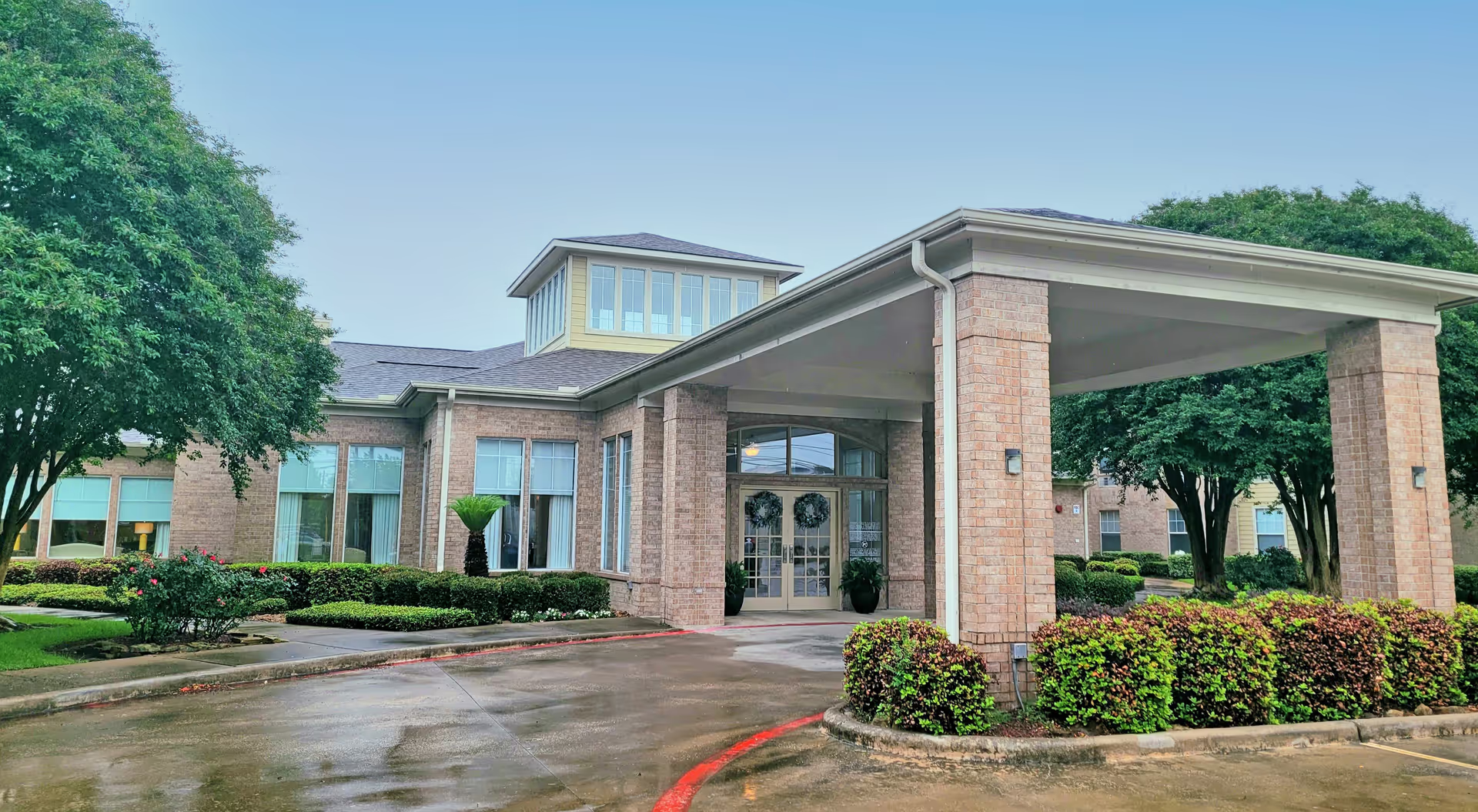
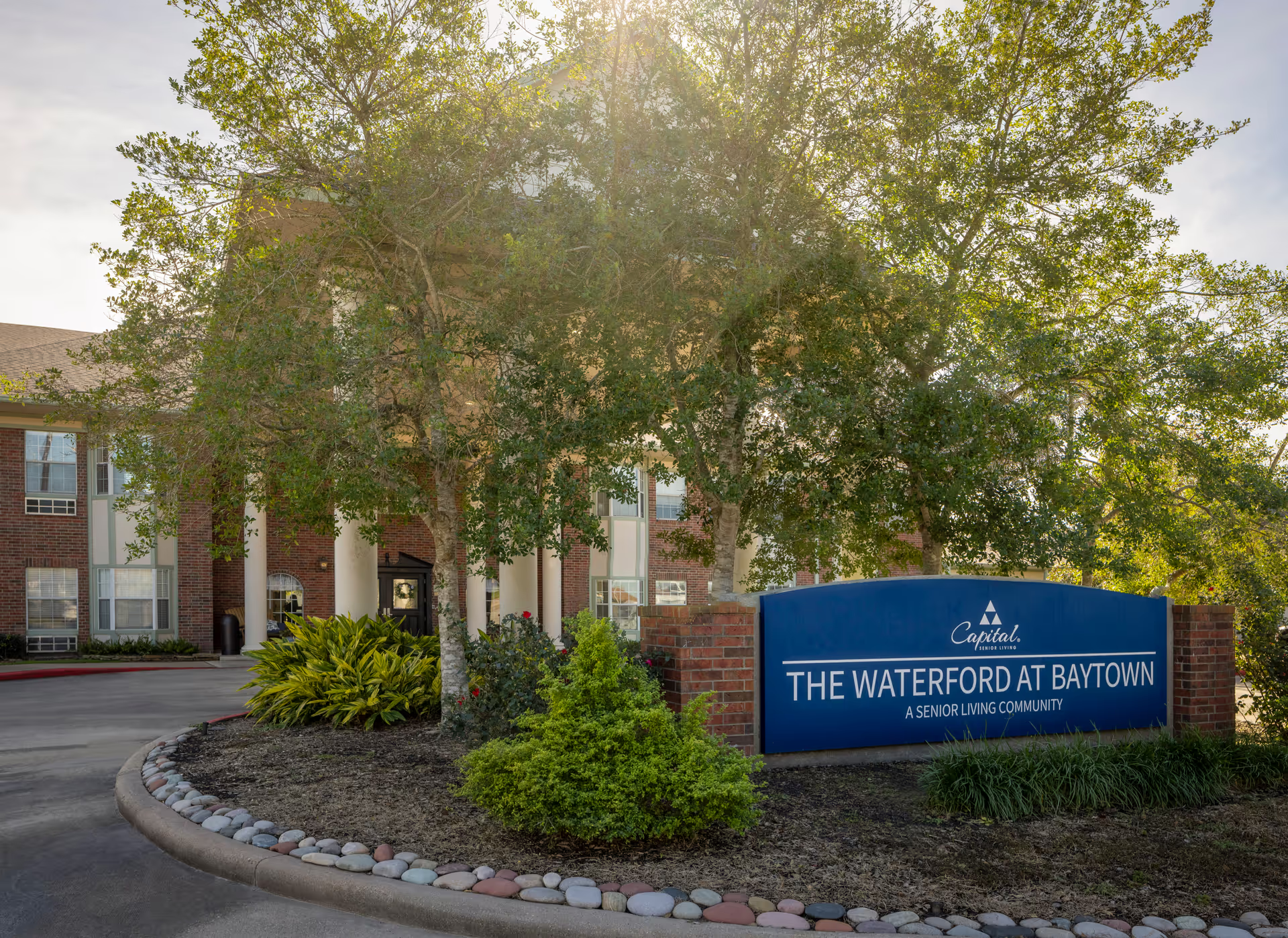
Facility environment and maintenance Many reviewers describe the facility as clean, well‑maintained, and accessible, with pleasant common areas and a tidy exterior. However, there are also recurring sanitation and environmental maintenance concerns, including inconsistent housekeeping in some units, pest‑control issues, and maintenance items that need attention. Reviewers note variability in room condition and equipment availability, and some mention problems during quarantine events such as limited supplies.
Management and administrative practices Management receives both commendation and criticism. Positive comments highlight engaged leadership, improvement under new management, and strong case‑management coordination for admissions and discharges. Critical comments focus on inconsistent oversight—particularly around clinical documentation, timely escalation of medical issues, property handling, and family communication—and on uneven performance across shifts. There are also mentions of challenges with admission paperwork and gaps in arranging promised post‑discharge home‑health services in a few cases.
Notable patterns and guidance for prospective families The dominant pattern is one of contrast: high‑quality rehabilitation services and many caring, experienced staff co‑exist with operational weaknesses that can materially affect individual stays. Common actionable themes for prospects are to (1) tour the facility at different times of day to observe shift variability, (2) ask specific questions about staffing ratios and nurse‑call response expectations, (3) review medication‑management and documentation practices, (4) confirm language‑access options and property‑handling policies, and (5) inquire about infection‑control protocols and supply availability during quarantines. These steps can help families weigh the facility’s strong rehabilitation capabilities against the reported inconsistencies in daily care and operations.