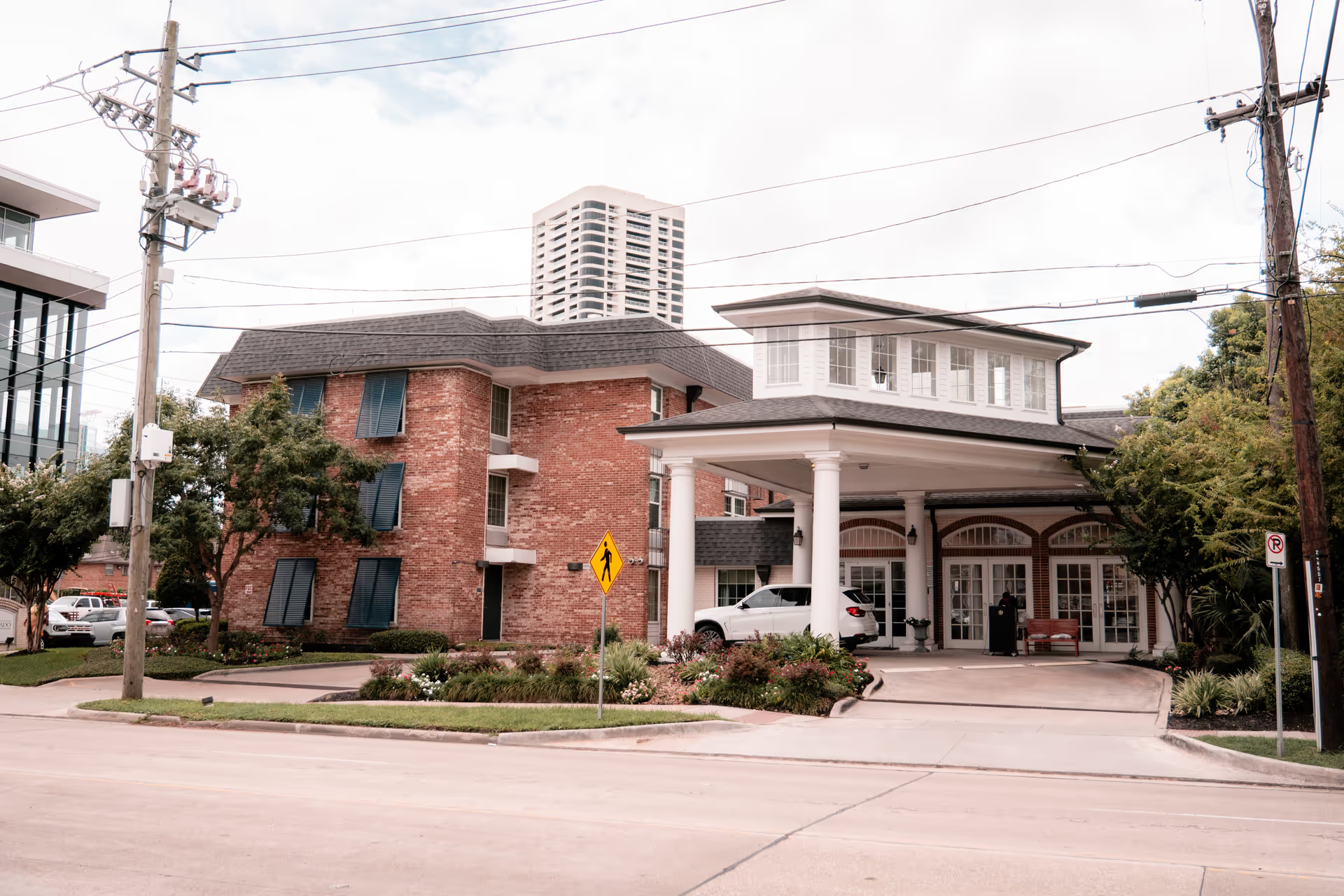
Reviews of Garden Terrace at Houston present a mixed picture in which strong rehabilitation services and caring frontline aides coexist with recurring operational and clinical concerns. The facility's therapy departments (PT/OT/ST) are repeatedly cited as a core strength: therapists are described as motivating, personalized in approach, and effective at improving mobility and readiness for discharge. Likewise, many families and patients praised CNAs, admissions staff, and front-desk personnel for warmth and support; several accounts describe a clean, secure campus with engaging activities and a family-like atmosphere on some units.
At the same time, a sizable cluster of reviews raises consistent concerns about core nursing operations. Chronic understaffing and high nurse-to-patient ratios are a dominant theme and are associated with slow response times, delays in assistance with toileting and bathing, and missed or delayed medication administration. Reviewers also describe gaps in wound-care and incontinence-care processes, and a few serious individual allegations about advanced pressure injuries and infection-related complications have been made. Infection-control and readmission management were also cited as problematic in several accounts.
Communication and administrative issues emerge as another clear pattern. Families reported inconsistent updates during clinical changes, difficulty reaching nursing leadership or the social-work team, and concerns about billing and Medicare-related paperwork or appeals. While some staff members and managers are singled out for responsive follow-up and successful appeals, other accounts describe unreturned messages, rescinded discharge plans, and insufficient coordination at transitions of care.
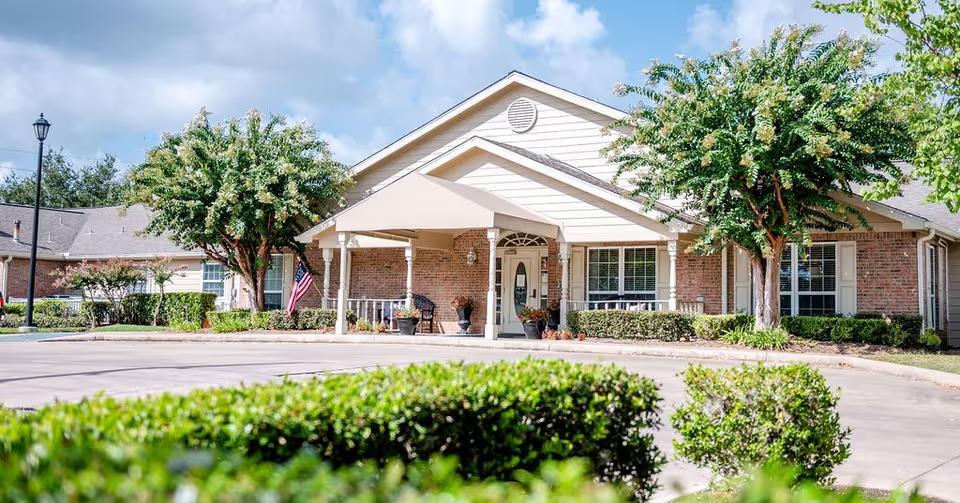
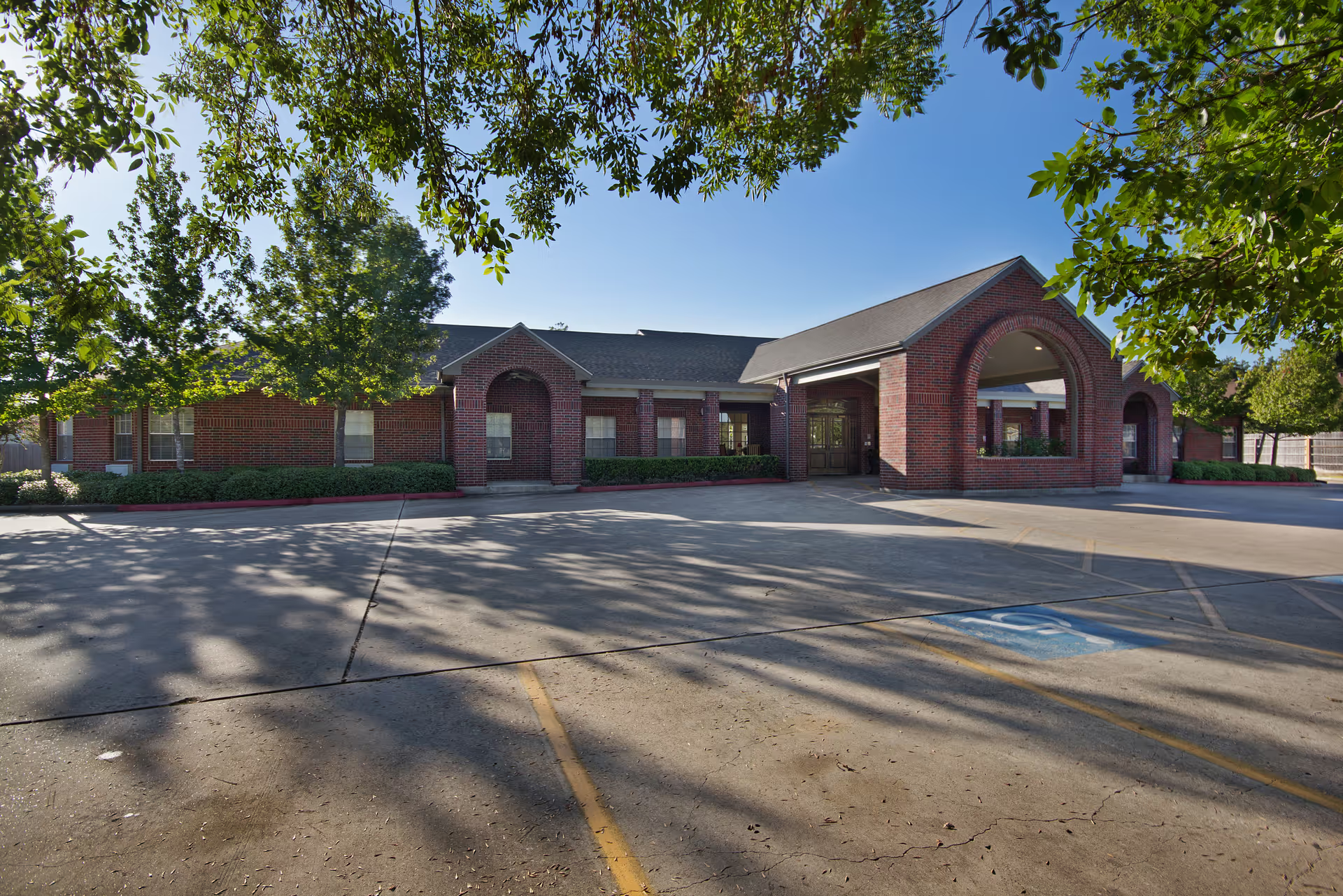
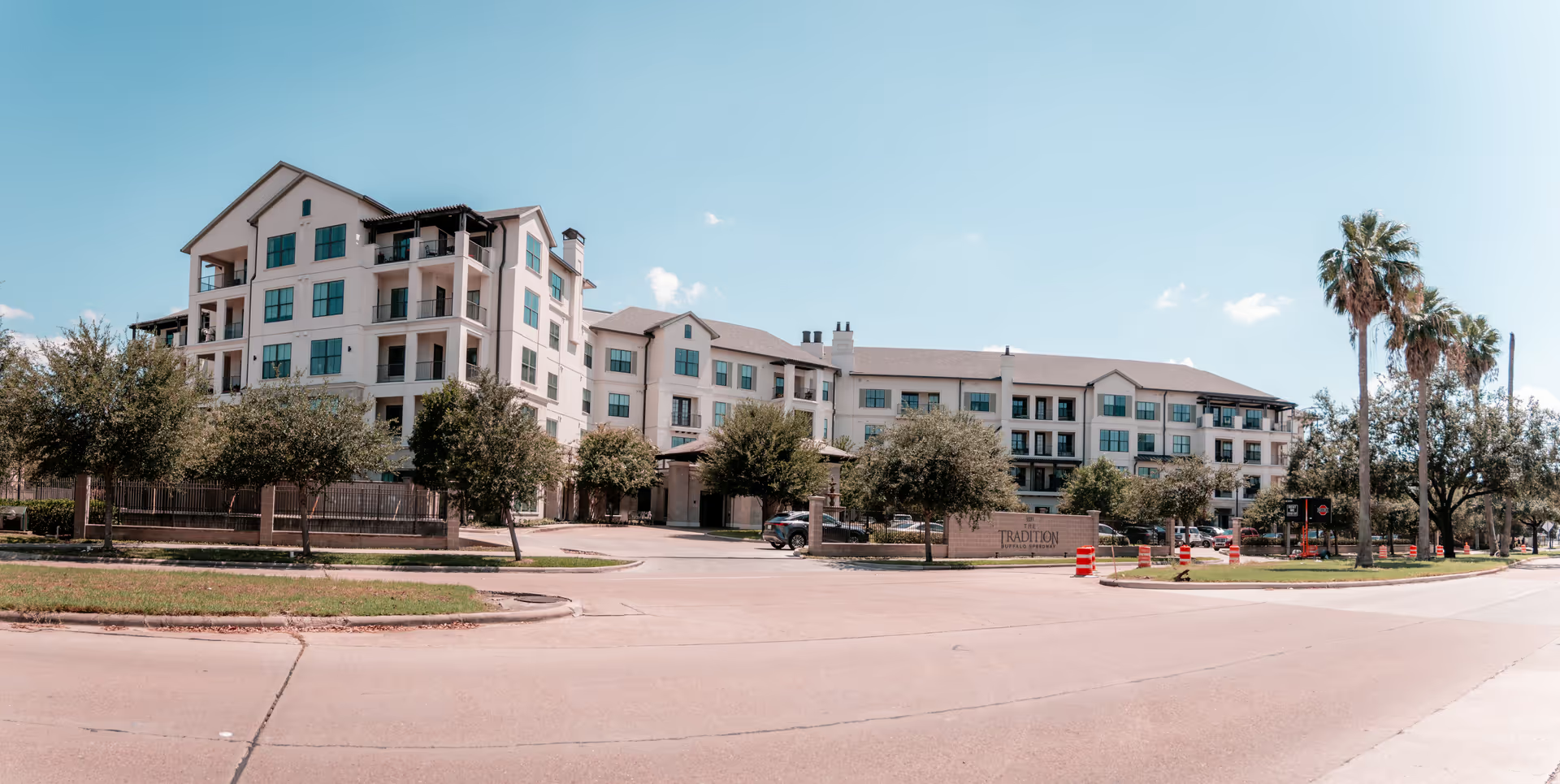
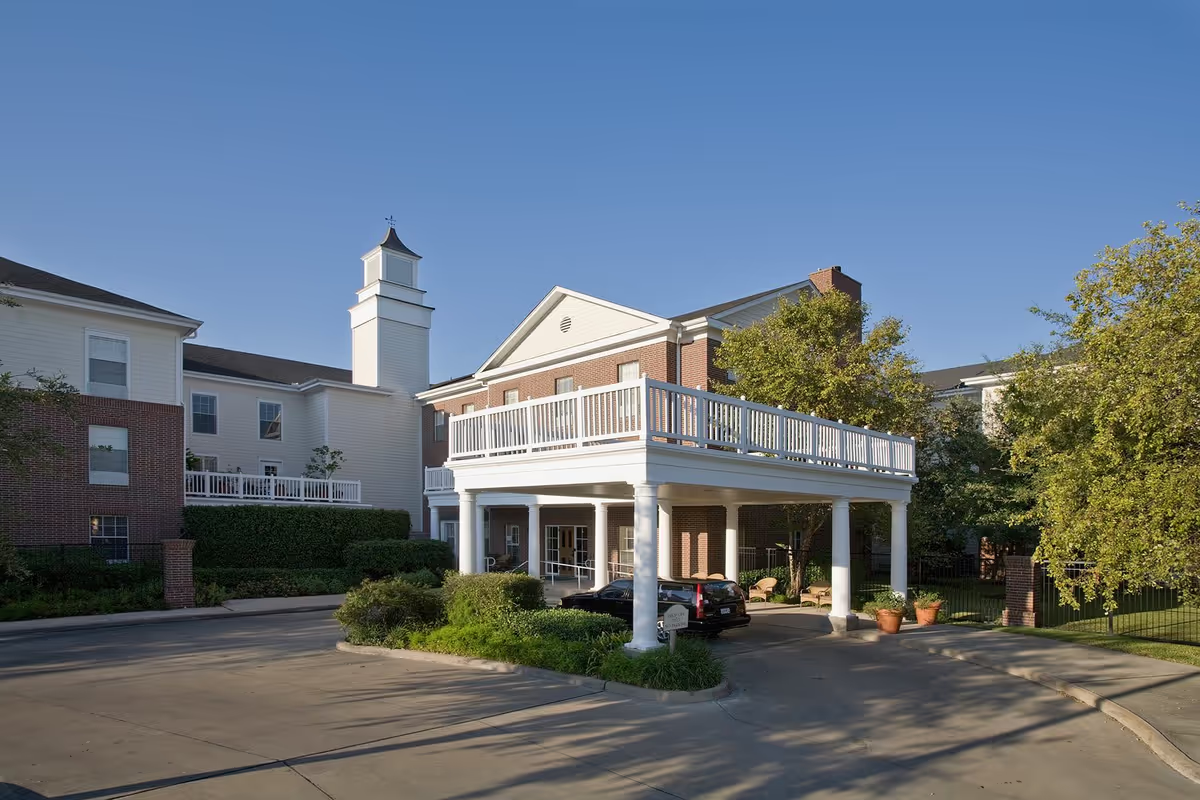
Dining, housekeeping, and facility condition show variability across reports. Many reviewers complimented cleanliness in public areas, attractive décor, and well-maintained courtyards; others noted localized sanitation and housekeeping lapses, concerns about meal quality or late-night access to snacks, and older or mismatched room equipment in some units. Activities programming is frequently praised for engagement and variety, contributing positively to resident quality of life.
Taken together, the reviews suggest a facility with a strong rehabilitation identity and many committed frontline staff, alongside systemic operational weaknesses that affect clinical reliability and family confidence. Prospective residents and families considering Garden Terrace would benefit from specific, targeted questions about current staffing ratios on the intended unit/shift, wound- and incontinence-care protocols, medication administration and documentation practices, infection-control measures, and how the facility communicates during clinical changes and transitions. Asking for recent staffing schedules, examples of interdisciplinary care plans, and the process for billing/appeals may help families assess whether the facility’s strengths align with their clinical and oversight needs.