Hands to Lend Assisted Living elicits strongly mixed impressions. Several reviewers describe the setting as a comfortable, homelike residence with sensitive, compassionate caregivers and active programming that keeps residents engaged and, in some cases, supports measurable health improvements. Other reviewers have raised significant operational concerns, creating a polarized picture of the facility’s performance.
Care quality is a central area of division. Positive accounts emphasize attentive, personalized interactions and improvements in individual resident wellbeing. Conversely, negative accounts point to variability in how promptly and consistently residents’ needs are addressed. These contrasting accounts suggest that care quality may depend heavily on which staff are on shift and the particular care plan in place.
Staffing is likewise described in mixed terms. Many families commend caregivers for being warm and responsive; concurrent criticisms focus on gaps in training and the absence of consistent on-site supervision. The presence of continuous camera-based monitoring is noted as a structural control by some reviewers, but cameras do not substitute for visible managerial oversight and consistent staff competency. Prospective families should inquire about formal training programs, staff-to-resident ratios, and supervisory routines.
Reviewers provide little direct information about dining, so meal quality and nutritional practices are not clearly characterized in the available summaries. Because dining can be an important component of daily life and health, visitors should ask the facility for sample menus, dietary accommodations, and meal-service procedures during a tour.
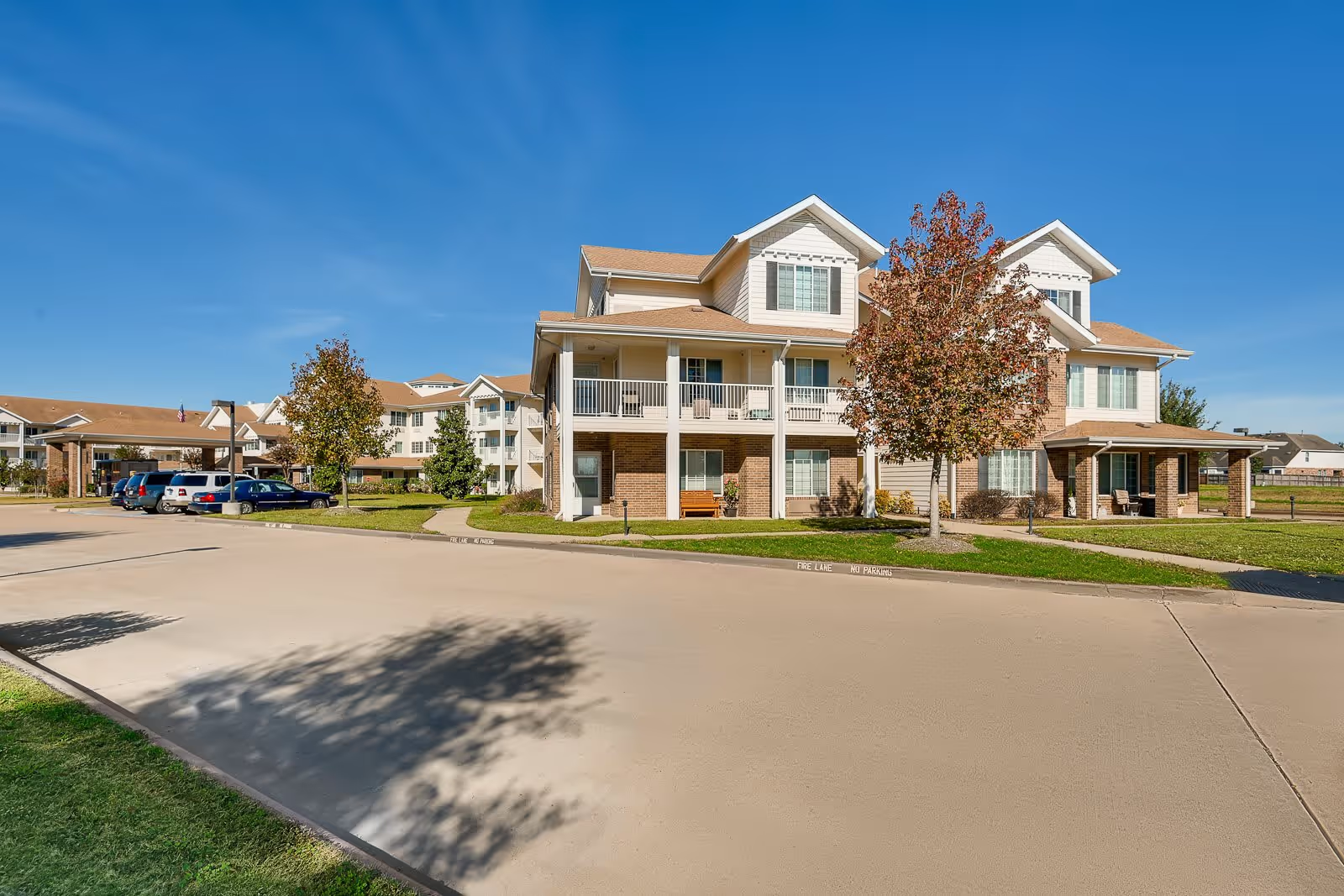
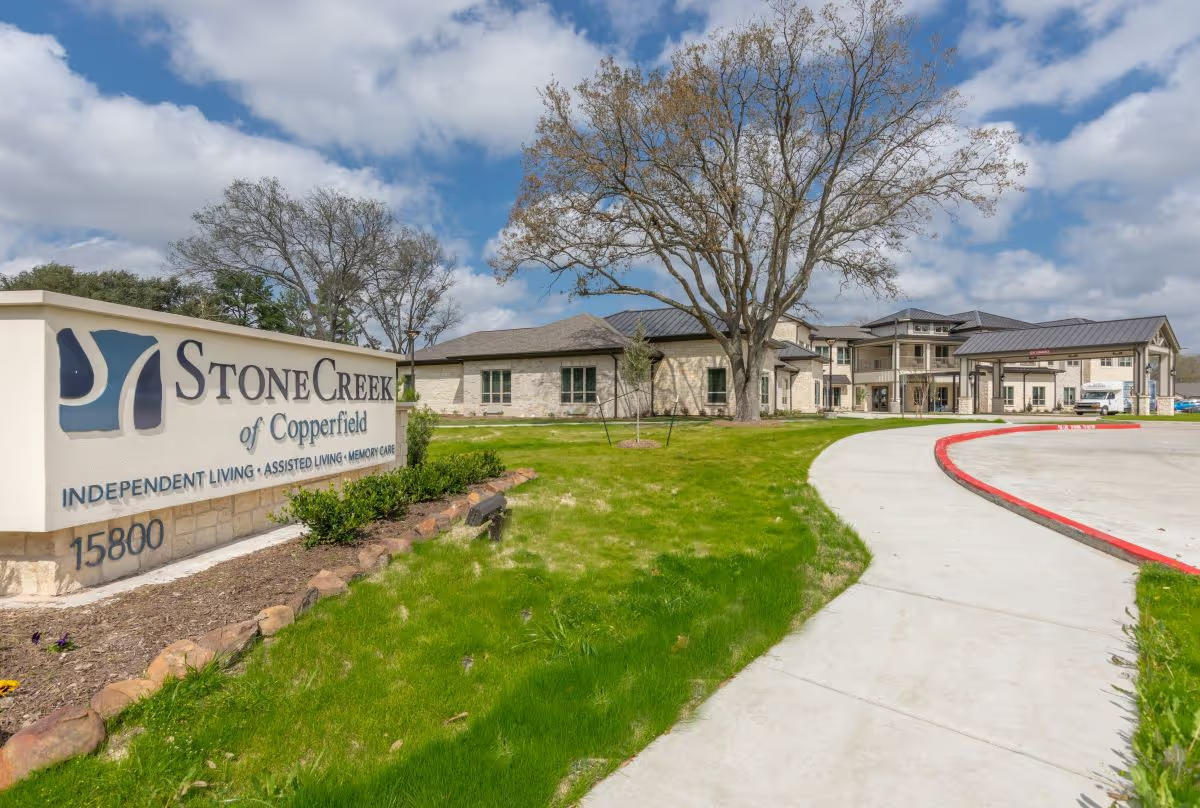
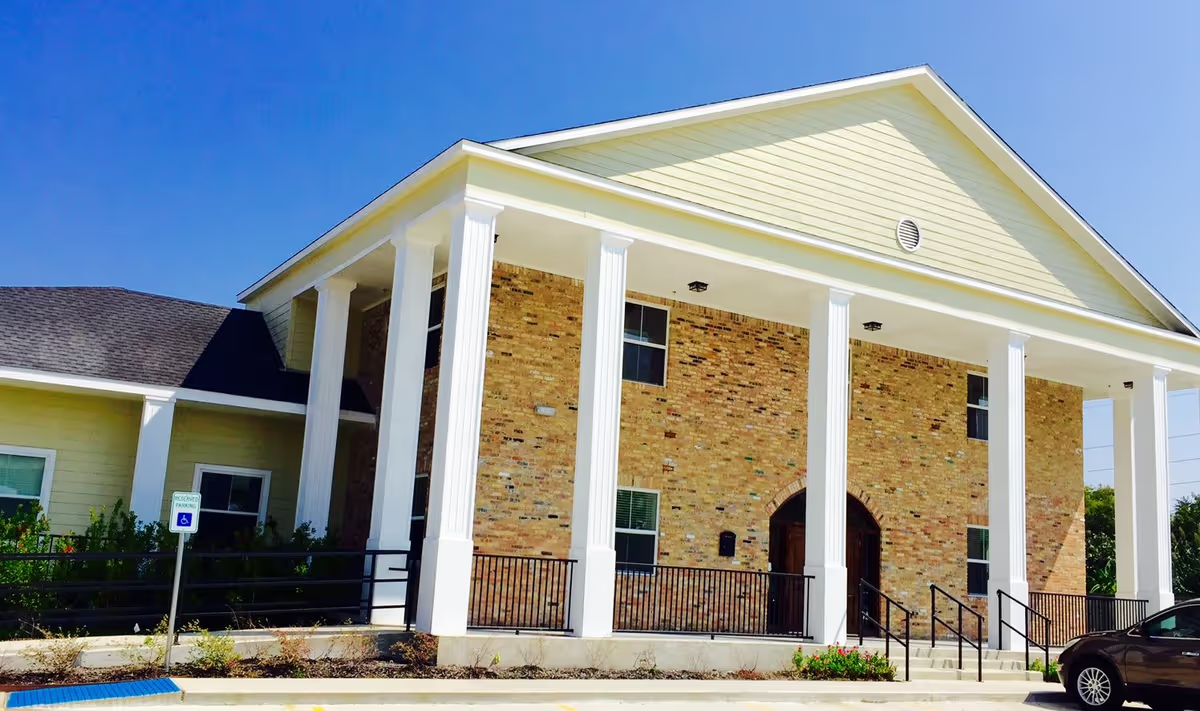
Activities and the living environment receive generally positive comments. The home is described as attractive and homelike, with activities that keep residents engaged. These elements are presented as contributing to resident wellbeing and satisfaction where families have had favorable experiences.
Management and communication show inconsistent performance. Some families describe open, transparent communication and active engagement from staff, while others report a lack of managerial presence and gaps in oversight. There is also concern about perceived value for the cost charged. Those considering the community should request specifics on how leadership monitors care, how incidents are escalated, and how billing and contracts are handled.
Notable patterns: reviews are polarized, indicating variability in outcomes across residents and shifts. Before making a placement decision, prospective residents and families should tour the home, observe staff interactions, ask for references from current families, review staff training and supervision policies, verify monitoring practices (including camera use and privacy policies), and obtain clear written information about costs and care expectations. These steps will help determine whether the facility’s strengths align with an individual’s care needs and priorities.